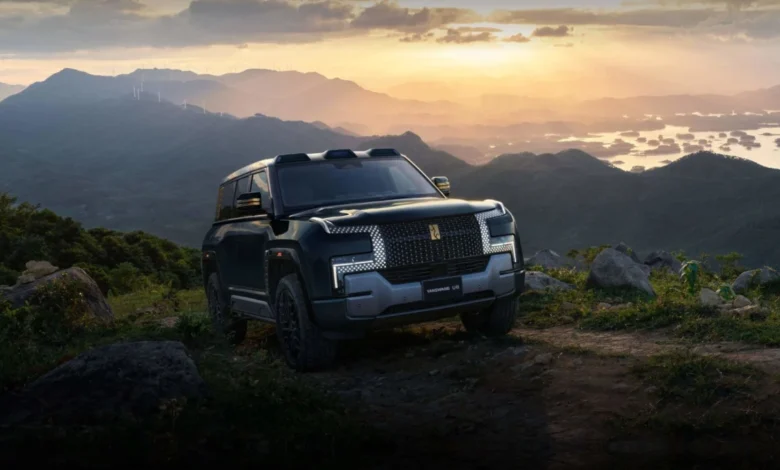
For over seven decades, the Land Rover Defender has stood as the definitive emblem of British automotive ruggedness. From the damp, challenging terrain of the Scottish Highlands to the manicured streets of London’s affluent neighborhoods, the Defender has cemented its status as a versatile, go-anywhere machine. However, the landscape of the global automotive market is shifting rapidly, and the once-unchallenged dominance of the Defender is facing a profound test from a new wave of high-tech, competitively priced off-roaders emerging from China.
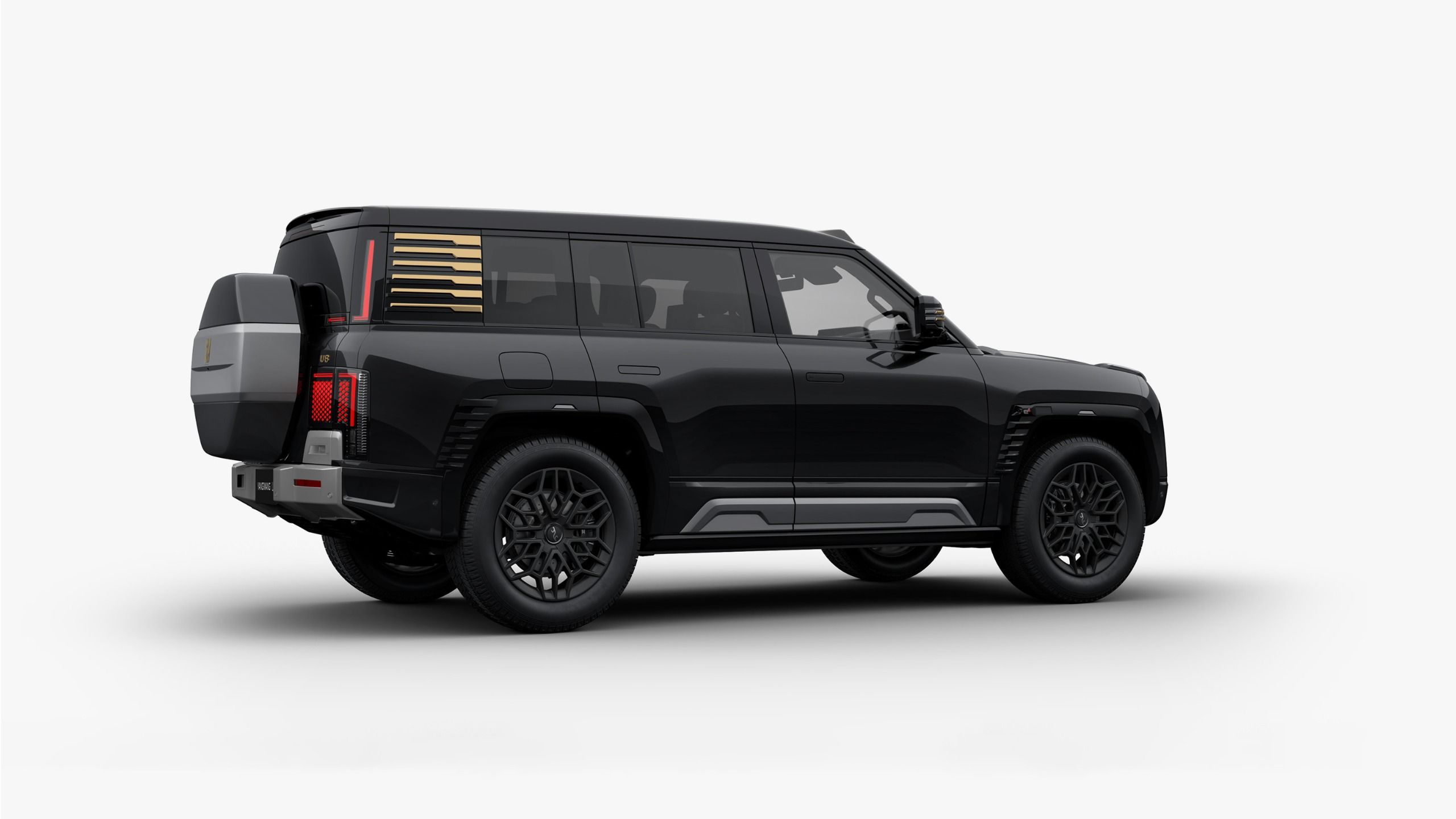
The traditional "mud-buster" market, long defined by its reliance on heritage and mechanical simplicity, is being reshaped by a cohort of manufacturers that are leveraging advanced electrification, aggressive pricing models, and design philosophies that pay homage to the boxy, brutalist aesthetic that made the Defender an icon. This is not merely a trend of aesthetic imitation; it is a strategic industrial pivot that threatens to disrupt the traditional hierarchy of the premium SUV segment in the United Kingdom.
A Historical Context of the Defender’s Dominance
The Land Rover Defender’s legacy is rooted in the post-war era, specifically with the 1948 launch of the Series I. It was designed as a utilitarian vehicle for agricultural and military use, characterized by its aluminum bodywork and ladder-frame chassis. Over the years, it evolved into a luxury status symbol, particularly with the transition to the modern, tech-heavy L663 generation.
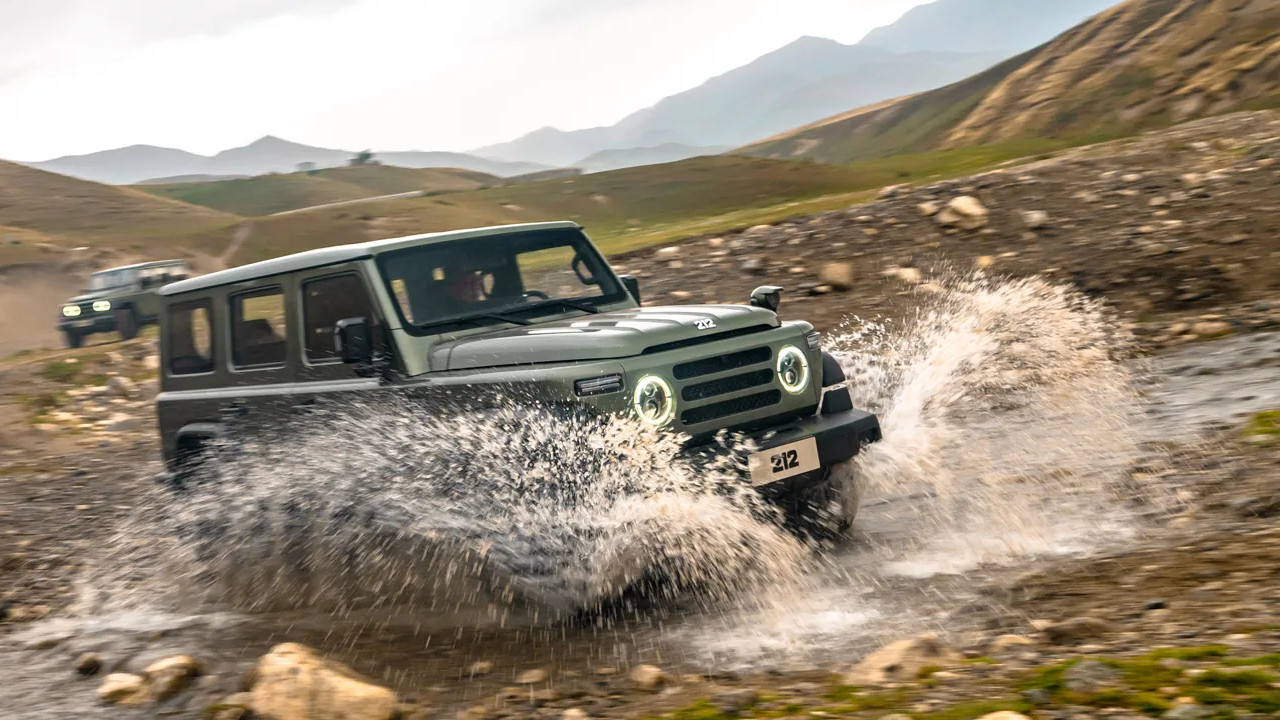
For years, Land Rover faced competition from Japanese stalwarts like the Toyota Land Cruiser and the Mitsubishi Pajero, as well as American off-roaders. Yet, none possessed the specific cultural cachet or the "waitrose-wagon" appeal that the Defender managed to cultivate. The current market, however, is witnessing an influx of Chinese manufacturers that have internalized these design cues and paired them with cutting-edge plug-in hybrid (PHEV) and battery electric vehicle (BEV) architectures.
The Influx of the Doppelgangers: A New Automotive Wave
The recent surge of Chinese off-roaders into the international market—and their subsequent targeting of the UK—is not accidental. Companies such as BYD, Chery, and BAIC are utilizing their massive domestic economies of scale to offer vehicles that, in some cases, offer superior power outputs and luxury specifications for significantly lower price points than their British counterparts.
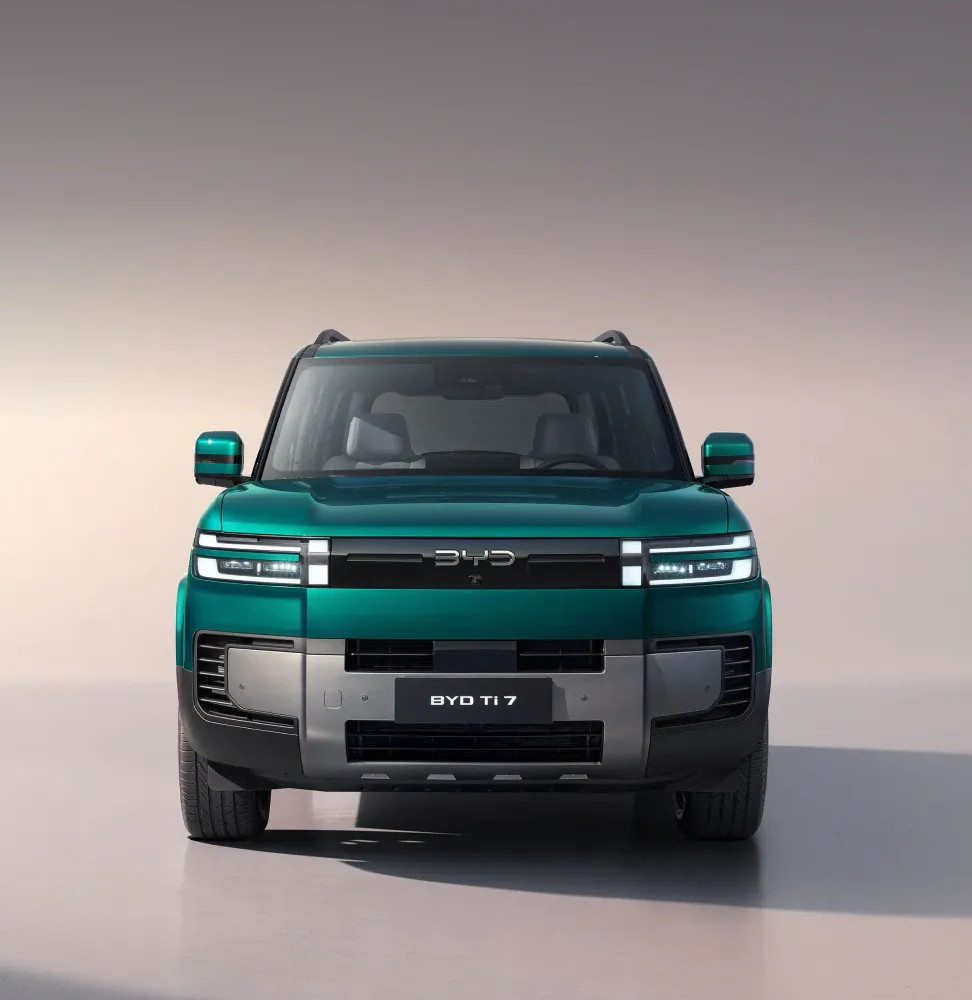
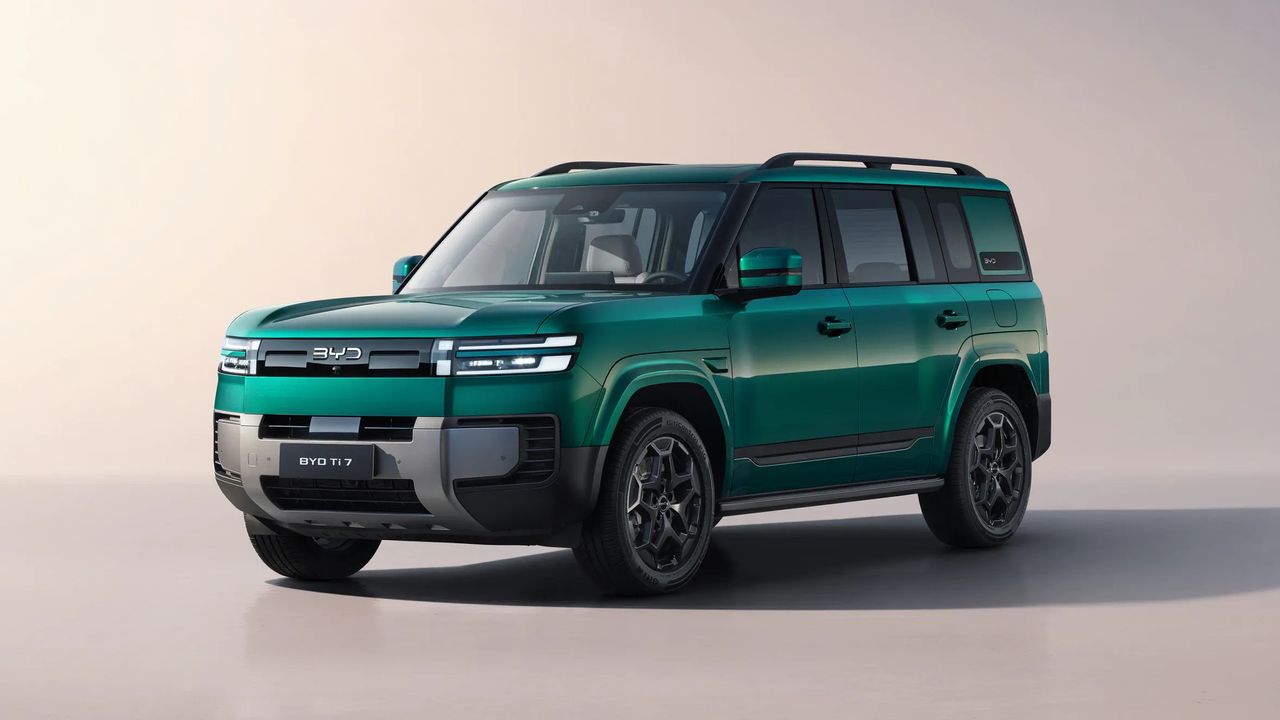
The BYD Ti7 is perhaps the most prominent example of this strategic encroachment. With a starting price under £48,000, it sits well below the entry point for a five-door Land Rover Defender, which currently begins around the £64,000 mark. Beyond the price advantage, the Ti7 utilizes a robust DM-p plug-in hybrid system, delivering 408bhp and a sub-five-second 0-62mph sprint. These figures, combined with a 74-mile electric-only range, present a formidable value proposition for the cost-conscious yet status-driven buyer.
Chronology of Market Disruption
The pivot toward these Chinese alternatives can be traced back to the late 2010s and early 2020s, as Chinese manufacturers began heavily investing in R&D to shed the stigma of "budget alternatives." By 2023, the global export of Chinese vehicles saw an unprecedented spike, with brands like Jaecoo and Chery-owned Jetour expanding their reach into Europe.
- 2023: Jaecoo establishes its presence in the UK, with the Jaecoo 7 quickly climbing sales charts to become one of the most successful imported models in its category.
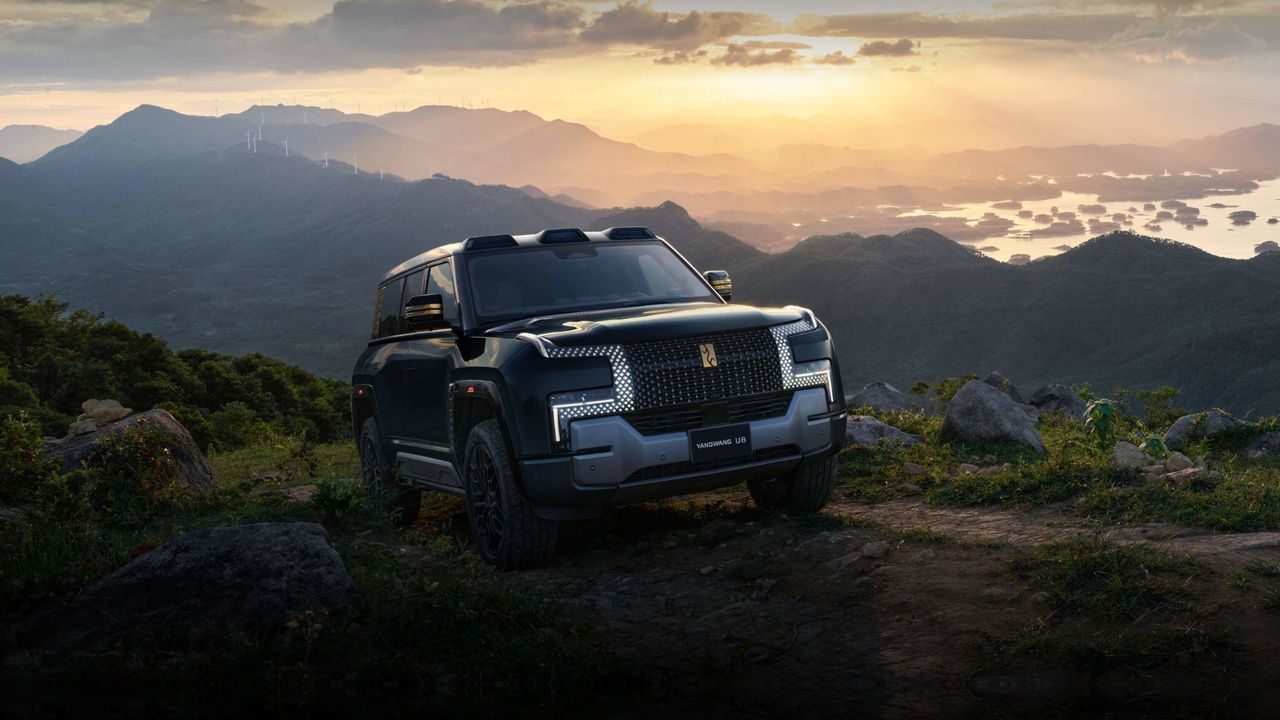
- Early 2024: The unveiling of the Yangwang U8—a luxury, high-performance SUV from BYD’s premium sub-brand—marks a turning point. Designed by former Lamborghini design chief Wolfgang Egger, the U8 introduces features like 360-degree "tank turns" and the ability to float in water, effectively raising the bar for what a modern off-roader can do.
- Late 2024: Jaguar Land Rover (JLR) responds to the changing climate by announcing a joint venture with Chery to revive the "Freelander" nameplate as a dedicated electric brand, effectively acknowledging that the market is fragmenting and requires a more agile, collaborative approach.
Data Analysis and Market Implications
The appeal of these vehicles is rooted in a fundamental shift in consumer behavior. As the UK faces a persistent cost-of-living crisis, the price-to-performance ratio offered by brands like Jetour and iCAUR (formerly known as iCAR) has become increasingly attractive.
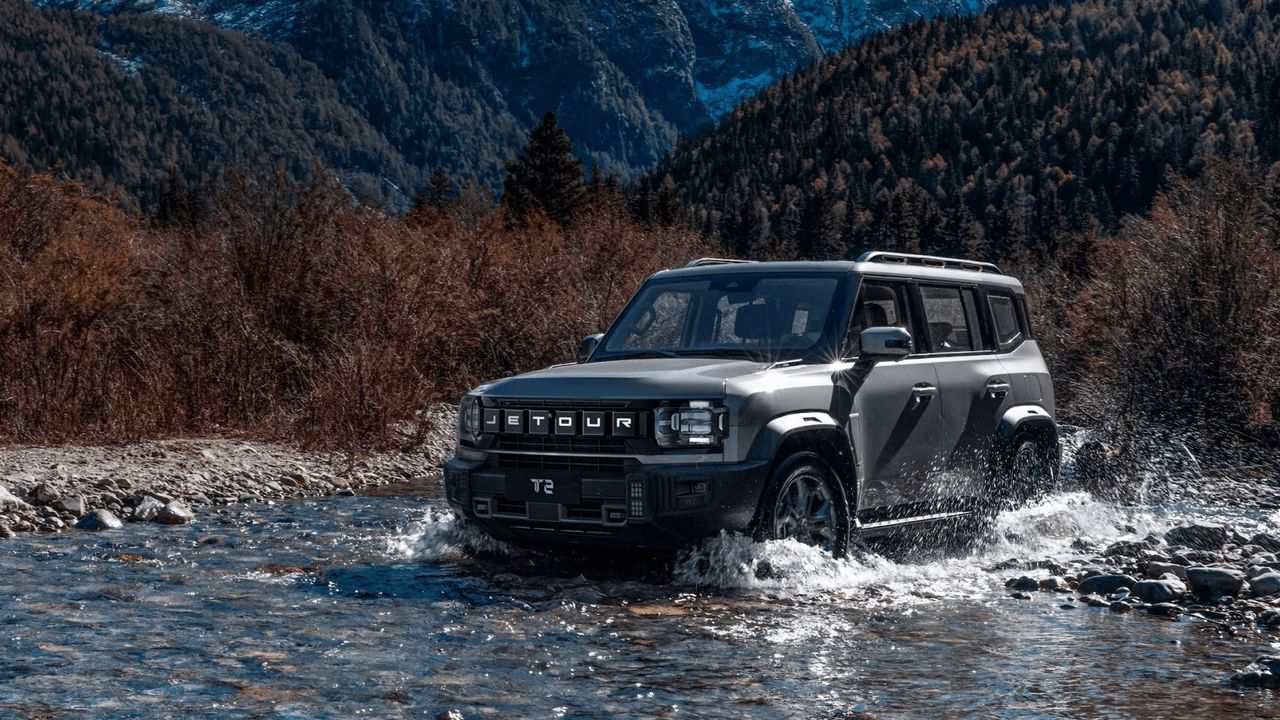
Industry data suggests that while brand loyalty to Land Rover remains strong among traditionalists, younger demographics are increasingly indifferent to the origin of the vehicle, provided the technology, design, and warranty support meet modern expectations. For instance, the Jetour T2, scheduled for a UK launch in 2027, is expected to offer a 1.5-litre turbo-diesel configuration priced at approximately £41,000—a figure that directly challenges the dominance of entry-level SUVs from established European brands.
The implications for Jaguar Land Rover are significant. While the company still commands a high premium for its engineering legacy, the democratization of "premium" features—such as air suspension, advanced terrain response systems, and luxury leather interiors—by Chinese firms is eroding the competitive moat that JLR has enjoyed for decades.
Official Responses and Strategic Alliances
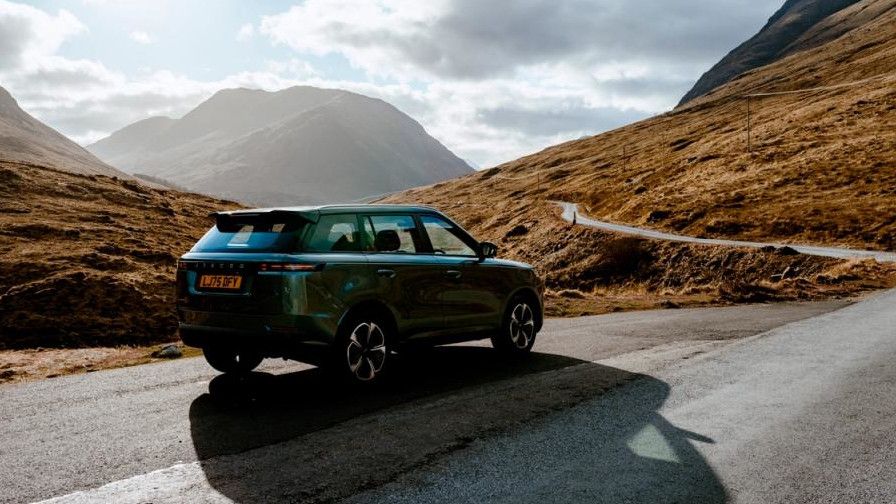
The decision by JLR to partner with Chery for the new Freelander 8 represents a "if you can’t beat them, join them" strategy. This collaboration is indicative of a broader industry trend where Western legacy manufacturers trade intellectual property and design heritage for access to Chinese manufacturing efficiency and battery technology.
The Freelander 8, unveiled at a summit in China in October, is being marketed as a full-size, luxury six-seater. By utilizing Chery’s body platform and engineering, JLR aims to recapture the market segment that was lost when the original Freelander was discontinued in 2015. However, this raises questions among analysts: is this a genuine Land Rover, or a badge-engineered Chinese vehicle?
While JLR maintains that the design language remains quintessentially British, the reality is that the Freelander 8 is a hybrid of global influences. Whether this dilution of the "pure" brand identity will satisfy loyalists or alienate them remains to be seen.
Technical Innovations and the "Cyberpunk" Aesthetic
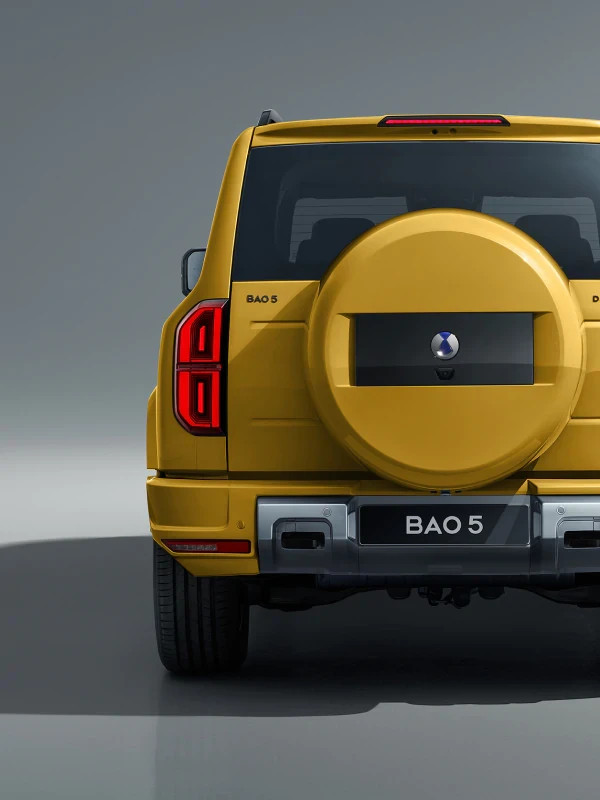
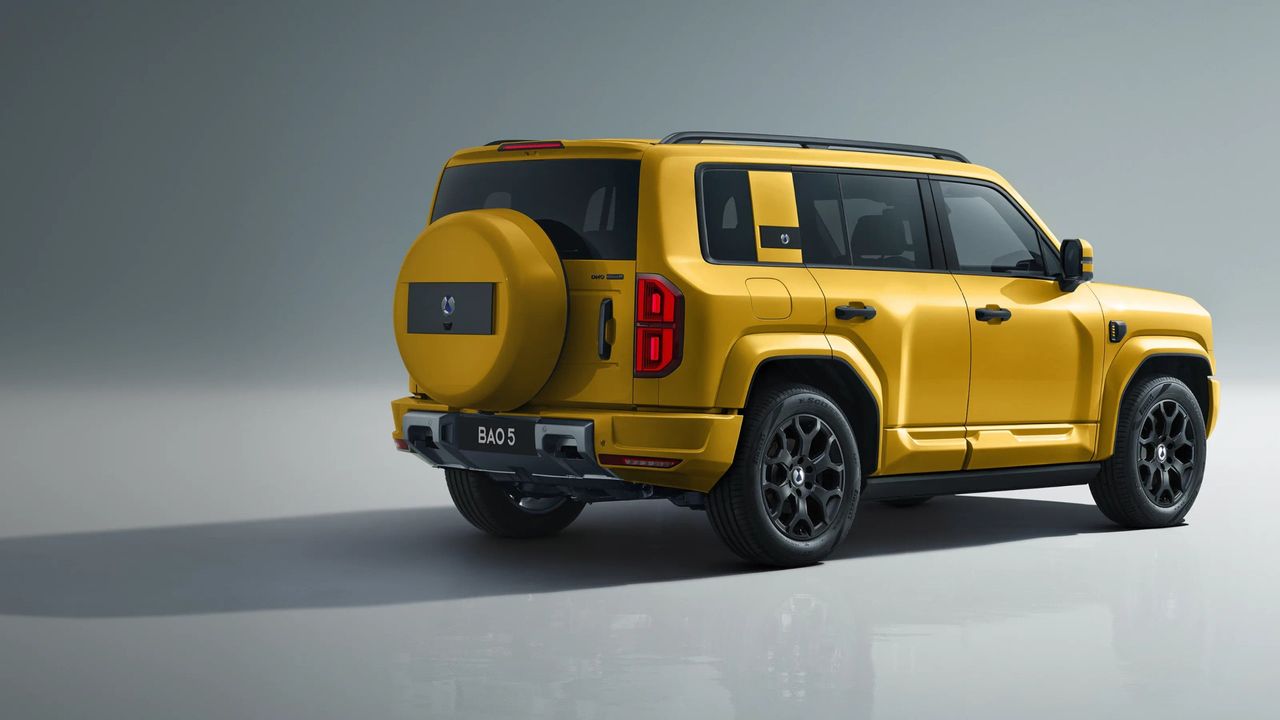
The new wave of Chinese off-roaders is not just competing on price; they are competing on technical audacity. The Denza Boa 5, for example, is a direct challenge to the high-end luxury SUV market. Despite being built on a traditional ladder-frame chassis, it incorporates a hybrid drivetrain producing 537bhp.
Similarly, the iCAUR V27, which faced a branding dispute with Apple leading to its name change for international markets, showcases a commitment to design-led engineering. By hiring top-tier designers—such as Hakan Saracoglu, who formerly worked at Porsche—these companies are ensuring that their vehicles look and feel as premium as the European models they intend to replace.
Conclusion: The Future of the Off-Road Segment
The entry of these "Defender doppelgangers" into the UK market is symptomatic of a larger transformation in the global automotive industry. The dominance of a few legacy brands is being challenged by a new, more efficient, and tech-forward generation of manufacturers.
For the consumer, this competition is undeniably positive. It forces innovation, keeps pricing in check, and accelerates the transition to more efficient, high-performance hybrid and electric drivetrains. For the established players like Land Rover, the challenge is clear: they must either evolve their business models—as seen with the Freelander 8 collaboration—or risk being relegated to a niche status while a new, more accessible breed of vehicle becomes the standard for the modern British driver.
As we look toward 2027 and beyond, the definition of what constitutes a "proper" off-roader will continue to expand. The silhouette that was once uniquely Land Rover is now a shared language of rugged, boxy design, and the race to dominate this space is only just beginning. The legacy of the original Defender is secure in history books, but its place on modern roads is currently being negotiated in boardrooms from Coventry to Shenzhen.
Related posts: