Nintendo launches massive Customer Appreciation Sale following $300 million US tariff refund victory

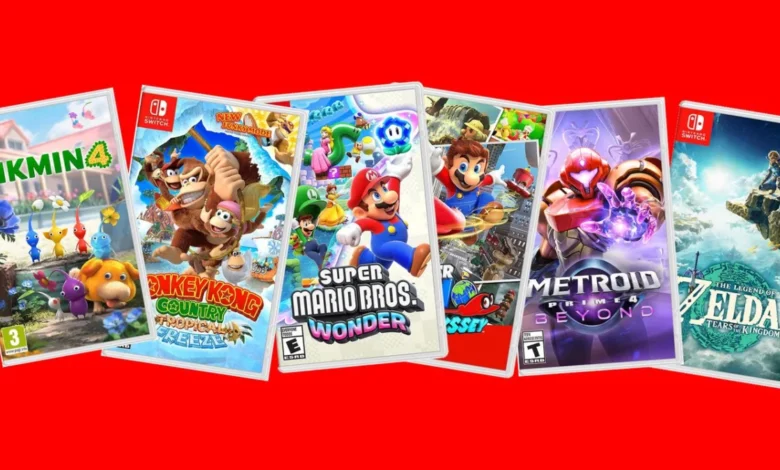
In a significant development for the gaming industry, Nintendo of America has officially launched its "Customer Appreciation Sale," a comprehensive promotional event offering deep discounts on hardware, software, and peripheral accessories across the United States. This initiative arrives in the wake of a landmark legal victory for the Japanese electronics giant, which saw the company successfully reclaim approximately $300 million in duties paid to the U.S. government. The refunds stem from a Supreme Court ruling earlier this year that deemed certain trade tariffs enacted during the Trump administration to be legally contestable, if not outright inconsistent with established trade protocols.
For the next two weeks, ending on September 26, consumers will find price reductions on a wide range of Nintendo Switch ecosystem products. While the company initially faced criticism for failing to pass these savings directly to consumers at the time the refund was finalized, this new promotion serves as a structured attempt to redistribute the value of that reclaimed capital back into the gaming community.
The Chronology of a Trade Dispute
The origins of this refund date back to 2019, when the U.S. government imposed Section 301 tariffs on a wide array of goods imported from China. As a company that relies heavily on manufacturing hubs within China to assemble its consoles, Nintendo found itself caught in the crossfire of escalating trade tensions. These tariffs added a significant surcharge to the landed cost of goods, effectively increasing the overhead for every unit of hardware imported into the United States.
For several years, Nintendo, along with a consortium of other technology firms, navigated the complex bureaucratic and legal landscape of the U.S. Court of International Trade. The contention centered on whether the U.S. Trade Representative (USTR) had acted within the scope of its authority when it expanded these tariffs. Following years of litigation, the Supreme Court’s decision to decline an appeal—effectively upholding lower court rulings against the scope of the tariffs—cleared the path for Nintendo to recoup the significant sums it had paid under protest.
The financial impact of the original tariffs was substantial. Industry analysts noted at the time that the additional costs pressured margins across the entire consumer electronics sector. For Nintendo, the $300 million refund represents a significant cash injection, which the company is now leveraging to drive end-of-lifecycle sales for its flagship Nintendo Switch console.
Scope and Details of the Promotion
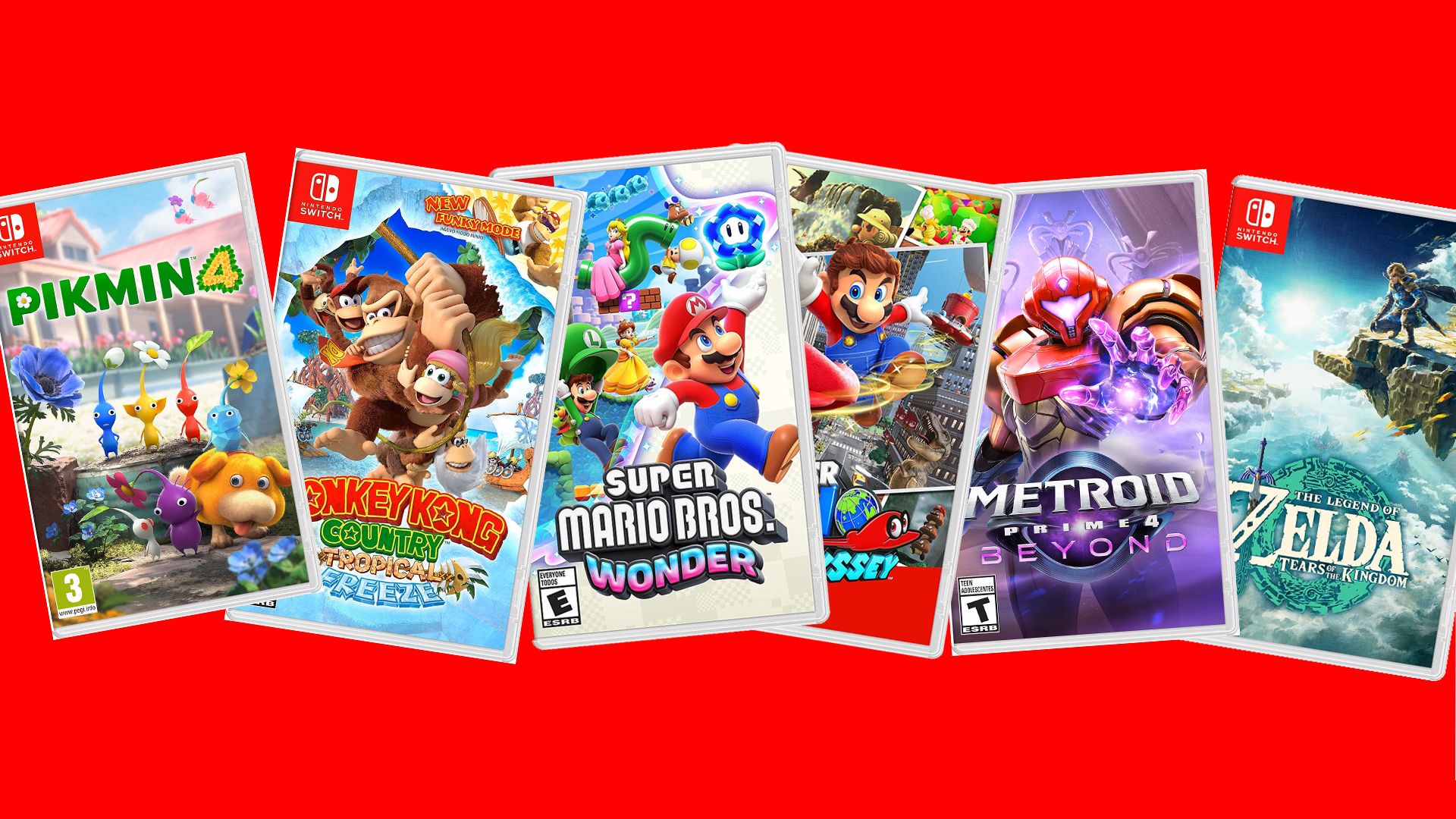
The Customer Appreciation Sale is described by Nintendo officials as one of the largest promotional events in the company’s recent history. The discounts, which are being applied across multiple retail channels, include a 30% reduction on a variety of first-party titles. These discounts cover a broad spectrum of the Nintendo library, ranging from evergreen titles that have defined the Switch generation to high-quality accessories and merchandise.
While the promotion is extensive, there are clear boundaries to the generosity. Nintendo has opted to exclude its newest and most high-profile "Switch 2" compatible releases—or cross-generational titles—from these specific discounts. This strategy serves a dual purpose: it incentivizes the movement of existing inventory while protecting the margins on upcoming or recently launched software that commands a premium price point. In addition to the official Nintendo storefront, the company has coordinated with major third-party retailers, including Amazon and Best Buy, to ensure that the promotional pricing is mirrored across the broader retail landscape.
Economic Implications for the Gaming Sector
The decision to launch this sale has drawn attention from economists and industry observers alike. Initially, when news of the $300 million refund broke earlier this year, there was significant public outcry regarding Nintendo’s apparent retention of those funds. Critics argued that since the tariffs were ostensibly intended to protect domestic industry—and subsequently passed on to consumers via higher MSRPs or reduced retail discounts—the refund should have been treated as a windfall for the consumer base.
By launching this sale, Nintendo is effectively navigating a public relations challenge. From an economic perspective, the move represents a "wealth effect" strategy. By lowering the entry price for software and accessories, the company is encouraging higher software attachment rates, which increases the long-term profitability of the installed base of consoles. This is particularly important as the industry looks toward the next generation of hardware; maximizing the "life" of the current Switch ecosystem ensures that consumers remain engaged with the brand, making them more likely to purchase future hardware iterations.
Furthermore, this move provides a buffer against the current inflationary environment. With consumer discretionary spending under pressure due to broader economic factors, the targeted discounts on gaming products serve as a strategic hedge, ensuring that Nintendo remains a competitive option for households balancing entertainment budgets.
Official Response and Corporate Strategy
In an official statement accompanying the launch, Nintendo representatives framed the event as a gesture of gratitude. "This is our way of saying thank you to Nintendo players for their continued support, and it is made possible in part by the tariff-related refunds we have secured," the statement noted. While the phrasing avoids the language of "reparations" for the price hikes consumers endured during the tariff era, it acknowledges the link between the legal win and the current sale.
Industry experts suggest that Nintendo’s reticence to distribute the $300 million as a direct cash rebate was a calculated decision. Managing a direct rebate program would have been a logistical nightmare, potentially costing millions in administration and verification. By instead opting for a broad-scale discount event, Nintendo achieves two goals: it clears warehouse inventory of older stock and fosters goodwill with its most loyal customers without the overhead costs of a traditional rebate program.
Looking Toward the Future
The current promotion also highlights a broader shift in the gaming hardware lifecycle. As the Nintendo Switch nears the end of its dominant run, the focus of the company is shifting toward retention and ecosystem health. For those who have yet to invest in the hardware, or who are waiting for the right moment to expand their library, this sale serves as a bridge.
For consumers currently evaluating their options, the market remains robust. While the industry is abuzz with speculation regarding the technical capabilities of the upcoming Switch successor, the current Switch model remains a viable, highly capable machine for both digital art enthusiasts and casual gamers. Those interested in how the current hardware continues to serve professionals in creative fields can look to recent deep-dives into the console’s utility, which highlight its longevity and versatility as a piece of digital equipment.
Summary of Market Impact
The $300 million refund case will likely be studied as a case study in corporate legal strategy for years to come. It demonstrates the persistence required to challenge government-imposed trade barriers and the eventual utility of those funds in consumer-facing operations. For now, the US gaming community stands to benefit from a temporary decrease in the cost of entry for one of the most successful gaming platforms in history.
As the sale concludes on September 26, the long-term impact on Nintendo’s quarterly earnings will be monitored closely by investors. If the promotion successfully drives volume, it may well set a new standard for how large corporations handle regulatory windfalls in the future. For the consumer, however, the priority remains the immediate value proposition: a chance to acquire software and hardware that were previously subject to inflated, trade-war-driven pricing at a significant discount. Whether this will satisfy the critics who demanded a more direct form of restitution remains to be seen, but as a market-driven solution, it provides a tangible, albeit indirect, benefit to the millions of users who support the Nintendo platform.