London Fashion Week Aims for a Creative Renaissance as It Unveils a High-Stakes Spring/Summer 2027 Schedule

As the fashion industry converges on the British capital this week, London Fashion Week (LFW) is positioning itself as a rejuvenated epicenter for global design. Kicking off on 17 September 2026, the five-day event marks a pivotal moment for the British Fashion Council (BFC) under the strategic direction of CEO Laura Weir. In an era where the major fashion capitals are increasingly differentiated—Paris often synonymous with established luxury, and Milan with deep-seated textile heritage—Weir is doubling down on London’s historical reputation as a laboratory for avant-garde experimentation and radical creative exchange.
The S/S 2027 edition arrives with significant momentum, characterized by a recalibrated schedule that balances the return of historic heavyweights with the nurturing of high-potential emerging talent. With 47 runway shows and 23 presentations, the event serves as a bellwether for the health of the UK’s fashion economy, which, despite broader macroeconomic headwinds, continues to punch above its weight in global cultural influence.
A Strategic Pivot: The Return of Heritage Icons
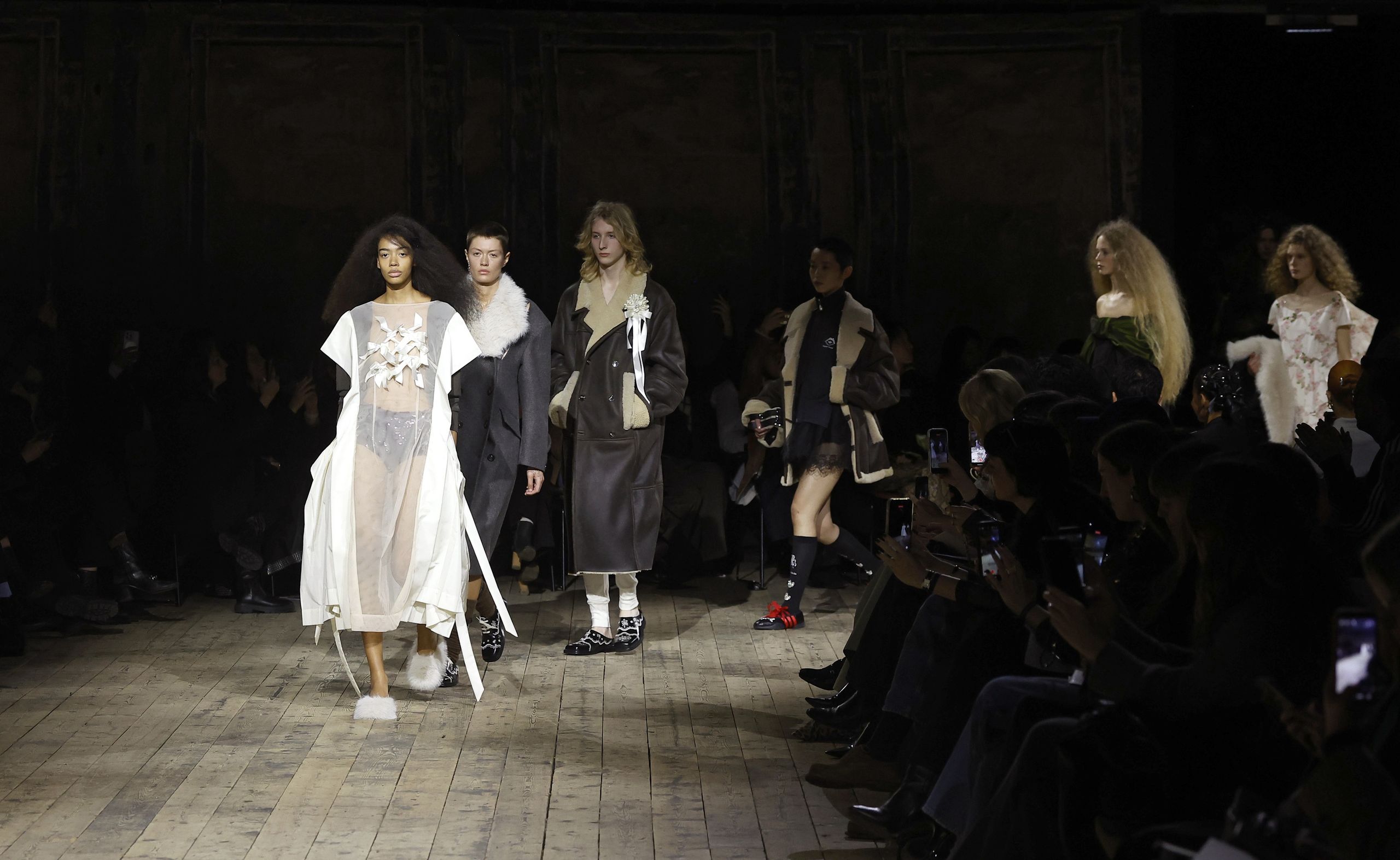
The most significant development for this season is the return of Alexander McQueen to the London stage. Under the creative stewardship of Irish designer Seán McGirr, the house will present its latest collection at Lincoln’s Inn on Sunday, 20 September. This move is a major diplomatic and commercial victory for the BFC. For decades, McQueen—founded by the late Lee Alexander McQueen—has been a cornerstone of the Paris Fashion Week schedule. While it is not yet confirmed if this return to the brand’s home turf is a permanent shift, the decision to showcase in London underscores the city’s enduring pull for heritage houses looking to reconnect with their roots.
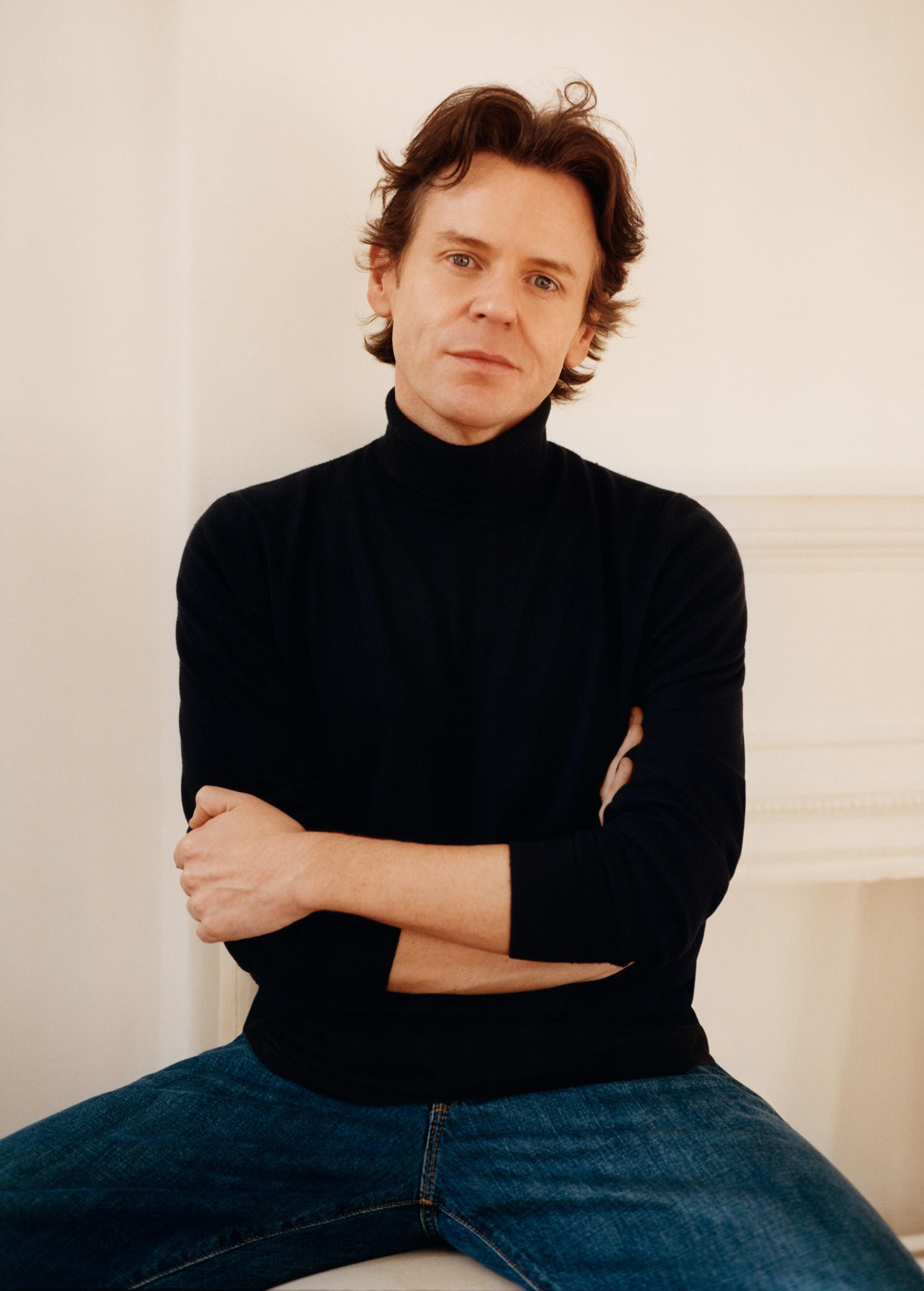
Simultaneously, the return of Mulberry to the physical runway after a nearly decade-long hiatus marks another critical inflection point. The brand, a staple of British luxury, has appointed the acclaimed Scottish designer Christopher Kane as its new creative director. The appointment of Kane, whose own eponymous label ceased operations in 2023, is widely viewed as a shrewd move to inject a sense of contemporary edge into the heritage manufacturer. The industry has been waiting for a signal of intent from the brand, and the choice of a high-profile, independent-minded designer like Kane suggests that Mulberry is looking to pivot toward a more fashion-forward, design-led identity.
The Changing Guard of Talent Incubation
London’s reputation as the primary incubator for the world’s most influential designers remains intact, largely due to the work of platforms like Lulu Kennedy’s Fashion East. For over two decades, this organization has acted as a launchpad for designers who have gone on to lead major global houses, including Jonathan Anderson, Kim Jones, and Grace Wales Bonner.
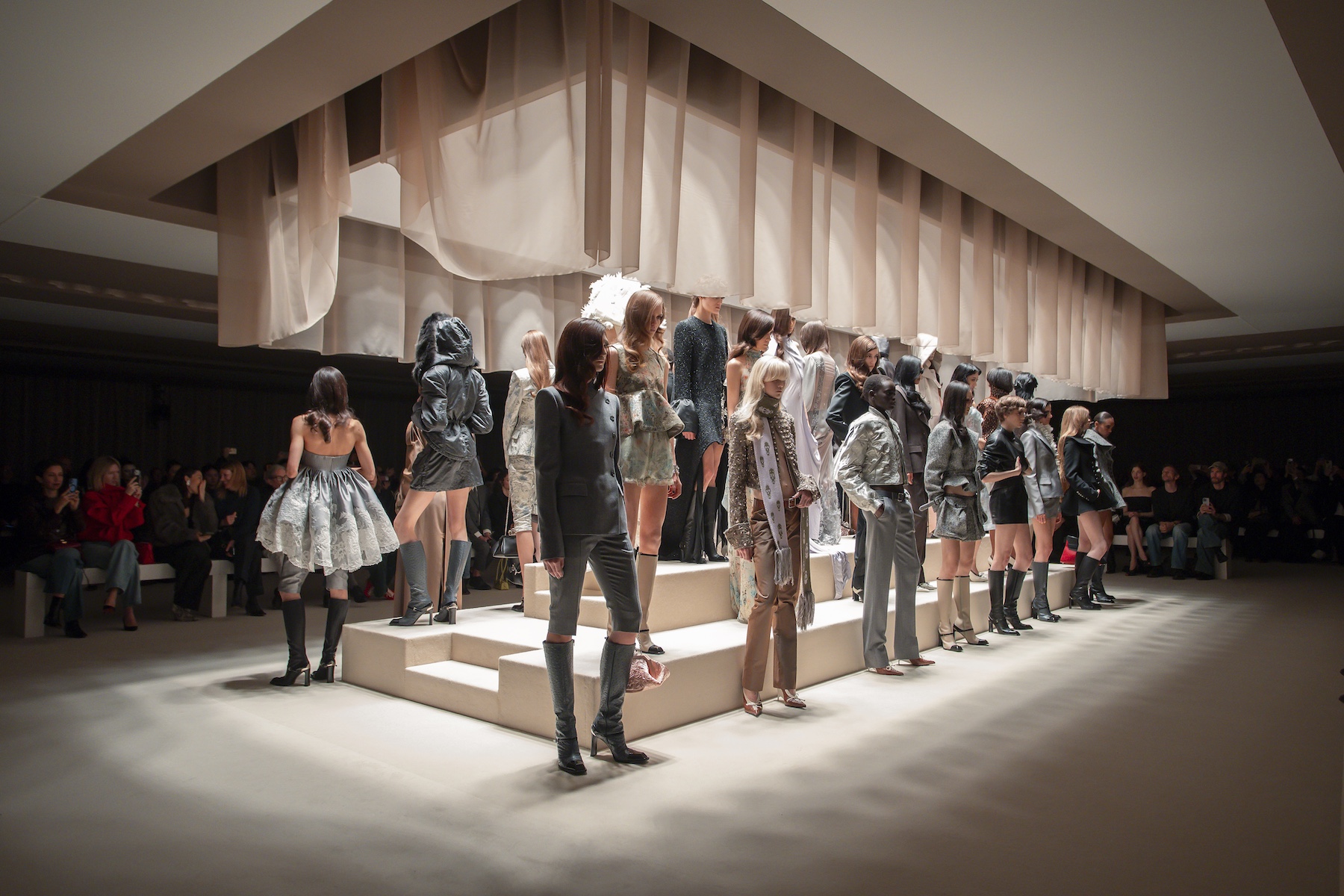
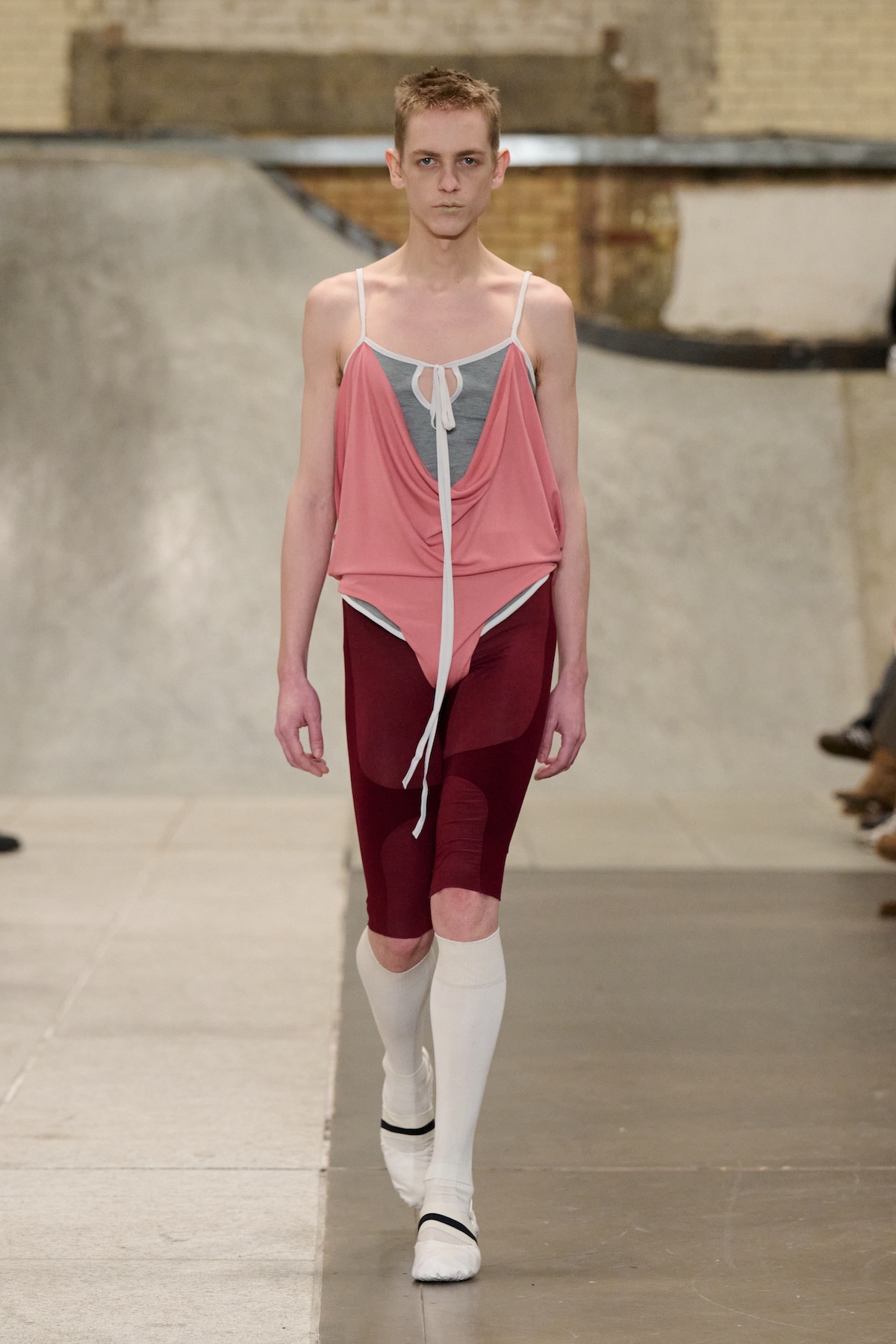
For the S/S 2027 season, the Fashion East lineup at the Manor Place venue includes Jacek Gleba, returning for his third season; Traiceline Pratt’s label, Goyagoma; and the debut of Mé Mé by designer Mé Mé Yin. This selection process is critical for the long-term sustainability of the London fashion ecosystem. By providing financial backing and technical support to these designers, the BFC and its partners ensure a steady pipeline of creative talent. The involvement of Nike and Palace Skateboards in the curation of the show space highlights the increasingly blurred lines between luxury, sportswear, and streetwear—a fusion that London has long pioneered.
Global Outreach and South Asian Influence
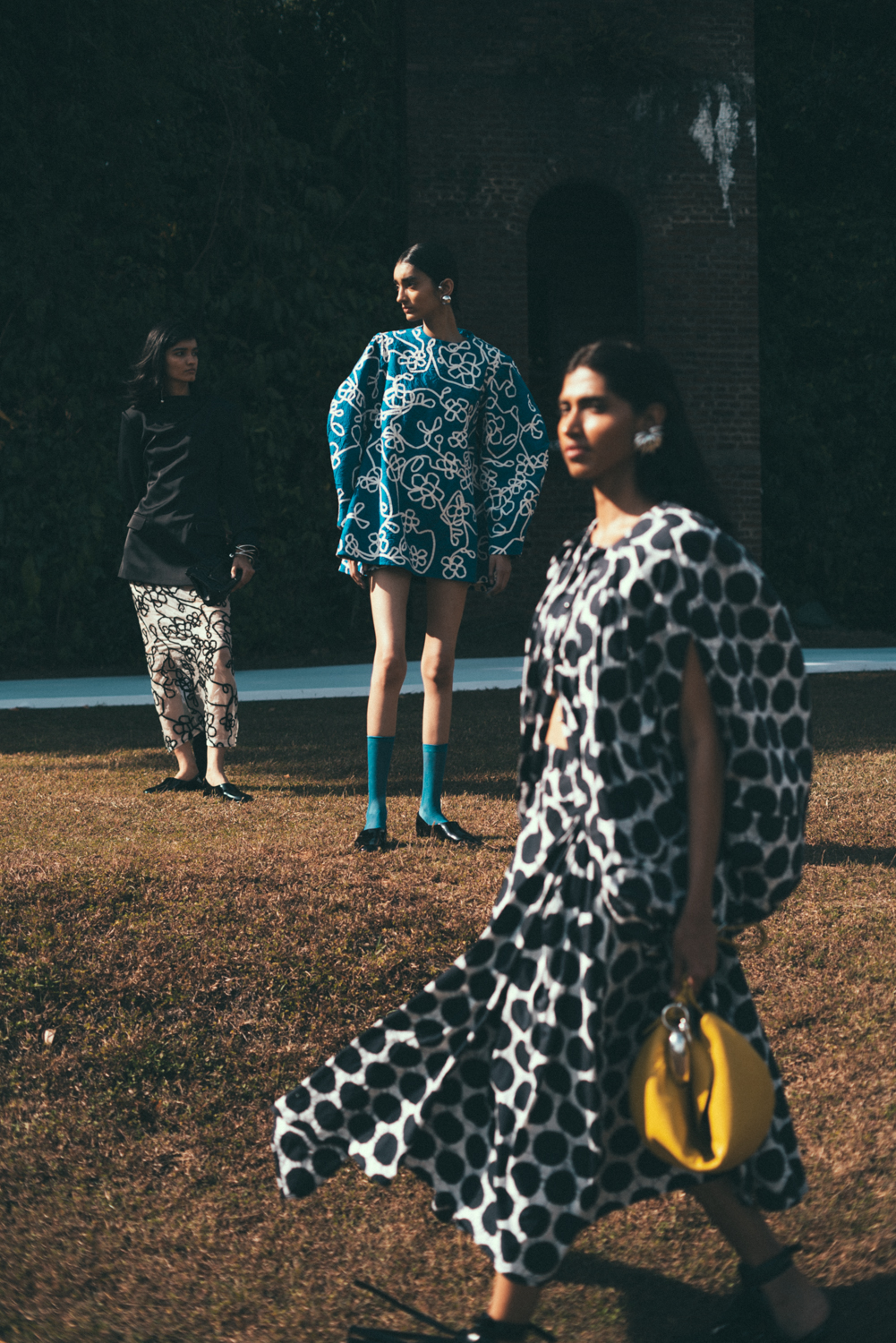
The international scope of this season is further bolstered by the debut of the Indian label Lovebirds. Helmed by Amrita Khanna and Gursi Singh, the brand represents a growing trend of South Asian designers seeking to influence the global luxury market from a London base. Their presence on the schedule follows in the footsteps of other regional success stories, such as Raw Mango, and signifies a broader shift in the international fashion landscape.
As Gursi Singh noted in recent discussions, there is a palpable increase in global appetite for the specific aesthetic languages emerging from South Asia. By showing in London, Lovebirds is not only expanding its retail footprint but also participating in a cross-cultural dialogue that is essential to the future of the global fashion market. This move reflects a broader BFC strategy to position London as the most inclusive and globally connected fashion capital, welcoming talent from diverse geographic and cultural backgrounds.
The Burberry Trench: A Historical Reflection
While the week is focused on the future of design, it is also a moment for the industry to reckon with its history. Burberry, arguably Britain’s most globally recognized brand, is leveraging the fashion week platform to open an exhibition at the Victoria and Albert Museum (V&A). Titled The Burberry Trench: Crafting an Icon, the exhibition provides an exhaustive look at the history of the trench coat, from its military origins to its transformation into a symbol of modern, high-fashion utility.
The exhibition, which opens on 21 September, is a strategic branding exercise that reinforces the intersection of fashion and public history. For a house like Burberry, which has undergone several creative transformations under directors like Christopher Bailey, Riccardo Tisci, and now Daniel Lee, the V&A partnership serves to anchor the brand in the narrative of British design history. It is a reminder that even as the industry chases the new, the value of heritage—when effectively managed—remains the bedrock of the luxury business model.
Economic and Industry Implications
The broader implications of this LFW edition are tied to the economic realities facing the creative sector. Recent data from the BFC indicates that the UK fashion industry contributes billions to the national economy, supporting hundreds of thousands of jobs. However, the industry faces challenges related to supply chain volatility, sustainability regulations, and the need for digital transformation.
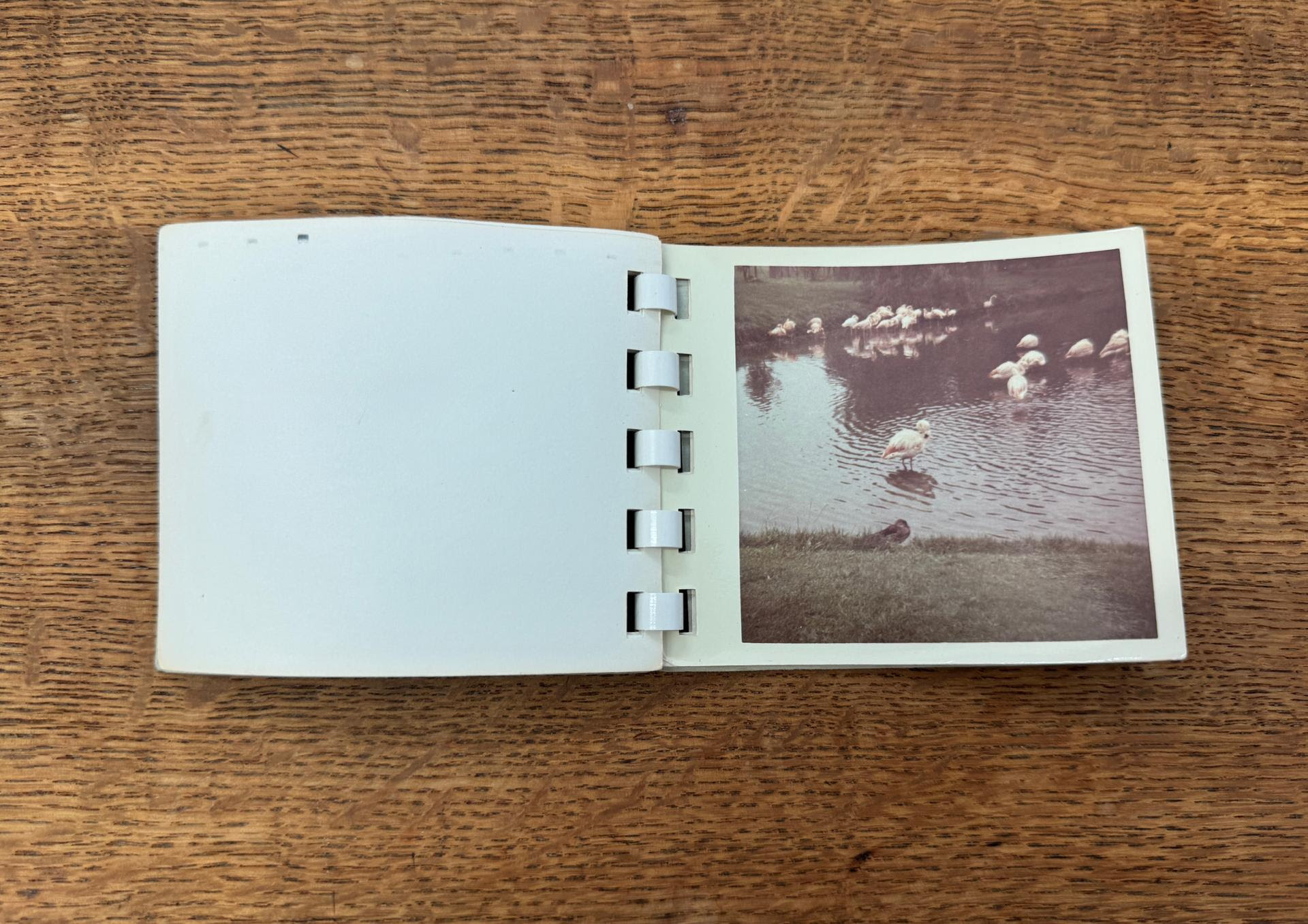
Laura Weir’s vision of London as a "laboratory for innovation" is not merely rhetorical. It is a necessary framework for survival in a global market where cost-cutting and consolidation are the norms. By encouraging experimental design—such as the paper-based garments showcased by the brand A Letter, led by Matt Empringham and Freddy Coomes—the BFC is attempting to prove that London’s value proposition is its ability to innovate faster and more disruptively than its counterparts in Paris or Milan.
Chronology of Key Events
- 17 September: Official opening of London Fashion Week S/S 2027.
- 18 September: Showcase of the new Fashion East lineup, followed by the debut of A Letter at the Rose Easton Gallery.
- 20 September: The return of Alexander McQueen, directed by Seán McGirr, at Lincoln’s Inn, followed by the Mulberry show featuring Christopher Kane’s creative debut.
- 21 September: The Burberry S/S 2027 runway show, followed by the public opening of The Burberry Trench: Crafting an Icon at the V&A Museum.
The Role of Emerging Designers
The inclusion of brands like A Letter on the official schedule is a testament to the BFC’s commitment to scouting high-pedigree talent. Empringham and Coomes, both alumni of the JW Anderson ecosystem, represent the new generation of London-based designers who are as much focused on material research and surrealist construction as they are on commercial viability. Their work, which often experiments with unconventional materials, is indicative of a wider trend among young designers to challenge the traditional manufacturing paradigms of the fashion industry.
Official Stance and Industry Sentiment
Speaking on the eve of the event, Laura Weir emphasized the resilience of the British fashion sector. "This season marks an exciting moment for London Fashion Week, with the return of leading British brands alongside an exceptional new generation of creative talent," she stated. "The schedule reflects the confidence and momentum of British fashion today, bringing together established houses, emerging designers, and industry partners on a platform that continues to shape global fashion."
The sentiment among industry insiders is one of cautious optimism. While the loss of legacy shows in previous seasons caused concern, the current lineup—characterized by a healthy mix of established powerhouses and high-potential newcomers—suggests a stabilization of the LFW schedule. The return of McQueen and the debut of Kane for Mulberry are the most significant positive indicators that the British fashion industry remains a critical destination for global investment and creative talent.
Conclusion: A Laboratory for the Future
As London Fashion Week unfolds, the eyes of the global fashion media will be on whether this "renaissance" can deliver long-term growth. The success of this week will be measured not just by the aesthetic impact of the runway shows, but by the ability of these brands to navigate the complex commercial landscape of 2026 and beyond. By centering innovation, cultural exchange, and the marriage of heritage with disruptive design, London is making a clear case for its continued relevance. The city’s ability to remain the industry’s most daring laboratory will depend on its capacity to sustain this delicate balance between the institutions that define its past and the emerging voices that will dictate its future.