Apple’s September Event Marks a New Era with the Launch of the iPhone Duo and the A20 Pro Chip

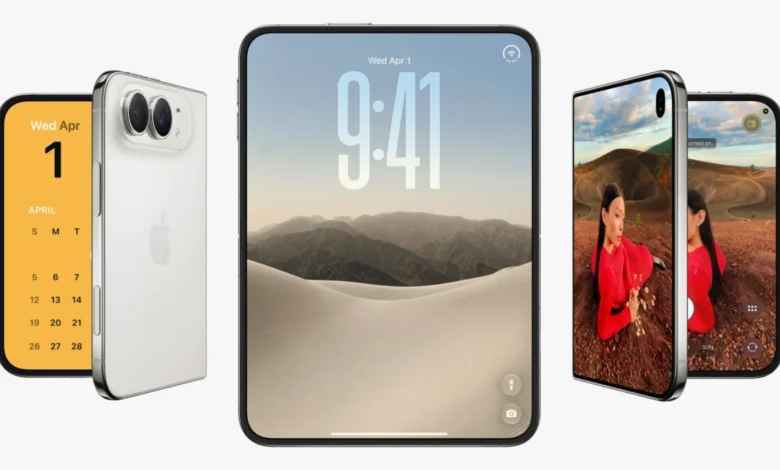
The September Event held at Apple Park this year will be remembered as a pivotal inflection point in the company’s history, signaling not only a transition in leadership but a fundamental shift in its hardware philosophy. With John Ternus stepping onto the stage as the new CEO, succeeding Tim Cook, the presentation served as a comprehensive manifesto for Apple’s next decade. The headline announcement was the debut of the iPhone Duo, Apple’s first foray into the foldable smartphone market, accompanied by the high-performance iPhone 18 Pro and 18 Pro Max, the Apple Watch Series 12, the rugged Ultra 4, and the fifth-generation AirPods.
The Strategic Evolution of the iPhone Duo
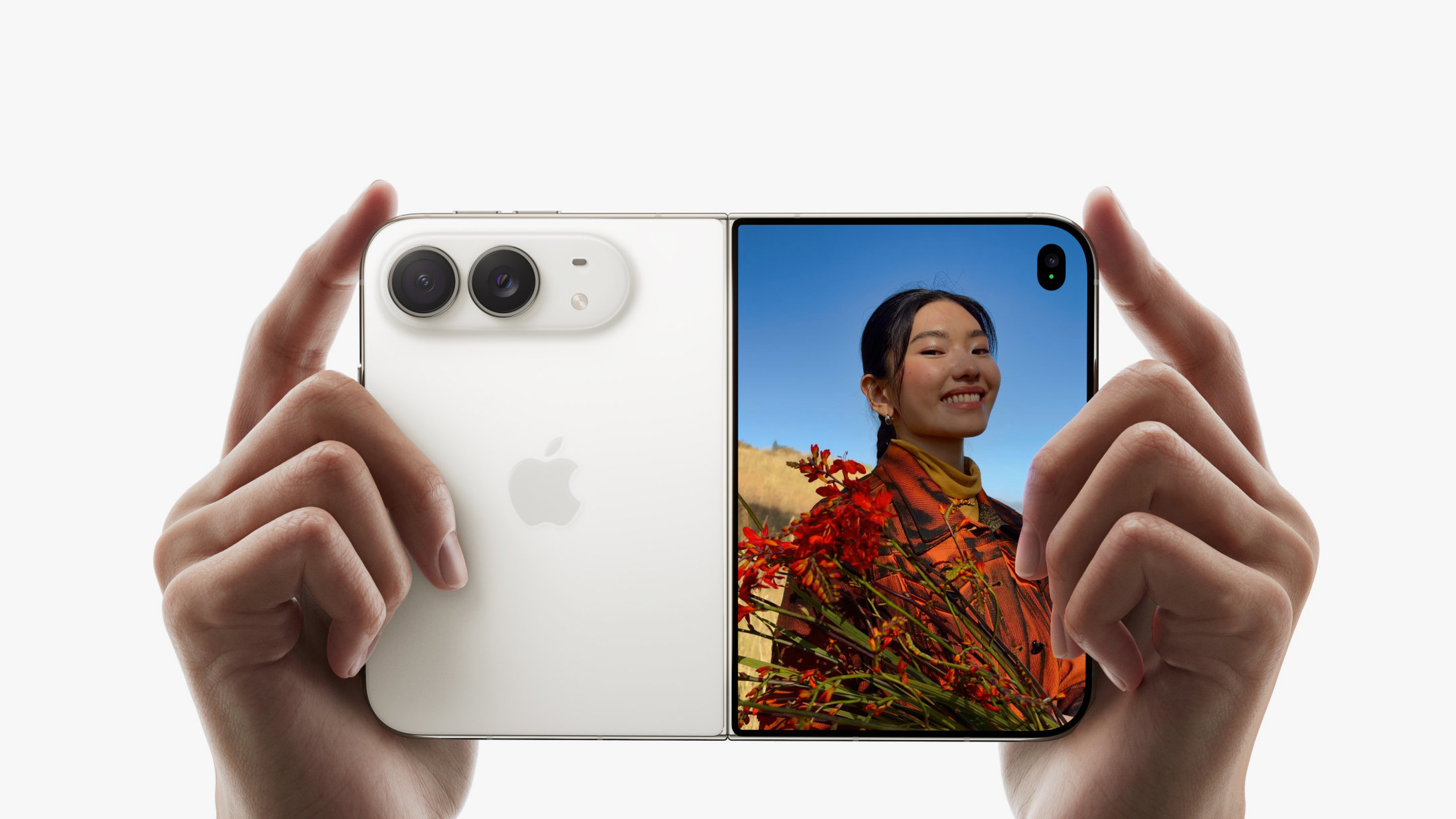
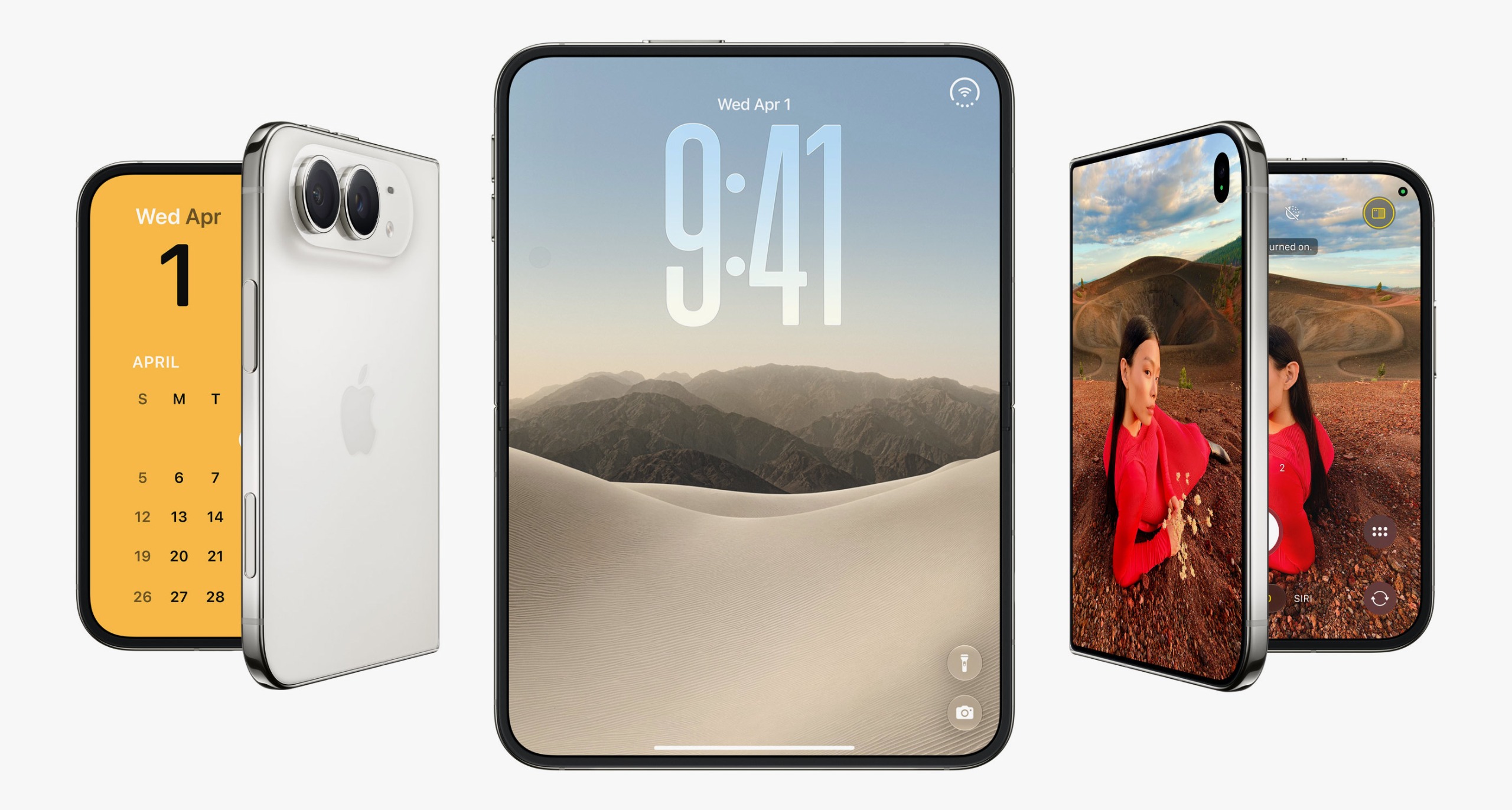
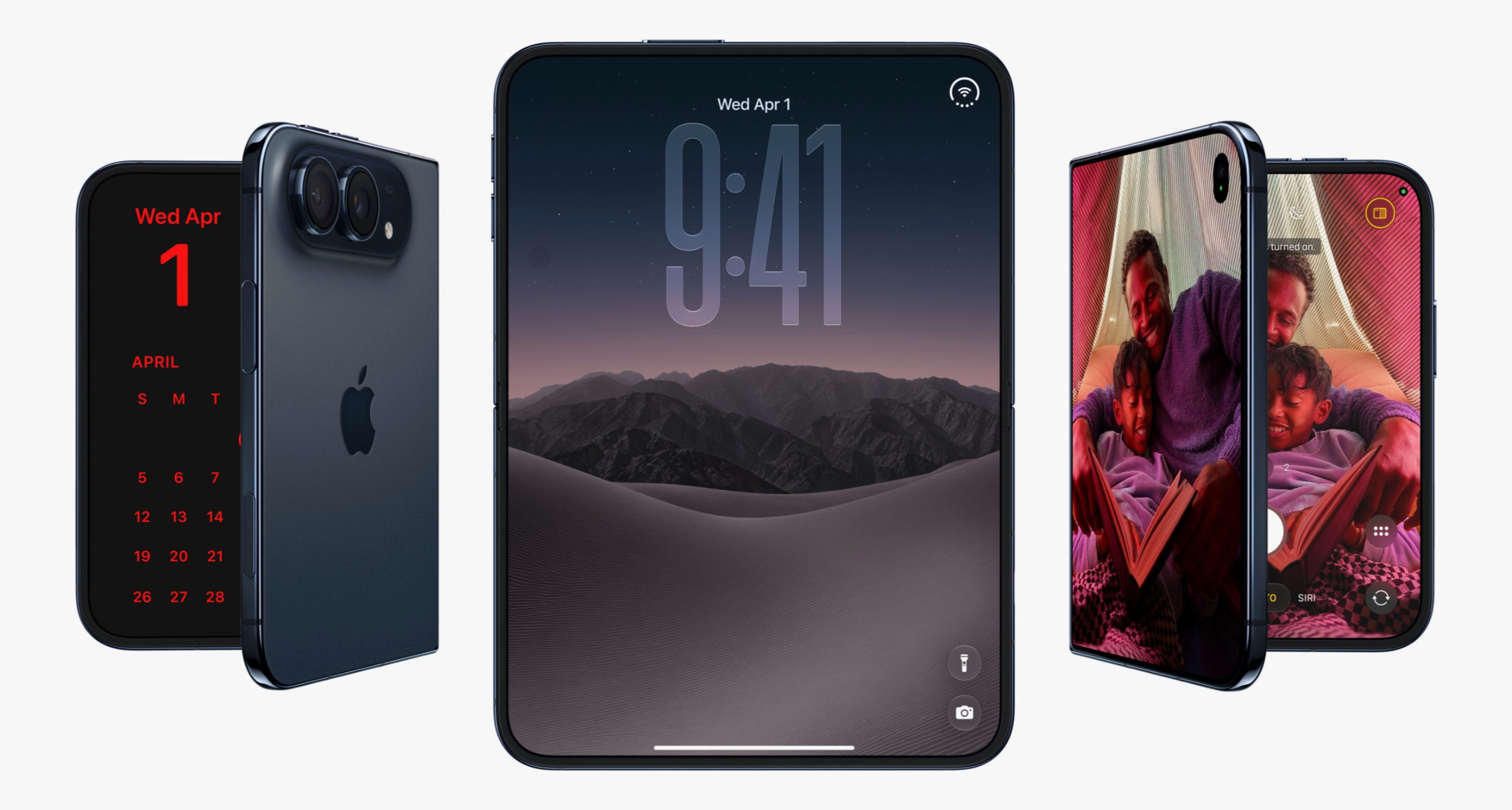
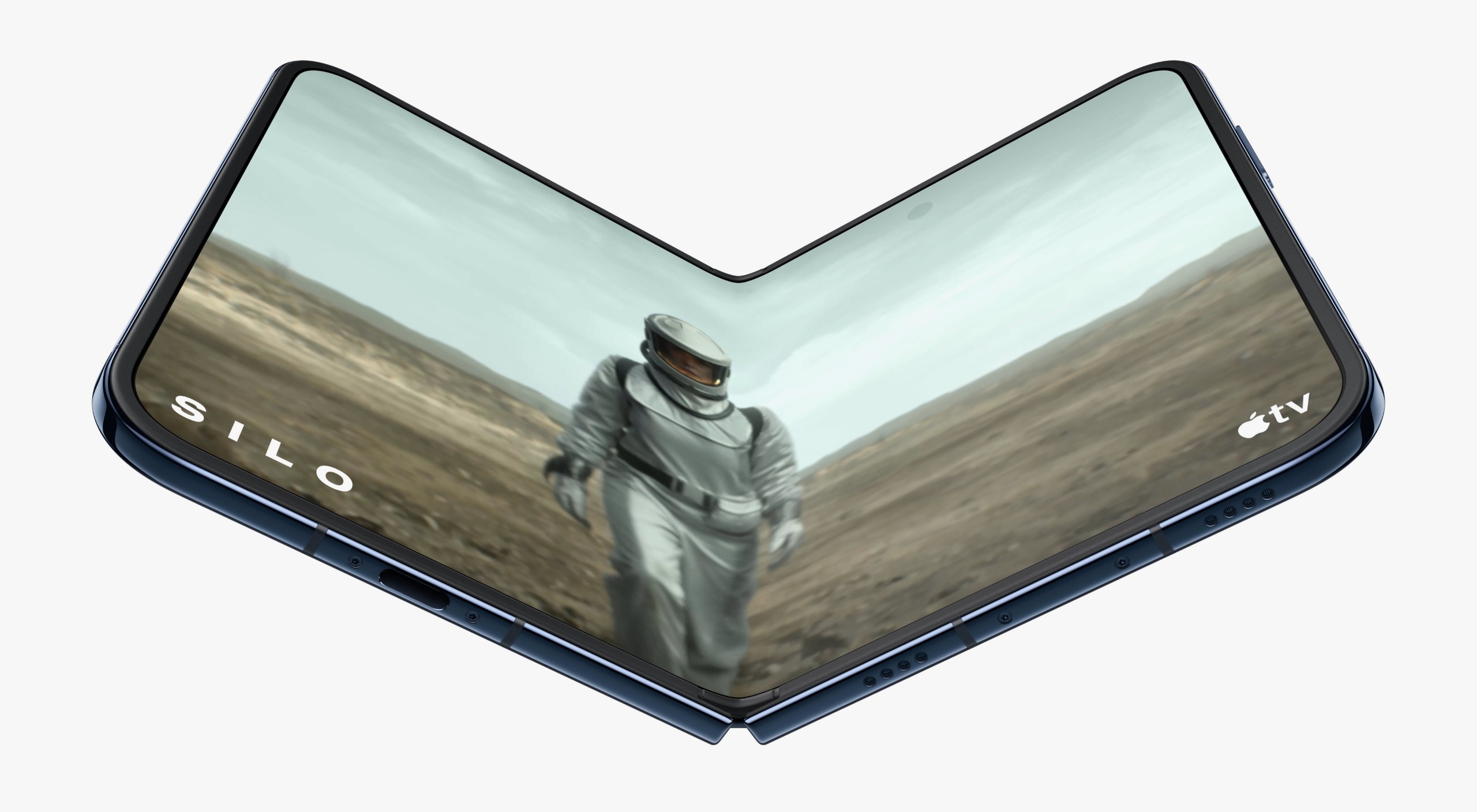
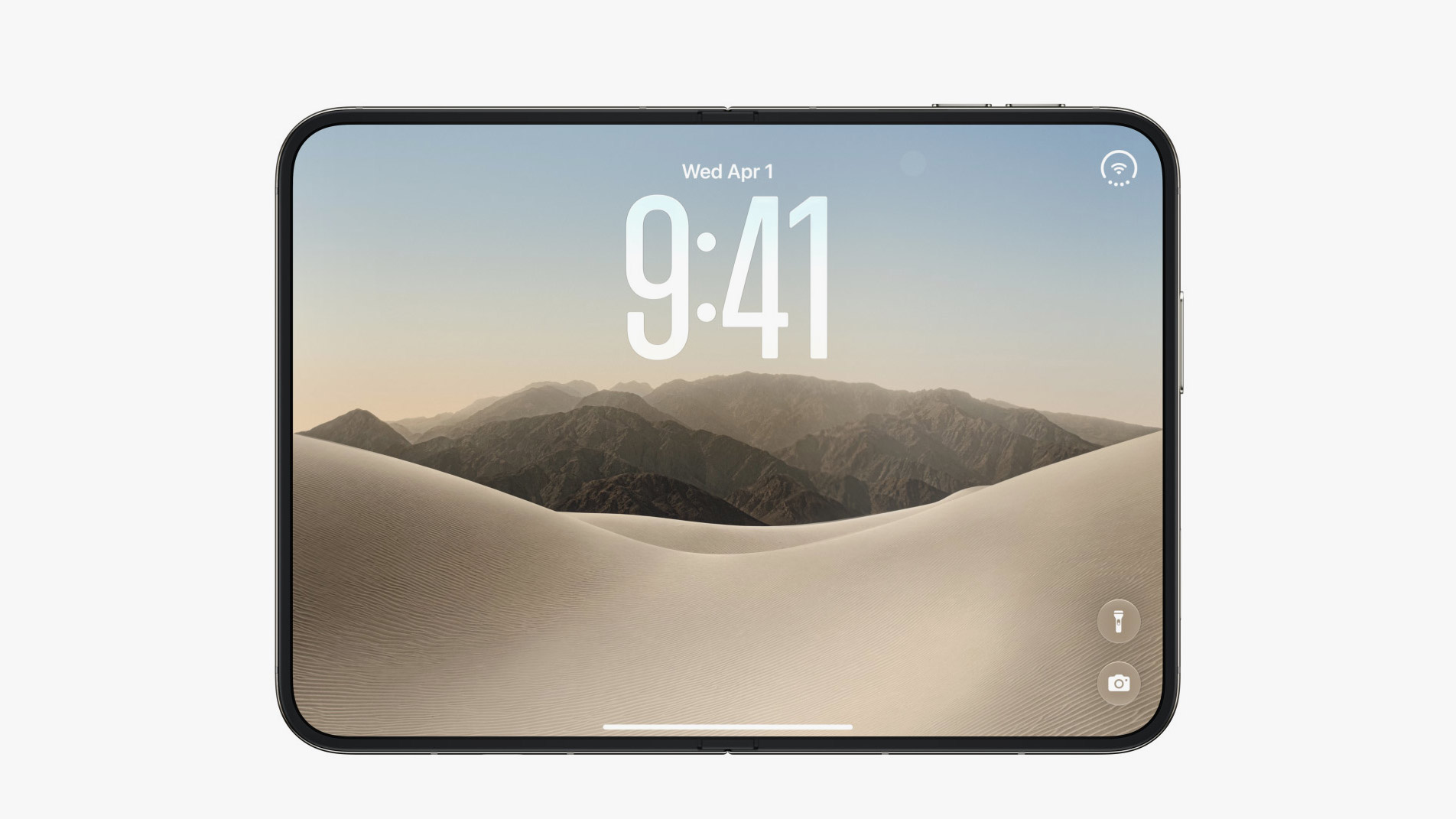
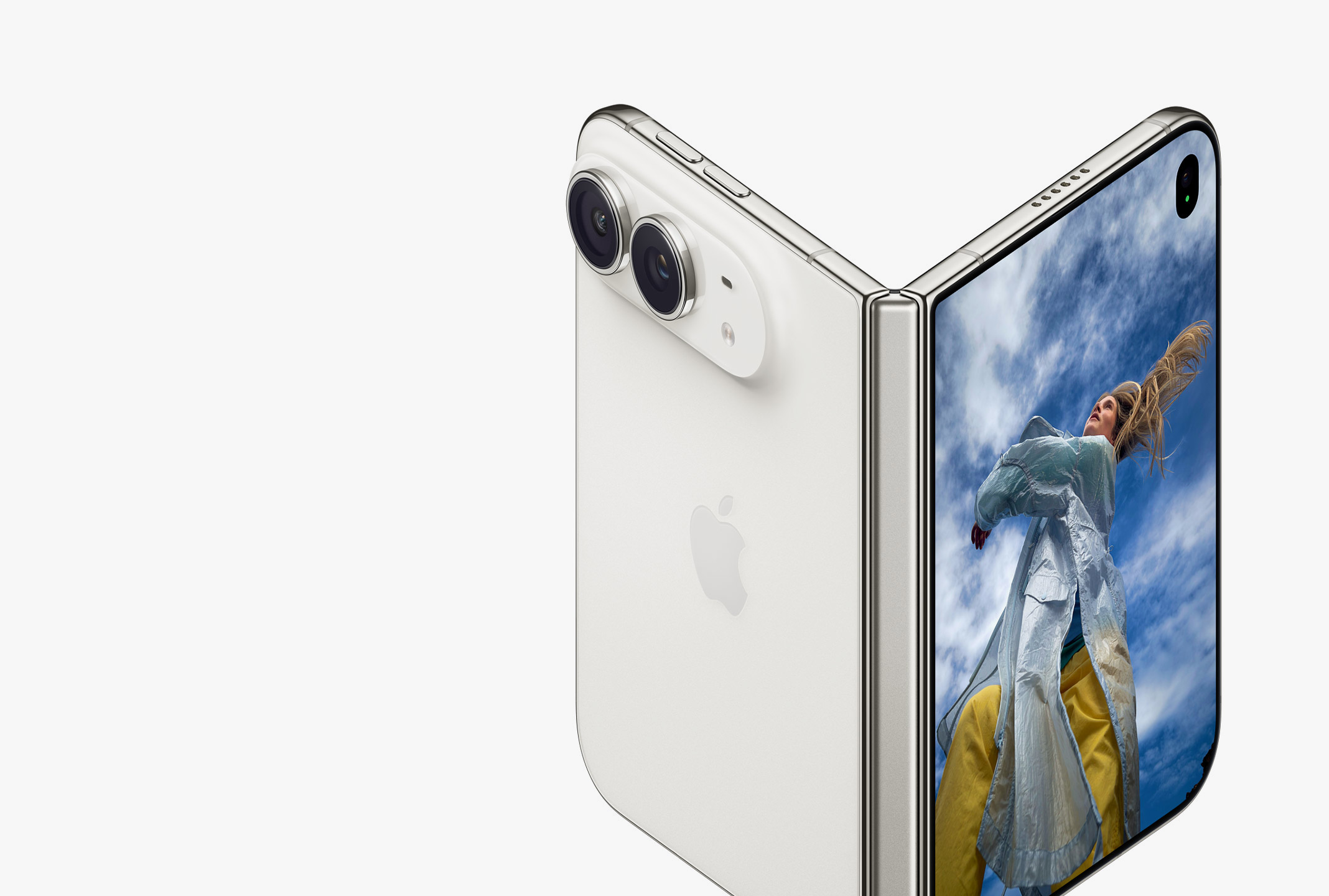
The unveiling of the iPhone Duo effectively ended years of industry speculation regarding whether Apple would enter the folding device segment. By positioning the Duo as a "passport-sized" device that unfolds into a 7.6-inch display, Apple has attempted to resolve the common criticisms leveled at existing foldables—namely, that they often feel like two separate devices forced into one chassis.
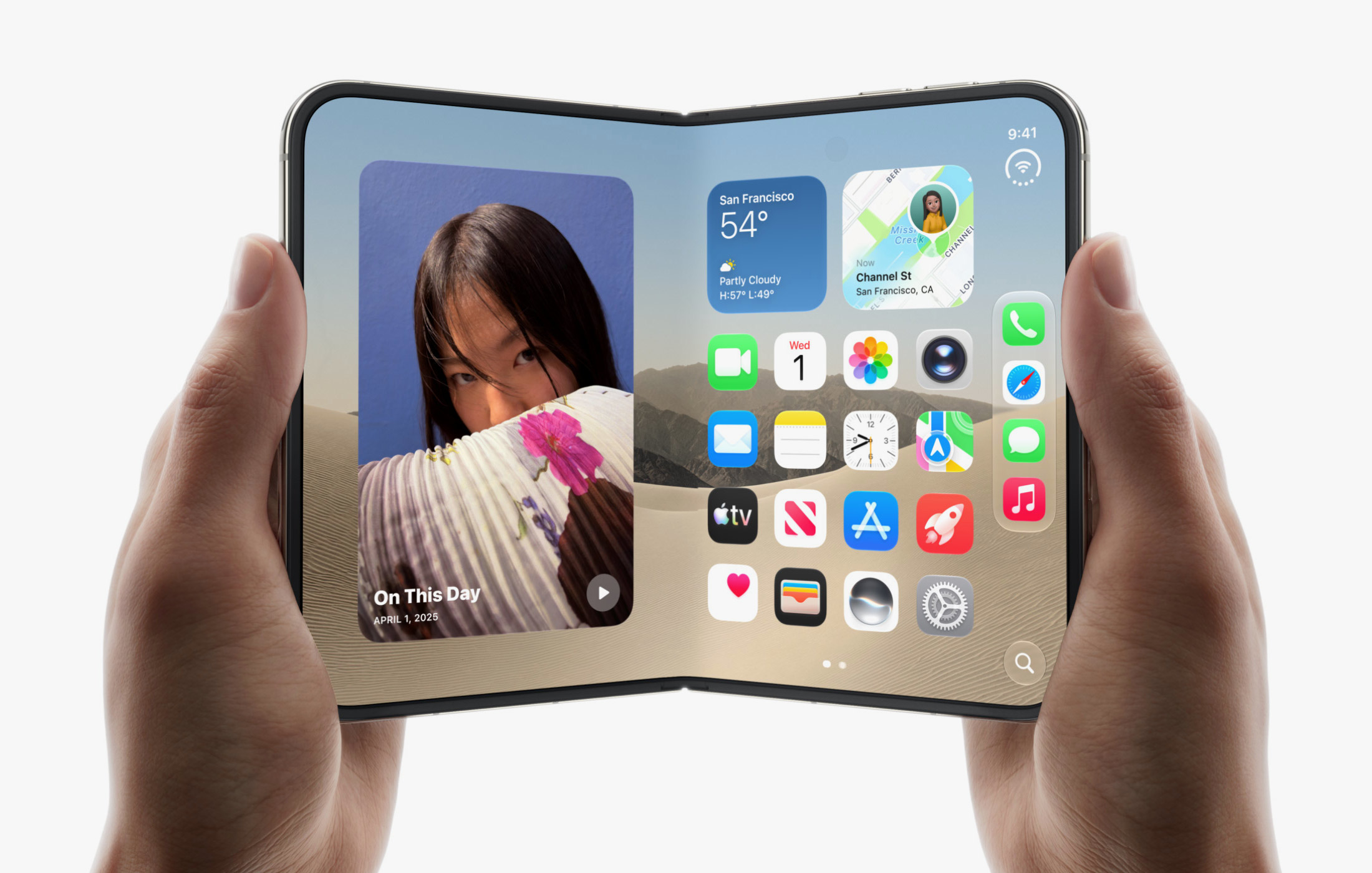
Design chief Molly Anderson emphasized that the device was built around a consistent aspect ratio, ensuring that the user experience remains fluid regardless of whether the device is in its folded, 5.4-inch external screen state or fully expanded. The hardware engineering is equally noteworthy; the phone features a bespoke hinge system integrated with high-strength magnets and is encased in a mirror-polished titanium frame.
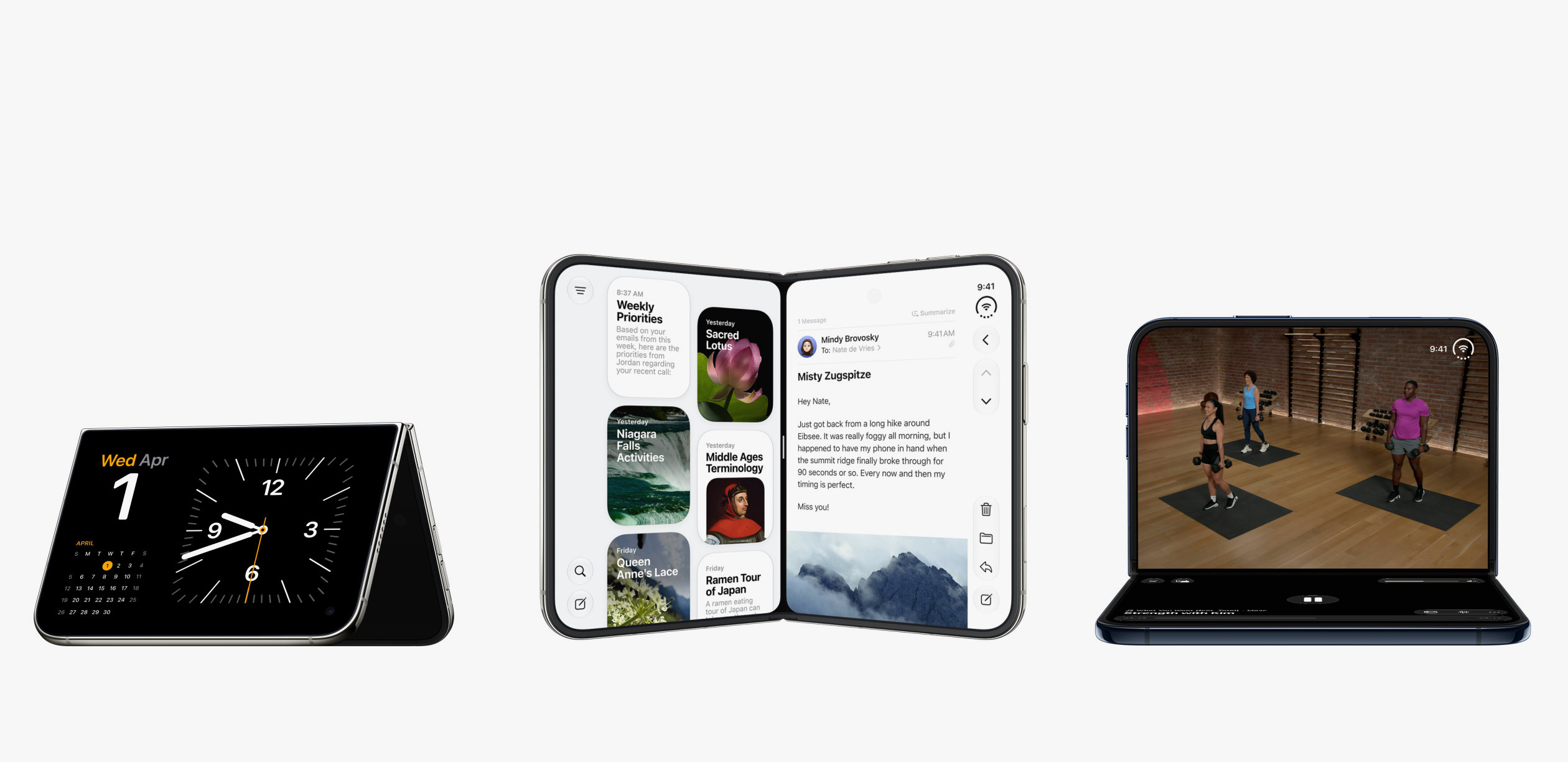
The economic implications of the iPhone Duo are significant. With a starting price of $1,999 and a ceiling of $3,199 for the 2TB model, Apple is firmly targeting the ultra-premium segment of the market. While competitors like Samsung and Xiaomi have held a multi-year head start in this category, Apple’s strategy has historically been to wait for technologies to reach maturity before scaling them. By delaying its entry, Apple has avoided the early hardware reliability issues that plagued competitors, opting instead for a "late-mover advantage" defined by software polish and ecosystem integration.
The Technical Foundation: A20 Pro and iOS 27
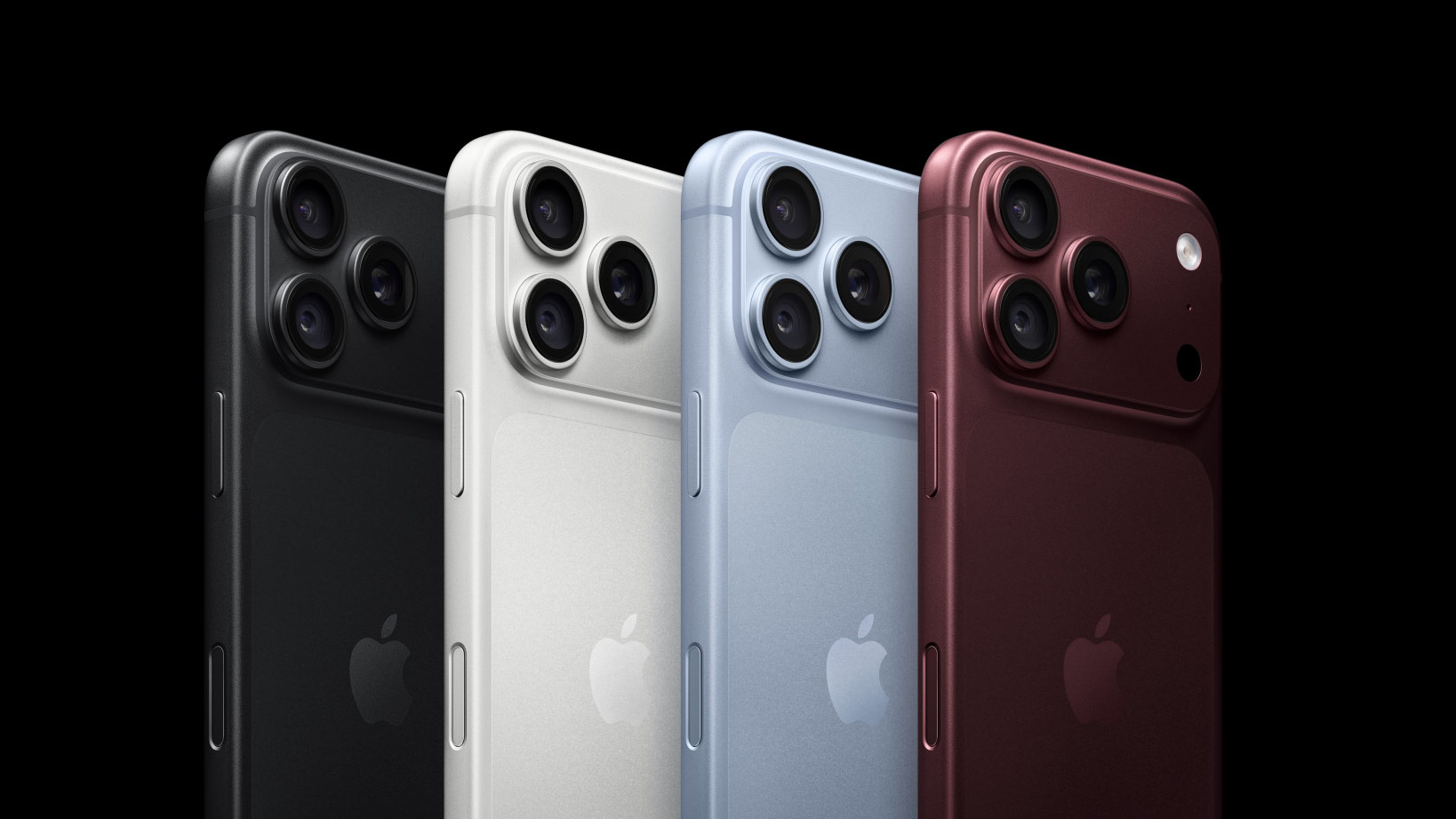
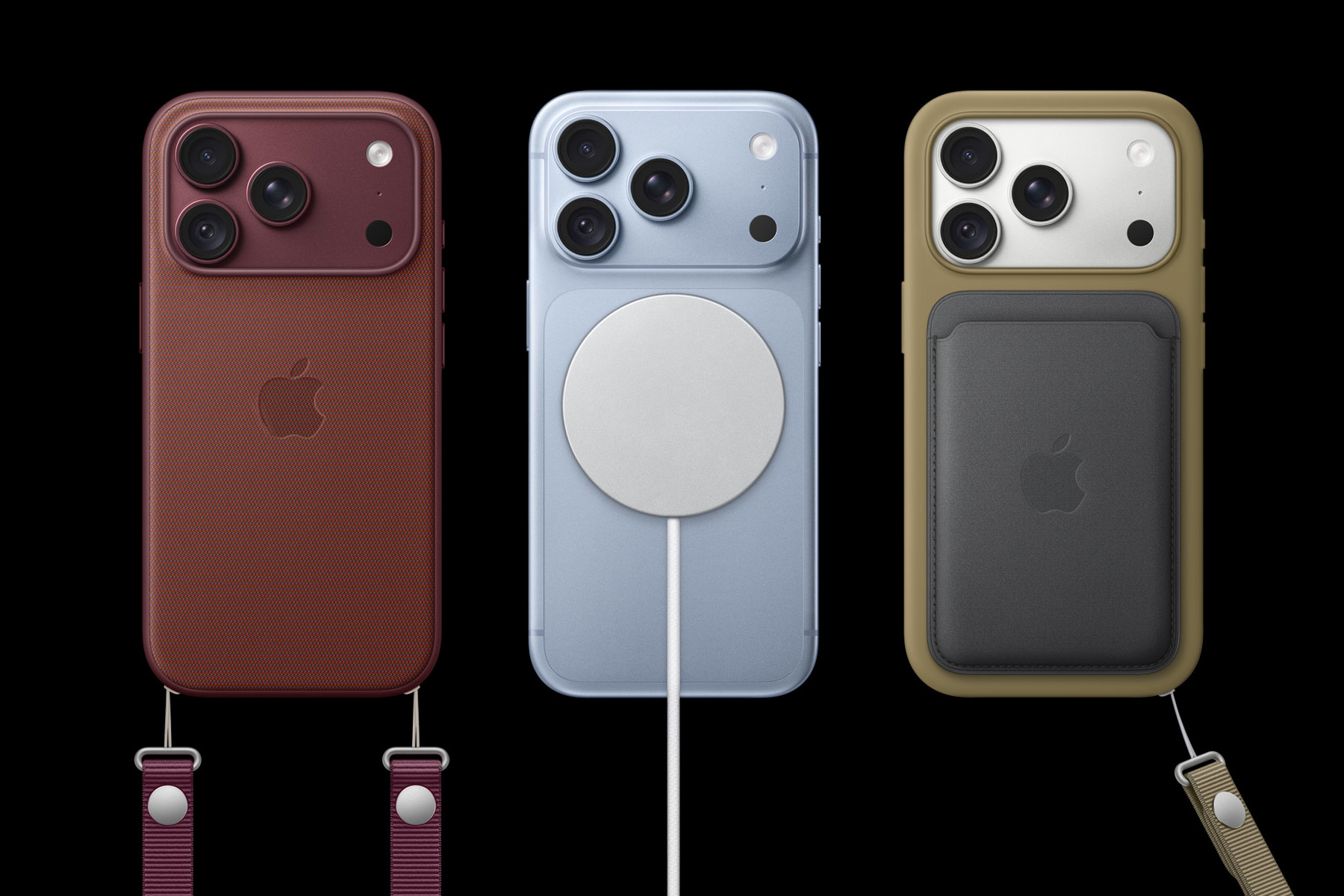
At the heart of the new iPhone 18 Pro and Pro Max lies the A20 Pro chip, a silicon marvel that continues Apple’s push into high-efficiency computing. This chip utilizes an advanced transistor density that supports a 6-core CPU and a 7-core GPU, providing the necessary overhead for the heavy lifting required by Apple Intelligence.
The shift to iOS 27 represents the most aggressive integration of artificial intelligence into the mobile experience to date. The "Dynamic Island" has been refined to be more flexible, supporting up to three simultaneous status indicators, allowing for better multitasking—a feature that will be particularly vital for users of the folding iPhone Duo.
Camera Innovation and Digital Verification
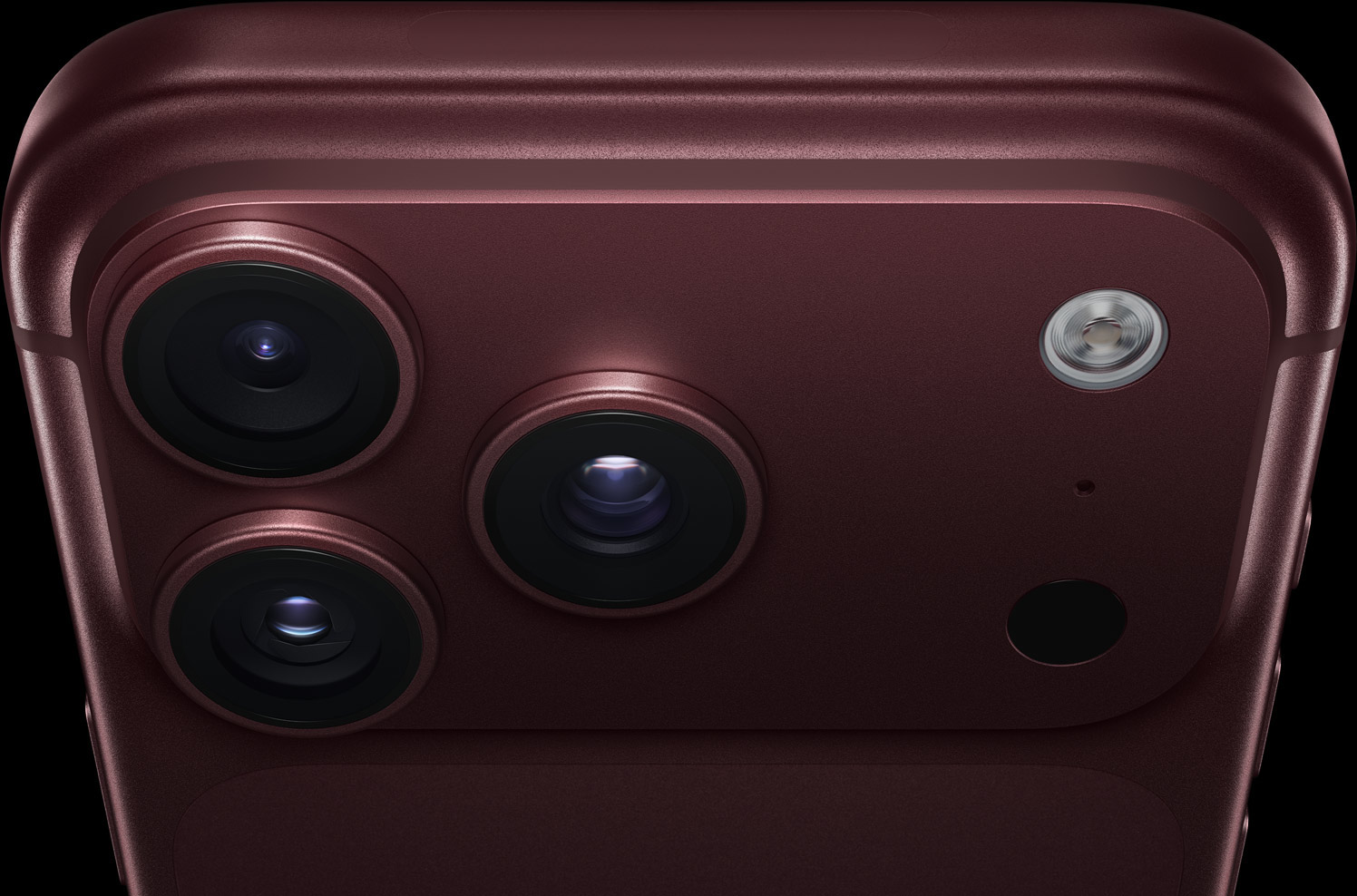
Apple has clearly identified computational photography as the primary battlefield for consumer loyalty. The iPhone 18 Pro introduces a mechanical aperture control on its 48MP sensor, utilizing shutter blades thinner than a human hair to provide true optical depth-of-field control.
Perhaps most important for the professional sector is the introduction of the "Apple Reference Image." This feature creates an unalterable, pixel-level digital signature at the moment of capture. This "digital negative" serves as an immutable verification of the original photograph, providing a necessary safeguard against the rising tide of deepfakes and generative AI-altered media. By embedding this metadata, Apple is positioning itself as the leader in "authentic" digital content, a move that is likely to resonate with journalists, artists, and forensic professionals.
The Wearables Ecosystem: Watch Series 12 and AirPods 5
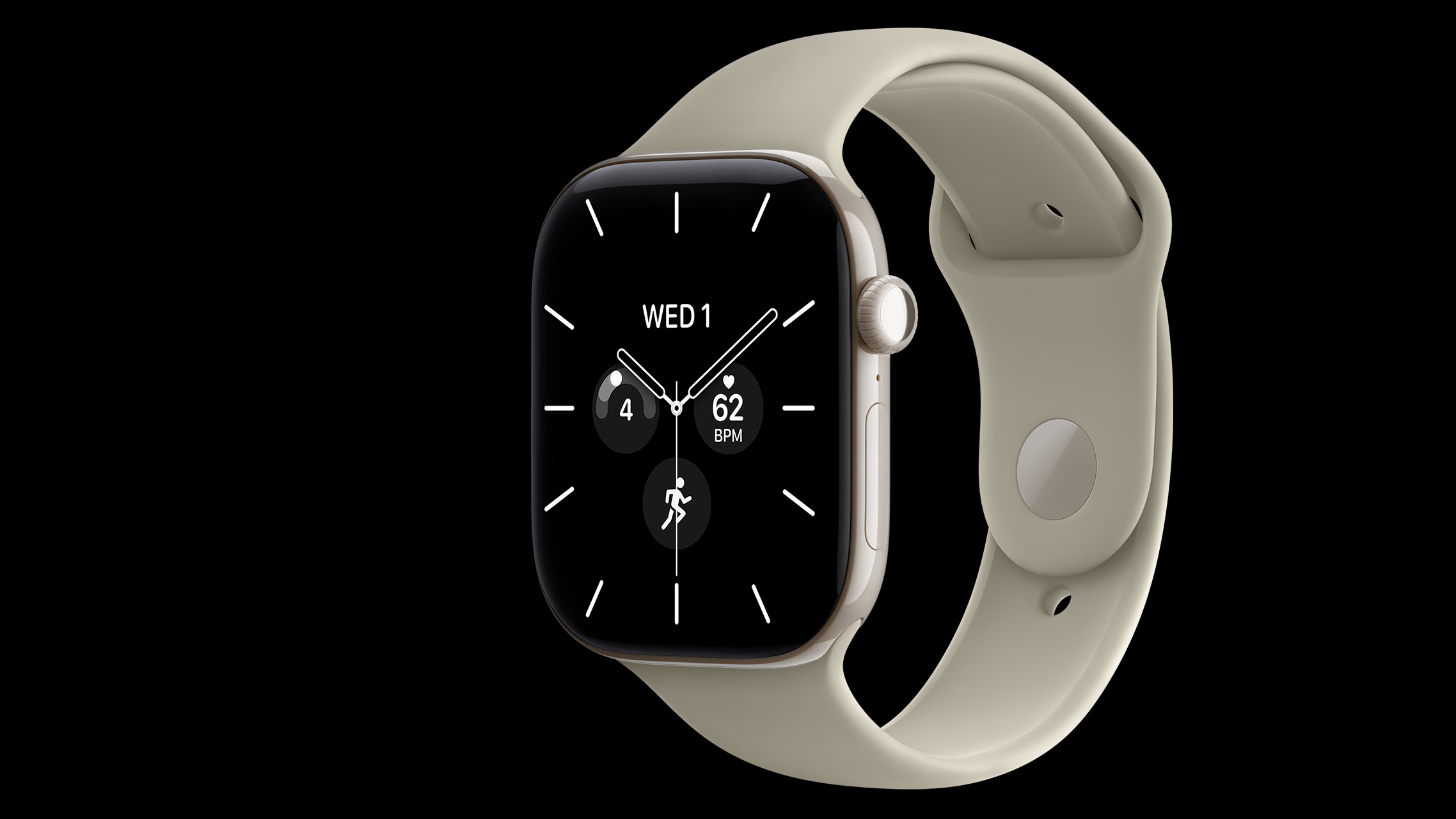
The Apple Watch Series 12 and the Ultra 4 represent a concerted effort to move the wearable category from a "fitness tracker" to an "intelligence hub." The inclusion of a new processor allows for "Audio Intelligence," which includes features such as Live Rewind—the ability to transcribe the last 15 seconds of audio—and the upcoming Siri Recap.
Siri Recap, in particular, demonstrates a careful navigation of privacy concerns. While it uses ambient listening to summarize meetings and events, Apple has explicitly stated that the device will not identify individual speakers or store raw audio files on its servers. This distinction is critical in a climate of growing public anxiety regarding the privacy implications of AI-enabled voice assistants. The Ultra 4, with its increased battery life of up to 48 hours and superior durability, rounds out the lineup for the extreme sports and enterprise markets.
Industry Implications and the AI Arms Race
The tech industry in Silicon Valley is currently engaged in what can best be described as a high-stakes standoff regarding AI adoption. Companies are racing to capture the growing population of AI-dependent users, and Apple’s strategy has been one of controlled, privacy-first deployment. By integrating AI features directly into the hardware of the iPhone 18 and the new wearables, Apple is aiming to lock users into a closed, secure ecosystem that is more reliable than the fragmented, "hacked-together" experiences often found on Android platforms.
The decision to save the iPhone Duo for the final moments of the event was a calculated move. It prevented the more conventional updates to the iPhone 18 Pro from appearing stagnant, instead framing the entire September portfolio as a cohesive step toward a more integrated, intelligent, and flexible hardware future.
Chronology of the September Event
- The Transition: The presentation opened with John Ternus acknowledging the legacy of his predecessor, Tim Cook, before pivoting immediately to the new "intelligent portable hub" philosophy.
- The Hardware Showcase: The iPhone 18 Pro and Pro Max were detailed first, setting the benchmark for processing power and camera capability.
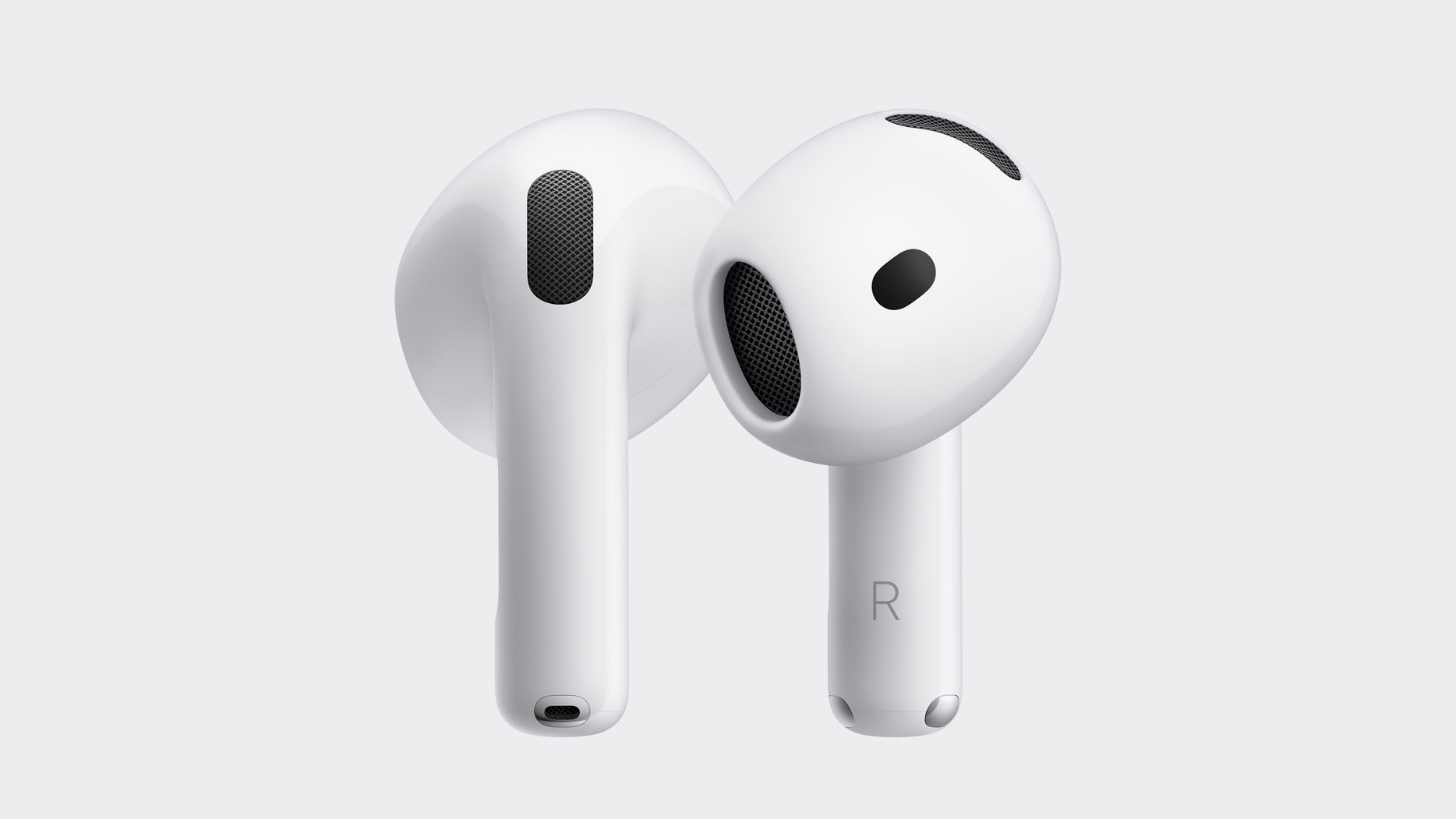
- The Wearables Update: The AirPods 5 and Watch Series 12/Ultra 4 were introduced, emphasizing the shift toward Audio Intelligence.
- The "One More Thing": The iPhone Duo was unveiled, marking the first time in the company’s history that it has deviated from the standard candy-bar form factor.
- Pre-order Windows: The event concluded with a staggered release schedule, with the iPhone 18 series and wearables becoming available for pre-order on September 12, followed by the iPhone Duo on October 16.
Looking Ahead
As the initial reactions filter through the market, the success of the iPhone Duo will depend on whether consumers view a foldable screen as a productivity necessity or a luxury gimmick. Analysts suggest that even if the Duo remains a low-volume device, its existence serves to bolster the premium image of the brand.
Apple has bet that by the time it entered the foldable market, the technology would be refined enough to support a standard, reliable experience. Whether this bet pays off will be determined by the performance of the device in real-world scenarios once the first units reach consumers in late October. For now, Apple remains the manufacturer to watch, as it attempts to steer the direction of the next generation of mobile computing through a combination of superior hardware engineering and deeply embedded, privacy-centric AI.