
Tag San Luis Obispo

Discovering San Luis Obispo: An In-Depth Guide to California’s Central Coast Gem
San Luis Obispo, often abbreviated as SLO, stands as a prominent city nestled within California’s Central Coast region. Its strategic location, approximately halfway between Los Angeles and San Francisco, positions it as a popular destination for travelers and a desirable place to reside. The city’s identity is deeply intertwined with its vibrant downtown core, the iconic Bubblegum Alley, its proximity to stunning natural landscapes, and a thriving agricultural and wine-producing community. Understanding the multifaceted appeal of San Luis Obispo requires a detailed exploration of its history, geography, culture, economy, and the diverse attractions it offers to visitors and residents alike.
Historically, the San Luis Obispo area has been inhabited by indigenous peoples for thousands of years, with the Salinan and Chumash tribes being among the earliest known inhabitants. European settlement began in the late 18th century with the establishment of the Mission San Luis Obispo de Tolosa in 1772 by Father Junípero Serra, a significant Franciscan missionary. This mission served as a spiritual and economic hub, laying the groundwork for the future development of the city. The mission’s original structures, though rebuilt and restored over time, remain a central landmark and a testament to its enduring legacy. Throughout the 19th and early 20th centuries, San Luis Obispo evolved from a Spanish rancho settlement to a growing American town, driven by agriculture, ranching, and later, its position as a transportation nexus. The arrival of the railroad played a crucial role in its expansion, facilitating trade and attracting new settlers. The establishment of California Polytechnic State University (Cal Poly) in 1901 further cemented the city’s importance, transforming it into a center of higher education and innovation. This rich historical tapestry is evident in the preserved architecture of its downtown, the cultural narratives that persist, and the foundational institutions that continue to shape its character.
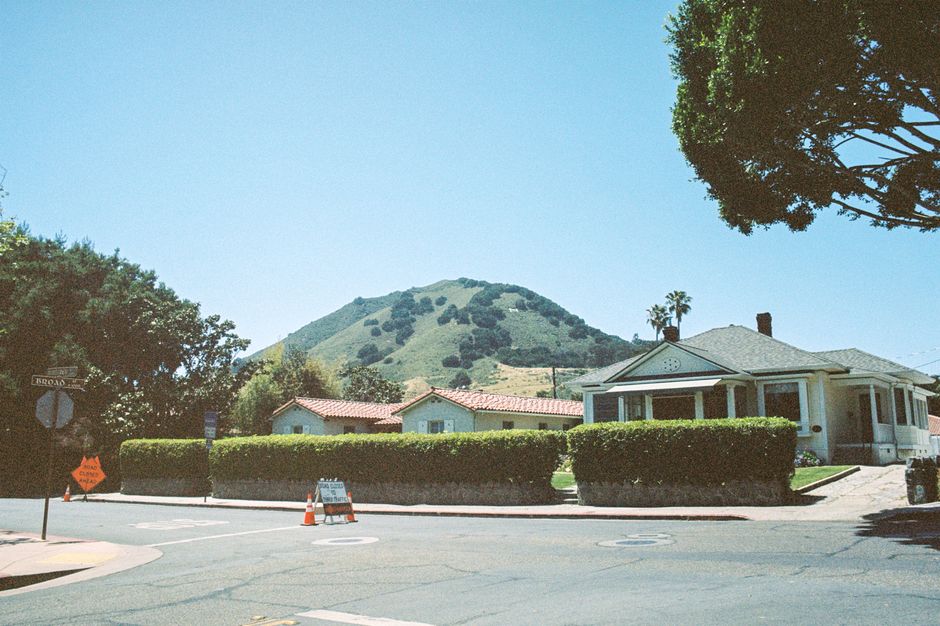
Geographically, San Luis Obispo enjoys a Mediterranean climate characterized by mild, wet winters and warm, dry summers. This climate is a direct result of its coastal proximity, moderated by the Pacific Ocean. The city is situated in a valley, flanked by the Santa Lucia Mountains to the north and west, and the San Luis Range to the south and east. This topography creates a natural amphitheater, offering both scenic beauty and protection from extreme weather. The surrounding landscape is a mosaic of rolling hills, fertile agricultural lands, oak woodlands, and dramatic coastal bluffs. The proximity to Highway 1, a legendary scenic byway, makes it an integral part of the iconic California coast drive. Major waterways, including the San Luis Obispo Creek, meander through the city, contributing to its lush environment and providing recreational opportunities. The region’s geological makeup also contributes to its natural appeal, with areas known for their unique rock formations and coastal erosion patterns. This interplay of mountains, valleys, and ocean imbues San Luis Obispo with a distinct natural allure, attracting outdoor enthusiasts and those seeking tranquility.
The culture of San Luis Obispo is a vibrant blend of its historical roots, its agricultural heritage, and a progressive, community-focused ethos. The city is known for its laid-back, yet energetic atmosphere, often described as having a "college town" vibe due to the significant presence of Cal Poly. This youthful energy coexists with a deep respect for tradition and a strong sense of local pride. Arts and culture are well-represented, with numerous galleries, theaters, and live music venues. The San Luis Obispo Symphony and local theater companies contribute to a rich cultural scene. Public art is integrated throughout the city, from murals to sculptures, reflecting a commitment to beautifying public spaces. The iconic Bubblegum Alley, a narrow alleyway adorned with chewed gum, is a quirky, world-famous testament to the city’s unique and sometimes eccentric artistic expression. Farmers’ markets, particularly the renowned downtown SLO Farmers’ Market held every Thursday evening, are a cornerstone of the local culture, showcasing fresh produce, artisanal goods, and offering a lively social gathering space. This market also highlights the city’s agricultural bounty and its connection to the land. The community actively participates in local events, festivals, and volunteer initiatives, fostering a strong sense of belonging and civic engagement.
Economically, San Luis Obispo’s prosperity is driven by a diversified base. Agriculture and viticulture are paramount. The Edna Valley and Paso Robles wine regions, located in close proximity, are internationally recognized for their high-quality wines, particularly Chardonnay and Pinot Noir in Edna Valley, and Cabernet Sauvignon and Zinfandel in Paso Robles. This thriving wine industry supports numerous vineyards, wineries, tasting rooms, and related hospitality businesses, making wine tourism a significant economic driver. The presence of Cal Poly also contributes substantially, not only through its student population and employment but also through its research, innovation, and the spin-off businesses it fosters. The university’s emphasis on "learn by doing" often leads to graduates establishing businesses in the area. Tourism itself is a major industry, attracting visitors drawn to the beaches, wine country, Hearst Castle (nearby in San Simeon), and the city’s charming downtown. Retail, restaurants, and hospitality services are essential components of the local economy. The technology sector is also growing, with a number of tech startups and established companies establishing a presence in the region, attracted by the quality of life and the skilled workforce. Government and education are also significant employers. This multifaceted economic structure provides a degree of resilience and ongoing growth for San Luis Obispo.
San Luis Obispo’s appeal extends to its abundant attractions, catering to a wide range of interests. For nature enthusiasts, the Pismo State Beach and Oceano Dunes offer miles of pristine coastline, opportunities for surfing, kayaking, and ATV riding on the dunes. Morro Bay, with its iconic Morro Rock, is a haven for wildlife viewing, sailing, and exploring the estuary. The Montaña de Oro State Park boasts dramatic cliffs, secluded coves, and extensive hiking trails, providing breathtaking ocean vistas. For those interested in history and architecture, the Mission San Luis Obispo de Tolosa is a must-visit, offering a glimpse into California’s colonial past. Hearst Castle, a short drive north, is a palatial estate showcasing opulent architecture, art collections, and stunning gardens. The historic downtown SLO is a destination in itself, characterized by its unique boutiques, art galleries, diverse culinary scene, and lively atmosphere. Bubblegum Alley, though unconventional, is a famous landmark drawing curious visitors. The San Luis Obispo Botanical Garden offers a serene escape with its diverse collection of plants. For outdoor recreation within the city, Bishop Peak and Cerro San Luis Obispo (Madonna Mountain) provide popular hiking trails with panoramic views. The Thursday night Farmers’ Market is a beloved weekly event, offering a vibrant experience for locals and tourists alike. The nearby Edna Valley and Paso Robles wine regions offer numerous wineries for tasting tours and vineyard exploration. The region also hosts a variety of annual festivals and events, from the Pismo Beach Clam Festival to the Morro Bay Art Association’s Art in the Park, contributing to a dynamic calendar of activities.
Real estate in San Luis Obispo reflects its desirability and its prime location. Property values are generally higher than the national average, influenced by the strong economy, high quality of life, and limited supply in some desirable areas. The housing market offers a mix of single-family homes, condominiums, and apartments, with a growing demand for sustainable and modern living spaces. Neighborhoods vary in character, from established areas with mature trees and historic homes to newer developments offering contemporary amenities. The proximity to beaches, wine country, and the vibrant downtown core influences property desirability and pricing. Rental markets are also competitive, particularly for students and young professionals. The city’s commitment to planning and development aims to balance growth with the preservation of its natural beauty and community character. Investors and prospective homeowners are drawn to the region’s consistent appreciation and the enduring appeal of the Central Coast lifestyle.
Transportation within San Luis Obispo is facilitated by a network of roads and a commitment to sustainable transit options. Highway 101 runs north-south, providing easy access to major cities. Highway 1, the iconic coastal highway, is easily accessible, offering scenic drives. The city has made efforts to promote walking and cycling, with designated bike lanes and pedestrian-friendly pathways, particularly in the downtown area. Public transportation is available through the SLO Regional Transit Agency (RTA), offering bus routes that connect various parts of the city and surrounding communities. For longer distances, the San Luis Obispo Amtrak station provides rail service, and the San Luis Obispo County Regional Airport (SBP) offers limited commercial flights, primarily connecting to major hubs like Los Angeles and Denver. Commuting often involves personal vehicles, but the emphasis on alternative transportation is growing. The compact nature of the downtown area encourages foot traffic, and the prevalence of Cal Poly students contributes to a culture that is often receptive to biking and walking.
The educational landscape in San Luis Obispo is anchored by California Polytechnic State University (Cal Poly). This renowned public university is a vital institution, offering a wide array of undergraduate and graduate programs with a strong emphasis on "learn by doing." Its engineering, agriculture, and architecture programs are particularly well-regarded. Beyond Cal Poly, the San Luis Obispo County Office of Education oversees K-12 public education, with various school districts serving the city and surrounding areas, including San Luis Coastal Unified School District. These districts are generally well-regarded for their academic programs and extracurricular activities. Private educational institutions also exist, offering alternative schooling options. The presence of a strong educational system contributes to a well-informed and engaged populace, and provides opportunities for lifelong learning and skill development.
Looking ahead, San Luis Obispo is poised for continued growth and development, while striving to maintain its unique character. The city’s leadership and community are focused on sustainable development, preserving its natural resources, and fostering economic diversification. Initiatives aimed at promoting renewable energy, water conservation, and smart growth are underway. The ongoing expansion of the wine industry, coupled with a growing tech sector and a robust tourism market, suggests continued economic vitality. Challenges include addressing housing affordability, managing population growth, and adapting to environmental changes. However, the strong community spirit, the inherent appeal of its natural beauty, and its commitment to innovation position San Luis Obispo as a resilient and promising region on the Central Coast. The city’s strategic location, coupled with its diverse economic base and vibrant cultural scene, ensures its continued relevance and attractiveness for years to come. Its ability to balance progress with preservation will be key to its enduring success.


