Implement Cross-Account Data Governance with Amazon Redshift and SageMaker Unified Studio

As modern enterprises increasingly adopt decentralized data architectures, the challenge of maintaining rigorous governance across fragmented cloud environments has become a primary hurdle for Chief Data Officers. Organizations operating dozens or hundreds of Amazon Redshift clusters across multiple AWS accounts frequently encounter significant friction when attempting to share data securely. Manual processes, often involving the manual creation of database users, the management of complex IAM policies, and the coordination of cross-account network peering, have historically led to high operational overhead and increased security risks. To address these systemic inefficiencies, Amazon Web Services has introduced a streamlined approach using Amazon SageMaker Unified Studio, enabling the implementation of cross-account data sharing through data mesh principles.
The emergence of the "data mesh" as a leading architectural paradigm represents a shift away from monolithic data lakes toward a model where data is treated as a product. In this decentralized framework, data ownership remains with the domain experts—the producers—while governance remains centralized. Amazon SageMaker Unified Studio functions as the critical backbone for this architecture, providing a unified catalog and governance layer that bridges the gap between disparate AWS accounts without requiring manual coordination. This technological evolution arrives at a time when global data creation is projected to exceed 180 zettabytes by 2025, necessitating more sophisticated automation in data discovery and access control.
The Shift Toward Decentralized Governance
Historically, data sharing between AWS accounts required a "point-to-point" strategy. If a marketing team in Account C required access to sales data in Account B, administrators had to manually configure Redshift data sharing, manage VPC security groups, and ensure that identity permissions were mirrored across account boundaries. This method does not scale in an enterprise environment where the number of producer and consumer relationships can grow exponentially.
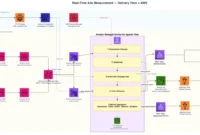
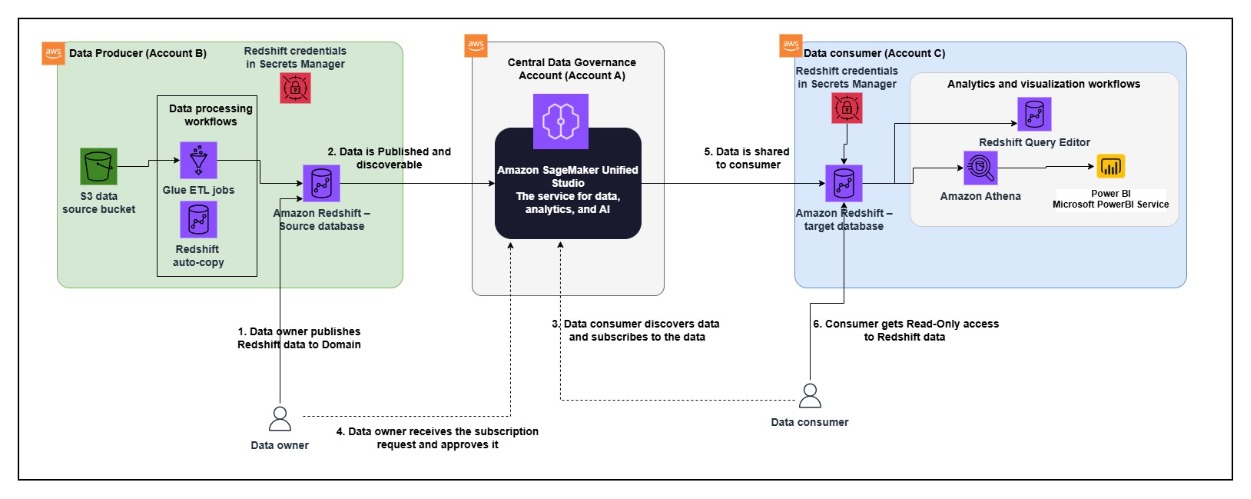
The solution demonstrated by AWS architects utilizes Amazon SageMaker Unified Studio to decouple the physical location of the data from the governance logic. By employing a three-account architecture—comprising a Central Data Governance Account, a Data Producer Account, and a Data Consumer Account—organizations can establish a scalable ecosystem. In this model, the Central Governance Account (Account A) hosts the SageMaker Unified Studio domain, acting as the single source of truth for the organization’s data catalog. This centralization allows for auditable access control and subscription management, even as the underlying data remains in decentralized silos.
Architectural Framework and Component Roles
The data mesh implementation is structured around three distinct roles, each serving a specific function in the data lifecycle.
The Central Data Governance Account (Account A) is the administrative heart of the operation. It manages the SageMaker Unified Studio domain, providing the interface for data discovery. This account does not necessarily store the raw data but holds the metadata and the permission logic required to facilitate sharing.
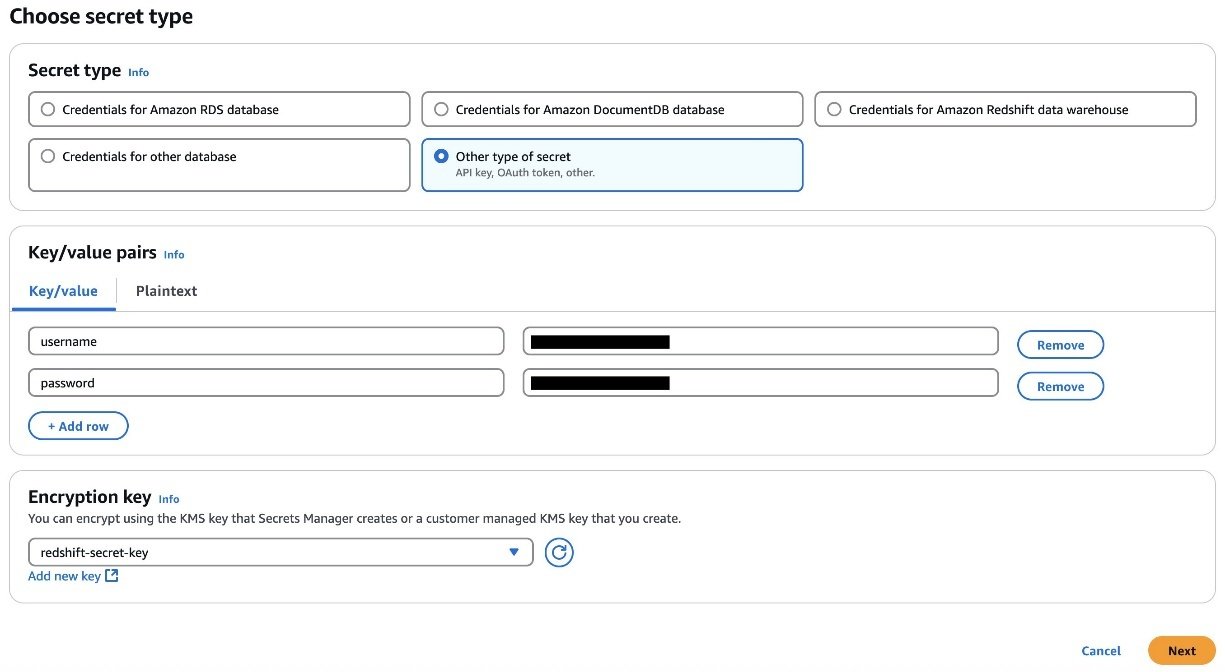
The Data Producer Account (Account B) serves as the source of truth. Raw data typically lands in an Amazon S3 bucket before being ingested into an Amazon Redshift database via AWS Glue ETL jobs or Redshift’s auto-copy functionality. Crucially, the credentials for these databases are secured within AWS Secrets Manager, ensuring that sensitive administrative passwords are never exposed during the sharing process.

The Data Consumer Account (Account C) represents the end-users—data scientists, analysts, and business intelligence tools. Once access is granted through the central catalog, these users can query the shared data as if it were local to their own cluster. This "read-local" experience is facilitated by Redshift’s underlying data sharing technology, which SageMaker Unified Studio orchestrates automatically.
The Chronology of Implementation: From Metadata to Access
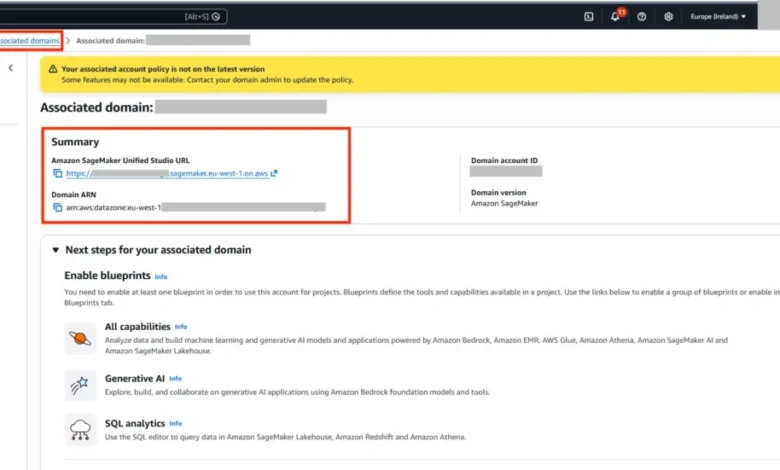
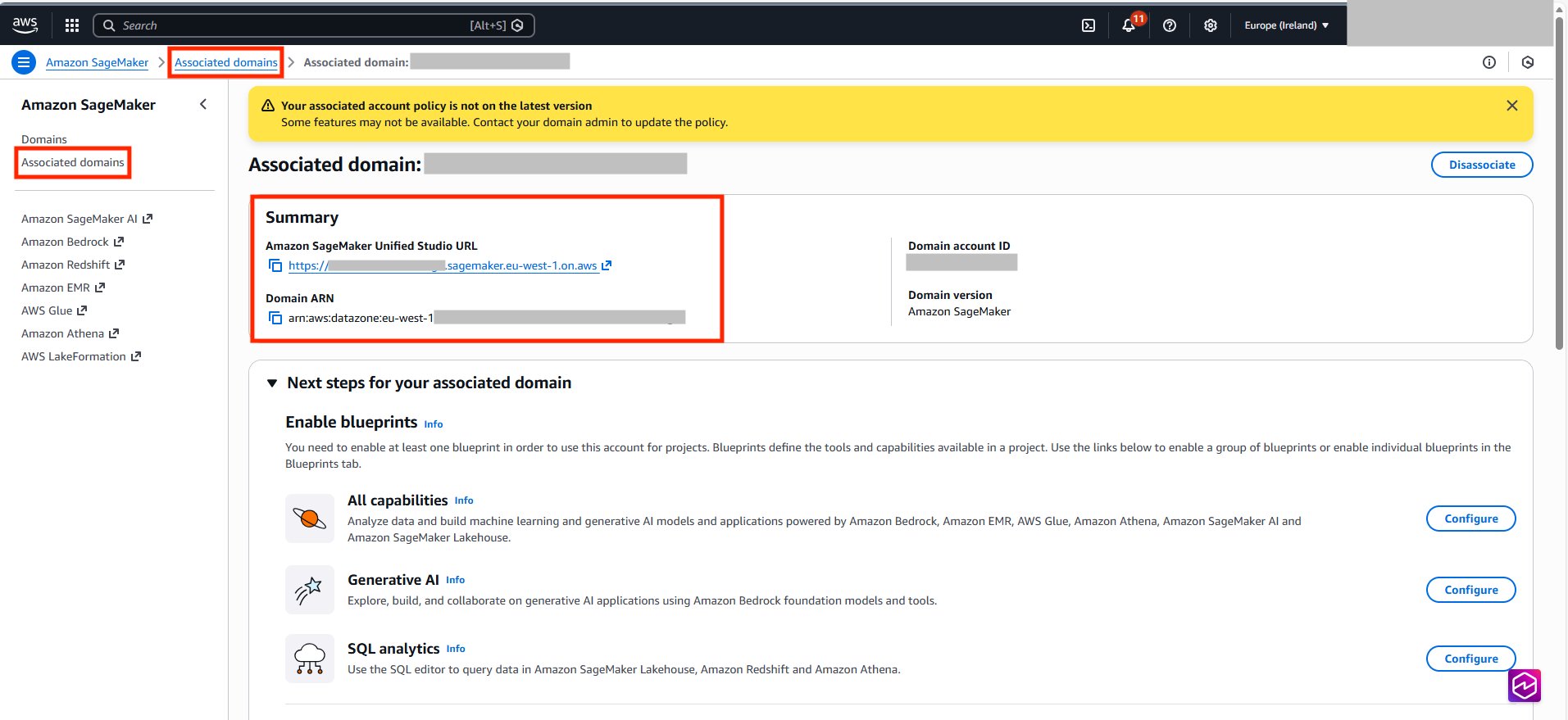
Implementing this architecture follows a specific sequence designed to ensure security and discoverability. The process begins with Account Association and Blueprint Enablement. Administrators must associate the producer and consumer accounts with the central SageMaker Unified Studio domain. This creates the necessary IAM roles and cross-account trusts required for the service to manage resources on behalf of the users.
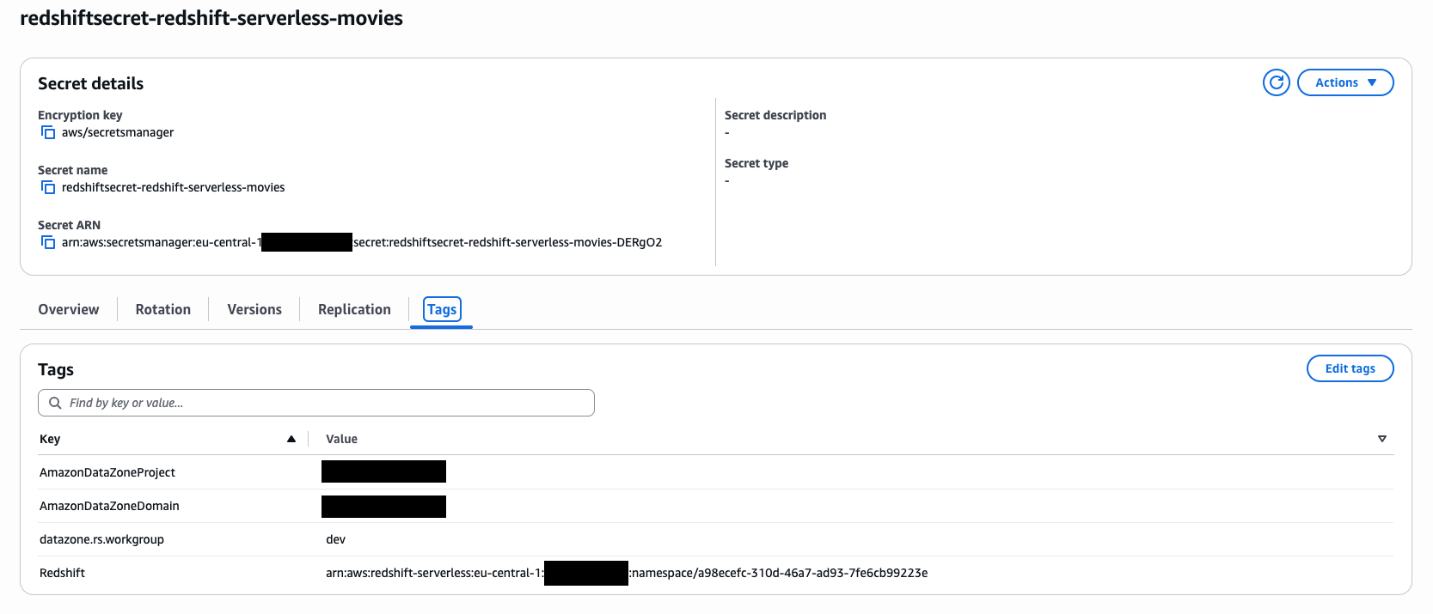
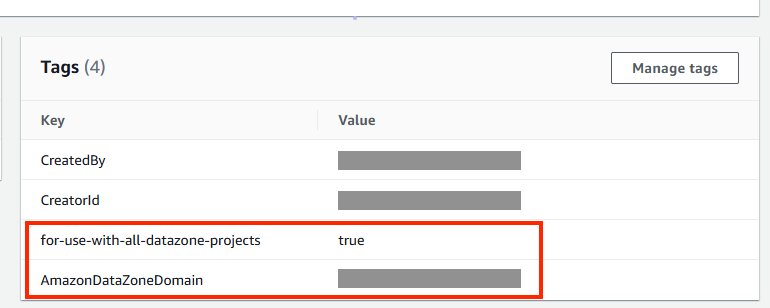
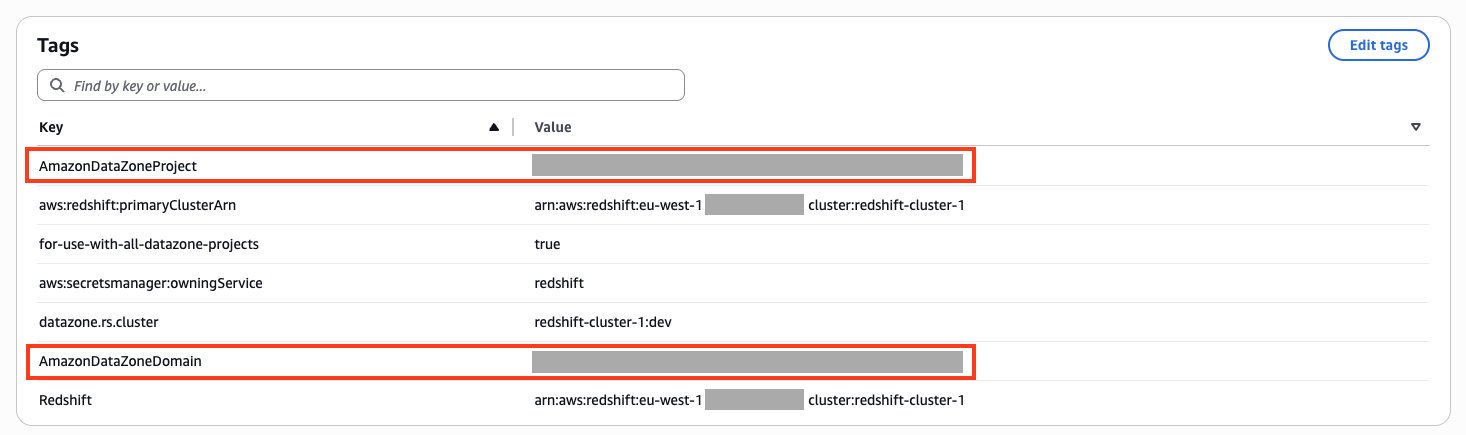
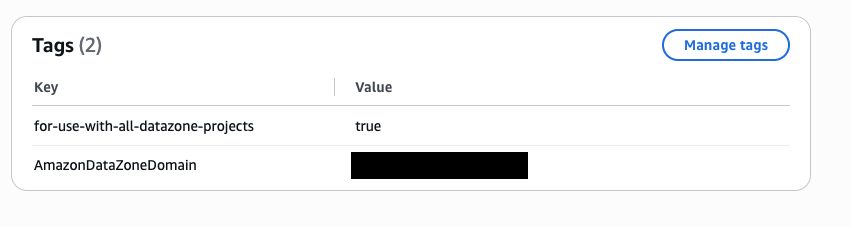
Following association, the focus shifts to the Data Producer. To make an Amazon Redshift cluster discoverable, it must be properly tagged. AWS utilizes resource tagging as a primary mechanism for identification; specifically, tags such as AmazonDataZoneConfig are applied to both the Redshift cluster and the associated AWS Secrets Manager secrets. This tagging strategy allows SageMaker Unified Studio to "crawl" the account and identify which resources are eligible for inclusion in the data mesh.
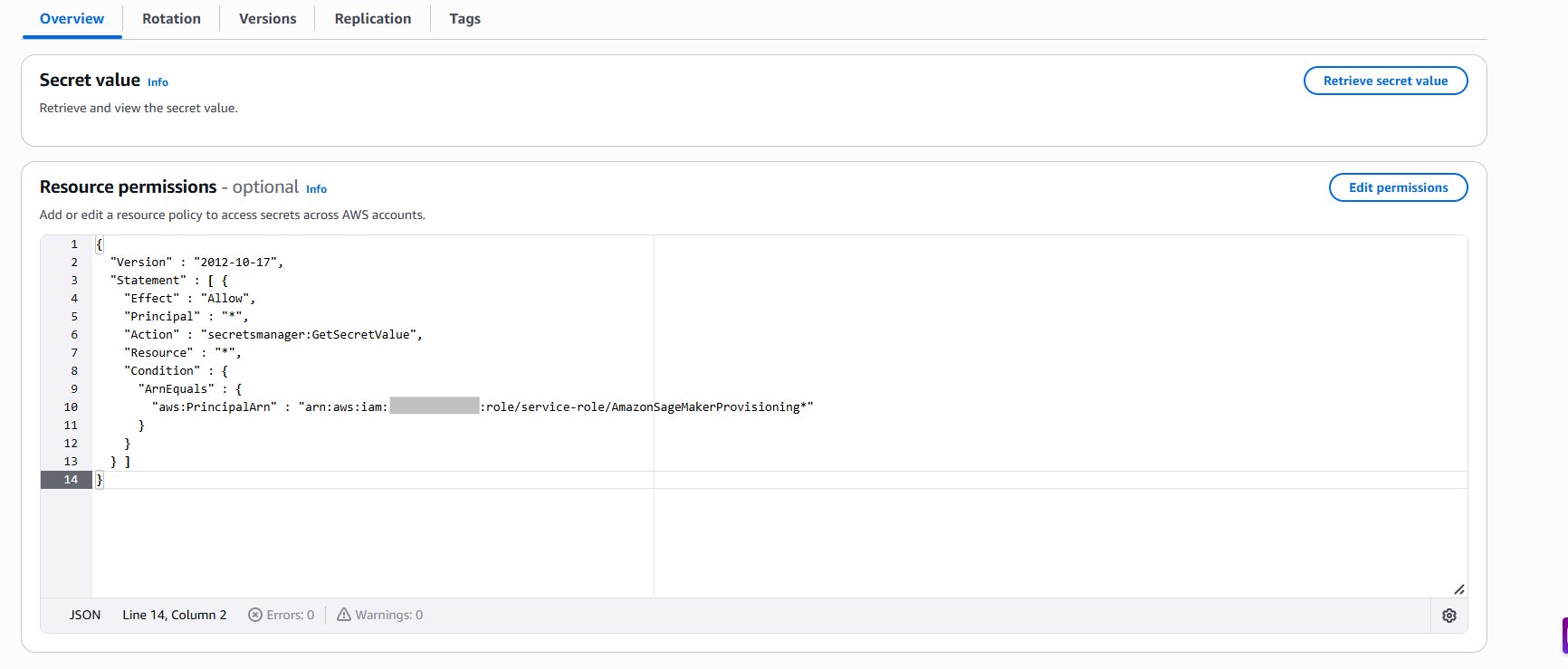
A critical security step involves configuring the AWS Secrets Manager resource policy. Because SageMaker Unified Studio must access the producer’s database to retrieve schema information and manage permissions, the secret’s resource policy must be updated to allow the service roles from the governance account to interact with the secret. This is achieved through a JSON policy that grants kms:Decrypt and secretsmanager:GetSecretValue permissions to the specific SageMaker service principals.
Publishing and Discovering Data Assets
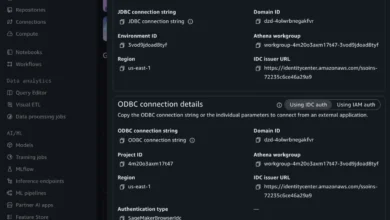
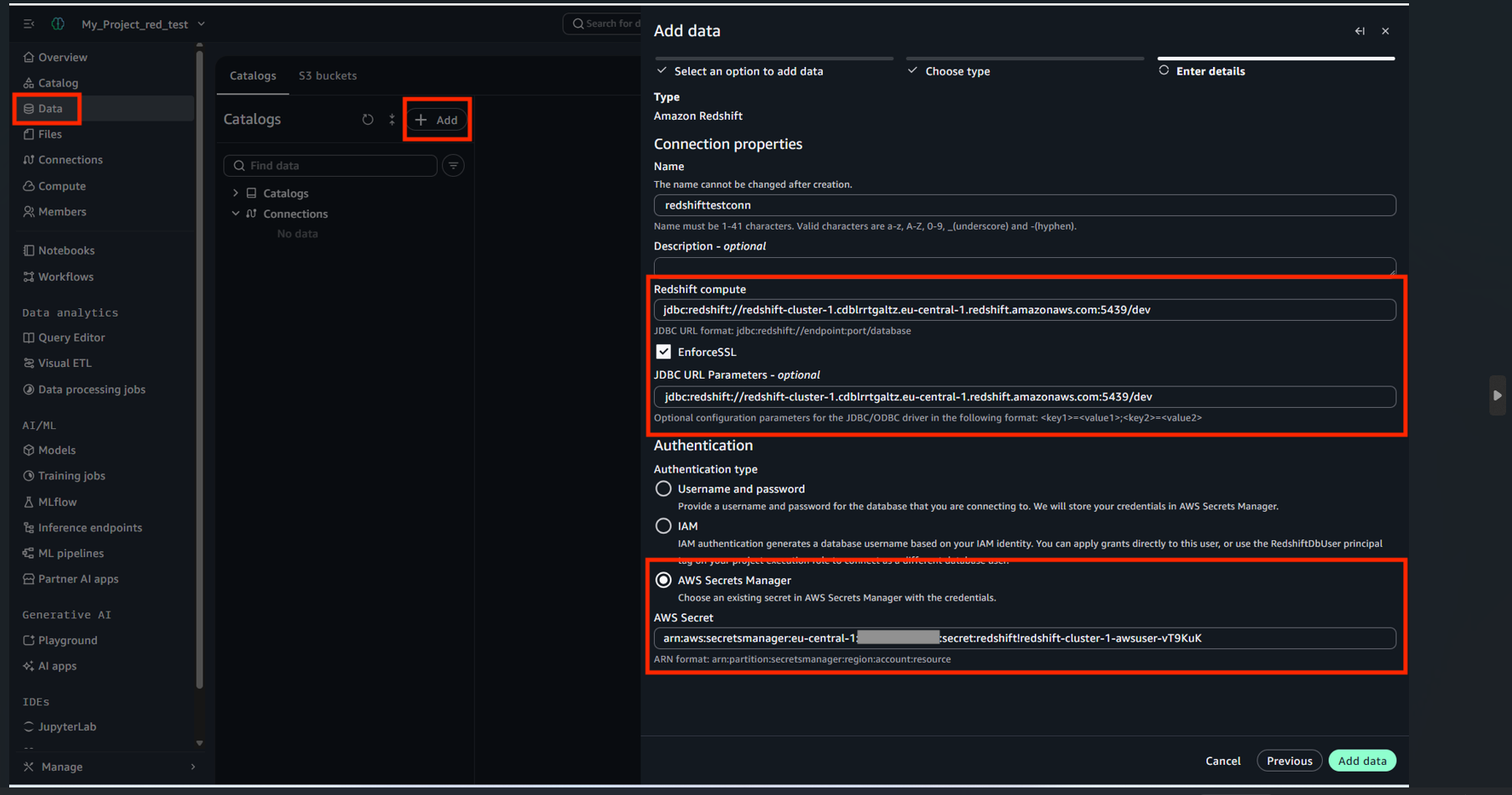
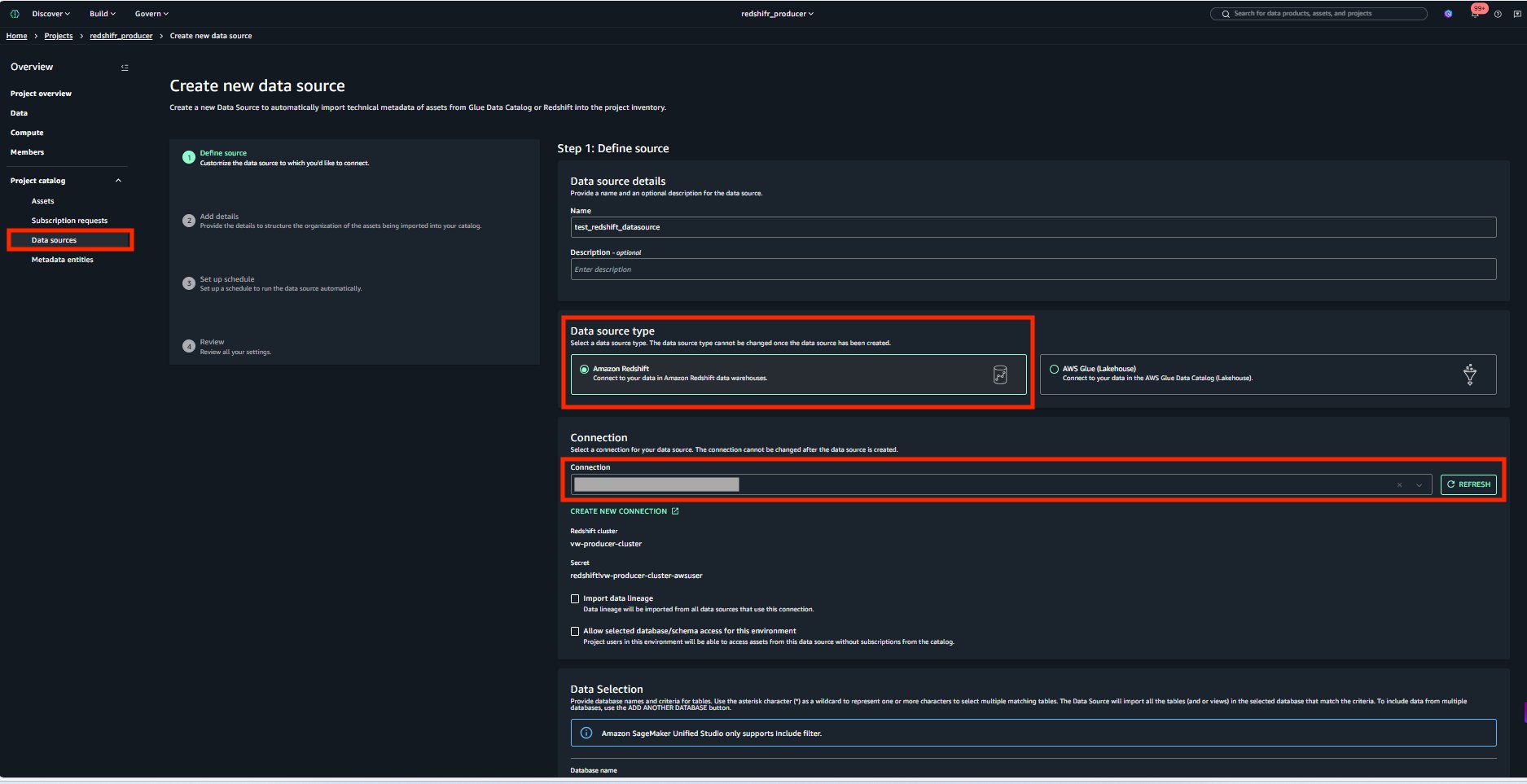
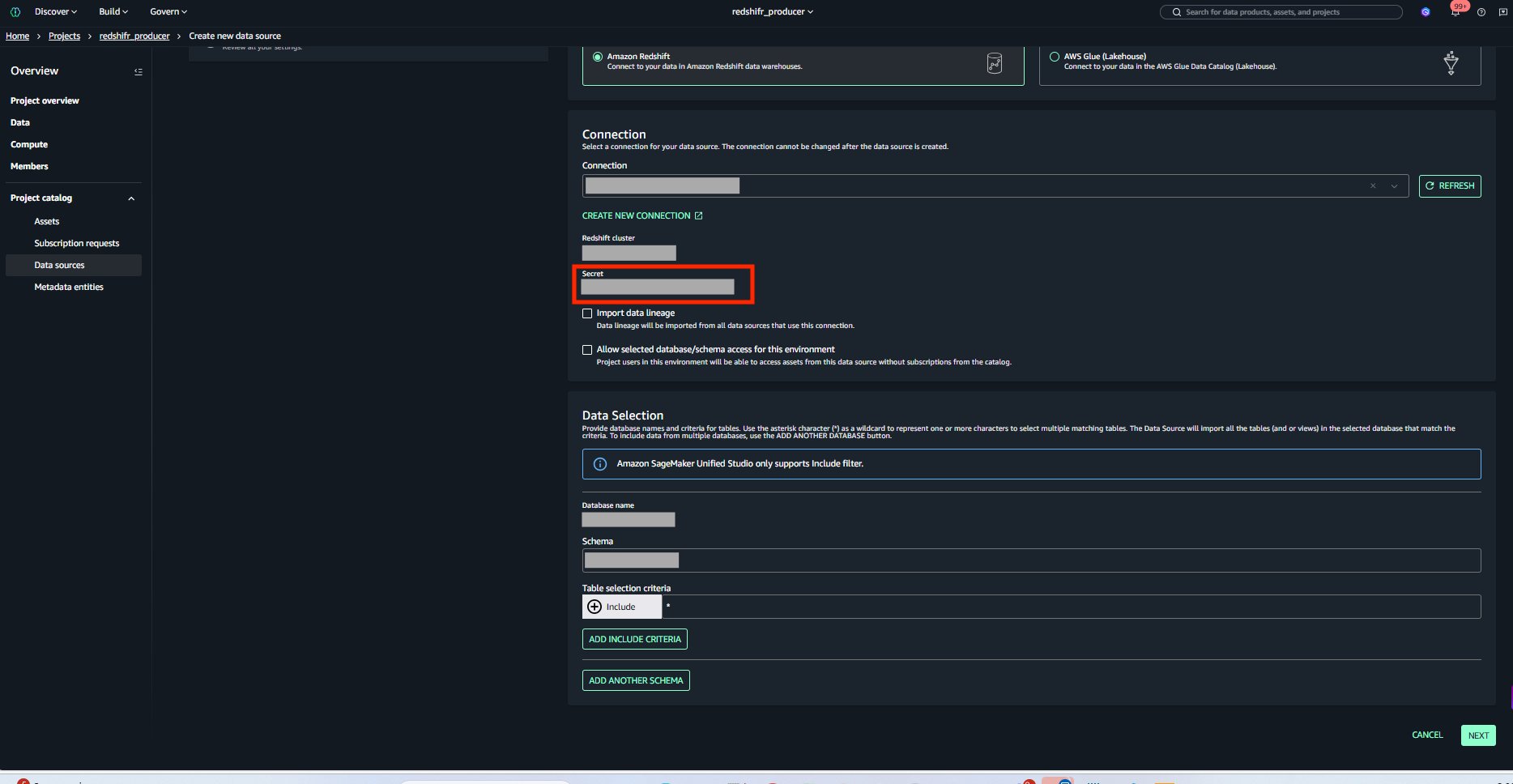
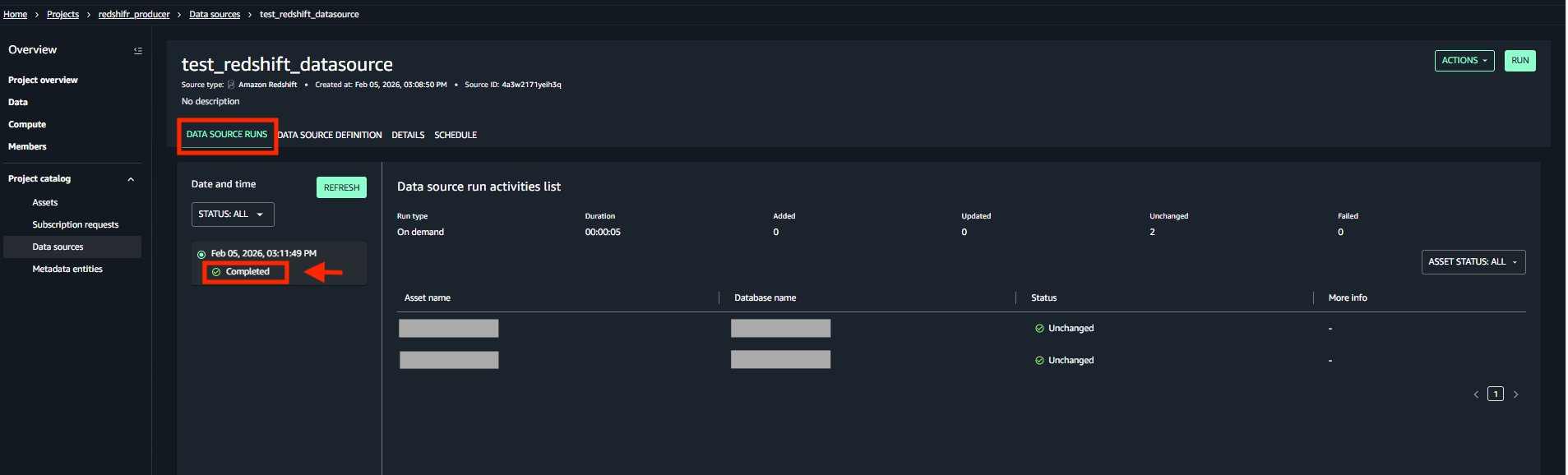
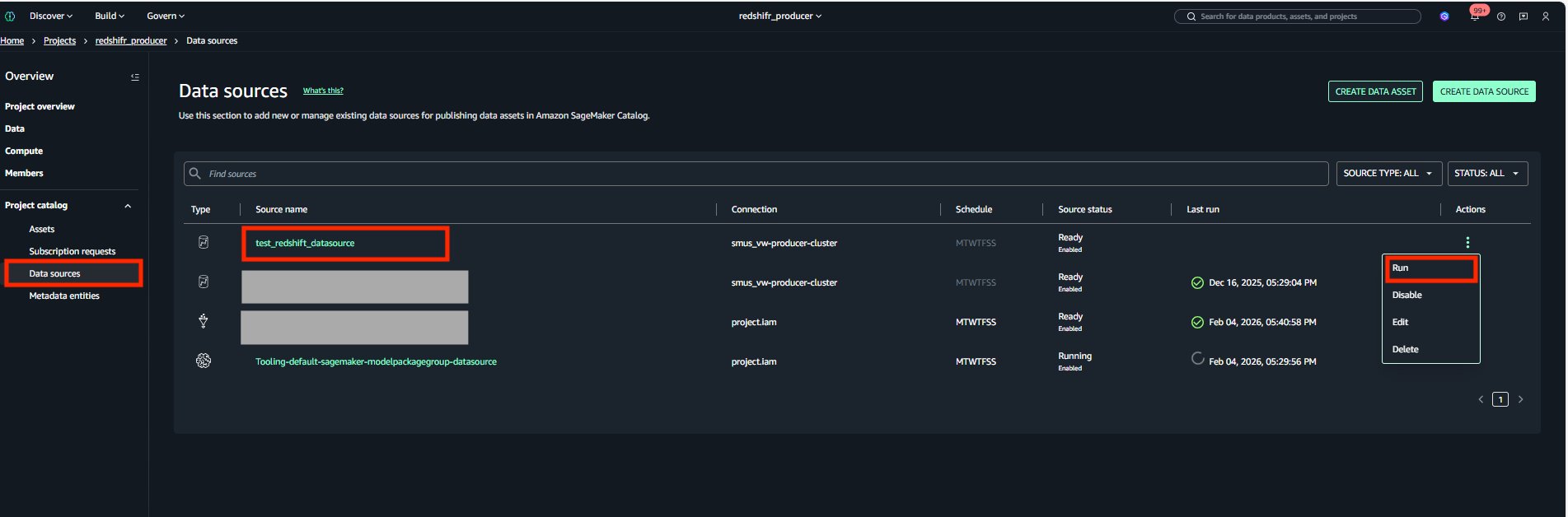
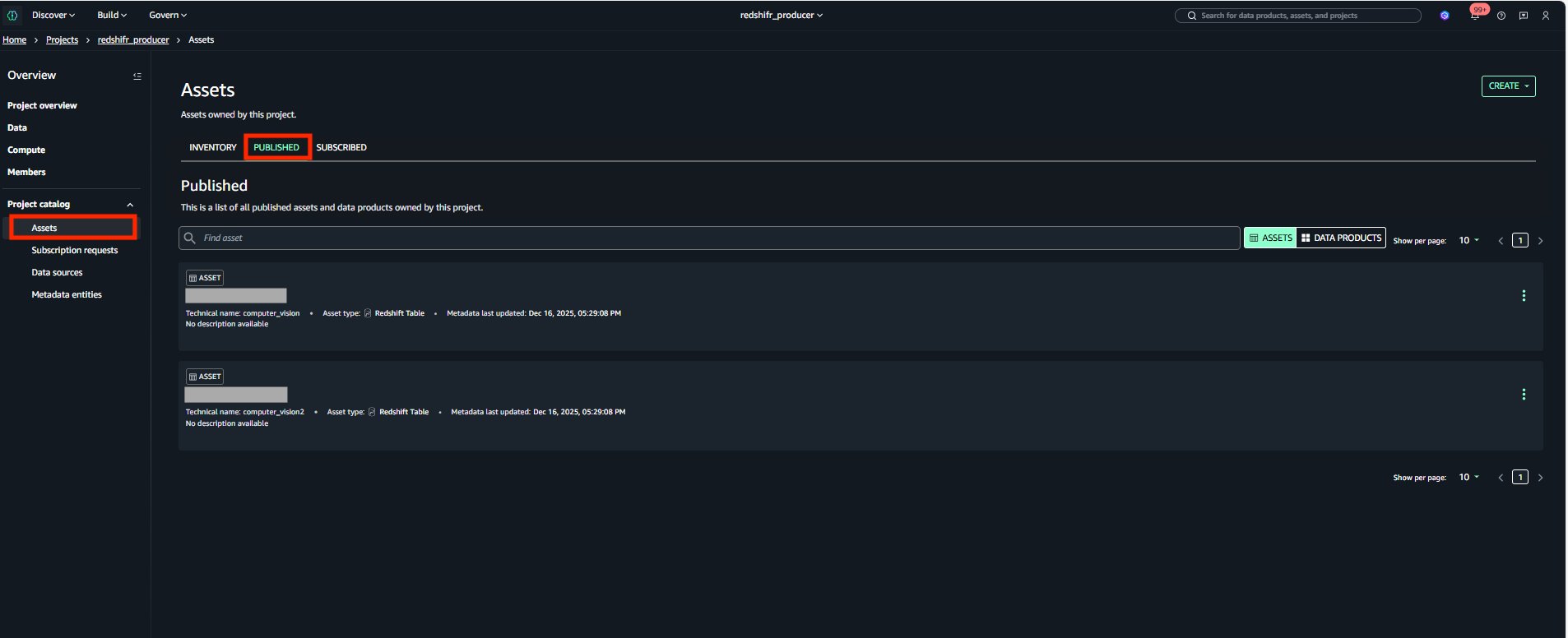
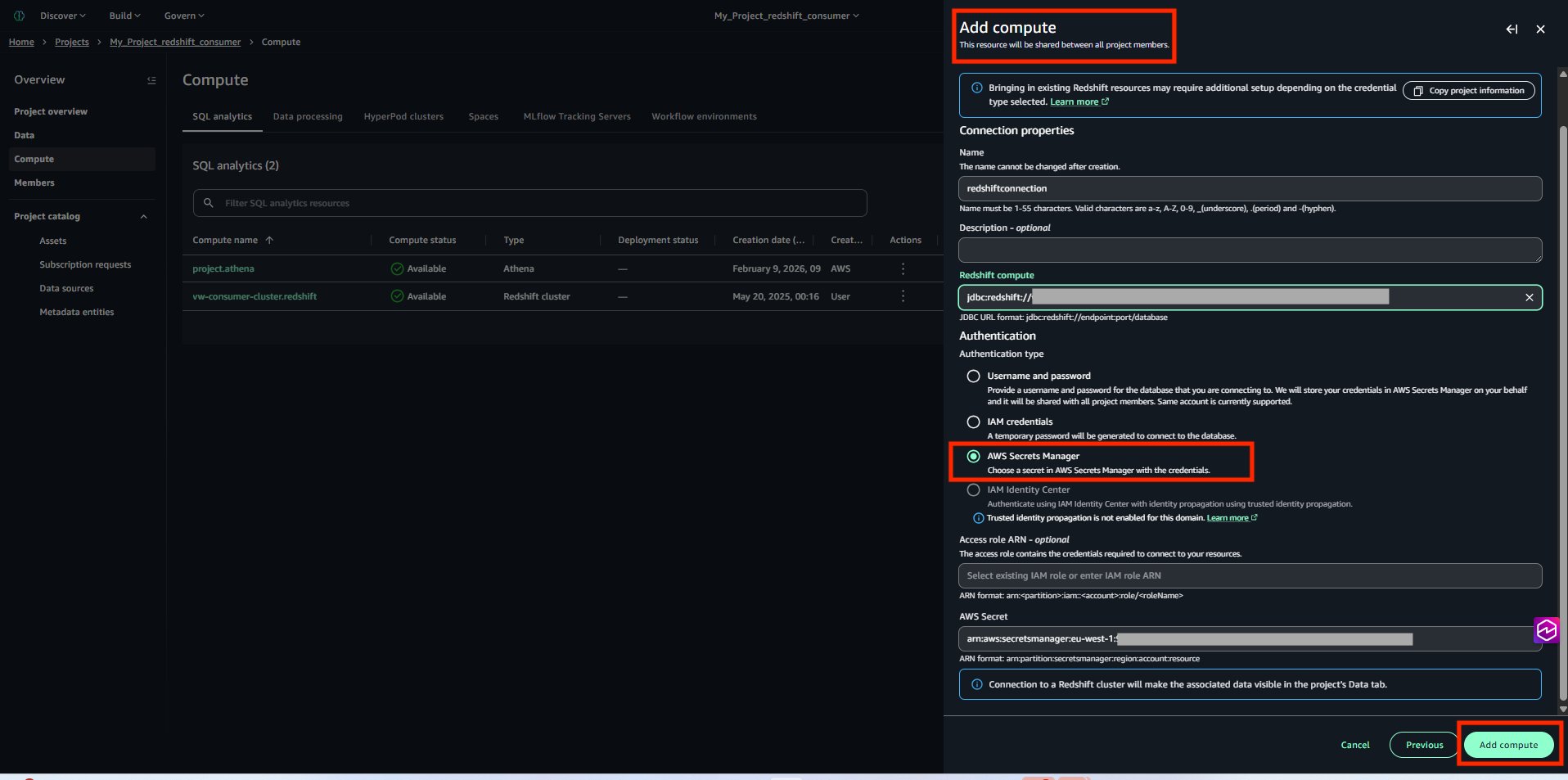
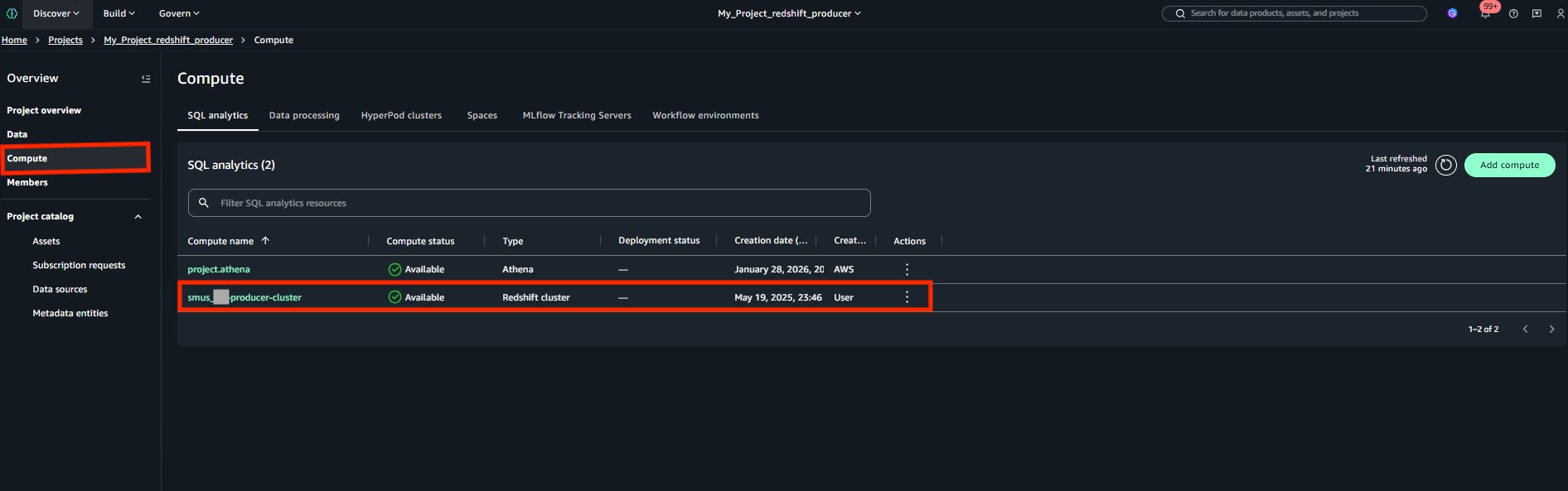
Once the infrastructure is prepared, the data producer "publishes" their assets. Within the SageMaker Unified Studio portal, the producer creates a connection to their Redshift cluster. This connection acts as a bridge, allowing the studio to index the tables and views within the database. The producer then defines a "Data Source," which specifies which schemas should be made public to the organization.
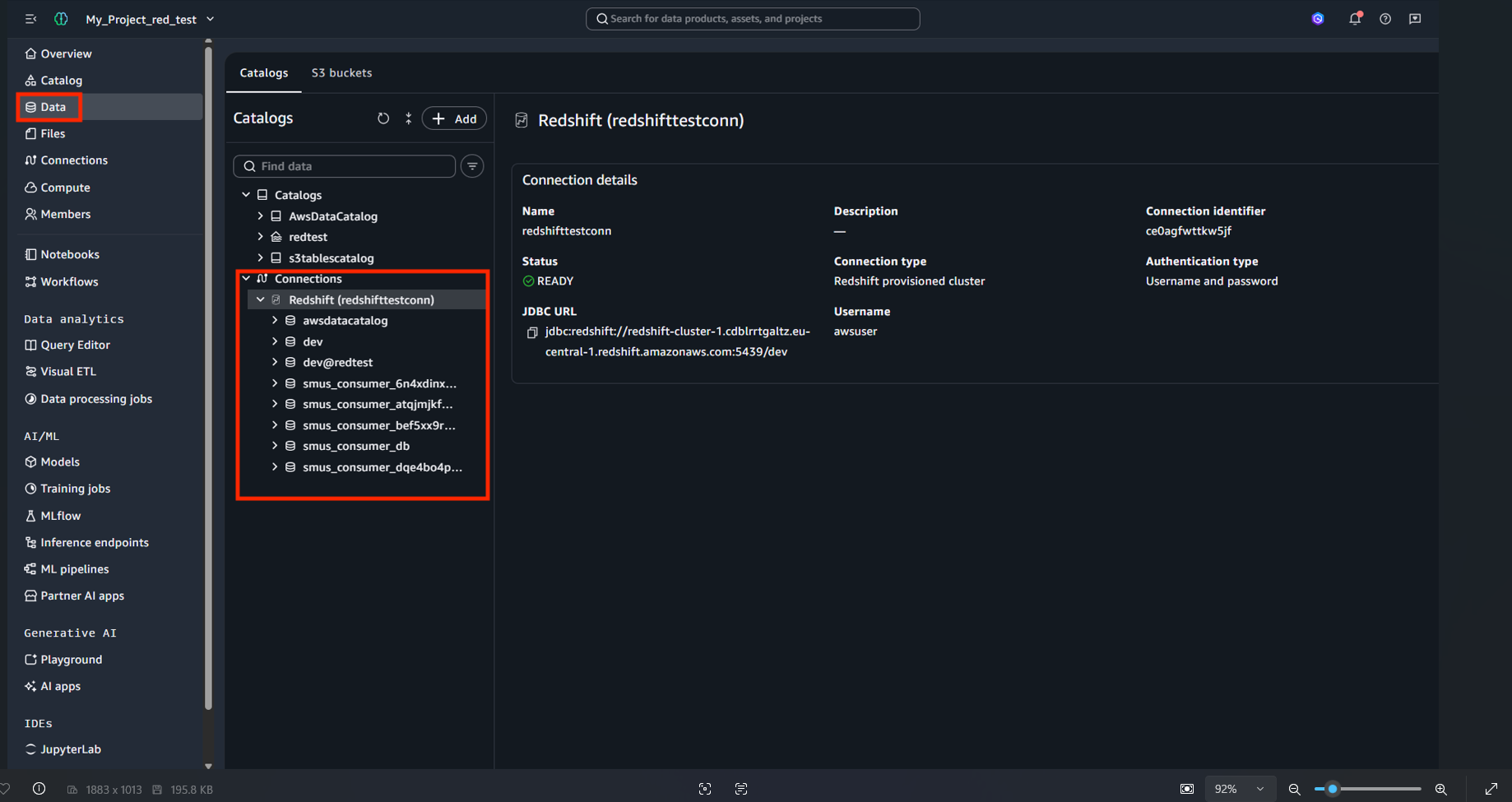
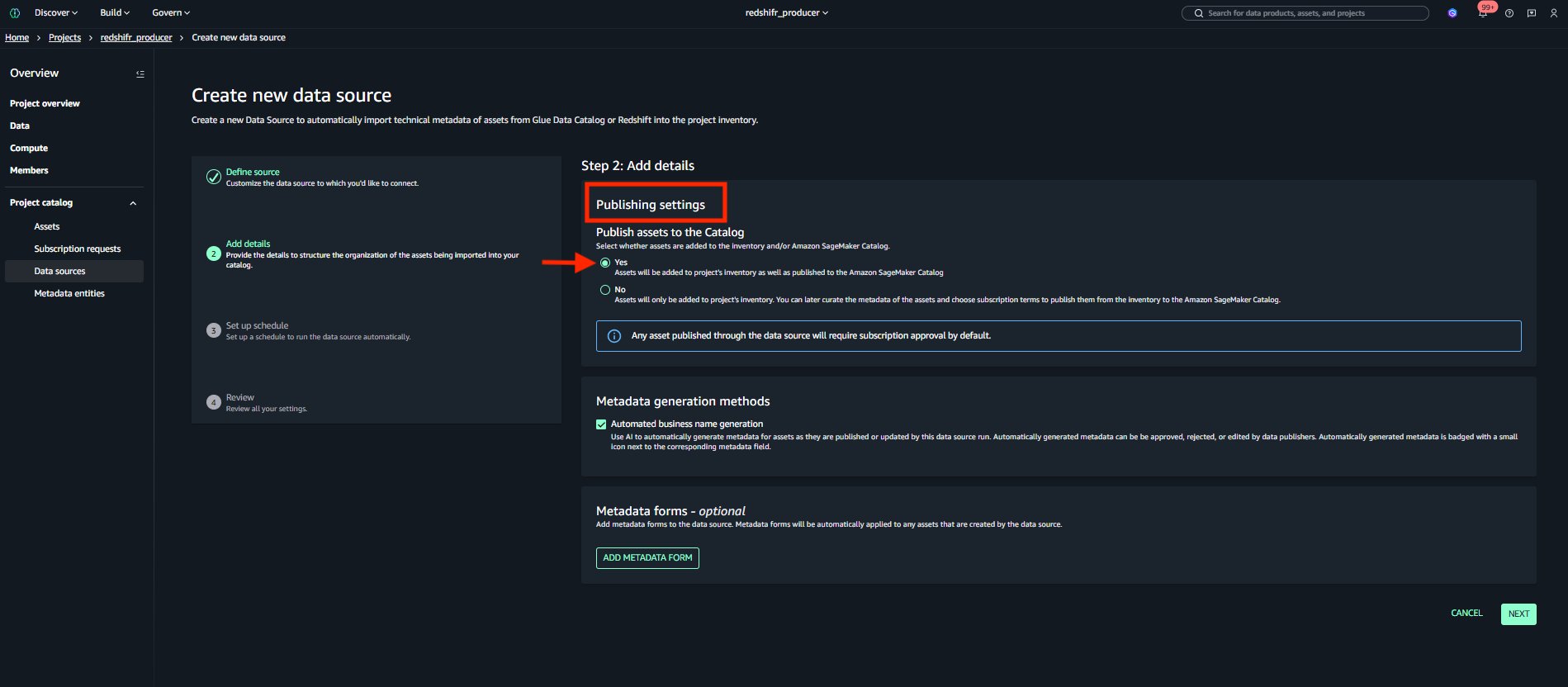
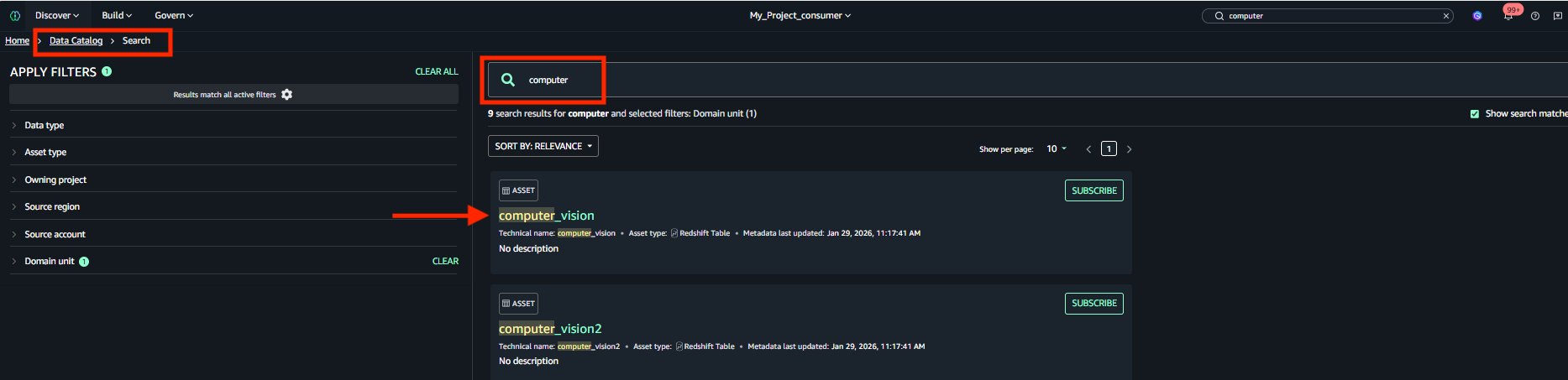
The publishing process transforms raw database tables into "Data Products." These products are enriched with metadata—descriptions, business terms, and data quality indicators—making them searchable in the central catalog. For a consumer in a different department, the experience is similar to an e-commerce platform: they search the catalog, find the dataset they need, and click "Subscribe."
The Subscription Workflow and Automated Provisioning
The "Subscription" phase is where the governance benefits of SageMaker Unified Studio become most apparent. When a consumer requests access, the request is routed to the data owner (the producer) for approval. This workflow ensures that data access is never granted by default, maintaining the principle of least privilege.
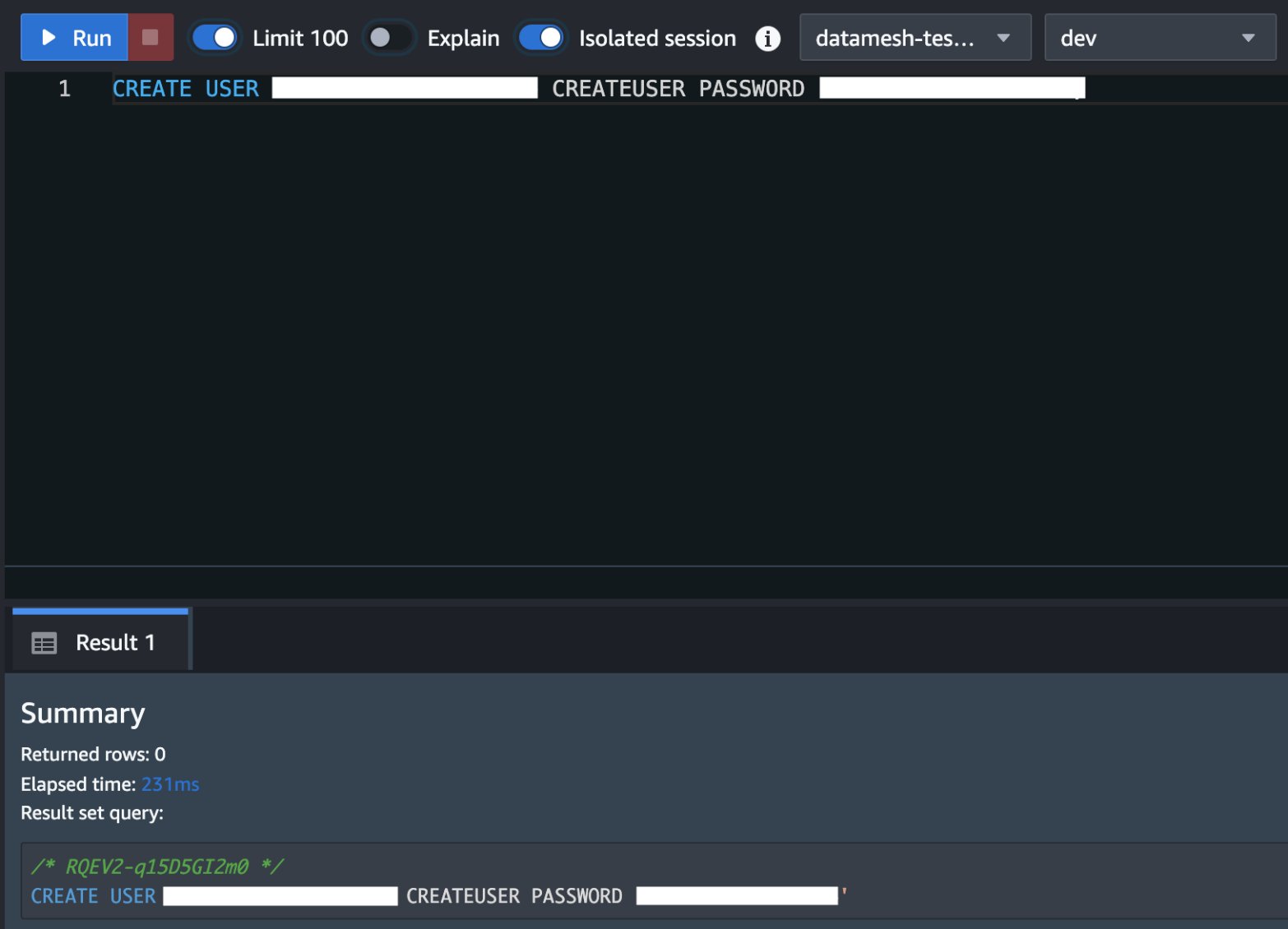
Upon approval, SageMaker Unified Studio automates the technical "handshake." In a traditional setup, an admin would need to run GRANT commands on the producer cluster and CREATE DATABASE FROM DATASHARE commands on the consumer cluster. SageMaker Unified Studio performs these actions via the Redshift Data API. For the consumer, the data appears as a new schema in their local Redshift environment, accessible through standard SQL queries.
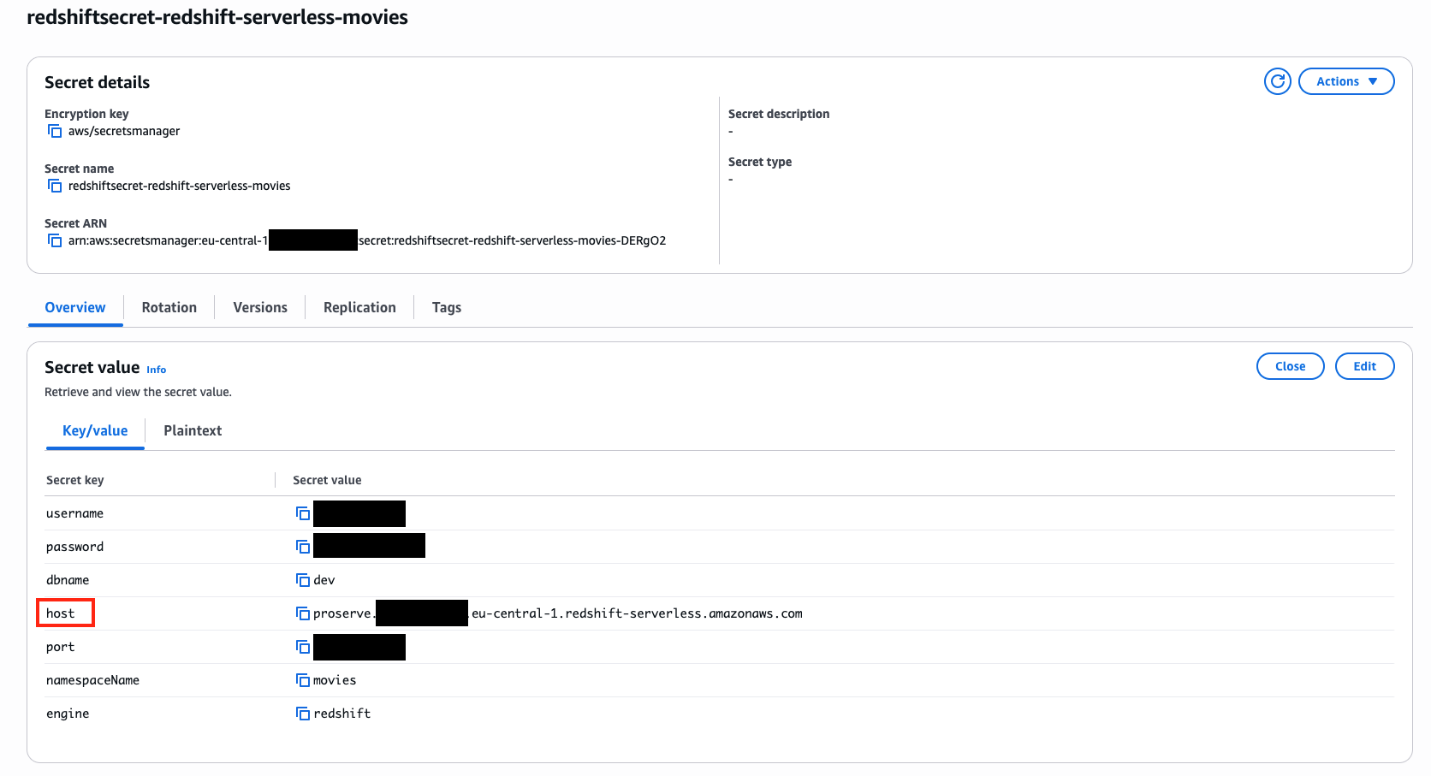
For organizations utilizing Amazon Redshift Serverless, the process is nearly identical, though it relies on workgroupName and namespace identifiers rather than fixed cluster IDs. This flexibility allows enterprises to mix provisioned and serverless environments within the same data mesh.
Supporting Data and Industry Context
The move toward automated data governance is supported by significant industry data. According to a 2023 Gartner report, organizations that implement a data fabric or mesh architecture can reduce their time-to-integrated-data by up to 30%. Furthermore, the risk of data breaches associated with "shadow data"—data shared through unofficial channels like CSV exports—is significantly mitigated when a formal, auditable sharing mechanism is in place.
Industry analysts suggest that the integration of SageMaker Unified Studio with Redshift is a direct response to the "Great Data Fragmentation" occurring in multi-cloud and multi-account enterprises. By providing a low-code/no-code interface for data sharing, AWS is effectively democratizing data access, allowing business users to manage permissions that previously required specialized database administrator (DBA) skills.
Security, Auditing, and Compliance Implications
A primary concern for any cross-account architecture is the audit trail. The SageMaker Unified Studio approach leverages AWS CloudTrail to log every action. When a subscription is requested, approved, or rejected, an event is emitted under the datazone.amazonaws.com source.
Furthermore, by integrating with Amazon Redshift audit logging, organizations can track exactly who queried what data and when. This level of granularity is essential for compliance with regulations such as HIPAA in healthcare or GDPR in the European Union. Because the system uses AWS Secrets Manager with automatic rotation, the risk of credential compromise is also significantly lower than manual sharing methods where passwords might be shared via insecure channels.
Broader Impact and the Future of AI-Ready Data
The implications of this architecture extend far beyond simple data sharing. As organizations pivot toward Generative AI and Large Language Models (LLMs), the demand for "AI-ready" data has surged. LLMs require high-quality, governed data for fine-tuning and Retrieval-Augmented Generation (RAG).
By establishing a data mesh through SageMaker Unified Studio, companies create a pipeline of clean, governed data that can be immediately consumed by AI services like Amazon Bedrock or SageMaker Training. The unified environment allows a data engineer to publish a Redshift table and a data scientist to subscribe to it and begin training a model within the same interface, drastically reducing the "friction to insight."
In conclusion, the integration of Amazon Redshift and SageMaker Unified Studio represents a significant milestone in cloud data management. It replaces the manual, error-prone processes of the past with a scalable, automated framework that adheres to modern data mesh principles. For the modern enterprise, this is not merely a technical upgrade; it is a strategic necessity for competing in an increasingly data-driven global economy. As AWS continues to evolve these services, the boundary between data storage and data intelligence will continue to blur, paving the way for more autonomous and secure enterprise data ecosystems.