Tag Indoor Water Parks
Indoor Water Parks: Year-Round Aquatic Adventures
Indoor water parks represent a significant evolution in the leisure and hospitality industry, offering a controlled environment for aquatic recreation regardless of external weather conditions. These expansive facilities combine the thrill of water slides, wave pools, lazy rivers, and splash zones with the comfort of climate-controlled interiors, making them an attractive destination for families, individuals, and groups throughout the year. The strategic design and engineering behind indoor water parks are crucial to their success, addressing factors like water management, structural integrity, energy efficiency, and guest experience. The rise of indoor water parks is fueled by a demand for consistent, weather-proof entertainment options, particularly in regions with distinct seasonal changes. They provide a unique value proposition by extending the traditional summer water park season into the fall, winter, and spring, thereby maximizing revenue potential and offering a reliable leisure choice for consumers. Understanding the multifaceted nature of indoor water parks, from their construction and operation to their economic impact and marketing strategies, is essential for grasping their role in the modern entertainment landscape.
The architectural and engineering principles underpinning indoor water parks are foundational to their functionality and guest safety. Enclosing such a vast amount of water and creating a humid, tropical-like atmosphere within a building presents unique challenges. Structural engineers must design robust roofing systems capable of spanning large areas, often incorporating specialized materials that can withstand the constant moisture and chlorine exposure. Ventilation and dehumidification systems are paramount. These systems are engineered to manage the high humidity levels generated by thousands of gallons of heated water evaporating, preventing condensation buildup that could damage the building’s structure, compromise air quality, and lead to mold growth. Advanced HVAC (Heating, Ventilation, and Air Conditioning) systems are installed, often with dedicated dehumidification units, to maintain a comfortable temperature and humidity balance, typically hovering around 80-85 degrees Fahrenheit with corresponding humidity levels. Water treatment and filtration systems are also of critical importance. These are sophisticated, multi-stage systems designed to maintain pristine water quality, removing debris, balancing chemical levels (chlorine, pH), and ensuring safety for swimmers. Regular testing and meticulous maintenance are non-negotiable to prevent waterborne illnesses and preserve the clarity and appeal of the water. The choice of building materials is also significant. Non-corrosive and water-resistant materials are selected for walls, floors, and structural elements to ensure longevity and minimize maintenance. Sound dampening is another engineering consideration, as the combined noise of splashing water, excited guests, and operational equipment can be considerable. Acoustic panels and thoughtful building layouts are employed to mitigate noise pollution and enhance the guest experience.
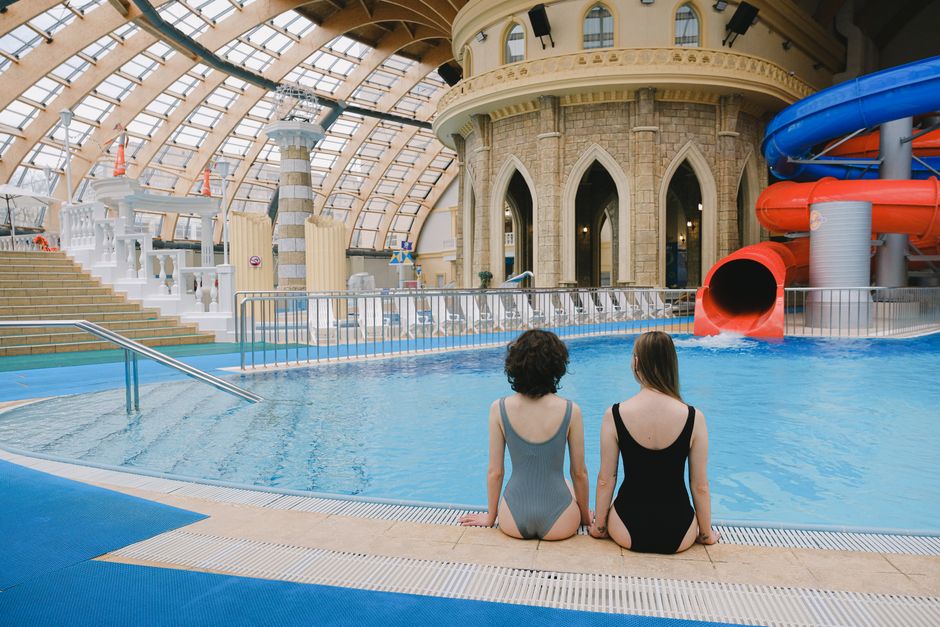
The guest experience within an indoor water park is curated through a blend of thrilling attractions, relaxed amenities, and thematic design. Water slides are the primary draw for many, ranging from gentle, winding flumes suitable for younger children to adrenaline-pumping, high-speed drops and tube rides for thrill-seekers. Wave pools are another staple, mimicking the ocean’s ebb and flow with varying wave intensities. Lazy rivers offer a more tranquil experience, allowing guests to drift along a gentle current, often passing by themed landscapes or interactive water features. Splash pads and dedicated children’s areas provide safe and engaging environments for younger visitors, equipped with smaller slides, water cannons, and tipping buckets. Beyond the water attractions, amenities are designed to enhance comfort and convenience. Locker rooms are equipped with ample storage and drying facilities. Food and beverage options typically include casual dining, snack bars, and concessions offering a range of choices to suit different tastes and budgets. Retail outlets provide souvenirs, swimwear, and other necessities. Many indoor water parks also incorporate additional entertainment elements such as arcades, mini-golf, or even themed entertainment shows, transforming them into comprehensive family entertainment centers. The thematic design of indoor water parks plays a crucial role in immersing guests in an enjoyable environment. Whether embracing a tropical paradise, an ancient ruin, or a futuristic adventure, consistent theming from the architecture to the décor enhances the overall escapism and memorability of the visit. This immersive approach encourages repeat visits and contributes to positive word-of-mouth marketing.
The economic impact of indoor water parks is substantial, contributing to local economies through job creation, tourism revenue, and increased demand for ancillary services. These facilities are often significant employers, generating jobs in operational roles such as lifeguards, maintenance staff, food service workers, and customer service representatives, as well as in management and administrative positions. The construction phase of an indoor water park also creates a temporary but substantial economic boost through employment for construction workers, architects, engineers, and suppliers of building materials. For surrounding communities, indoor water parks act as powerful tourism magnets. They attract visitors from outside the immediate area, many of whom will spend money not only on park admission and amenities but also on local hotels, restaurants, retail stores, and other attractions. This influx of tourist dollars stimulates economic growth and diversification. Furthermore, indoor water parks can revitalize underutilized commercial areas or serve as anchors for new developments, leading to increased property values and further investment. The seasonal independence of indoor water parks is a key economic advantage. Unlike outdoor water parks that are limited by weather and daylight hours, indoor facilities can operate year-round, providing a consistent revenue stream and year-round employment. This stability makes them attractive investments and a reliable economic engine for their host regions. The development of indoor water parks also spurs innovation in related industries, such as water treatment technology, specialized building materials, and attraction design.
Marketing and branding strategies for indoor water parks are essential for attracting and retaining a target audience, particularly in a competitive entertainment market. Given their appeal to families, marketing efforts often focus on highlighting the family-friendly nature of the attractions, safety features, and the year-round accessibility. Digital marketing plays a crucial role, with an emphasis on search engine optimization (SEO) to ensure visibility when potential visitors search for keywords such as "indoor water park," "family fun," "things to do with kids," or specific location-based searches like "[city name] water park." High-quality imagery and video content showcasing the most exciting attractions, clean facilities, and happy guests are vital for website and social media engagement. Social media platforms are leveraged to share promotions, announce new attractions, run contests, and engage directly with potential and existing customers. Partnerships with local hotels, tourism boards, and other family-oriented businesses can expand reach and create bundled packages that offer added value to visitors. Public relations efforts, including press releases about new features or events and invitations for media familiarization trips, can generate valuable editorial coverage. Loyalty programs and special offers, such as seasonal passes or discounted admission for local residents, are effective in encouraging repeat business and fostering a sense of community. Branding needs to be consistent across all touchpoints, creating a recognizable and appealing identity that resonates with the target demographic. The emphasis on safety, cleanliness, and providing a memorable experience is a recurring theme in effective marketing campaigns for these facilities.
Operational efficiency and maintenance are critical to the long-term success and profitability of indoor water parks. The sheer volume of water, combined with constant guest usage, demands rigorous operational protocols. Lifeguards are the frontline of safety, requiring extensive training, regular certification, and continuous supervision to ensure guest well-being. Regular inspections of all attractions, from slide surfaces to wave pool machinery, are conducted to identify and address any potential hazards or maintenance issues. Water quality testing is performed multiple times daily, with meticulous records kept to comply with health and safety regulations. Chemical levels are constantly monitored and adjusted to maintain optimal hygiene and guest comfort. Beyond the immediate safety and hygiene aspects, the ongoing maintenance of the facility itself is a significant undertaking. This includes managing the complex HVAC and dehumidification systems, ensuring they operate at peak efficiency to control humidity and air quality. Cleaning and sanitization of all surfaces – pool decks, locker rooms, food service areas, and common spaces – are performed continuously. The mechanical systems that operate wave pools, water slides, and filtration units require regular servicing and eventual replacement. Energy management is also a crucial operational consideration, as heating and maintaining large volumes of water, along with powering lighting and ventilation, can be energy-intensive. Implementing energy-efficient technologies and smart operational practices can significantly reduce costs and environmental impact. A well-trained and motivated operational staff is the backbone of a successful indoor water park, ensuring that every aspect of the guest experience, from safety to cleanliness to the smooth functioning of attractions, is consistently upheld.
The evolution of indoor water park technology continues to drive innovation and enhance the guest experience. Advances in water filtration and treatment systems have led to more efficient and environmentally friendly methods of maintaining water quality, often reducing chemical usage and energy consumption. Smart building technologies are being integrated to optimize HVAC systems, manage lighting, and even monitor water levels and flow, contributing to greater operational efficiency and cost savings. The design of water slides is also constantly evolving, with new thrill elements, interactive features, and enhanced safety mechanisms being developed. Virtual reality (VR) and augmented reality (AR) are emerging as potential additions, offering immersive pre-ride experiences or interactive elements within the water park environment. The development of sustainable construction materials and energy-efficient building designs are also shaping the future of indoor water parks, aligning these entertainment venues with growing environmental consciousness. Furthermore, the integration of cashless payment systems and mobile apps for ordering food, booking cabanas, and accessing park maps is streamlining the guest experience and improving operational flow. These technological advancements not only enhance the excitement and engagement for visitors but also contribute to the economic viability and long-term sustainability of indoor water park operations. The ongoing pursuit of innovation ensures that indoor water parks remain dynamic and appealing entertainment destinations capable of adapting to evolving consumer expectations and technological capabilities.
The target audience for indoor water parks is broad, encompassing families with children of all ages, teenagers seeking thrills, and adults looking for a unique recreational experience. For families, indoor water parks offer a safe and engaging environment where children can expend energy and create lasting memories. The controlled climate is particularly appealing to parents concerned about sun exposure, fluctuating temperatures, or inclement weather that might otherwise curtail outdoor activities. Teenagers are drawn to the high-adrenaline water slides, wave pools, and social atmosphere, often visiting in groups. Adults may seek a relaxing escape, enjoying the lazy rivers, swim-up bars, or the novelty of a tropical environment. Corporate groups and school groups also represent significant market segments, utilizing indoor water parks for team-building events, educational outings, and end-of-year celebrations. The ability to accommodate large groups in a weather-proof setting makes them an attractive option for event planners. The marketing and operational strategies are tailored to appeal to these diverse demographics, emphasizing different aspects of the park’s offerings to resonate with each group. For instance, family-focused marketing will highlight safety and kid-friendly attractions, while promotions for teenagers might emphasize thrill rides and social opportunities. Understanding and catering to the specific needs and desires of each target segment is crucial for maximizing attendance and revenue. The consistent appeal of indoor water parks lies in their ability to provide a multifaceted entertainment experience that can be enjoyed by a wide range of age groups and interest profiles, making them a versatile and popular leisure destination.