
Expert Guide To Andalusia Spain

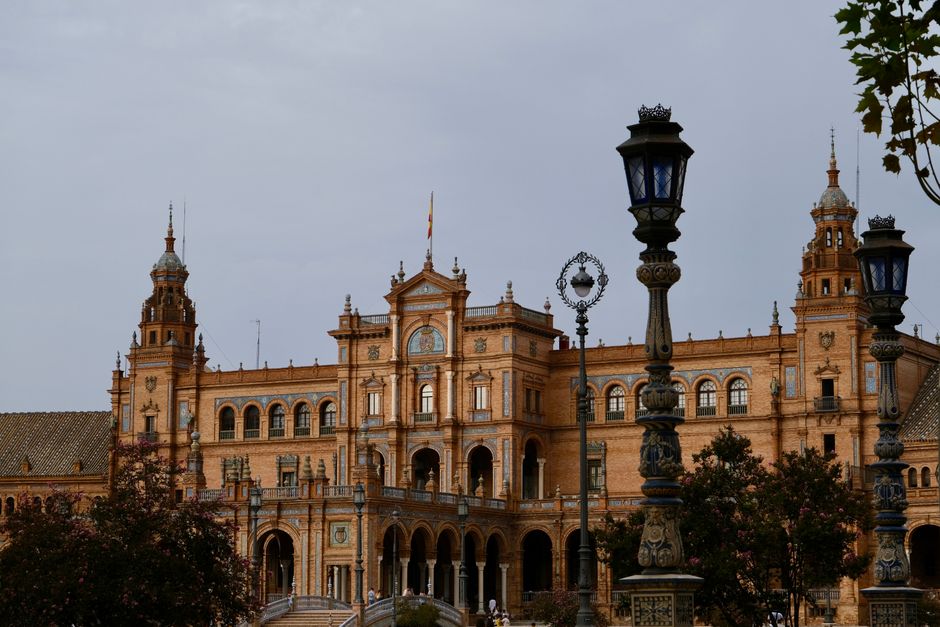
Andalusia, Spain: An Expert Guide to the Jewel of Southern Iberia
Andalusia, Spain’s southernmost autonomous community, is a land steeped in history, vibrant culture, and breathtaking landscapes. Its allure lies in a rich tapestry woven from Moorish heritage, Flamenco passion, sun-drenched beaches, and a culinary tradition that tantalizes the senses. This comprehensive guide delves into the essential experiences and practical advice for navigating this captivating region, ensuring an enriching and unforgettable journey. From the architectural marvels of Granada and Seville to the rugged beauty of the Sierra Nevada and the coastal charm of the Costa del Sol, Andalusia offers a diverse array of attractions catering to every traveler’s desires. Understanding the optimal times to visit, key transportation networks, and regional specialties will unlock the true essence of this Spanish gem.
Seville: The Heartbeat of Andalusia
Seville, the region’s vibrant capital, pulsates with energy and history. Its iconic Alcázar of Seville, a UNESCO World Heritage site, is a stunning testament to Mudéjar architecture, boasting intricate tilework, lush gardens, and opulent palaces that whisper tales of Moorish sultans and Christian kings. Adjacent to the Alcázar stands the magnificent Seville Cathedral, the largest Gothic cathedral in the world, housing the tomb of Christopher Columbus. Ascending the Giralda Tower, the cathedral’s former minaret, offers panoramic views of the city, a breathtaking vista of orange rooftops and winding streets. The charming Barrio Santa Cruz, Seville’s historic Jewish quarter, is a labyrinth of narrow alleys, flower-filled patios, and hidden plazas, perfect for leisurely exploration. Experiencing a live Flamenco show in Triana, the birthplace of this passionate art form, is an absolute must. The raw emotion, intricate footwork, and soulful singing are an unforgettable cultural immersion. Seville’s culinary scene is equally captivating, with tapas bars offering an endless variety of small plates. Don’t miss tasting salmorejo (a cold tomato soup), espinacas con garbanzos (spinach with chickpeas), and solomillo al whisky (pork tenderloin in whiskey sauce).
Granada: The Alhambra’s Enchantment
Granada, nestled at the foot of the Sierra Nevada mountains, is synonymous with the Alhambra, a breathtaking palace and fortress complex that represents the pinnacle of Moorish art and architecture. The Alhambra’s intricate stucco work, serene courtyards like the Court of the Lions, and the Generalife gardens, with their cooling water channels and fragrant blooms, are utterly captivating. Booking tickets for the Alhambra well in advance is crucial, as they sell out months ahead. Beyond the Alhambra, the Albaicín, Granada’s old Moorish quarter, offers winding cobblestone streets, whitewashed houses adorned with geraniums, and stunning views of the Alhambra from the Mirador de San Nicolás. The Sacromonte neighborhood, known for its cave dwellings and Flamenco traditions, offers a unique glimpse into a different facet of Granadian culture. Granada’s cuisine reflects its Moorish past, with dishes like tortilla del Sacromonte (an omelet made with sheep’s brains and testicles) and piononos (small sponge cakes soaked in syrup) being regional specialties. The vibrant atmosphere of the Alcaicería, the old silk market, now filled with souvenir shops, adds to the city’s charm.
Córdoba: The Mezquita’s Magnificence
Córdoba, once the capital of Islamic Spain, is home to the awe-inspiring Mezquita-Cathedral, a UNESCO World Heritage site that masterfully blends Islamic and Christian architectural styles. This former mosque, with its forest of more than 850 red-and-white striped arches, is a truly unique and humbling experience. The juxtaposition of the soaring Gothic cathedral built within the mosque’s interior is a powerful visual representation of the region’s layered history. The Judería, Córdoba’s Jewish quarter, is a charming maze of narrow streets and flower-filled patios, each one a miniature oasis of tranquility. The Patios de Córdoba festival in May, where residents open their private patios to the public, showcases an extraordinary display of floral artistry. The Alcázar de los Reyes Cristianos, a fortress with beautiful gardens and Roman mosaics, offers further historical insights. Córdoba is renowned for its salmorejo, a thicker, creamier version of its Sevillian counterpart, and for its exquisite olive oil. Exploring the Mercado de la Victoria, a modern food market, provides a taste of contemporary Andalusian gastronomy.
The Costa del Sol: Sun, Sand, and Sophistication
Stretching along the Mediterranean coast, the Costa del Sol is a playground for sun-seekers and those seeking a more relaxed pace. Málaga, the region’s vibrant port city, boasts the Picasso Museum, showcasing the works of its most famous son, and the Alcazaba, a well-preserved Moorish fortress offering stunning sea views. Further west, Marbella is synonymous with luxury, boasting designer boutiques, upscale restaurants, and the glamorous Puerto Banús marina, a hub for superyachts and celebrity spotting. For those seeking more authentic charm, the whitewashed villages (pueblos blancos) scattered across the hinterland offer a delightful escape. Ronda, dramatically perched on a cliff overlooking the El Tajo gorge, is a breathtaking sight, with its iconic Puente Nuevo bridge connecting the old and new towns. Mijas Pueblo, a picturesque white village with stunning coastal views, offers a more tranquil experience. The culinary scene along the coast embraces fresh seafood, with espetos (sardines grilled on skewers) being a local specialty.
The Sierra Nevada: Majestic Peaks and Natural Beauty
For adventure seekers and nature lovers, the Sierra Nevada National Park offers a dramatic contrast to the coastal plains. This mountain range, home to mainland Spain’s highest peak, Mulhacén, provides opportunities for hiking, skiing in the winter months at Sierra Nevada Ski Resort, and exploring charming mountain villages. The picturesque village of Capileira in the Alpujarras region, known for its unique terraced architecture and traditional crafts, is a popular base for exploring the mountains. The diverse flora and fauna of the Sierra Nevada are a testament to its ecological significance. The hearty cuisine of the Alpujarras, with dishes like plato alpujarreño (a hearty dish of ham, potatoes, eggs, and chorizo), offers a warming contrast to the often cooler mountain air.
Essential Andalusian Experiences and Practical Tips
Beyond the major cities, Andalusia is dotted with charming towns and unique experiences. The coastal city of Cádiz, one of Europe’s oldest continuously inhabited cities, offers a rich maritime history and a relaxed atmosphere. The white villages of the White Villages Route (Ruta de los Pueblos Blancos), including Arcos de la Frontera, Grazalema, and Setenil de las Bodegas, are essential for experiencing traditional Andalusian life.
Transportation: Andalusia is well-connected by a network of high-speed trains (AVE) linking major cities like Seville, Córdoba, Málaga, and Granada. Renting a car is highly recommended for exploring the smaller towns and rural landscapes, especially the Pueblos Blancos. Local buses also provide a cost-effective way to travel between towns.
Best Time to Visit: Spring (April to June) and autumn (September to October) offer pleasant temperatures, ideal for sightseeing and outdoor activities, with fewer crowds than the peak summer months. Summer (July to August) can be extremely hot, especially inland, making it more suitable for coastal regions. Winter (November to March) is mild, with occasional rain, and offers fewer tourists, making it a good time for cultural exploration.
Cuisine: Andalusian cuisine is a highlight, characterized by fresh, seasonal ingredients and a strong Moorish influence. Olive oil is a staple, and the region produces some of the finest in the world. Tapas are an integral part of the dining experience, encouraging a social and diverse culinary journey. Other must-try dishes include gazpacho, pescaíto frito (fried fish), and local wines like Sherry from Jerez.
Language: While Spanish is the official language, English is widely spoken in tourist areas. Learning a few basic Spanish phrases will greatly enhance your interactions with locals and deepen your cultural immersion.
Cultural Etiquette: Andalusians are known for their warmth and hospitality. A polite greeting is customary, and mealtimes are often social affairs that can extend for hours. Siesta, the traditional afternoon rest, is still observed in many smaller towns, meaning some shops may close between roughly 2 PM and 5 PM.
Festivals and Events: Andalusia is renowned for its vibrant festivals. Semana Santa (Holy Week) processions, particularly in Seville and Málaga, are a profound religious and cultural spectacle. Feria de Abril (April Fair) in Seville is a lively celebration of Andalusian culture with traditional dress, music, and dancing. The Carnaval de Cádiz is a pre-Lenten festival known for its satirical street performances and elaborate costumes.
Andalusia, with its rich history, diverse landscapes, and passionate culture, promises an immersive and unforgettable travel experience. From the grandeur of its Moorish palaces to the vibrant energy of its flamenco performances and the tranquility of its white-washed villages, this southern Spanish jewel offers a sensory feast for every traveler. Careful planning, particularly regarding accommodation and transportation, will ensure that you can fully embrace the magic of this extraordinary region.


