
Slow Travel Alberta Train Jasper National Park Edmonton

Slow Travel Alberta Train Jasper National Park Edmonton: An Unforgettable Journey Through the Canadian Rockies
Embarking on a slow travel adventure through Alberta, specifically utilizing the train to connect Edmonton with Jasper National Park, offers a profound and immersive experience of the Canadian Rockies. This approach eschews the rushed, superficial nature of modern travel, instead prioritizing connection with the landscape, the culture, and the journey itself. The VIA Rail Canada route from Edmonton to Jasper is not merely a mode of transportation; it’s an integral part of the destination, unfolding a breathtaking panorama of diverse ecosystems and geological wonders at a deliberate pace.
The Edmonton to Jasper train journey is a gateway to the heart of the Canadian Rockies, a region renowned for its pristine wilderness, towering peaks, and abundant wildlife. Unlike flying or driving, the train allows passengers to witness the subtle transformations of the landscape firsthand. From the rolling prairies surrounding Edmonton to the foothills and eventually the dramatic ascent into the Rockies, each mile reveals a new facet of Alberta’s natural beauty. This slower pace fosters a deeper appreciation for the scale and grandeur of the Canadian wilderness, making the journey itself a significant part of the travel experience.
Choosing slow travel by train also aligns with a more sustainable and environmentally conscious way to explore. Trains generally have a smaller carbon footprint per passenger mile compared to air travel or individual car journeys. This conscious decision to reduce environmental impact while still experiencing the magnificence of Jasper National Park adds another layer of fulfillment to the adventure. It’s a mindful approach to tourism that respects the natural heritage of Alberta, ensuring its preservation for future generations.
Jasper National Park, a UNESCO World Heritage Site, is the crown jewel of this Alberta train journey. Accessible by the VIA Rail Canada passenger service, Jasper is the largest national park in the Canadian Rockies, offering an unparalleled opportunity for wilderness exploration. Unlike its more developed neighbor to the south, Banff, Jasper retains a wilder, more rugged character, appealing to travelers seeking authentic outdoor experiences. The park is a sanctuary for iconic Canadian wildlife, including elk, deer, bighorn sheep, mountain goats, bears, and wolves. The train journey itself can offer glimpses of these magnificent creatures, often seen grazing in meadows or traversing the wilderness along the tracks.
The journey begins in Edmonton, Alberta’s capital city, a vibrant hub of culture and innovation with a growing appreciation for its natural surroundings. Edmonton serves as an excellent starting point for a slow travel exploration of Alberta. Before boarding the train, visitors can immerse themselves in the city’s burgeoning arts scene, explore its extensive parkland system (the "River Valley" being one of the largest urban park systems in North America), or delve into its rich history. This pre-journey exploration allows for a broader understanding of Alberta, connecting the urban experience with the wild landscapes that await.
The VIA Rail Canada train service to Jasper departs from Edmonton’s historic train station, an architectural reminder of a bygone era of rail travel. The experience of boarding the train is part of the slow travel ethos. There’s no frantic rushing through security or cramped seating; instead, there’s a sense of anticipation and the opportunity to settle in, admire the station, and prepare for the unfolding journey. The train cars are designed for comfort and panoramic viewing, with large windows that maximize the visual experience of the passing scenery.
As the train pulls away from Edmonton, the urban landscape gradually gives way to agricultural fields, marking the transition into the vast Canadian Prairies. The wide-open spaces, punctuated by distant farmsteads and the occasional herd of cattle, offer a sense of immense scale. This initial leg of the journey, while not as dramatic as the Rockies, is essential for understanding Alberta’s diverse geography and its agricultural heritage, which has shaped its identity for centuries. The rhythm of the train, the gentle sway, and the rhythmic clickety-clack of the wheels become a soothing soundtrack to this contemplative phase of the journey.
The train route then progresses towards the foothills, a transitional zone where the flat prairies begin to undulate, heralding the imminent arrival of the majestic Rocky Mountains. This is where the landscape starts to change more dramatically. The vegetation shifts, trees become more prominent, and the air takes on a different quality. Observing these subtle, yet significant, environmental shifts from the comfort of the train car is a unique and rewarding aspect of slow travel. Guides on board often provide commentary, enriching the understanding of the geology, flora, and fauna encountered along the way.
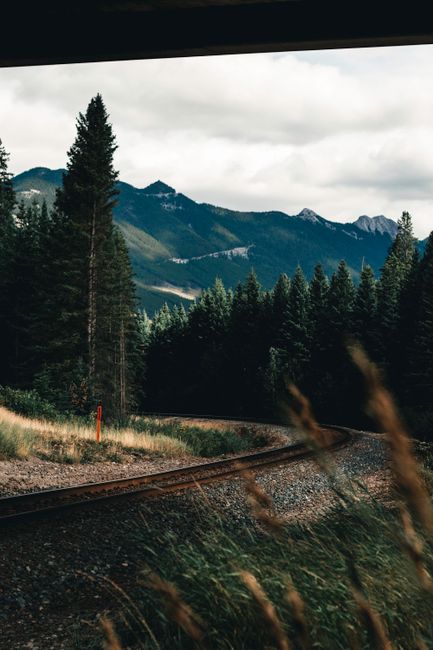
The true grandeur of the journey unfolds as the train enters the Canadian Rockies. The landscape transforms into a spectacle of towering, snow-capped peaks, turquoise lakes, and dense evergreen forests. The train tracks often wind along the edges of canyons, offering dramatic cliffside views, or traverse alongside pristine rivers, their waters a vivid shade of glacial blue. This part of the journey is characterized by breathtaking vistas that change with every curve of the track. Passengers are encouraged to move between their seats and the observation cars, equipped with even larger windows and often outdoor viewing platforms, to fully absorb the panoramic beauty.
Jasper National Park’s entrance is marked by a significant increase in the visual drama. The sheer scale of the mountains is awe-inspiring, and the sense of untouched wilderness is palpable. The train provides access directly to the town of Jasper, a charming, albeit busy, hub for park visitors. The station itself is strategically located, making it easy to transition from the train to lodging and the various activities the park offers.
Upon arrival in Jasper, the slow travel ethos continues. Instead of rushing to tick off a checklist of popular attractions, the focus shifts to experiencing the park at a more human pace. This might involve extended hikes through ancient forests, canoeing on the serene waters of Maligne Lake, or simply sitting by the Athabasca River and observing the movement of wildlife. The town of Jasper itself offers opportunities for local engagement, with its independent shops, cozy cafes, and opportunities to learn about the park’s natural and human history.
Activities in Jasper National Park are ideally suited to a slow travel approach. Consider dedicating an entire day to exploring the Maligne Canyon, a spectacular gorge carved by the Maligne River. Walking the trails and bridges that crisscross the canyon allows for an intimate understanding of its geological formations and the powerful forces that shaped them. Similarly, a visit to Spirit Island, accessible by boat tour on Maligne Lake, is an iconic Jasper experience that, when approached without haste, becomes a moment of profound natural appreciation.
Wildlife viewing in Jasper is exceptional, and the slow travel mindset allows for more patient and respectful observation. Instead of chasing after fleeting glimpses, one can spend hours in areas known for wildlife activity, patiently waiting for elk to graze in meadows or for a bighorn sheep to navigate the rocky slopes. Guided interpretive walks or drives within the park offer expert insights into animal behavior and habitat, further enriching the experience.
For those interested in photography, the slower pace of travel in Jasper National Park is invaluable. It allows ample time to find the perfect light, compose shots, and truly capture the essence of the landscape. The train journey itself provides numerous photographic opportunities, from sunrise breaking over the foothills to dramatic mountain vistas unfolding in the afternoon sun.
Beyond the natural wonders, the town of Jasper offers a glimpse into the human history of the region. Indigenous peoples have inhabited this land for millennia, and their connection to the Rockies is deeply ingrained. Learning about their traditions, their relationship with the natural world, and their historical presence adds a vital cultural dimension to the travel experience. The Jasper Yellowhead Museum & Archives, for example, can provide valuable historical context.
The return journey by train from Jasper to Edmonton offers a different perspective. The familiar scenery, now viewed in reverse, can reveal new details and appreciate the journey’s progression in a different light. The light changes, the shadows lengthen, and the sense of arrival back in Edmonton, while a return to urban life, is imbued with the memories and the profound connection forged with the Canadian Rockies.
In conclusion, the Alberta train journey from Edmonton to Jasper National Park, when embraced as a slow travel experience, transcends mere transportation. It is a deliberate and enriching exploration of one of Canada’s most iconic natural treasures. From the initial stages of the prairie landscape to the breathtaking ascent into the Rockies, and the immersive experiences within Jasper National Park, this journey is designed for deep engagement with nature, culture, and the profound beauty of the Canadian wilderness. The VIA Rail Canada service acts as the perfect enabler of this slow travel philosophy, transforming a simple transit into an unforgettable adventure. For those seeking a meaningful and sustainable way to connect with the wild heart of Alberta, the train to Jasper is an unparalleled choice, offering a holistic and deeply rewarding travel experience.


