
Tag Hong Kong Living

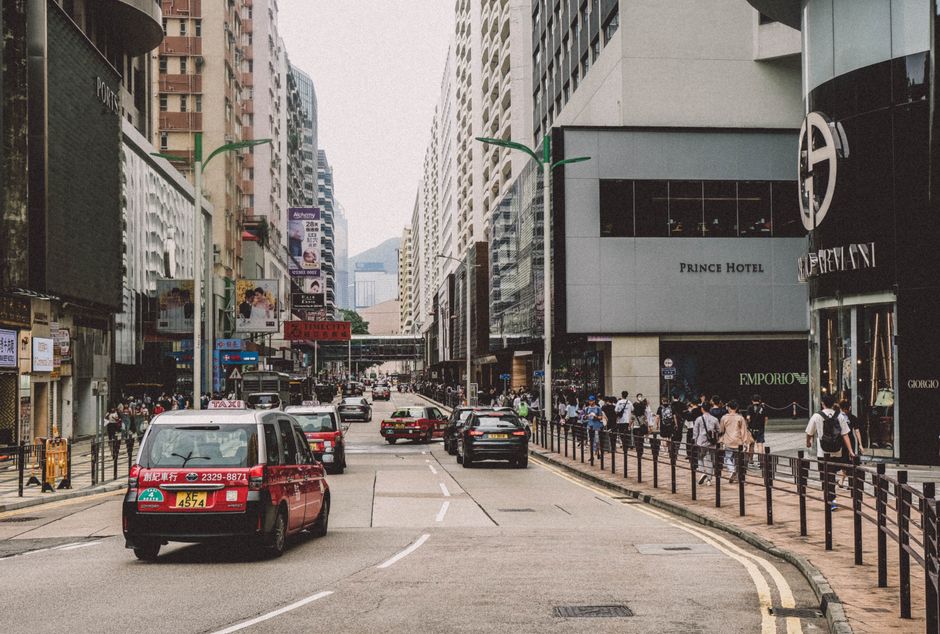
Hong Kong Living: Navigating the Metropolis of Towers and Traditions
Hong Kong, a pulsating metropolis on China’s south coast, presents a unique dichotomy of hyper-modernity and deep-rooted tradition, creating an unparalleled living experience. This Special Administrative Region (SAR) consistently ranks among the world’s top financial centers, drawing a global expatriate community and offering a dynamic lifestyle. Understanding Hong Kong living necessitates an exploration of its diverse districts, housing options, cost of living, transportation, career opportunities, cultural tapestry, and the nuances of navigating daily life in this densely populated, yet remarkably efficient, city.
The geographical layout of Hong Kong significantly influences where and how people live. The territory comprises Hong Kong Island, Kowloon, and the New Territories, each with distinct characteristics. Hong Kong Island, particularly areas like Central, Mid-Levels, and Wan Chai, embodies the city’s financial heart. These districts are characterized by soaring skyscrapers, luxury residential towers, and a vibrant nightlife. Mid-Levels, perched on the slopes of Victoria Peak, offers a more residential feel with stunning city views and a significant expatriate presence, often characterized by serviced apartments and high-end condominiums. Central is the undisputed business hub, with limited residential options primarily comprising premium apartments catering to high-earning professionals. Wan Chai blends commercial activity with residential pockets, offering a mix of older buildings and modern developments. Kowloon, separated from Hong Kong Island by Victoria Harbour, is the most densely populated peninsula. Areas like Tsim Sha Tsui, Mong Kok, and Jordan are bustling commercial and residential hubs. Tsim Sha Tsui is a major tourist destination and shopping mecca, with a wide array of apartments, many offering harbor views. Mong Kok is renowned for its vibrant street markets and energetic atmosphere, providing more affordable housing options alongside commercial spaces. The New Territories, occupying the largest land area, offer a stark contrast to the urban intensity of the island and Kowloon. Districts like Sha Tin, Tsuen Wan, and Yuen Long provide a more suburban and even rural feel, with larger residential complexes, public housing estates, and some individual houses. For those seeking a quieter lifestyle or more space, the New Territories can be an attractive proposition, though commuting times to the core business districts need careful consideration. Outlying islands such as Lantau (home to the airport and Disneyland), Lamma, and Cheung Chau offer a distinct island lifestyle, a tranquil escape from the urban hustle, with unique communities and a slower pace of life.
Housing in Hong Kong is notoriously expensive and diverse, reflecting the city’s land scarcity and high demand. The predominant residential structure is the high-rise apartment building. Studio apartments to multi-bedroom family units are available, often within large complexes featuring communal facilities like swimming pools, gyms, and children’s play areas. A significant portion of the expatriate population opts for serviced apartments, which offer the convenience of hotel amenities combined with the space and privacy of an apartment, ideal for short to medium-term stays. These are typically found in prime locations on Hong Kong Island and in Kowloon. Rental agreements are usually for one or two years, with a security deposit equivalent to one to two months’ rent and advance rent often required. Property agents play a crucial role in the rental market, and their fees are typically paid by the tenant. Negotiating rental terms can be challenging due to the competitive market, but understanding typical market rates for desired areas is essential. For those with the financial capacity, purchasing property is an option, though prices remain exceptionally high. Developers frequently offer smaller, efficiently designed units to make homeownership more accessible. The concept of "co-living" spaces is also emerging, offering shared amenities and a communal living environment, often attracting younger professionals.
The cost of living in Hong Kong is a primary consideration for anyone contemplating a move. It consistently ranks among the most expensive cities globally, primarily driven by housing costs. Rent for a modest one-bedroom apartment in a central location can consume a significant portion of one’s income. Beyond rent, groceries, dining out, and entertainment also contribute to expenses. While imported goods can be costly, local markets offer more affordable produce. Dining out presents a wide spectrum, from affordable dai pai dongs (open-air food stalls) and local eateries to Michelin-starred restaurants. Transportation, as detailed later, is relatively inexpensive. Utilities, including electricity, water, and internet, are generally comparable to other major global cities. Healthcare costs can vary depending on whether one utilizes public or private facilities. Private healthcare, while more expensive, offers shorter waiting times and English-speaking doctors. Public healthcare is subsidized and significantly more affordable, though it can be crowded. Schooling is another major expense for families, with international schools being particularly costly. However, excellent public and local private schools are also available, offering a high standard of education.
Efficient and extensive public transportation is a cornerstone of Hong Kong living, mitigating the challenges posed by its high population density. The Mass Transit Railway (MTR) system is the city’s lifeline, connecting virtually every corner of Hong Kong Island, Kowloon, and the New Territories with speed and reliability. MTR stations are clean, well-maintained, and provide clear signage in English. Complementing the MTR are a vast network of buses, trams (on Hong Kong Island), and ferries. The iconic Star Ferry offers a scenic and affordable commute across Victoria Harbour, a quintessential Hong Kong experience. Taxis are readily available and reasonably priced, especially for shorter journeys or when traveling with luggage. For cross-border travel to mainland China, the MTR offers direct train services, and numerous bus routes are also available. The Octopus Card, a rechargeable smart card, is indispensable for seamless travel across all public transport modes, including ferries, buses, and even for making small purchases in convenience stores. Navigating the city is generally straightforward, and the public transport system is one of Hong Kong’s most significant advantages, making it possible to live outside the immediate city center and still commute efficiently.
Hong Kong’s economic landscape is diverse and dynamic, offering a wealth of career opportunities, particularly in finance, professional services, and trade. As a global financial hub, the banking and investment sectors are strong, attracting talent from around the world. Legal services, accounting, and management consulting are also prominent. The city’s status as a gateway to mainland China fuels its role in international trade, logistics, and manufacturing. Technology, media, and creative industries are also growing sectors, contributing to the city’s evolving economic profile. For expatriates, securing a visa typically requires a job offer from a Hong Kong-based employer. The Working Holiday Scheme offers opportunities for younger individuals. The entrepreneurial spirit is strong, with a growing startup scene, particularly in fintech and innovation. Understanding the local job market, networking, and leveraging international qualifications are key to career success in Hong Kong. While the work culture can be demanding, the rewards, both financial and professional, are often substantial.
The cultural fabric of Hong Kong is a fascinating fusion of East and West, shaped by its colonial past and its proximity to mainland China. Traditional Chinese festivals, such as Chinese New Year and the Mid-Autumn Festival, are celebrated with gusto, offering vibrant street decorations, lion dances, and family gatherings. Simultaneously, Western influences are evident in its art scene, music, fashion, and dining. The city boasts a thriving arts and culture scene, with numerous museums, galleries, and performance venues. The Hong Kong Museum of Art, the Hong Kong Space Museum, and the Hong Kong Cultural Centre are popular destinations. The annual Hong Kong Arts Festival and the Hong Kong International Film Festival attract global attention. The culinary scene is legendary, offering an unparalleled gastronomic journey. From authentic Cantonese dim sum and roast goose to international cuisine from every corner of the globe, Hong Kong is a food lover’s paradise. The juxtaposition of ancient temples nestled amidst towering skyscrapers and bustling wet markets operating alongside luxury shopping malls exemplifies the city’s unique cultural blend.
Navigating daily life in Hong Kong involves embracing its fast pace and unique characteristics. Language can be a minor barrier, with Cantonese being the primary spoken language. However, English is widely spoken in business and tourist areas, and most signage is bilingual. Learning basic Cantonese phrases can greatly enhance social interactions. The climate is subtropical, with hot and humid summers and mild winters. Typhoons can occur during the summer months, and it’s advisable to stay informed about weather warnings. Recycling and waste management are important considerations, with the government encouraging waste reduction. Social etiquette is generally respectful, with an emphasis on politeness and consideration for others, particularly in public spaces. Queuing is common and expected. Tipping is not as deeply ingrained as in some Western countries; service charges are often included in bills at restaurants. Building and maintaining a social network, both professional and personal, is crucial for settling in and enjoying life in Hong Kong. Local community groups, expat organizations, and online forums can be valuable resources for connecting with others and finding information. The city’s high energy and constant buzz can be invigorating, but it’s also important to find moments of respite, whether through exploring its numerous green spaces, hiking trails, or taking day trips to its quieter outlying islands. Hong Kong living is an immersive experience, demanding adaptability and an open mind, but rewarding those who embrace its vibrant energy and unique character with a truly unforgettable urban adventure.


