
Hotel Within A Hotel Concept

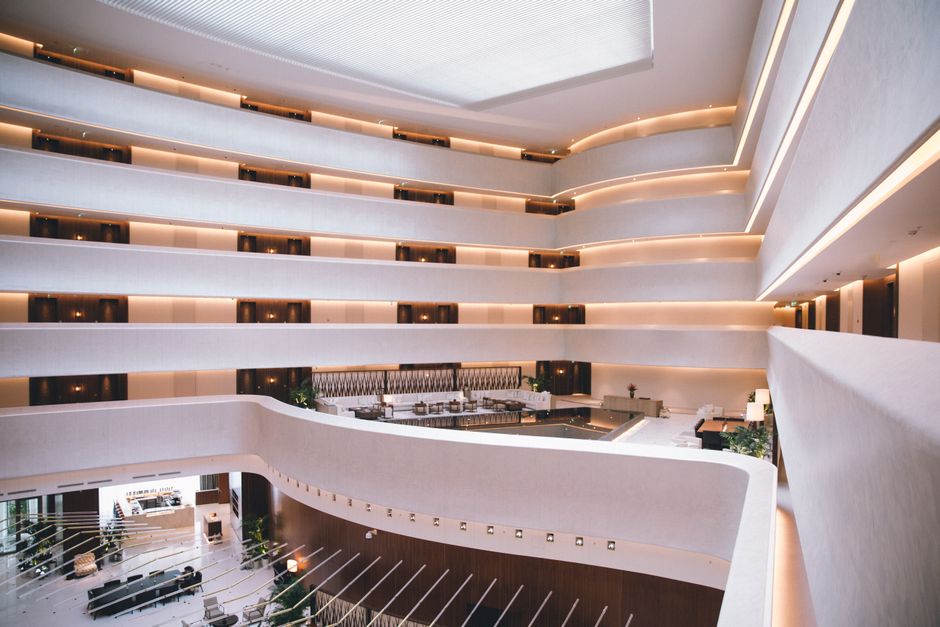
The Hotel-Within-A-Hotel: Redefining Luxury and Segmentation in Hospitality
The "hotel-within-a-hotel" concept represents a sophisticated evolution in the hospitality industry, allowing a larger, often multi-faceted property to house distinct, premium segments of accommodation and service under its umbrella. This strategy leverages the operational efficiencies and brand recognition of a parent hotel while creating exclusive enclaves that cater to a discerning clientele seeking a more personalized, elevated, and bespoke experience. It’s not merely about offering different room types; it’s about curating unique environments, amenities, and service standards that differentiate themselves significantly from the rest of the property, effectively operating as independent hotels within the larger structure. This approach allows hotel groups to target diverse market segments with greater precision, from ultra-luxury seekers to business travelers demanding specialized services, without the significant capital investment and brand dilution that opening entirely separate hotels might entail.
The core of the hotel-within-a-hotel model lies in its ability to offer a spectrum of experiences. The parent hotel typically provides a broad range of accommodations and services, appealing to a wider demographic. Within this framework, a smaller, more exclusive section is carved out, boasting enhanced amenities, more opulent décor, dedicated staff, and often a more restricted access policy. This dedicated section is then positioned and marketed as a distinct entity, embodying a higher tier of luxury, service, or specialization. Think of it as a five-star boutique hotel existing symbiotically within a bustling four-star convention hotel, or a hyper-modern tech-focused executive floor nestled within a classic grand dame hotel. The synergy allows for shared resources such as housekeeping infrastructure, engineering support, and marketing reach, while the exclusive segment enjoys its own identity and operational autonomy in critical guest-facing areas.
Several key elements define a successful hotel-within-a-hotel concept. Firstly, distinct identity and branding are paramount. The exclusive segment must possess a clear, aspirational brand that resonates with its target audience. This involves a unique name, logo, design aesthetic, and marketing narrative that sets it apart from the parent hotel. While it benefits from the parent’s established reputation and infrastructure, it must also stand on its own as a desirable destination. Secondly, exclusive access and privacy are crucial. The "hotel-within-a-hotel" is typically accessed via a separate entrance, private elevator, or dedicated reception area, offering guests a sense of seclusion and an escape from the general hotel traffic. This heightened sense of privacy is a significant draw for affluent travelers, celebrities, and those seeking a tranquil retreat.
Thirdly, elevated amenities and services are non-negotiable. This includes more spacious and luxuriously appointed rooms and suites, premium bedding and linens, designer toiletries, advanced in-room technology, and often access to exclusive lounges, private dining rooms, or rooftop terraces. The service delivery model is also significantly enhanced, with a higher staff-to-guest ratio, personalized concierge services, dedicated butlers, and proactive anticipation of guest needs. The staff in the exclusive segment are trained to understand and cater to the specific preferences and expectations of its discerning clientele, often with a deep understanding of luxury service protocols.
The operational advantages of the hotel-within-a-hotel model are numerous. Cost-effectiveness is a primary driver. Building a separate luxury hotel from the ground up is a capital-intensive endeavor. By integrating a premium segment within an existing structure, developers can significantly reduce upfront investment while still tapping into the lucrative luxury market. Leveraging existing infrastructure such as kitchens, laundry facilities, security systems, and back-of-house operations leads to substantial cost savings and operational efficiencies. This shared infrastructure allows the exclusive segment to benefit from economies of scale that would be impossible for a standalone boutique property.
Brand extension and market segmentation are other significant benefits. The hotel-within-a-hotel strategy allows a brand to cater to a wider array of guest profiles without diluting its core identity. A large convention hotel can attract high-end leisure travelers or corporate executives seeking premium accommodations by offering an exclusive sanctuary within its walls. This segmentation enables targeted marketing campaigns and a more precise approach to revenue management, allowing hotels to optimize pricing and occupancy across different market segments. It also serves as a valuable tool for upselling and cross-selling, encouraging guests in the main hotel to upgrade to the exclusive segment for a special occasion or a more premium experience.
Furthermore, the hotel-within-a-hotel concept fosters operational synergy and cross-pollination of talent. While the exclusive segment operates with a degree of autonomy, it can still benefit from the expertise and resources of the larger hotel. For instance, specialized culinary talent from the parent hotel might contribute to the gastronomic offerings of the exclusive dining venue, or the marketing department of the parent hotel can leverage its broader reach to promote the premium segment. This collaborative environment can also lead to enhanced staff training and development opportunities, with employees from both segments learning from each other and sharing best practices.
Numerous hotel brands have successfully implemented the hotel-within-a-hotel concept, often under various nomenclature such as "clubs," "floors," "lounges," or entirely new sub-brands. Iconic examples include the St. Regis’s “Presidential Suites” or “Executive Floors,” which offer enhanced services like dedicated butlers and private lounges. Many luxury brands, including Four Seasons, Ritz-Carlton, and Mandarin Oriental, frequently offer exclusive club levels or private villas within their resorts that operate with a distinct identity and service standard. For instance, a resort might have its main hotel rooms and then a secluded "garden villas" section, each villa with its own private pool, dedicated staff, and a separate concierge team, effectively creating a resort-within-a-resort.
The design and aesthetic of the hotel-within-a-hotel are critical to its success. The interior design should reflect the premium positioning, employing high-quality materials, sophisticated furnishings, and a curated art collection. The ambiance should be one of understated elegance, tranquility, and exclusivity. This often translates to a quieter, more refined atmosphere compared to the bustling main hotel. Soundproofing is usually a top priority, ensuring an oasis of calm for guests. Lighting, color palettes, and textures are carefully chosen to create an immersive and luxurious environment.
Technology integration also plays a vital role. Guests in the exclusive segment often expect cutting-edge technology, from smart room controls and high-speed internet to advanced entertainment systems and seamless connectivity. This can include in-room tablets for ordering services, personalized digital concierge interfaces, and integrated audio-visual systems. The technology should be intuitive and enhance the guest experience without being intrusive.
The service philosophy is perhaps the most differentiating factor. The staff in the hotel-within-a-hotel are trained to be anticipatory, personalized, and discreet. This goes beyond standard hospitality; it involves building rapport with guests, remembering their preferences, and proactively addressing their needs before they even have to ask. The focus is on creating memorable moments and delivering an unparalleled level of care and attention. This might involve a dedicated butler service for each suite, a private chef available on demand, or a personalized welcome amenity tailored to each guest’s known preferences.
The target audience for a hotel-within-a-hotel typically comprises affluent leisure travelers, C-suite executives, celebrities, and those celebrating special occasions. These guests are often willing to pay a premium for enhanced privacy, exclusive amenities, and personalized service. They value discretion, comfort, and a sense of belonging within an elite community. Marketing efforts are therefore highly targeted, often through direct outreach, partnerships with luxury travel agencies, and leveraging the brand’s existing loyalty programs with exclusive offers for its top-tier members.
The challenges associated with implementing a hotel-within-a-hotel concept are not insignificant. Maintaining consistency between the exclusive segment and the main hotel can be difficult. There’s a delicate balance to strike between leveraging shared resources and ensuring the exclusive segment doesn’t feel like it’s merely an upgraded room in the main hotel. Staff training and management are crucial to ensure that the service standards are met consistently, and that staff members understand the nuances of catering to a premium clientele. Perception management is also key; the parent hotel must be careful not to alienate its broader guest base while simultaneously elevating the experience of the exclusive segment. A poorly executed hotel-within-a-hotel can lead to resentment from general guests who feel excluded or a perception that the premium segment is overpriced and under-delivered.
The future of the hotel-within-a-hotel concept is bright, particularly in the context of evolving luxury trends. As travelers increasingly seek authentic, personalized, and exclusive experiences, this model is well-positioned to meet those demands. The rise of the "experiential traveler" who prioritizes unique moments and personalized journeys further strengthens the appeal of these curated enclaves. We will likely see a greater integration of technology, an increased focus on sustainability within these exclusive spaces, and a more sophisticated approach to personalized service delivery, perhaps incorporating AI-powered guest profiling for even more tailored experiences.
Moreover, the hotel-within-a-hotel model can be adapted to various hotel types beyond traditional luxury. For example, a business hotel could offer a "co-working floor" with enhanced business amenities, private meeting rooms, and specialized IT support, effectively a "business hub-within-a-hotel." A resort could create a "wellness sanctuary" floor with spa-inspired rooms, healthy dining options, and dedicated wellness concierge services. The flexibility of the concept allows for innovation and adaptation to emerging market needs.
In conclusion, the hotel-within-a-hotel concept is a powerful strategy for hospitality brands to elevate their offerings, capture higher revenue streams, and cater to diverse market segments. By meticulously curating exclusive enclaves with distinct identities, elevated amenities, and unparalleled service, hotels can create a truly differentiated product that resonates with discerning travelers. While challenges exist, the potential for enhanced brand loyalty, increased profitability, and a more sophisticated guest experience makes the hotel-within-a-hotel a compelling and enduring model in the ever-evolving landscape of hospitality. Its ability to blend the operational advantages of a larger property with the intimacy and exclusivity of a boutique experience positions it as a key driver of innovation and luxury within the industry.


