
The Evolution of the Advergame
The term "advergame" was once synonymous with low-effort, browser-based distractions designed to keep a user on a website for a few additional seconds. However, the industry is currently witnessing a paradigm shift. Modern branded games like WendyQuest are not merely billboards; they are functional, playable experiences designed to exist alongside mainstream titles on distribution platforms like Steam.
This is not the first time the industry has attempted to blend consumer products with digital play, but the current iteration is distinct in its quality and commitment to the gaming medium. To understand this trajectory, one must examine the history of the genre. The 1989 release of Domino’s "Avoid the Noid" is widely cited as the inaugural fast-food tie-in. This was followed by more ambitious projects, such as the 1993 release of "Cool Spot" by 7 Up, which received genuine critical praise for its platforming mechanics, and the 1991 McDonald’s title "Global Gladiators," which is still regarded by retro-gaming enthusiasts as a competent, technically impressive title for its era.

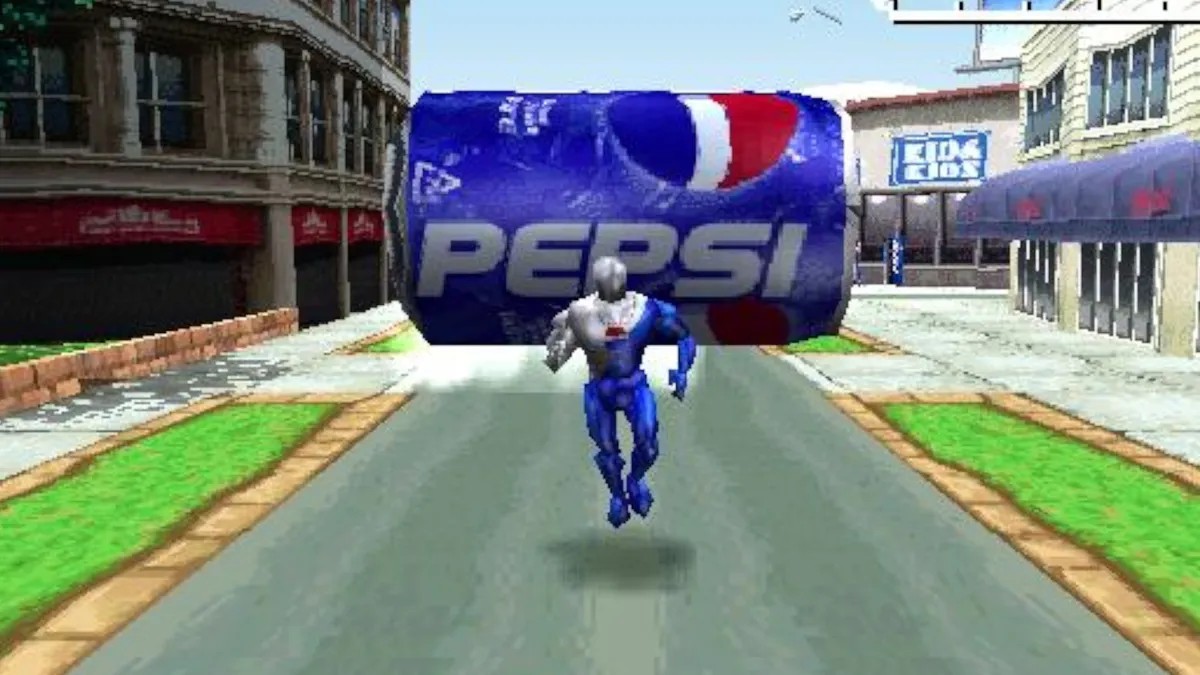
Perhaps the most culturally significant milestone in this timeline is the 1999 Japanese release of "Pepsiman." Developed for the PlayStation, the game featured a chrome-clad superhero sprinting through urban environments to deliver soda. Despite its simplicity, it achieved international cult status, with physical copies now trading for hundreds of dollars among collectors. By contrast, the mid-2000s saw a more commercial, albeit polarizing, attempt by Burger King to enter the market. In 2006, the chain released three Xbox titles, including "Sneak King," which were sold for $3.99 alongside value meals. While the quality of these games was debated, the sales figures were staggering, with more than 3.2 million units sold, proving that the demand for branded content was latent and substantial.
The Modern Strategic Pivot
The decision to invest in a full-scale RPG like WendyQuest is informed by several shifting market dynamics. First, the demographic that grew up playing the early iterations of branded games—those who spent their childhoods on the SNES or the original PlayStation—now represent a massive, high-spending adult audience. This generation is motivated by a potent mix of irony, nostalgia, and a genuine appreciation for the indie-gaming aesthetic.
Second, the barrier to entry for game distribution has collapsed. In the era of "Sneak King," brands had to navigate the logistics of physical media, manufacturing, and retail partnerships. Today, a company only needs a developer like 81monkeys and a Steam page to reach a global audience. This transition has drastically lowered the financial risk while increasing the potential for organic, word-of-mouth marketing.

Third, the crisis in traditional digital advertising—driven by the ubiquity of ad blockers and the growth of subscription-based, ad-free streaming—has forced marketing departments to seek "non-interruptive" engagement. When a user chooses to download a game, they are voluntarily entering a marketing funnel, effectively trading their time for entertainment. Unlike a 30-second television spot that a viewer might skip, a video game offers a sustained, immersive connection to the brand’s identity.
Human-Centric Marketing and the AI Backlash
Perhaps the most notable aspect of the WendyQuest launch is the explicit emphasis on human labor. The game’s Steam page features a prominent disclaimer: "100% fresh and 100% human-made." This is not a throwaway line; it is a calculated response to the growing public sentiment against the proliferation of AI-generated content in creative industries. By positioning the game as a handcrafted, human-led endeavor, the brand is aligning itself with the values of the indie gaming community, which has been vocal in its opposition to the automation of art and design.
This approach mirrors the success of KFC’s 2019 project, "I Love You, Colonel Sanders! A Finger Lickin’ Good Dating Simulator." While critics initially viewed it as a desperate attempt at "meme marketing," the gaming community embraced the title for its self-aware humor and solid production values, leading to a 91% positive rating on Steam. The lesson learned by major brands is clear: if a company treats players with respect—rather than as mere targets for a sales pitch—the gaming community is willing to engage, share, and promote the brand.
Competitive Positioning
WendyQuest does not shy away from direct competition. The game features antagonists such as "Frydusa," a serpent-like carton of French fries, and the "Golden Archers," clear references to the brand’s primary rivals. By incorporating these elements, the game creates a narrative of brand rivalry that resonates with fans of the brand’s famously combative and witty social media presence. This meta-commentary is essential to the game’s appeal, as it transforms a corporate project into a piece of digital pop culture that consumers want to discuss on forums and social platforms.
Future Implications
The implications of this trend extend beyond the fast-food industry. If the current model proves successful—that is, if it drives sales, improves brand sentiment, and secures a dedicated player base—we can expect to see a wave of similar investments from other sectors, including fashion, automotive, and technology brands.
The potential for professional collaboration is also increasing. The recent social media exchange between Pepsi and developer Kotaro Uchikoshi—who worked on the original Pepsiman—highlights a growing appetite for industry experts to revisit and modernize the branded games of the past. If companies begin to treat these projects as serious, high-quality releases, the "advergame" label may eventually lose its pejorative connotation.

However, the risk remains. For every successful, well-crafted title, there is the potential for poorly executed projects that are remembered only as curiosities. The long-term success of this marketing channel depends entirely on the quality of the product. The brands that will succeed are those that hire legitimate development talent, respect the conventions of the gaming medium, and allow for a degree of creative freedom that transcends the traditional constraints of corporate branding.
As we look toward 2026 and beyond, the integration of brand identity into interactive software appears to be a permanent fixture of the marketing landscape. Whether WendyQuest will eventually sit in the pantheon of cult classics alongside Pepsiman or simply fade into obscurity remains to be seen. Regardless, the strategy represents a sophisticated acknowledgment that in an increasingly digitized world, the most effective advertisement is one that a consumer chooses to play. For the marketing executives at Wendy’s and their contemporaries, the goal is no longer just to sell a meal, but to build a world—one pixel at a time. The question remains whether other major conglomerates have the creative courage to follow suit, or if this will remain a niche experiment in high-stakes corporate branding. For now, the industry is watching, and for the first time in decades, the game is actually worth playing.