The Evolving Landscape of Frontend Development: Are Build Tools Still Essential in 2026?

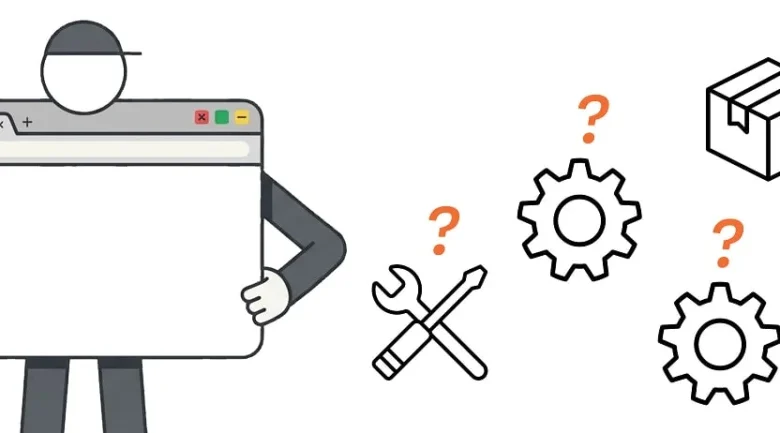
The frontend development ecosystem is in a constant state of flux, driven by advancements in browser technologies and evolving developer workflows. A recent analysis by Ollie Williams, titled "Do We Still Need Build Tools for Frontend Dev?", delves into the diminishing necessity of traditional build tools, particularly in light of new browser capabilities. Williams’ comprehensive audit suggests that while certain functionalities once exclusively handled by build tools are now natively supported by modern browsers, others remain crucial for efficient and robust development. This examination arrives at a critical juncture as developers continually seek to streamline processes and enhance performance.
The Shifting Sands of Build Tool Dependencies
Historically, frontend build tools like Webpack, Parcel, and Rollup have been indispensable. They addressed several key challenges:
- Vendor Prefixing: Ensuring CSS compatibility across different browser engines by automatically adding vendor prefixes (e.g.,
-webkit-,-moz-). - ES5 Transpiling: Converting modern JavaScript (ES6+) into ES5, a widely compatible version, to support older browsers.
- Sass/Less Compilation: Transforming CSS preprocessor syntax into standard CSS.
- Bundling: Combining multiple JavaScript and CSS files into fewer, optimized files to reduce HTTP requests.
- Minification: Removing unnecessary characters (whitespace, comments) from code to decrease file size.
- Asset Optimization: Compressing images, fonts, and other assets.
- Code Splitting: Dividing code into smaller chunks that can be loaded on demand, improving initial page load times.
Williams’ audit, conducted with a forward-looking perspective towards 2026, identifies a significant reduction in the need for some of these features. The progressive enhancement of browser standards has rendered vendor prefixing largely obsolete, as modern browsers adhere more closely to standardized CSS properties. Similarly, the widespread adoption of ES6+ by major browsers means that ES5 transpilation is becoming less of a necessity for many projects, particularly those targeting a modern user base. Even the advanced features of CSS preprocessors like Sass are seeing their functionalities, such as variables and nesting, being absorbed into native CSS through features like custom properties and the native nesting specification.
However, the audit clearly indicates that bundling and minification remain highly relevant. The core benefits of these processes – reducing the number of network requests and optimizing file sizes for faster loading times – are evergreen. As web applications grow in complexity and demand more resources, efficient delivery of assets is paramount. Code splitting, another sophisticated optimization technique facilitated by build tools, continues to be a vital strategy for managing large codebases and improving user experience by ensuring that only necessary code is downloaded initially.

The "no-build" movement, which advocates for a development approach that bypasses traditional build pipelines, often relies on native browser features and modern JavaScript modules. While this can simplify initial setup and development for smaller, less complex projects, Williams’ analysis suggests that it "falls apart" when faced with the demands of larger, more feature-rich applications. The complexity of managing dependencies, ensuring cross-browser compatibility without transpilation, and optimizing performance at scale often necessitates the robust capabilities that build tools provide.
The Continuing Relevance of Optimization and Debugging Tools
Beyond the core functionalities of transforming and bundling code, the ecosystem surrounding frontend development has also seen innovations that complement and, in some cases, enhance the role of build tools.
Greptile’s Trex: A New Frontier in Frontend Debugging
A notable advancement highlighted in the provided content is Greptile’s Trex. This tool represents a significant evolution in how frontend bugs are identified and resolved. Trex operates by running a project’s code in a sandbox environment and then utilizing browser agents to simulate user interactions. The key innovation lies in its ability to automatically capture screenshots and videos of the UI as evidence of issues directly within a Pull Request (PR).
This functionality addresses a persistent pain point in collaborative development: the manual effort required to document and reproduce bugs. By automating the process of visual bug detection and providing irrefutable visual evidence, Trex promises to accelerate the debugging cycle and improve communication between developers, designers, and QA teams. Its integration into the PR workflow means that potential issues are flagged earlier in the development process, reducing the likelihood of them reaching production. The implications for development speed and code quality are substantial, offering a more proactive approach to quality assurance.

Polyfills: An Enduring Necessity in a Fragmented Browser Landscape
The discussion around frontend development tools would be incomplete without addressing the role of polyfills. Lea Verou’s article, "In Defense of Polyfills," tackles a viewpoint suggesting that "polyfilling is harmful." Verou, a prominent figure in web standards, argues for the continued importance of polyfills in modern web development.
Polyfills are essentially code snippets that provide modern functionality to older browsers that do not natively support it. While the trend is towards greater browser standardization, a significant portion of internet users still access the web via older browsers or devices with limited support for the latest web APIs. The opinion that polyfilling is harmful often stems from concerns about performance overhead, potential conflicts, and the perceived slowing down of native feature adoption.
However, Verou’s counter-argument is compelling. In a world where browser adoption cycles are uneven, and users may not always have the latest software, polyfills serve as a crucial bridge. They ensure a more consistent and accessible user experience across a wider range of devices and browsers, preventing the exclusion of a significant user base. For developers aiming for broad reach and inclusivity, polyfills remain a pragmatic tool. The evolution of web standards is a continuous process, and while native support is the ultimate goal, polyfills offer a practical solution for maintaining compatibility in the interim. The debate underscores the delicate balance between embracing new technologies and ensuring backward compatibility.
Innovations in CSS and Animation
The frontend landscape is also evolving with new approaches to styling and user interface design.
Thinking Horizontally in CSS @layer

Chris Coyier’s exploration of "Thinking Horizontally in CSS @layer" highlights a sophisticated pattern for managing CSS specificity and maintainability, particularly at scale. The @layer rule, introduced in CSS Cascade Layers, allows developers to group CSS rules into layers, controlling their cascade order and thus their specificity.
Coyier describes a pattern used at CodePen where component-specific design tokens are placed within an @layer. This makes them "weak" and easily overridable by other styles. The actual component styles that consume these design tokens are kept "unlayered" and "strong." This approach effectively eliminates common specificity fights, where developers struggle to override styles due to deeply nested selectors or high specificity. By organizing CSS in this manner, @layer enables a more predictable and manageable styling system, reducing the maintenance burden and potential for unintended style conflicts as projects grow. This represents a significant step towards more robust and scalable CSS architecture.
Building Engaging User Experiences with 3D Buttons
In the realm of user interface design, Josh W Comeau’s tutorial on "Building a ‘Magical’ 3D Button" showcases how even seemingly simple UI elements can be transformed into engaging experiences. While many web interactions begin with a button click, the visual presentation of these elements often remains uninspired.
Comeau’s tutorial, updated to reflect current best practices, delves into creating an animated 3D button that aims to evoke a sense of delight. Such interactive elements can significantly enhance user engagement and contribute to a more memorable brand identity. The focus on animation and depth provides a tangible example of how frontend developers can leverage modern CSS and JavaScript techniques to move beyond functional design and create interfaces that are both aesthetically pleasing and emotionally resonant. This trend towards more interactive and visually rich UIs suggests a growing demand for sophisticated frontend development skills that go beyond basic layout and functionality.

Advanced Color Management with Color.js
The precision and flexibility in handling colors have taken a significant leap forward with the release of Color.js 0.7. Described as "Let’s Get Serious About Color," this library offers a robust solution for working with colors in the browser, aligning with the latest W3C specifications.
The latest update, v0.7, brings substantial improvements. Key among these are support for a wider array of color spaces, including advanced ones beyond the traditional sRGB. This allows for greater accuracy and a broader spectrum of color representation, crucial for design-intensive applications and accurate color reproduction. A new gamut mapping method enhances how colors are handled when they fall outside the displayable range of a particular device or color space, ensuring more predictable and pleasing results. Furthermore, a smarter display() fallback mechanism provides better support for colors not natively recognized by a browser.
The development of Color.js by Lea Verou and Chris Lilley underscores a commitment to advancing the technical capabilities of the web. As color science becomes more sophisticated and digital displays offer wider color gamuts, libraries like Color.js are essential for developers to harness these advancements effectively. This focus on color precision and advanced color manipulation reflects a maturing of the web platform and a growing demand for high-fidelity visual experiences.
The Ongoing Evolution and the Role of Tools
The trends observed – the diminishing need for certain build tool functions, the emergence of advanced debugging tools like Greptile’s Trex, the enduring necessity of polyfills, and the innovations in CSS and color management – paint a clear picture of a frontend development landscape that is both simplifying and becoming more sophisticated.
The "no-build" approach may gain traction for simpler projects, but the complexity of modern web applications means that sophisticated build tools will likely persist. Their role may evolve, focusing more on advanced optimization, code splitting, and integrating with newer tooling that handles tasks like transpilation. The emphasis is shifting towards intelligent automation and enhanced developer experience.
The introduction of tools like Greptile’s Trex signals a future where AI and automated testing play a more integral role in ensuring code quality. By providing visual evidence of bugs directly in the development workflow, such tools streamline debugging and improve collaboration.
The ongoing relevance of polyfills, despite advancements, highlights the reality of a diverse user base with varying technological access. Developers must continue to navigate this landscape, balancing innovation with accessibility.
Finally, the advancements in CSS with @layer and the sophisticated color management offered by Color.js demonstrate a continuous drive towards more powerful, maintainable, and visually rich web experiences. As browsers continue to adopt new standards, the tools and techniques developers employ will need to adapt, ensuring that the web remains a dynamic and evolving platform. The future of frontend development is not about the elimination of tools, but rather their intelligent selection and application to meet the ever-increasing demands of the digital world.