Front-End Development Landscape Evolves With Modern CSS Capabilities and Expanded AI Integration

The contemporary discipline of front-end web development is undergoing a significant architectural and stylistic transformation, defined by the convergence of advanced CSS features, evolving image formats, and tighter integration with artificial intelligence tooling. As web standards bodies and browser vendors continue to push the boundaries of what is possible natively within the browser, developers are finding themselves equipped with powerful, dependency-free mechanisms to solve long-standing UI layout and rendering challenges. Simultaneously, the tooling ecosystem is adapting to the demands of AI-driven coding agents, ensuring that best practices and design standards are maintained across both human and machine-generated codebases.
The Evolution of Layout and Styling Capabilities
Recent tutorials and technical analyses highlight a decisive shift toward leveraging native browser capabilities rather than relying on complex JavaScript workarounds or heavy external libraries. Among the most notable advancements is the practical application of the CSS lh (line height) unit to solve precise micro-typography challenges. Historically, aligning an icon next to a multi-line text block resulted in awkward vertical positioning because standard centering techniques calculated the offset relative to the block height rather than the line box. By utilizing the lh unit, developers can now ensure that icons and labels align harmoniously regardless of whether the accompanying text spans a single line or wraps across multiple paragraphs.

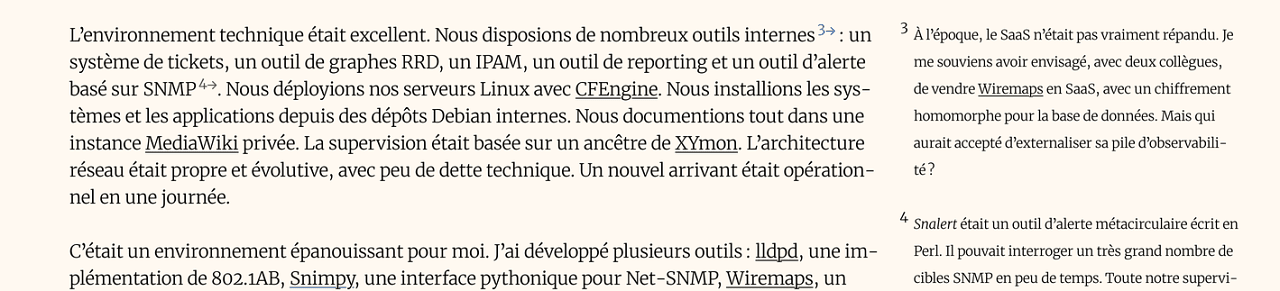
In parallel, advanced layout techniques are reclaiming territory once dominated by specialized scripting. Vincent Bernat’s recent exploration of Tufte-style sidenotes—margin notes traditionally reserved for print publishing or complex JS-driven web layouts—demonstrates the power of CSS Anchor Positioning. This native approach allows developers to place sidenotes adjacent to relevant text blocks entirely without JavaScript. Furthermore, the architecture is inherently resilient, providing multi-block support while gracefully degrading on narrower viewports or legacy browsers that do not yet support anchor positioning.
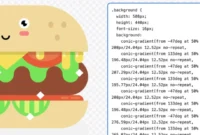
The visual fidelity of user interfaces is also seeing enhancement through native styling properties. Preethi Sam’s examination of animating CSS border-image properties illustrates how developers can introduce dynamic gradients and complex image-based borders into interactive states. By animating these properties directly via CSS, applications can achieve sophisticated, engaging visual feedback without incurring the performance penalties associated with heavy canvas operations or DOM manipulation loops.
Nostalgia and Historical Curiosities in Modern Browsers
While modern specifications dictate the future of web design, the developer community continues to reflect on the historical quirks that shaped the medium. Declan Chidlow’s comprehensive tour of "CSS Curiosities of the Past" offers a nostalgic yet technically rigorous look at the non-standard hacks developers once relied upon to force browser compatibility, most notably during the dominance of Internet Explorer.
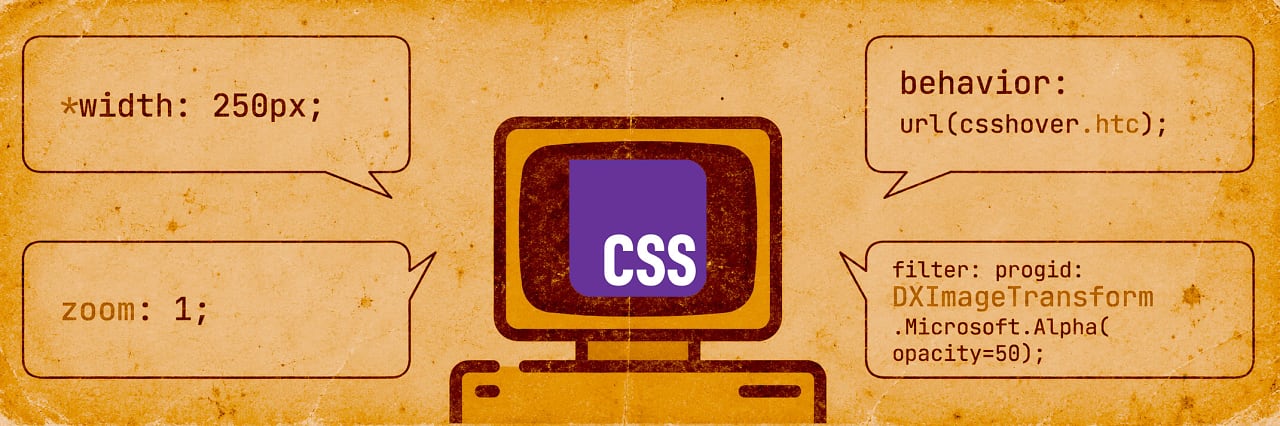
The retrospective covers iconic milestones in web engineering, including the infamous "star hack," proprietary CSS expressions that allowed JavaScript execution directly within stylesheets, and Internet Explorer’s early DirectX filters. Also highlighted is the classic box model hack, a foundational workaround necessitated by differing interpretations of the CSS box model specification between Microsoft and the World Wide Web Consortium (W3C). Revisiting these historical relics provides valuable context on how resilient modern web standards have become, reducing the need for browser-specific conditionals and proprietary syntax.
The Debate Over Modern Web Image Formats
As the web continues to prioritize performance, the ongoing standardization and deployment of next-generation image formats remain a contentious topic within engineering circles. Gianni Rosato has raised critical questions regarding the adoption of JPEG XL for browser decoding. With decoding support gradually integrating into mainstream browsers such as Chrome and Firefox, industry debate has intensified concerning its practical utility.
Drawing on experience as an AV1 encoder developer who previously supported the format, Rosato argues that JPEG XL offers marginal, if any, measurable advantages over the established AV1 Image File Format (AVIF) for standard web deployment. While JPEG XL boasts impressive compression ratios and lossless capabilities, critics contend that the browser ecosystem is better served by consolidating optimization efforts around existing standards like AVIF and WebP. This debate underscores the ongoing challenge web architects face in balancing compression efficiency, decoding speed, and maintenance overhead across diverse client devices.

Expanding Standards and AI Integration in Quality Control
In the realm of code quality and maintenance, the Front-End Checklist has achieved a major milestone, expanding its catalog to encompass nearly 400 distinct quality rules. Spanning critical operational pillars such as accessibility, performance, security, and search engine optimization (SEO), the checklist has evolved from a simple manual reference into an automated engineering standard.
Significantly, the project now supports integration with artificial intelligence ecosystems, including Claude and Cursor, via the Model Context Protocol (MCP). This architectural bridge allows AI-powered coding assistants to evaluate generated code directly against the comprehensive checklist standards. By embedding these rules into AI workflows, engineering teams can mitigate the risk of regressions and ensure that automated code generation aligns with rigorous enterprise-grade web standards.
In a similar vein, Flavio Copes’ deep dive into Meta’s StyleX library highlights how modern styling solutions are bridging the gap between component-driven JavaScript architecture and predictable CSS output. StyleX compiles JavaScript style objects into atomic, deterministic CSS at build time, eliminating runtime overhead. Copes notes that this predictable, static output makes StyleX a particularly effective styling framework for AI coding agents, which can reason about atomic CSS rules more reliably than runtime-heavy CSS-in-JS solutions.
Tooling, Resource Optimization, and Stress Relief
The ecosystem for developer tooling and resource extraction continues to mature, offering specialized solutions for complex technical bottlenecks. SnapDOM 3.0 has emerged as a prominent, dependency-free alternative to traditional HTML-to-canvas rendering libraries. Featuring robust support for web fonts, pseudo-elements, and the Shadow DOM, version 3.0 introduces incremental recapture capabilities to accelerate repeat captures, automated web font embedding, and a fromString() method for direct markup conversion.
Data extraction and parsing have also seen efficiency gains. Solutions such as Foxit’s Extraction API are displacing legacy regular expression parsing methods for PDF documents. By utilizing structured JSON endpoints to accurately read tables, form fields, and complex document layouts, developers can ingest unstructured document data with significantly higher reliability. Similarly, SDKs like STRICH are streamlining the integration of high-performance 1D and 2D barcode scanning directly into web applications without native app wrappers.
Finally, the intersection of developer burnout and digital humor has manifested in novelty projects such as "Page Rage," created by Alex Reardon. Offering both a standalone web application and a browser extension, the tool allows developers and users to channel project frustrations into interactively dismantling web page elements. While lighthearted, such projects reflect the distinct cultural humor of the web development community as it navigates an increasingly complex and demanding technical landscape.