Decathlon Unveils Yestalgia: A Digital Masterclass in 1990s Heritage and Immersive Web Design

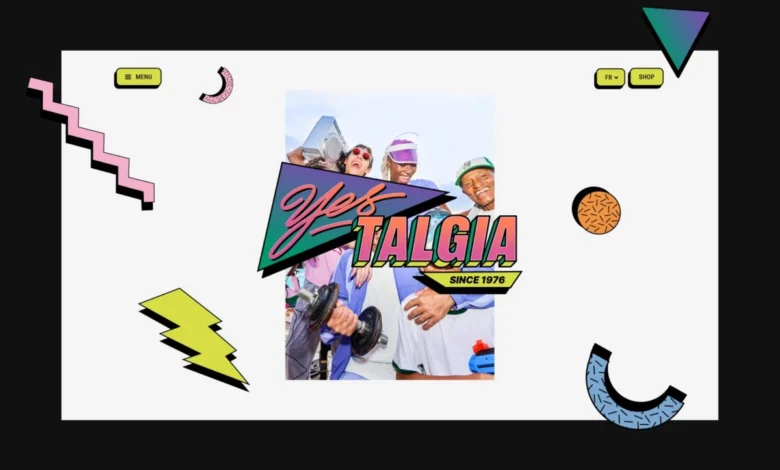
Global sports retailer Decathlon has officially launched its exclusive capsule collection, Yestalgia, accompanied by a groundbreaking digital experience that bridges modern web engineering with the vibrant pop culture of the 1990s. Developed in collaboration with multidisciplinary digital creators and motion designers, the campaign website successfully translates a nostalgic aesthetic into a high-performance, interactive platform. By blending editorial product displays with tactile web elements—such as an interactive Walkman navigation menu and vector-based animations—the project redefines how heritage apparel collections can be marketed in an increasingly digital-first retail landscape.
Background and Creative Concept

The genesis of the Yestalgia collection lies in Decathlon’s extensive historical archives. Rather than merely reproducing vintage gear, the brand tasked designers with reimagining iconic 1990s outdoor apparel through a contemporary lens. The resulting capsule collection emphasizes optimistic color palettes, bold geometric patterns, and relaxed silhouettes that defined outdoor recreation during the final decade of the twentieth century.
To match the physical collection’s ethos, the digital experience required an environment that felt equally immersive. Partnering with visual artist Dalkhafine, the development team sought to create a world where Decathlon’s outdoor heritage seamlessly intersects with 90s pop culture. The resulting website eschews traditional, rigid e-commerce grids in favor of a product-first editorial approach. Large-scale visuals, generous compositions, and minimal interface elements allow visitors to engage with the clothing much like they would a printed fashion magazine, prioritizing visual storytelling over transactional monotony.
Technical Architecture and Development Challenges

While the visual identity relies on retro charm, the underlying technology represents the cutting edge of modern web development. Built as a fully custom WordPress theme available in seven distinct languages, the site required a delicate balance between high-end artistic direction and operational flexibility for the client.
To ensure the marketing team could update content without breaking the intricate art direction, developers utilized Blockstudio, combining JSON schemas with Twig templates. Every section of the website functions as an independent block, allowing content managers to reorder, recompose, and swap media seamlessly without touching underlying code.
On the front-end, the architecture is powered by piecesjs, a lightweight framework built on native web components. Each "Piece" operates autonomously, lazy-importing only its specific JavaScript and CSS to optimize loading speeds. Scroll-based interactivity is handled by integrating Lenis smooth scrolling with GSAP ScrollTrigger, centralizing animation logic directly into the HTML markup via custom data attributes. Performance optimization is a core pillar of the build; resource-heavy vector animations powered by Rive are strictly gated by intersection observers, ensuring that off-screen graphics pause automatically to conserve GPU processing power.

Innovative UI/UX: The Walkman Navigation and Motion Design
One of the most widely discussed features of the Yestalgia digital experience is its unconventional navigation system. Abandoning standard drop-down menus, designers conceptualized a functional 1990s Walkman interface. When accessed, a vintage cassette player rises into the frame, revealing physical cassette tapes that represent different sections of the website. Selecting a tape triggers a tactile snapping animation as the cassette seats into the deck, accompanied by subtle haptic feedback on mobile devices and responsive background color shifts.
This fusion of physical nostalgia and digital utility required extensive iteration between developers and motion designers. By refining easings, durations, and micro-delays, the team achieved a weight and realism rarely seen in standard web interfaces. Additional subtle details, such as fake-3D extruded typography on large headlines and endlessly rotating decorative satellite elements driven by a normalized delta-time animation loop (Tempus), contribute to a cohesive and dynamic user journey.

Industry Implications and Future Outlook
The launch of the Yestalgia digital platform highlights a broader strategic shift within the retail and sportswear sectors. As consumer demand for nostalgia-driven marketing grows, brands are moving away from static catalogs in favor of immersive, narrative-led digital spaces that serve as interactive brand museums.
By investing in bespoke web engineering, high-performance frameworks, and meticulous micro-interactions, Decathlon has demonstrated that digital marketing campaigns can achieve both artistic distinction and commercial scalability. As web technologies continue to evolve, the Yestalgia project serves as a benchmark for how heritage brands can leverage modern front-end capabilities to honor their past while engaging contemporary, digitally native consumers.