
Plant Tree New Zealand

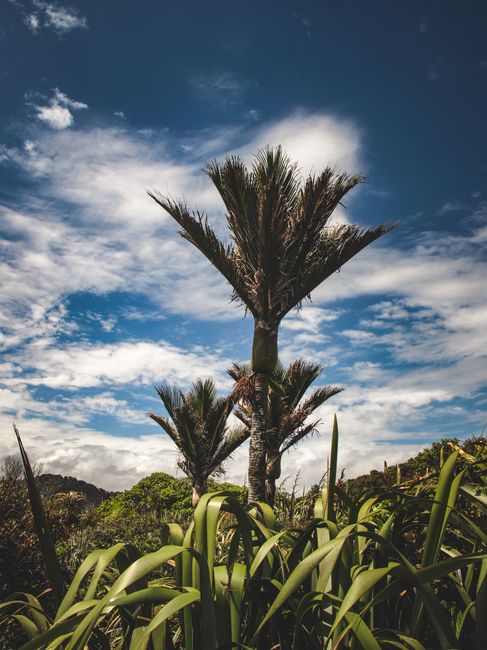
Planting Trees in New Zealand: A Comprehensive Guide for Environmental Stewardship and Sustainable Growth
Planting trees in New Zealand is more than just an act of environmental beautification; it’s a vital component of ecological restoration, carbon sequestration, biodiversity enhancement, and economic development. From the towering kauri of the north to the resilient beech forests of the south, New Zealand’s native flora is intrinsically linked to its unique identity and ecological health. This guide delves into the multifaceted aspects of tree planting in Aotearoa, covering essential considerations for individuals, communities, and organizations aiming to contribute to a greener, more sustainable future. Understanding the ecological context, the benefits, practical considerations for species selection and planting, and the ongoing care required is paramount for successful and impactful tree planting initiatives.
The historical deforestation of New Zealand, largely driven by European settlement for agriculture and timber, has left a significant scar on the landscape. Indigenous forests, once covering vast swathes of the country, have been dramatically reduced, leading to soil erosion, loss of biodiversity, and altered hydrological cycles. Consequently, contemporary tree planting efforts are crucial for reversing these trends and restoring the ecological integrity of the nation. Native tree planting, in particular, plays a critical role in re-establishing indigenous ecosystems, supporting native fauna, and preserving the unique genetic heritage of New Zealand’s flora. Government initiatives, community-led projects, and private landholder participation are all integral to the success of these restoration endeavors.
The benefits of planting trees in New Zealand are far-reaching and impact environmental, social, and economic spheres. Environmentally, trees are unparalleled in their capacity to sequester atmospheric carbon dioxide, a critical tool in mitigating climate change. Their root systems bind soil, preventing erosion and improving water quality by filtering pollutants. Forests provide habitat and food for a diverse array of native birds, insects, and other wildlife, contributing to the preservation of New Zealand’s unique biodiversity. They regulate local climates, reduce wind speeds, and create microclimates beneficial for agriculture and human well-being. Socially, tree planting projects foster community engagement, provide educational opportunities, and create aesthetically pleasing landscapes that enhance recreational value. Economically, well-managed forests can provide sustainable timber resources, support ecotourism, and generate employment in planting, maintenance, and related industries. Furthermore, initiatives like riparian planting not only prevent erosion and improve water quality but also enhance the aesthetic appeal of rural landscapes, contributing to property values.
Selecting the right tree species is fundamental to the success of any planting project in New Zealand. Native species are generally preferred for ecological restoration due to their adaptation to local conditions and their vital role in supporting indigenous ecosystems. However, the specific region within New Zealand, soil type, climate, and the intended purpose of the planting all influence species selection. For example, coastal areas might favour hardy, salt-tolerant species like Pittosporum crassifolium or Coprosma repens, while inland montane regions might see the dominance of beech species like Nothofagus fusca or Nothofagus menziesii. Urban planting might consider species that tolerate pollution and provide aesthetic appeal, such as Sophora spp. (kōwhai) or Griselinia littoralis (kapuka). Exotic species may have a role in specific contexts, such as forestry plantations for timber production, but careful consideration must be given to their potential invasiveness and impact on native biodiversity. Consulting with local ecologists, nurseries specializing in native plants, and regional councils is essential for making informed species choices. Resources like the Department of Conservation’s native plant guides and regional council environmental publications are invaluable tools.
The practicalities of planting trees, whether as an individual landowner, community group, or larger organization, require careful planning and execution. Site preparation is a critical first step. This can involve clearing existing weed growth, improving soil drainage if necessary, and marking out planting lines. The timing of planting is also important, with autumn and winter generally being the ideal seasons in New Zealand, allowing roots to establish before the warmer, drier summer months. When planting, ensure the hole is dug to accommodate the root ball comfortably, avoiding planting too deep or too shallow. Roots should be loosened if pot-bound, and the tree should be backfilled with the excavated soil, ensuring good contact with the roots. Watering thoroughly after planting is essential to settle the soil and reduce transplant shock. Protection from pests, such as rabbits, possums, and hares, is often necessary, particularly for young saplings. This can involve tree guards, fencing, or trapping.
Ongoing care and maintenance are crucial for the long-term survival and success of planted trees. Regular watering during dry periods, especially in the first few years, is vital. Weed control around the base of the trees is important to reduce competition for water and nutrients. Mulching can help retain soil moisture, suppress weeds, and moderate soil temperature. Monitoring for pests and diseases and taking appropriate action is also necessary. Pruning, when required, can help shape the tree, remove damaged branches, and improve its structure and health. For larger-scale forestry projects, thinning regimes will be implemented to optimize growth and timber quality. Community planting events often involve follow-up maintenance days to ensure the ongoing success of the planted area.
Several key organizations and initiatives are actively involved in promoting and facilitating tree planting in New Zealand. The Department of Conservation (DOC) plays a significant role in managing and restoring native forests, often undertaking large-scale planting programs. Regional and local councils often have their own environmental initiatives, including funding and support for community planting projects and riparian planting schemes. Non-governmental organizations (NGOs) like Trees for Survival, Project Crimson, and Kaipātiki Project are dedicated to specific ecological restoration goals and mobilize volunteers for planting and maintenance. Forest landowners, through organizations like the New Zealand Forest Owners Association, are major contributors to the country’s planted forest estate. Landowners undertaking riparian planting or restoring native bush can also access resources and potential funding through regional councils’ environmental programs.
The economic benefits of tree planting in New Zealand are substantial and diverse. Commercial forestry, primarily focused on exotic species like Pinus radiata, is a significant export earner, contributing billions of dollars to the New Zealand economy annually and supporting thousands of jobs in harvesting, processing, and manufacturing. However, the economic benefits extend beyond timber. The growth of the native plant nursery sector is directly linked to the demand for indigenous species for restoration projects, creating employment and specialized expertise. Ecotourism, which relies heavily on the natural beauty of New Zealand’s landscapes, is directly enhanced by healthy and vibrant forests. Furthermore, the carbon sequestration services provided by planted trees can be monetized through carbon credits, offering a financial incentive for landowners to invest in forestry. The "one billion trees" government program, launched in 2018, aimed to significantly increase tree cover across the country, stimulating economic activity in nursery production, planting, and ongoing management.
The social and cultural dimensions of tree planting in New Zealand are deeply intertwined with the country’s identity. For Māori, forests are taonga (treasures) and hold deep cultural and spiritual significance. Planting native trees, particularly those with cultural importance like kauri and pōhutukawa, is an act of cultural revitalization and connection to the land. Community planting projects often serve as important social gatherings, fostering a sense of shared responsibility and collective action for environmental stewardship. They provide opportunities for intergenerational learning, where elders can pass on knowledge about native plants and their uses to younger generations. The presence of trees in urban environments also improves the quality of life for residents, providing shade, reducing noise pollution, and creating more pleasant and healthy living spaces. The visual impact of well-maintained forests and regenerated bushland enhances the aesthetic appeal of New Zealand, contributing to its reputation as a pristine natural destination.
Looking ahead, the future of tree planting in New Zealand will likely be shaped by increasing awareness of climate change impacts and the growing demand for sustainable land management practices. Innovations in planting techniques, such as drone seeding and the use of biodegradable pots, are likely to become more widespread. Greater emphasis will be placed on planting diverse species to enhance ecosystem resilience and biodiversity. The integration of tree planting into agricultural landscapes, through practices like agroforestry, will offer dual benefits of environmental improvement and economic productivity. Continued government support and investment in reforestation and afforestation efforts, alongside robust private sector engagement, will be critical for achieving ambitious national targets for carbon reduction and ecological restoration. The role of citizen science and community-driven initiatives will remain vital in monitoring and maintaining the health of planted forests.
In conclusion, planting trees in New Zealand is a multifaceted endeavor with profound and lasting benefits. It is a cornerstone of ecological restoration, a powerful tool in the fight against climate change, a vital component of biodiversity conservation, and a significant contributor to the nation’s economy and cultural heritage. From selecting the appropriate native species to ensuring meticulous ongoing care, every step of the tree planting process is important. By understanding the ecological context, the extensive benefits, and the practical considerations involved, individuals and organizations can effectively contribute to a thriving, verdant, and sustainable future for Aotearoa. The collective effort of planting and nurturing trees is an investment in the health of the planet and the well-being of future generations.


