
Guide To Rabat Morocco

Rabat, Morocco: A Comprehensive Travel Guide to the Imperial City
Rabat, the capital of Morocco, offers a compelling blend of ancient history, vibrant culture, and coastal charm. Unlike the bustling souks of Marrakech or the blue hues of Chefchaouen, Rabat presents a more measured and administrative ambiance, yet it is far from lacking in allure. As a UNESCO World Heritage site, its medina and modern city stand as testaments to its rich past and evolving present. This guide aims to provide a detailed and SEO-friendly overview for travelers planning a visit, covering essential information, key attractions, culinary experiences, and practical tips for navigating this captivating imperial city.
Key Attractions and Historical Significance
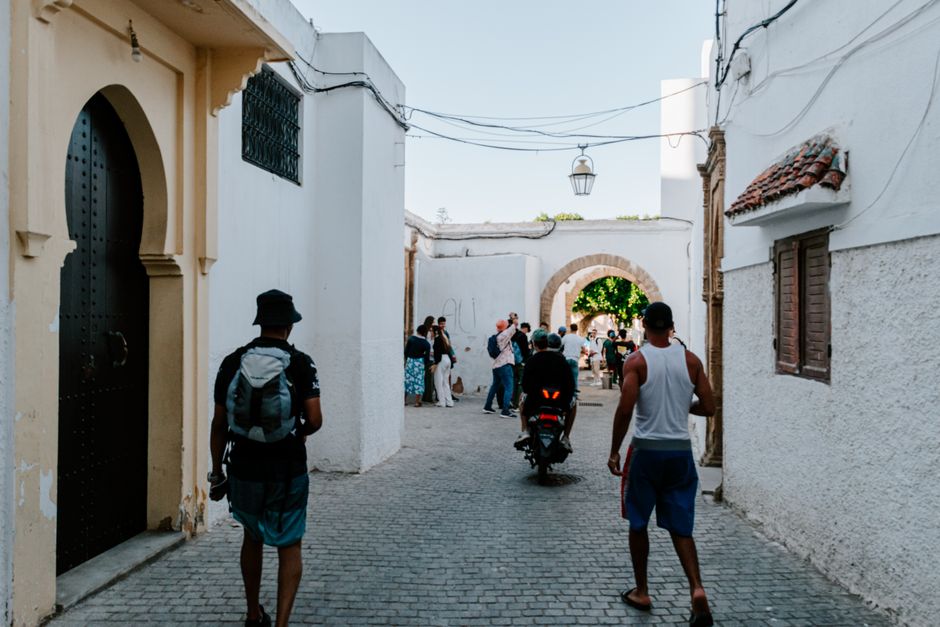
At the heart of Rabat’s historical narrative lies the Kasbah of the Udayas (Oudaias). This fortified royal palace, dating back to the 12th century, is a marvel of Almohad architecture. Its distinctive blue and white washed streets, reminiscent of Santorini, offer a picturesque escape. Within the Kasbah, the Udayas Museum, housed in a former palace wing, showcases Moroccan arts and crafts, providing a glimpse into the country’s rich artistic heritage. The Andalusian Gardens, a serene oasis of fragrant flowers and manicured hedges, provide a tranquil setting for contemplation. From the Kasbah’s ramparts, visitors are treated to breathtaking panoramic views of the Atlantic Ocean and the Bou Regreg River estuary, a sight that has inspired poets and artists for centuries. The Hassan Tower, a minaret of an intended grand mosque that was never completed, stands as an iconic symbol of Rabat. Construction began in the late 12th century under Sultan Yacoub al-Mansour, and it was intended to be the largest minaret in the world. Today, it remains a testament to ambitious architectural vision, surrounded by the remnants of the mosque’s columns. Adjacent to the Hassan Tower is the Mausoleum of Mohammed V, a modern masterpiece of Moroccan architecture housing the tombs of the late King Mohammed V and his sons. The intricate zellige tilework, stucco carvings, and cedarwood ceilings are a testament to the skill of Moroccan artisans. The mausoleum is a site of significant national importance and offers a poignant reflection on Morocco’s recent history.
The Chellah Necropolis offers a unique archaeological and historical experience. This medieval fortified necropolis, built by the Merinids in the 14th century, is situated on the site of an ancient Roman settlement. Wandering through the ruins, visitors can explore Roman foundations, Merinid tombs, and a mosque complex. The site is also known for its resident storks, adding a natural charm to the historical setting. The lush vegetation that has reclaimed parts of the ruins creates a mystical and atmospheric ambiance, making it a popular spot for photographers and history enthusiasts. The Royal Palace of Rabat, while not generally open to the public for tours, is a significant landmark. Its imposing gates and meticulously guarded grounds offer a glimpse into the seat of Moroccan royalty. The surrounding areas, however, provide a pleasant space for a stroll, and the palace’s presence underscores Rabat’s status as the nation’s capital.
Navigating Rabat’s Medina and Beyond
Rabat’s Medina, a UNESCO World Heritage site, is a labyrinth of narrow streets, bustling souks, and traditional Moroccan life. Unlike the more overwhelming medinas of other Moroccan cities, Rabat’s is generally more manageable and less prone to aggressive touts, allowing for a more relaxed exploration. Within the medina, you’ll find a variety of artisanal crafts, including leather goods, textiles, ceramics, and metalwork. Haggling is expected, so engage in friendly negotiation to secure the best prices. The Grand Mosque and the Andalusian Mosque are important religious sites within the medina, offering insights into Islamic architecture and prayer traditions. Remember to dress respectfully when visiting religious sites.
Beyond the historical core, Rabat offers a modern and cosmopolitan experience. The Hassan II Avenue and surrounding areas boast contemporary architecture, upscale boutiques, and international restaurants. The Moroccan National Museum of Art houses an impressive collection of Moroccan paintings, sculptures, and decorative arts, spanning from the early 20th century to the present day. For those interested in ethnography, the Moroccan National Museum of Ethnography and Folk Art offers a fascinating look at traditional Moroccan life, customs, and attire. The Mohammed VI Museum of Modern and Contemporary Art is another important cultural institution, showcasing a dynamic range of Moroccan and international artistic expressions.
Culinary Delights in Rabat
Moroccan cuisine is renowned for its rich flavors and aromatic spices, and Rabat is no exception. A culinary journey here should include tasting traditional dishes. Tagine, a slow-cooked stew prepared in a conical earthenware pot, is a must-try. Varieties include lamb with prunes and almonds, chicken with olives and lemon, or vegetable tagine. Couscous, often served on Fridays, is another staple, typically prepared with steamed semolina and a flavorful stew of vegetables and meat. For a lighter option, Pastilla, a sweet and savory pie made with flaky pastry, pigeon or chicken, almonds, and cinnamon, is an intriguing delicacy. Seafood is abundant in Rabat, given its coastal location. Enjoy freshly grilled fish at one of the many seaside restaurants or explore local markets for a taste of the day’s catch.
Street food is also an integral part of the Rabat experience. Seek out stalls selling Moroccan pastries like chebakia and ghriba, perfect with a glass of mint tea. Harira, a hearty lentil and tomato soup, is a popular starter, especially during Ramadan. For a refreshing beverage, try freshly squeezed orange juice from street vendors or the ubiquitous mint tea, a symbol of Moroccan hospitality, prepared with green tea, fresh mint, and sugar. Restaurants range from traditional establishments offering authentic Moroccan fare to more contemporary eateries with international influences. Don’t hesitate to ask locals for recommendations for hidden culinary gems.
Practical Information for Travelers
Getting to Rabat: Rabat-Salé Airport (RBA) serves as the primary gateway. It is well-connected to major European cities. Alternatively, you can fly into Casablanca’s Mohammed V International Airport (CMN) and take a train to Rabat, which is a frequent and efficient option. High-speed train services connect Rabat to other major Moroccan cities like Casablanca, Tangier, and Marrakech.
Getting Around Rabat: Within Rabat, taxis are a convenient mode of transport. Agree on the fare before starting your journey, or ensure the meter is used. Petit taxis (usually red) are for within the city, while grand taxis (often white) are for intercity travel. Walking is also an excellent way to explore the medina and many central areas. Public buses operate within the city, but navigating the routes can be challenging for first-time visitors.
Accommodation: Rabat offers a wide range of accommodation options, from luxurious hotels and boutique riads within the medina to more budget-friendly guesthouses and modern hotels in the new town. Booking in advance is recommended, especially during peak tourist seasons.
Language: The official languages are Arabic and Tamazight (Berber). French is widely spoken, especially in business and government circles, and English is increasingly understood in tourist areas.
Currency: The Moroccan Dirham (MAD) is the official currency. ATMs are readily available in most parts of the city, and credit cards are accepted in most hotels, larger restaurants, and shops.
Best Time to Visit: The best time to visit Rabat is during the spring (March to May) and autumn (September to November) when the weather is pleasant and temperatures are mild. Summers can be hot, while winters can be cooler and wetter.
Safety and Etiquette: Rabat is generally a safe city, but it’s always wise to be aware of your surroundings and take precautions against petty theft, especially in crowded areas. Dress modestly, particularly when visiting religious sites, to show respect for local customs. Learning a few basic Arabic or French phrases can be greatly appreciated by locals. Bargaining in the souks is customary, but do so respectfully and with a smile.
Day Trips from Rabat: Rabat serves as an excellent base for exploring nearby attractions. A popular day trip is to the ancient Roman ruins of Volubilis, a UNESCO World Heritage site showcasing well-preserved mosaics and architectural remains. The imperial city of Meknes, with its impressive gates and mausoleums, is also easily accessible. The coastal town of Asilah, known for its vibrant art scene and charming medina, offers a picturesque escape.
In conclusion, Rabat offers a rich tapestry of history, culture, and natural beauty. Its less frenetic pace compared to other Moroccan tourist hubs makes it an attractive destination for those seeking a more authentic and immersive experience. From the ancient ramparts of the Kasbah to the bustling medina and the modern cityscape, Rabat provides a multifaceted journey through Morocco’s captivating past and vibrant present, making it a worthwhile addition to any Moroccan itinerary.


