Do We Still Need Build Tools for Frontend Development? A Feature-by-Feature Audit in 2026

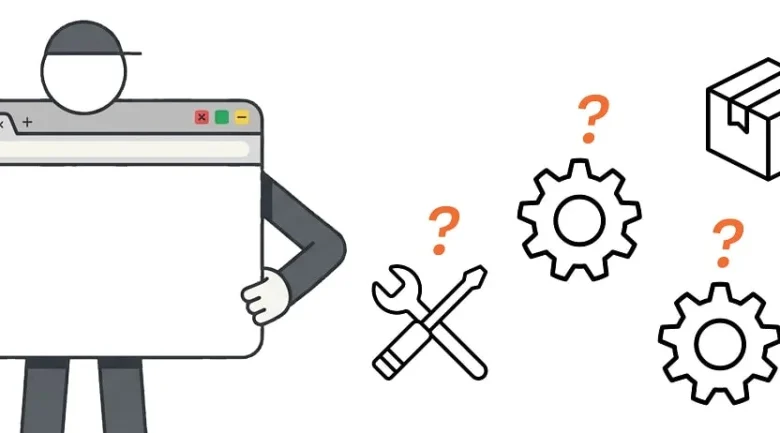
The landscape of frontend development is in a constant state of evolution, prompting a critical re-evaluation of established practices. A recent analysis delves into the persistent necessity of build tools for modern frontend workflows, examining their utility in the year 2026. While certain functionalities, such as vendor prefixing and ES5 transpilation, are demonstrably becoming obsolete due to advancements in browser standards and JavaScript, other core benefits like bundling and minification continue to hold significant relevance. This exploration aims to provide an honest assessment of where the "no-build" approach falters and where traditional build processes remain indispensable for efficient and performant web application development.
The Shifting Sands of Frontend Tooling
Historically, build tools have been the backbone of frontend development, automating a multitude of tasks that were either impossible or prohibitively time-consuming to perform manually. These tools, encompassing bundlers like Webpack and Parcel, transpilers such as Babel, and preprocessors like Sass, have enabled developers to write more sophisticated, maintainable, and performant code. However, as web standards mature and browser capabilities expand, the perceived need for some of these automated processes has diminished.
The article by Ollie Williams, featured in Frontend Focus, meticulously dissects the historical functions of build tools and assesses their current value. The audit highlights a clear trend: features that once addressed cross-browser inconsistencies or limitations in JavaScript versions are now largely superseded by native browser support.

Obsolete Functions: A Declining Necessity
Vendor Prefixing: For years, developers relied on build tools to automatically add vendor prefixes (e.g., -webkit-, -moz-, -ms-) to CSS properties. This was essential to ensure that experimental or non-standard CSS features worked across different browser engines. However, the widespread adoption of CSS standards and the shrinking number of incompatible browsers have rendered this function largely redundant. Modern browsers are far more consistent in their implementation of standard CSS properties, reducing the need for this layer of automation. Data from sources like caniuse.com consistently shows near-universal support for most standard CSS properties without prefixes, a trend that has accelerated in recent years.
ES5 Transpilation: The JavaScript ecosystem has seen a dramatic shift towards newer ECMAScript standards, such as ES6 (ES2015) and beyond. These modern versions offer significant improvements in syntax, features, and performance. Previously, build tools with transpilers like Babel were crucial for converting this modern JavaScript into ES5-compliant code, ensuring compatibility with older browsers that didn’t support the latest features. However, with the rapid decline of support for very old browsers like Internet Explorer 11, and the increased adoption of more recent browser versions, the necessity for extensive ES5 transpilation has waned. While some legacy environments might still require it, the broad applicability of ES5 transpilation as a universal requirement for new projects is diminishing. The increasing adoption of evergreen browsers, which automatically update to the latest versions, further contributes to this trend. According to web analytics firms, the market share of browsers that do not support ES6+ features is now a minuscule fraction of the global user base.
Enduring Relevance: The Unwavering Value Proposition
Despite the decline of certain functionalities, the core benefits provided by build tools remain critical for efficient and effective frontend development in 2026.
Bundling: The practice of bundling involves concatenating multiple JavaScript and CSS files into a single, or a few, larger files. This is a cornerstone of optimizing web performance. By reducing the number of HTTP requests a browser needs to make to fetch resources, bundling significantly speeds up page load times. In an era where milliseconds can impact user experience and conversion rates, this optimization is paramount. Furthermore, modern bundlers offer sophisticated code splitting capabilities, allowing developers to load only the necessary code for a particular page or user interaction, further enhancing performance. Tools like Webpack, Rollup, and Parcel continue to offer advanced features for dependency graph analysis and intelligent chunking. The impact of reduced requests on initial page load is well-documented, with studies by Google and other performance experts consistently showing a correlation between fewer requests and faster loading times, leading to improved user engagement and SEO rankings.

Minification: Minification is the process of removing all unnecessary characters from code, such as whitespace, comments, and line breaks, without altering its functionality. This results in smaller file sizes, which directly translates to faster download times for users, especially those on slower network connections. Combined with bundling, minification is a powerful technique for delivering optimized assets to the client. While the gains from minification might seem incremental, across thousands or millions of users, the cumulative bandwidth savings and performance improvements are substantial. This is particularly relevant for mobile users who often face data caps and slower network speeds.
Module Management and Transformation: While the need for ES5 transpilation is decreasing, build tools still play a crucial role in managing complex module systems (e.g., ES Modules, CommonJS) and performing other essential transformations. This includes features like:
- Optimized Module Loading: Advanced bundlers can intelligently manage module dependencies, enabling features like tree-shaking (removing unused code) and dynamic imports, which are vital for creating efficient and scalable applications.
- Asset Handling: Build tools integrate with loaders and plugins to process various asset types, including images, fonts, and other static files. This can involve image optimization, SVG inlining, and font subsetting, all contributing to faster page loads and reduced bandwidth consumption.
- Modern JavaScript Features: While ES5 transpilation is less critical, build tools still facilitate the use of advanced JavaScript features and syntax that might not be universally supported by all target environments or that offer performance benefits. This allows developers to leverage the full power of the language.
- Framework Integration: Most modern frontend frameworks (React, Vue, Angular) are built with specific build tool configurations in mind. These tools handle the compilation of framework-specific syntax (e.g., JSX, templates) into standard JavaScript, making development seamless and efficient.
The "No-Build" Proposition: A Closer Look
The "no-build" movement advocates for writing frontend code that can be directly consumed by modern browsers without the need for a preprocessing or bundling step. This approach often relies on native ES Modules support in browsers and the increasing adoption of modern JavaScript features. While appealing in its simplicity, a direct audit reveals its limitations.
Challenges with "No-Build":

- Performance Bottlenecks: Without bundling, each JavaScript and CSS file typically requires a separate HTTP request. As previously discussed, the sheer number of requests can significantly degrade performance, especially on pages with numerous dependencies.
- Lack of Optimization: "No-build" approaches often forgo critical optimizations like minification and tree-shaking, leading to larger file sizes and slower load times.
- Dependency Management: Managing a complex web of JavaScript modules without a bundler can become cumbersome. While native ES Modules offer improvements, they don’t inherently provide the sophisticated dependency resolution and optimization capabilities of tools like Webpack.
- Limited Asset Processing: The processing and optimization of assets like images and fonts are typically handled by build tools. A "no-build" approach would require developers to manually optimize these resources or rely on external services, which can be less integrated and efficient.
- Cross-Browser Compatibility Gaps: While browser standards are converging, subtle differences and older browser versions still exist. A robust build process can provide an essential safety net for ensuring consistent behavior across a wider range of user agents.
The concept of "no-build" is not entirely without merit, particularly for very simple projects or within specific controlled environments where browser support is guaranteed and performance is not a critical concern. However, for most real-world applications, especially those aiming for high performance, scalability, and broad user reach, the benefits of a well-configured build process remain paramount.
The Role of Sponsors and Evolving Tooling
The article also highlights the ongoing innovation and support within the frontend tooling ecosystem. Greptile, a sponsor, offers a unique solution for frontend development by integrating screenshots and visual evidence directly into pull requests. This tool, Trex, runs PR branches in a sandbox, navigates the UI, and captures screenshots and videos to document issues. This type of innovation demonstrates how tooling continues to evolve to address specific developer pain points, even as the fundamental needs of bundling and optimization persist.
Another significant contributor to the discourse is Lea Verou, a prominent figure in the web standards community. Her work, including a defense of polyfills, underscores the continued importance of ensuring broad accessibility and functionality across diverse user environments. Polyfills, which provide modern functionality to older browsers, remain a vital tool for maintaining compatibility and inclusivity, especially as new web APIs are introduced. While the goal is to eventually eliminate the need for polyfills as browser support matures, they serve as a critical bridge during the transition periods. This highlights a nuanced understanding within the community: while striving for cleaner, more native code, pragmatism dictates the need for tools that ensure a consistent experience for all users.
Innovations in CSS and Color Handling
Beyond JavaScript and general build processes, the frontend ecosystem is also seeing advancements in other areas. Chris Coyier’s exploration of CSS @layer provides a forward-thinking approach to managing CSS specificity. By utilizing @layer for design tokens and keeping scoped component styles unlayered, developers can create more robust and maintainable stylesheets, effectively mitigating "specificity fights." This pattern, observed at CodePen, suggests a move towards more structured and scalable CSS architectures, which can be integrated into modern build pipelines.

Furthermore, the release of Color.js 0.7 signifies a commitment to advanced color handling in web development. This library, following the latest specifications, offers robust support for various color spaces, new gamut mapping methods, and smarter fallback mechanisms. Such advancements are crucial for developers working with sophisticated design systems and aiming for precise color representation across different displays and applications. These libraries, while not directly build tools, often integrate with build processes for optimization and deployment, showcasing the interconnectedness of the frontend ecosystem.
Conclusion: A Balanced Perspective
In 2026, the question of whether frontend developers still need build tools is not a simple yes or no. The audit reveals a clear shift in the landscape: certain historical functions of build tools are indeed becoming less relevant due to the maturation of web standards and browser capabilities. However, the core functionalities of bundling, minification, efficient module management, and asset processing remain indispensable for delivering performant, scalable, and maintainable web applications.
The "no-build" approach, while conceptually appealing for its simplicity, presents significant challenges in terms of performance, optimization, and developer experience for anything beyond the most basic projects. The ongoing innovation in tooling, exemplified by solutions like Greptile’s visual PR feedback and advancements in CSS and color handling, demonstrates that the frontend ecosystem is dynamic and continuously seeking to improve developer workflows.
Ultimately, a pragmatic approach, leveraging modern browser capabilities while judiciously employing well-configured build tools for essential optimizations and transformations, is likely to remain the most effective strategy for frontend development in the foreseeable future. The focus should be on understanding which specific tasks within a build process are still critical and configuring tools to meet those precise needs, rather than abandoning the concept entirely.