Tag Portable Carbon Monoxide Detectors
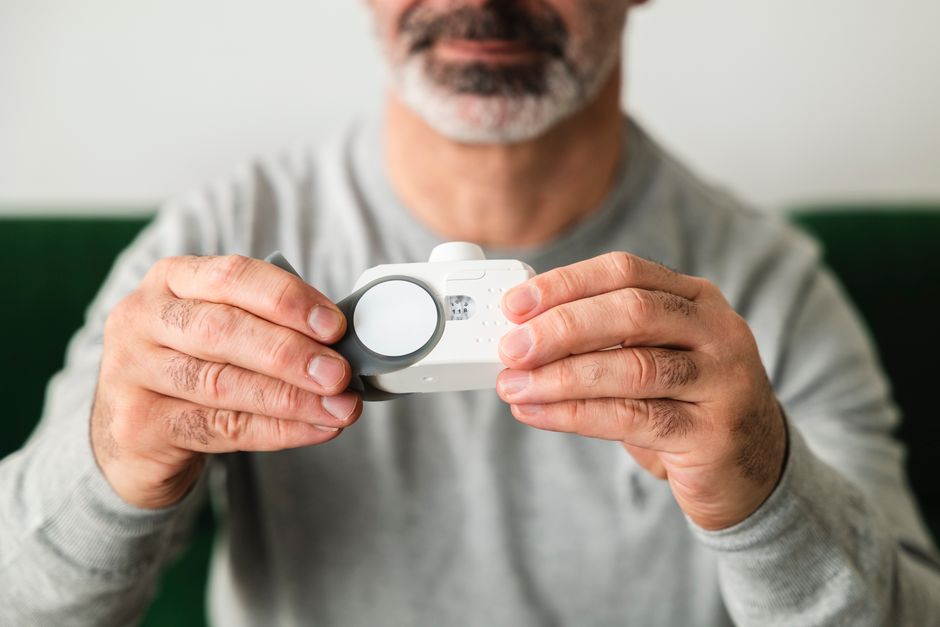
Portable Carbon Monoxide Detectors: Essential Safety Devices for a Breath of Fresh Air
Portable carbon monoxide (CO) detectors are indispensable safety devices designed to alert occupants to the presence of dangerous levels of this colorless, odorless, and tasteless gas. Unlike fixed CO detectors, which are permanently installed, portable units offer flexibility and can be moved between rooms, vehicles, RVs, boats, and even used during travel. Their primary function is to detect CO, a byproduct of incomplete combustion from appliances such as furnaces, water heaters, gas stoves, fireplaces, and vehicle exhaust. Understanding the nuances of portable CO detectors, their features, installation, maintenance, and selection criteria is crucial for ensuring the safety of individuals and families. This article provides a comprehensive overview of portable CO detectors, optimized for search engines to address common user queries and highlight their importance.
The invisible threat of carbon monoxide poisoning cannot be overstated. CO is produced when fuels containing carbon, such as natural gas, propane, oil, wood, and gasoline, are burned in an environment with insufficient oxygen. This incomplete combustion leads to the release of CO molecules, which are then readily absorbed by the bloodstream, displacing oxygen and starving vital organs of the oxygen they need to function. Symptoms of CO poisoning can range from mild, flu-like symptoms such as headaches, dizziness, nausea, and fatigue, to severe neurological damage, unconsciousness, and even death. The insidious nature of CO makes detection paramount, especially in enclosed spaces where it can quickly accumulate to dangerous levels. Portable CO detectors act as an early warning system, providing the critical time needed for occupants to evacuate a hazardous environment and seek fresh air.
The technology behind portable CO detectors primarily relies on electrochemical sensors. These sensors contain a chemical electrolyte and electrodes. When CO gas comes into contact with the sensor, it reacts with the electrolyte, generating a small electrical current. The magnitude of this current is directly proportional to the concentration of CO in the air. The detector’s internal circuitry then measures this current and compares it to pre-set alarm thresholds. When the CO concentration reaches a dangerous level and persists for a specified duration, the detector triggers an audible alarm, typically a loud, piercing siren, and often a flashing visual indicator. The sensitivity and response time of these sensors are critical factors in their effectiveness. Reputable manufacturers adhere to stringent safety standards, such as those set by Underwriters Laboratories (UL) or the European Committee for Standardization (CEN), to ensure reliable performance.
Portable CO detectors offer a distinct advantage in their versatility. For homeowners, they can supplement existing hardwired systems, providing an extra layer of protection in areas where fixed detectors might not be installed, such as basements, garages, or vacation homes. For RV and boat owners, portable detectors are essential as these environments often rely on propane-powered appliances or generators, increasing the risk of CO buildup. Traveling families can also benefit greatly from portable units, allowing them to carry a safety device with them to hotels, rental properties, or even to check the air quality in their vehicle. The portability also makes them ideal for temporary use during renovations or when using portable generators or other fuel-burning equipment outdoors.
When selecting a portable carbon monoxide detector, several key features and specifications should be considered to ensure optimal safety and functionality. Power source is a primary consideration. Many portable detectors are battery-powered, offering maximum flexibility. Battery-operated units typically use alkaline or lithium batteries, with lithium batteries generally offering a longer lifespan and better performance in colder temperatures. Some models may also offer a rechargeable battery option, which can be convenient for frequent users and reduce ongoing battery replacement costs. Alarm type and sound level are critical. The alarm should be loud enough to be heard throughout the intended space, even over background noise. A minimum sound level of 85 decibels (dB) at 10 feet is a common standard. Digital display is a highly desirable feature for portable detectors. A digital display provides a real-time reading of the CO concentration in parts per million (ppm), allowing users to monitor ambient CO levels even when the alarm is not sounding. This can be invaluable for identifying potential issues before they reach dangerous thresholds. Peak CO level memory is another important feature, allowing the detector to store and display the highest CO concentration detected since the last reset. This provides historical data that can be useful for diagnosing intermittent CO issues. Alarm silence/hush function allows users to temporarily silence the alarm in the event of a false alarm or when the CO concentration is low but not critically high, providing a brief window to ventilate the area before the alarm sounds again. End-of-life warning is a crucial feature that indicates when the detector’s sensor has reached the end of its operational lifespan and needs to be replaced. CO sensors degrade over time, and detectors typically have a lifespan of 5-10 years. Interconnection capabilities, while less common in truly portable units, are available in some models that can wirelessly communicate with other detectors, enhancing overall safety in larger spaces. Certification and standards compliance are non-negotiable. Look for detectors that are certified by reputable organizations like UL (Underwriters Laboratories) or CSA (Canadian Standards Association) and meet relevant safety standards such as UL 2034 for CO detectors.
Installation of a portable CO detector is straightforward, primarily involving ensuring it is placed in an appropriate location and powered on. For general room monitoring, place detectors at breathing level, typically on a table, shelf, or wall at approximately eye level. Avoid placing them too close to windows, doors, or vents that can dilute CO concentrations and delay detection. Crucially, do not place CO detectors directly above or near fuel-burning appliances, as normal combustion can produce temporary, harmless CO spikes that could trigger false alarms. For vehicles, RVs, and boats, follow the manufacturer’s specific placement recommendations, which often involve areas where occupants spend the most time and where CO is likely to accumulate. Always refer to the user manual for detailed placement guidance tailored to the specific model and intended environment. Regular testing of the detector is paramount to ensure its operational readiness. Most portable CO detectors have a test button that simulates a CO event, triggering the alarm. It is recommended to test the unit at least monthly and after replacing batteries.
Maintenance of portable CO detectors is minimal but essential for sustained reliability. The most important maintenance task is battery replacement. When the batteries are low, most detectors will emit a chirping sound or display a low battery indicator. Replace the batteries promptly with the type recommended by the manufacturer. Cleaning the detector’s sensor vents is also important. Dust and debris can accumulate over time and obstruct the sensor. Gently clean the vents with a soft brush or a vacuum cleaner on a low setting. Avoid using cleaning sprays or solvents directly on the detector, as these can damage the sensor. Regularly check the expiration date or end-of-life indicator on the detector. When the detector reaches its end of life, it must be replaced with a new unit. Attempting to use an expired detector is a serious safety risk. Proper storage when not in use is also a consideration. Store the detector in a clean, dry place away from extreme temperatures and humidity.
The understanding of carbon monoxide risks and the functionality of portable detectors extends to specific use cases. In homes, while hardwired systems are often primary, portable units provide crucial backup, especially in older homes or for those living in apartments with limited fixed detector options. For families with members who are elderly, very young, or have respiratory or cardiovascular conditions, the early warning provided by portable detectors is especially vital, as these individuals are more susceptible to the effects of CO poisoning. In recreational vehicles (RVs) and campers, the combination of propane appliances (stoves, furnaces, refrigerators) and enclosed spaces makes CO detection a non-negotiable safety requirement. Portable units are ideal for these mobile environments due to their size and ease of use. Similarly, boats and houseboats that utilize propane systems or generators face similar risks. CO can accumulate in cabins and enclosed areas, posing a severe threat to occupants. Portable detectors are a practical and effective solution for these watercraft. Travelers should consider a portable CO detector as a standard item in their luggage. It provides peace of mind when staying in unfamiliar accommodations, allowing them to verify the safety of the environment before settling in. This proactive approach can prevent potentially life-threatening situations. For garage use, if a vehicle is regularly parked in an attached garage, even for short periods, CO can seep into the living space. A portable detector placed near the connecting door can offer an essential warning.
The selection process for a portable CO detector should be guided by a thorough understanding of the intended use and the features that best meet those needs. While basic models offer essential detection capabilities, advanced features like digital displays, peak CO memory, and extended battery life enhance user experience and safety. When comparing different models, pay close attention to the alarm levels and response times. The alarm should trigger at or below the levels specified by safety standards (e.g., UL 2034). The sensitivity of the sensor dictates how quickly the detector will respond to even low levels of CO. Durability and build quality are important considerations for portable units, as they may be subjected to more handling and environmental variations than fixed detectors. Read customer reviews and professional product comparisons to gain insights into the real-world performance and reliability of different brands and models. Price is a factor, but it should not be the sole determinant. Investing in a reputable, well-reviewed portable CO detector is a wise expenditure that prioritizes the safety and well-being of individuals and their loved ones.
Educating oneself and others about carbon monoxide risks and the function of detectors is a critical component of home safety. Understanding the symptoms of CO poisoning, the common sources of CO in a home or vehicle, and the importance of regular testing and maintenance of detectors can significantly mitigate the risk of exposure. Encouraging the use of portable CO detectors, especially in mobile living spaces and during travel, contributes to a broader culture of safety awareness. The readily available technology of portable CO detectors empowers individuals to take proactive steps in safeguarding themselves and their families from the silent threat of carbon monoxide.