Mexican Design Studio Arudeko Unveils Bianni, an Innovative Paper-Like Material Crafted from Colorful Waste Wool

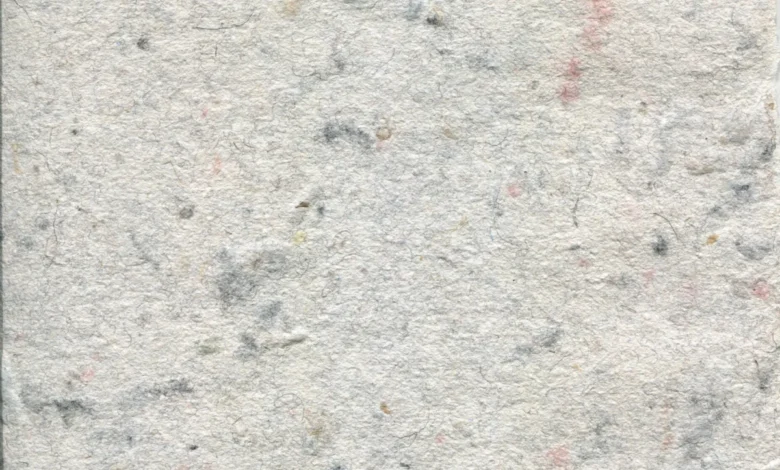
The contemporary design landscape is increasingly defined by a critical pivot toward circularity, where waste streams are no longer viewed as terminal endpoints but as raw ingredients for innovation. In Mexico, design studio Arudeko has advanced this ethos significantly with the introduction of Bianni, a novel, paper-like composite material engineered from colorful waste wool and recycled paper. Developed in collaboration with regional craftspeople, Bianni bridges ancestral textile traditions with modern architectural demands, transforming discarded off-cuts from traditional rug and cushion production into a versatile, translucent medium suited for applications ranging from bespoke lighting fixtures to acoustic room dividers.
The Genesis of Bianni and Regional Craftsmanship
The story of Bianni is deeply rooted in the cultural geography of Teotitlán del Valle, a community in the southern state of Oaxaca renowned for its centuries-old weaving heritage. For generations, local families have utilized pedal looms to craft intricate, naturally dyed wool carpets and home furnishings. While this artisanal practice represents a cornerstone of regional identity and economic vitality, it inherently generates a substantial volume of textile waste. Discarded selvages, trimmings, and off-spec yarn bundles typically accumulate as unusable surplus.
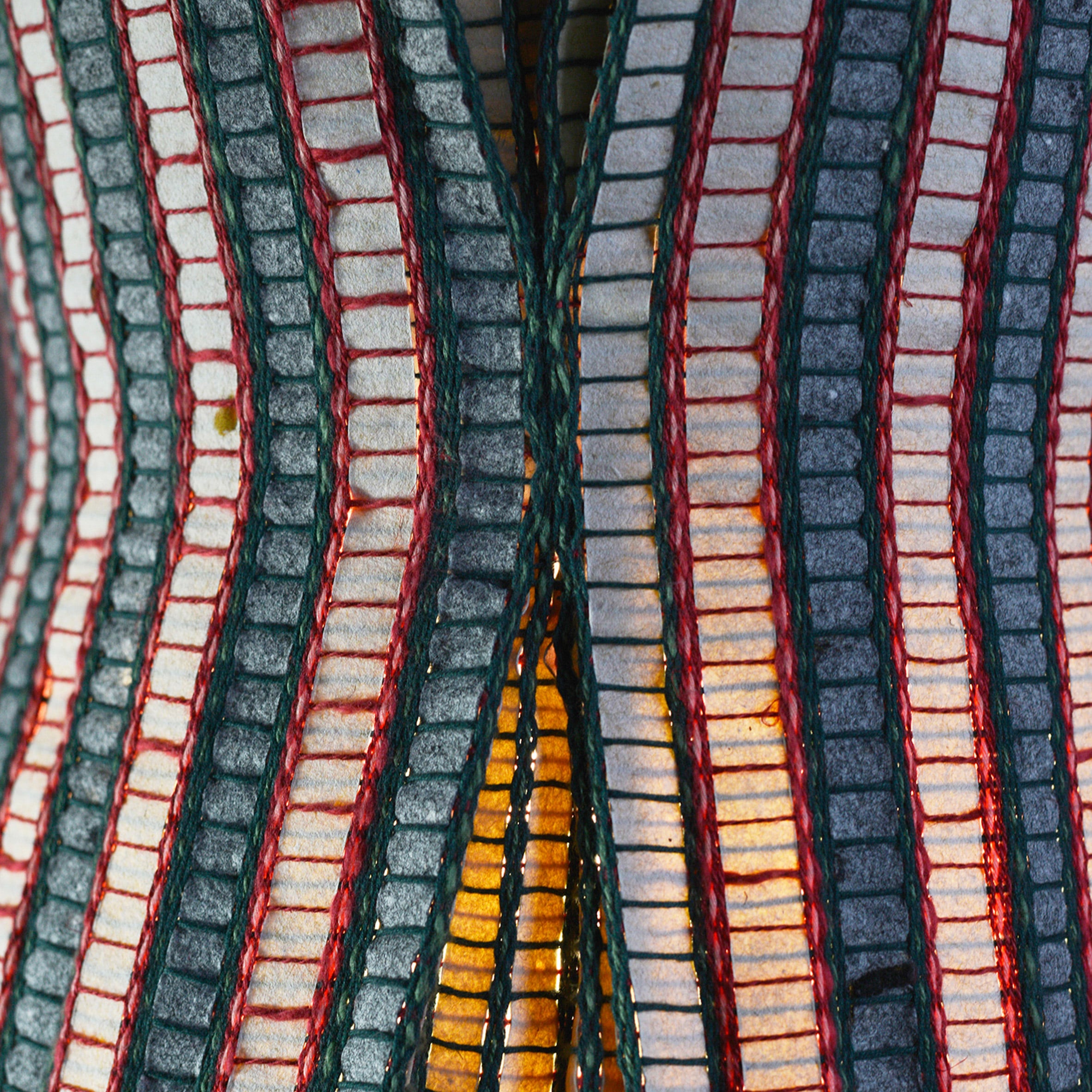
Recognizing the untapped potential of these discarded fibers, Arudeko set out to divert this material from local landfills. The studio partnered with skilled local weavers and traditional papermakers to experiment with material synthesis. Rather than defaulting to synthetic binders or chemical adhesives, the development team focused on a pure, mechanical integration of elements. Artisans first process the colorful waste wool using traditional pedal looms, establishing a textile foundation. Subsequently, strips of recycled paper—sourced from local producers and bound using cotton threads—are interwoven directly into the wool substrate.
This meticulous, hands-on fabrication technique yields a composite material that defies conventional categorization. Bianni exhibits the tactile warmth and rich chromatic depth of heritage textiles alongside the structural rigidity and delicate light-diffusion properties of fine paper.
Technical Characteristics and Functional Versatility
The performance profile of Bianni distinguishes it from traditional interior finishings. Because the material is manufactured without synthetic additives or chemical resins, it relies entirely on the intrinsic properties of its constituent components. Co-founder and CEO Denisse Arnaiz emphasizes that the marriage of wool and paper serves both functional and aesthetic purposes. Crucially, the natural high-protein structure of wool imparts inherent fire-retardant qualities to the paper substrate, a vital attribute for architectural and interior design specifications.
Furthermore, the physical behavior of the composite under illumination proved to be a defining discovery for the design team. When backlit, the translucent quality of the interwoven paper reveals nuanced layers of color that remain subdued in ambient light. This interplay of opacity and translucency inspired Arudeko to prioritize lighting applications, developing sculptural lampshades that showcase the material’s internal depth. Beyond lighting, Bianni’s flexibility and structural integrity lend themselves to a wide array of interior elements, including decorative headboard panels, modular wall art, and flexible room dividers.
Sustainability and Localized Production Frameworks
The development of Bianni aligns with a broader industry-wide reckoning regarding the environmental footprint of material sourcing and manufacturing. The global textile industry generates millions of tons of waste annually, much of which is incinerated or consigned to landfills. By establishing a closed-loop framework within Oaxaca, Arudeko has operationalized a model of localized circularity that drastically minimizes transportation-related carbon emissions.
Throughout the production lifecycle, the studio prioritized resource efficiency, implementing strict controls to minimize water consumption and greenhouse gas emissions. By keeping every phase of manufacturing—from wool sorting and paper recycling to final weaving—within the local community, Arudeko ensures that the economic benefits of the project directly support the region’s artisans. This approach fosters long-term community development and economic inclusion, validating the premise that contemporary design can act as a vehicle for the preservation of endangered cultural practices.
Broader Implications for the Architecture and Design Sectors
Bianni enters a growing market of bio-based and waste-derived architectural finishes that challenge the dominance of petroleum-based plastics and virgin materials. In recent years, international design platforms have highlighted similar innovations, ranging from waste-wool cladding systems developed for university retrofits to architectural brick-rug collections. However, Bianni’s distinct contribution lies in its synthesis of paper-making and weaving—two ancient technologies that, when combined, produce a contemporary material language rooted in cultural memory.
Industry analysts note that as building codes become stricter regarding fire safety and indoor air quality, designers are increasingly turning to natural, non-toxic composites that regulate humidity and acoustic performance while offering high aesthetic value. Bianni’s unique composition positions it well within this emerging market segment, appealing to architects and interior designers seeking authentic materials with verifiable sustainable credentials.
Future Outlook and Scaling the Model
As Arudeko transitions Bianni from experimental prototypes to scalable commercial production, the studio faces the challenge of balancing industrial demand with the artisanal integrity of its manufacturing partners. Maintaining the localized, community-led production model is central to the brand’s ethos, ensuring that scaling does not dilute the social and cultural value embedded in each sheet of the material.
By transforming industrial remnants into objects of enduring beauty, Arudeko has not only solved a localized waste management challenge but has also offered a compelling blueprint for the future of sustainable material design. Bianni stands as a testament to the fact that innovation does not always require the invention of new synthetic compounds; often, it requires a deeper appreciation of existing resources, traditional knowledge, and the hidden potential of what is too frequently left behind.
Related posts: