ZiiGaat Seraphim IEM Review: A High-Fidelity Hybrid Contender in the Mid-Fi Landscape

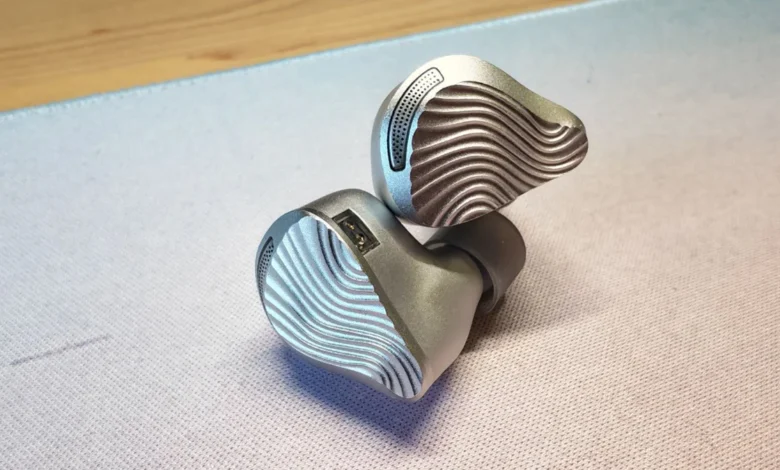
The saturated global market for In-Ear Monitors (IEMs) continues to expand at an unprecedented rate, with industry analysts estimating that over 200 new models are introduced annually. Amidst this influx, the distinction between disposable consumer electronics and high-fidelity audio equipment has become increasingly narrow. ZiiGaat, a brand that has rapidly carved out a reputation for technical precision alongside manufacturers like Dunu, Kiwi Ears, and Aful, released the Seraphim in October 2026. Priced at $259, this hybrid five-driver unit represents a strategic attempt to bridge the gap between enthusiast-grade technical performance and accessible consumer pricing.
Engineering and Technical Specifications
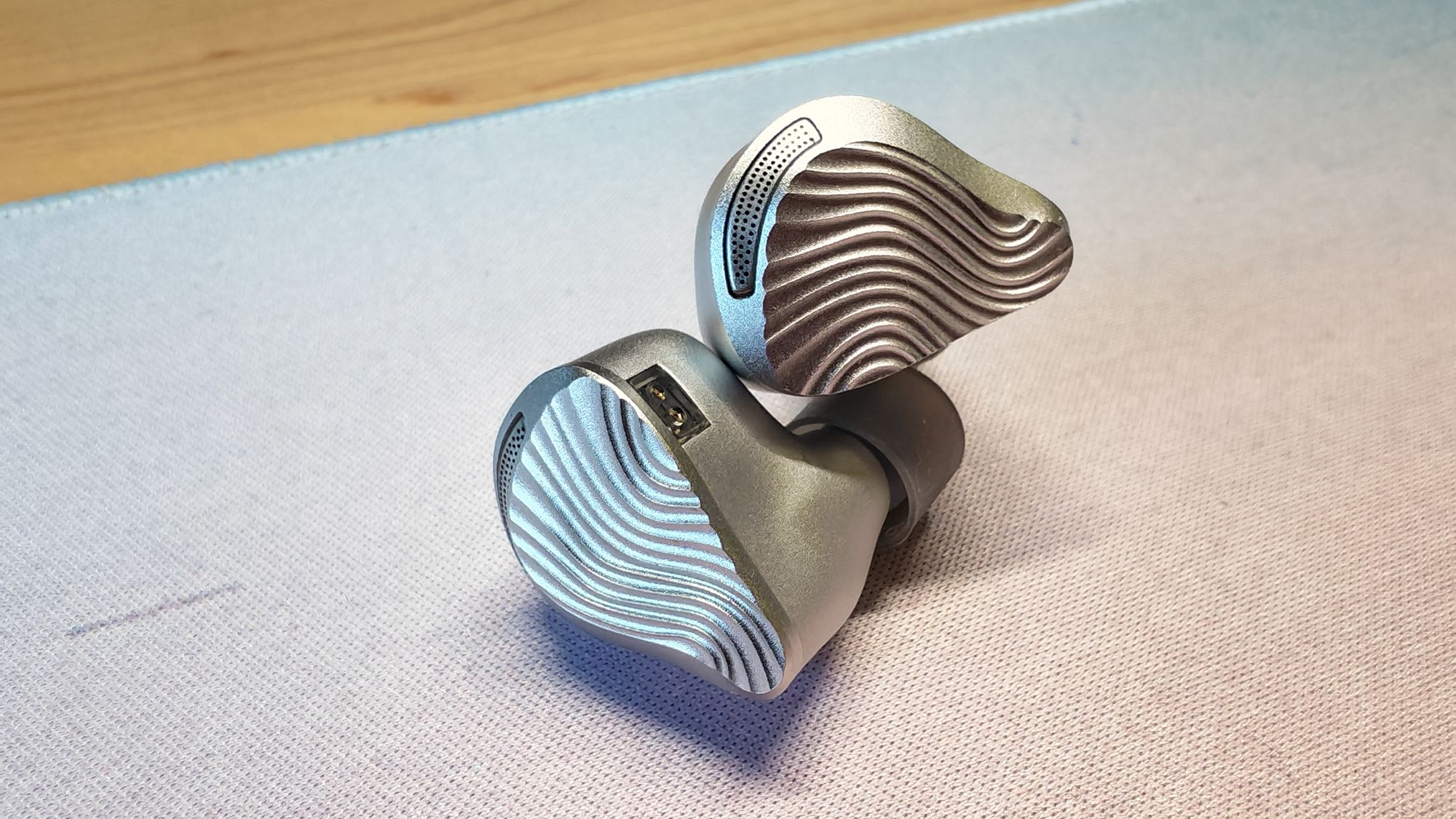
The ZiiGaat Seraphim utilizes a complex hybrid driver configuration consisting of two dynamic drivers and three Knowles balanced armatures. The integration of these components is housed within CNC-machined aluminum shells, a design choice that underscores the brand’s commitment to structural durability and acoustic resonance management. The unit maintains an impedance of 9Ω at 1kHz and a sensitivity of 125.5dB/Vrms, suggesting that while the Seraphim can be driven by mobile devices, it benefits significantly from dedicated amplification to reach its full potential.
The architectural core of the Seraphim is its isobaric dual dynamic driver setup, specifically engineered to manage low-frequency response. By employing an isobaric configuration, ZiiGaat aims to reduce distortion while increasing the speed and "slam" of the sub-bass frequencies. This is supplemented by the Knowles balanced armatures, which are tasked with handling the midrange and high-frequency spectrum. The inclusion of a 1.2m modular cable, featuring both 3.5mm and 4.4mm terminations, reflects current industry trends favoring versatility and high-quality connectivity for audiophiles who alternate between unbalanced and balanced sources.

Chronology and Market Positioning
The development of the Seraphim was characterized by a collaborative tuning process led by Jay Audio, a well-regarded figure in the personal audio community. Following the initial product teaser in late summer 2026, the unit’s October launch was highly anticipated due to its aesthetic departure from the often utilitarian design language of competing mid-fi IEMs.
While the "Chi-fi" (Chinese high-fidelity) market segment under $100 remains dominated by volume-driven, mass-market products, the $250 to $350 bracket—where the Seraphim resides—is defined by more discerning consumer expectations. Buyers in this range demand not only superior audio resolution but also build quality that justifies the expenditure. The Seraphim competes directly with established industry benchmarks, such as the CrinEar Reference and the Binary EP321.
Comparative Analysis: The Search for Neutrality vs. Excitement
In the current audiophile landscape, tuning philosophies are broadly split between "neutrality"—which aims for a flat, reference-grade frequency response—and "V-shaped" or "colored" signatures, which emphasize bass and treble to provide a more engaging, cinematic listening experience.
The Seraphim is firmly positioned in the latter category. When compared to the CrinEar Reference, which maintains a commitment to strict, analytical neutrality, the Seraphim offers a starkly different experience. The CrinEar Reference is favored for its transparency and balanced vocal timbre, making it a tool for critical listening. Conversely, the Seraphim prioritizes dynamic contrast. It utilizes a 10-decibel sub-bass emphasis that provides a visceral, physical impact, particularly in electronic, hip-hop, and modern pop genres.
However, this design choice brings specific trade-offs. The "lean" lower midrange—a byproduct of prioritizing sub-bass separation—can result in a reduction of warmth in male vocals. Instruments that rely on chest resonance or lower-midrange body, such as cellos or baritone vocals, may lack the weight found in more balanced monitors. In contrast, the Binary EP321, another competitor in the $300 range, offers a slightly more balanced approach to the lower midrange, potentially appealing to listeners who find the Seraphim’s profile too analytical in the vocals.
Performance and Ergonomics
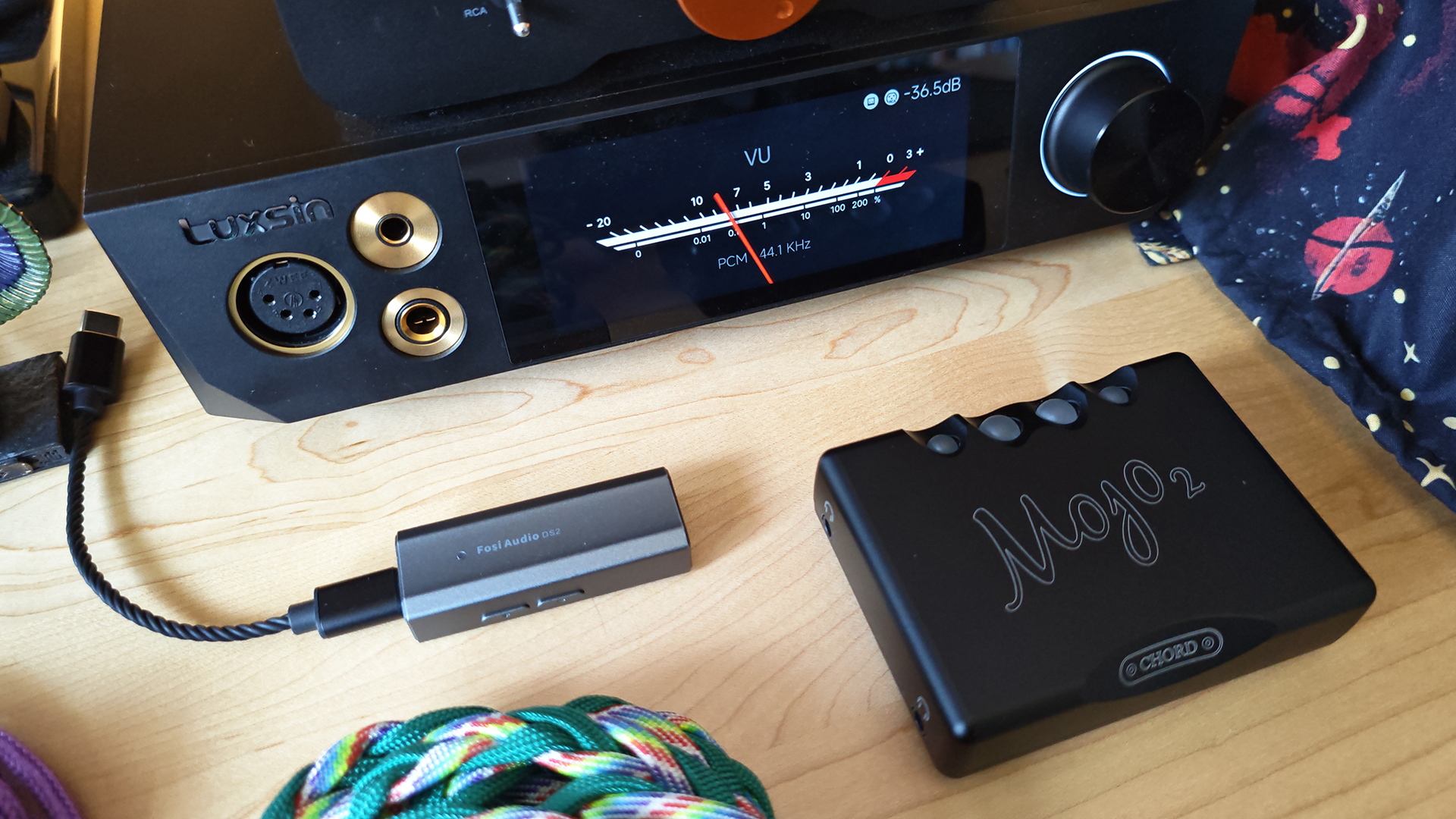
During standardized testing conducted with desktop-grade hardware, including the Luxsin X8 and the Chord Mojo 2, the Seraphim demonstrated high levels of technical competency. The treble extension is notably smooth, avoiding the sibilance or "harsh peaks" often associated with high-frequency-heavy IEMs. The separation of instruments remains precise even in complex, busy arrangements, a testament to the efficacy of the five-driver hybrid crossover network.
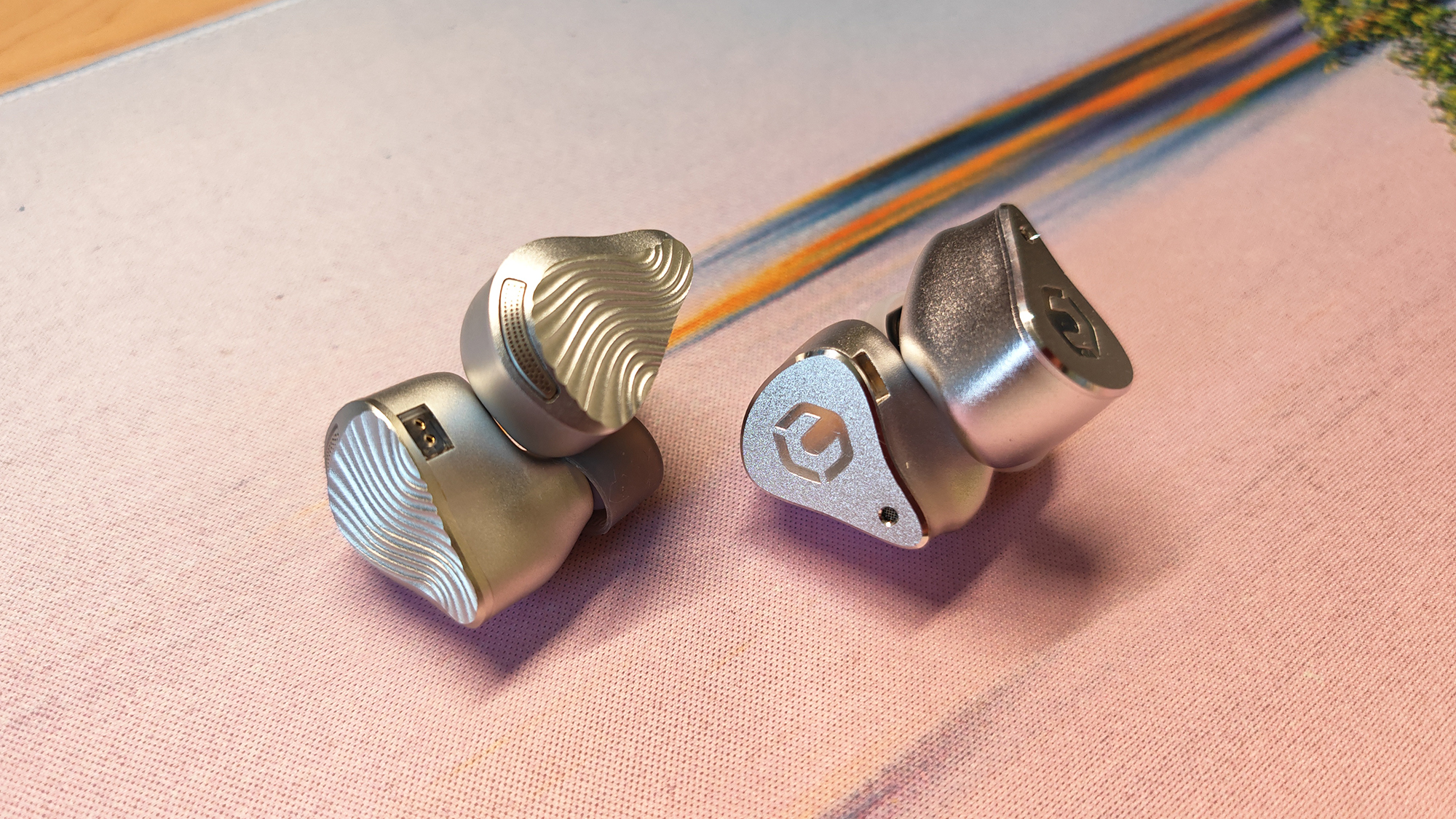
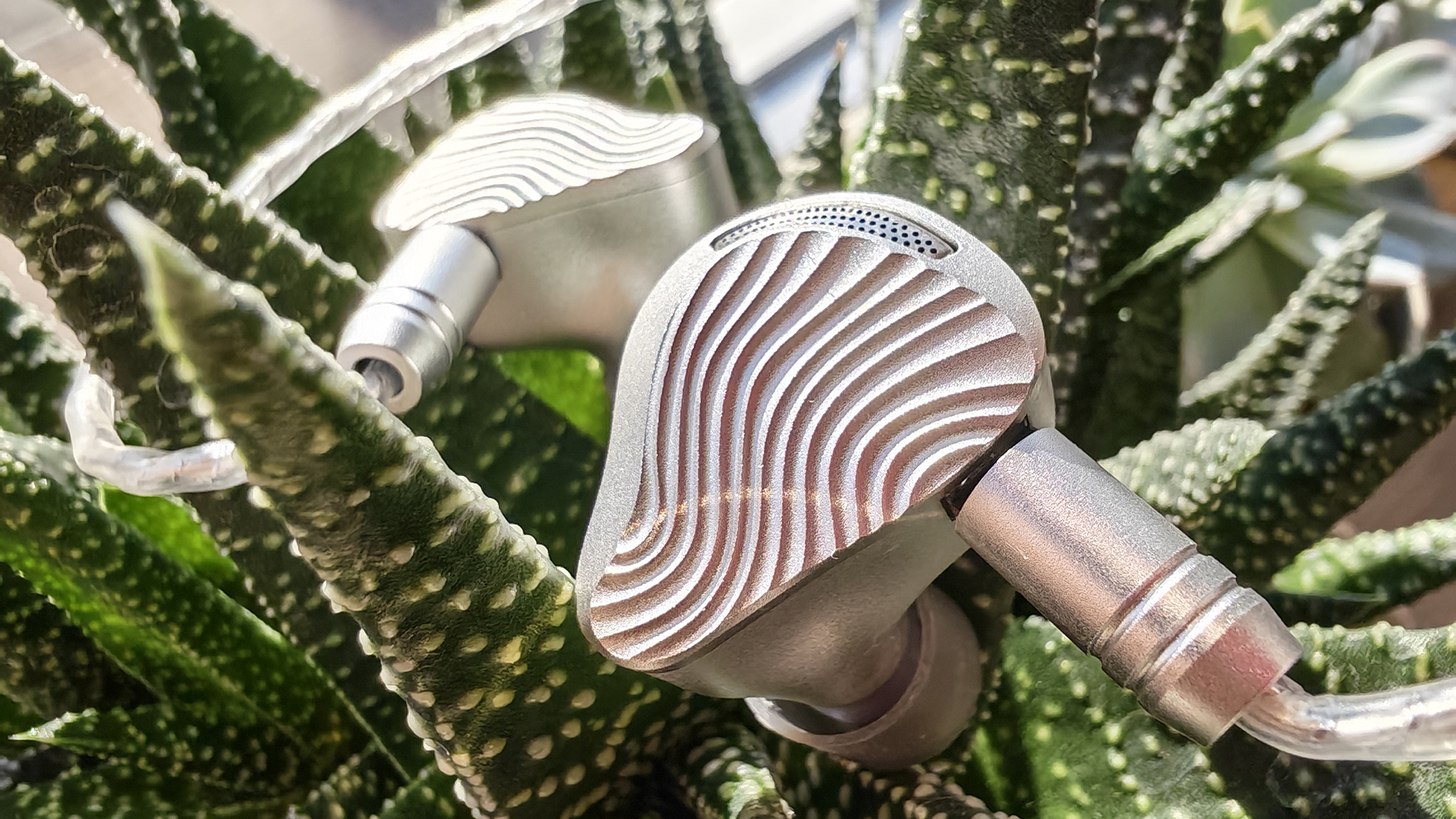
Ergonomics remain a critical factor for the longevity of any IEM. The Seraphim features a metallic chassis that is remarkably light at 5g per side. The nozzles, however, promote a shallower insertion depth. While this increases comfort for long-term wear—ideal for commuting or extended office sessions—it can complicate the process of achieving an optimal acoustic seal with third-party eartips. Users may find that the stock tips provided by ZiiGaat, or longer aftermarket options like those found in the Dunu ecosystem, are necessary to ensure the bass response is not compromised by a loose fit.
Broader Implications and Industry Impact
The release of the ZiiGaat Seraphim reflects a maturing market where branding and industrial design are becoming as vital as internal components. The shift toward CNC-machined aluminum and modular cabling indicates that consumers are moving away from plastic, disposable-feeling products. Furthermore, the collaboration with specialized tuners like Jay Audio signifies a shift toward "signature" tuning, where the developer’s specific acoustic philosophy becomes a selling point.
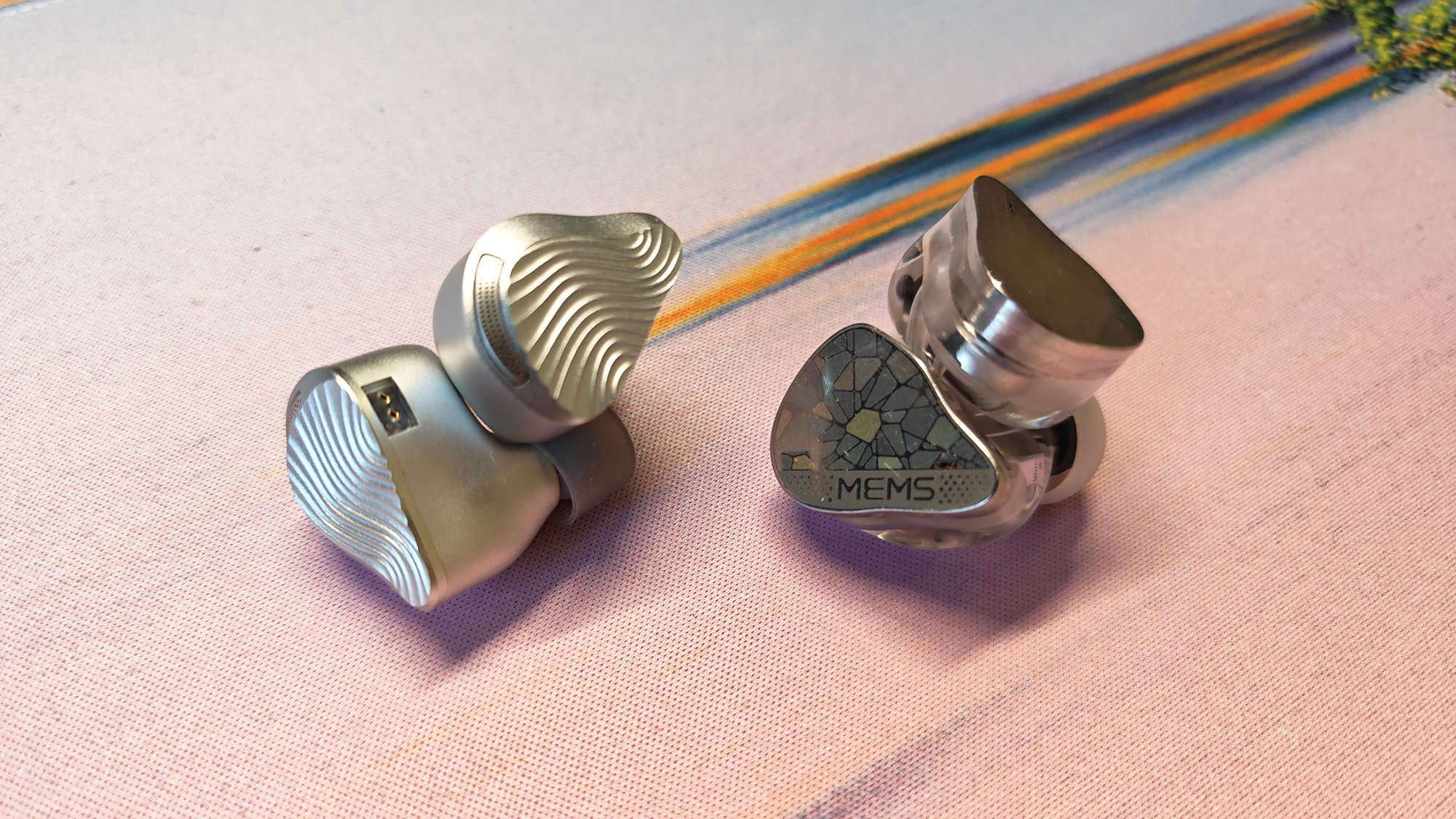
The implications for the broader audio industry are clear: the barrier to entry for high-performance audio is lower than ever. The Seraphim provides a "flagship-tier" experience for a fraction of the cost of traditional high-end monitors. However, the reliance on V-shaped tuning highlights a potential market split. While brands like ZiiGaat push for exciting, vibrant signatures, other manufacturers are doubling down on clinical, measurement-driven neutrality.
Final Assessment
The ZiiGaat Seraphim is a highly competent, well-engineered monitor that successfully delivers a premium experience at a mid-range price point. It is particularly well-suited for listeners who prioritize sub-bass impact, high-frequency clarity, and modern aesthetic design. While it may not satisfy those looking for the warmth and vocal intimacy of a neutral-tuned monitor, its ability to maintain detail and separation makes it a standout option for casual and semi-professional listeners alike.

As the industry moves toward 2027, the Seraphim serves as a case study for the current state of portable audio: it is a product that succeeds by understanding its audience’s desire for both form and function. For those who find the typical, bland designs of the market uninspiring, the Seraphim offers a compelling, if slightly specialized, alternative that remains a formidable entry in the current competitive climate. Whether it becomes a long-term industry staple or a flash-in-the-pan success will depend on how the brand continues to refine its tuning in response to the evolving preferences of its global customer base.