Kinraden reinvents archival classics through the lens of architectural precision in the new All Things Tiny collection


The evolution of modern fine jewellery often mirrors the trajectory of architectural design, where the tension between structural integrity and aesthetic minimalism defines the final form. Sarah Emilie Müllertz, the Copenhagen-based architect and creative director who founded Kinraden in 2014, has long championed this intersection. Her latest endeavor, the "All Things Tiny" collection, represents a strategic pivot for the brand, moving away from the creation of entirely new silhouettes toward the meticulous refinement of existing, iconic designs. By revisiting the brand’s foundational collections—specifically "Stilos," "Levitas," and "Oxygen"—Müllertz is exploring the limits of scale, volume, and the intimate relationship between jewelry and the human body.
A Chronology of Design Evolution
Kinraden’s journey began in 2014, when Müllertz launched the brand with the intent to fuse Scandinavian minimalism with sustainable material sourcing. Since its inception, the label has built a reputation for its commitment to recycled precious metals and ethical craftsmanship. The "All Things Tiny" project is not a departure from these values, but rather a maturation of them.
The developmental timeline for this collection spanned several months of iterative prototyping, as Müllertz sought to translate the bold, structural language of her earlier work into a more delicate, wearable vernacular. The collection is scheduled to hit the shelves at Liberty in London in November 2026, marking a significant milestone in the brand’s international retail strategy. This launch serves as a retrospective of sorts, allowing long-term collectors of the brand to see familiar motifs through a redefined, miniaturized lens.
The Architectural Approach to Miniaturization
The primary challenge in "All Things Tiny" was not merely a reduction in size, but a fundamental reassessment of proportionality. As Müllertz notes, the translation of a large-scale piece into a smaller iteration requires a total recalibration of structural connections and material thickness.

"You cannot simply make something smaller," Müllertz explains. "Every proportion, thickness, and connection has to be reconsidered, particularly in relation to the body. My architectural background makes me very conscious of those relationships. Even a very small adjustment can change the balance of a piece, so the process becomes very precise."
This architectural philosophy is most evident in the new "Pause" pendant. The design features a duo of interlocking links that draw inspiration from traditional Japanese joinery. In its original, larger iterations, the piece commanded attention through its substantial presence; in the "All Things Tiny" format, it relies on the precision of its assembly and the fluidity of its movement to maintain its visual impact. Similarly, "The Rush III" earrings demonstrate how the brand has successfully preserved the "character" of its signature designs while stripping away unnecessary mass.
Sustainability and Material Integrity
Kinraden’s commitment to sustainability remains a core pillar of the "All Things Tiny" launch. The entire collection is crafted exclusively from recycled silver and gold. In the current global jewelry market, the demand for recycled precious metals has reached record highs, driven by both consumer awareness and the environmental costs associated with traditional mining.
According to industry data from the Responsible Jewellery Council, the carbon footprint of recycled gold is significantly lower than that of newly mined gold, often by a factor of 10 or more. By utilizing secondary sources for its raw materials, Kinraden aligns itself with the broader shift toward circularity in the luxury sector. For the environmentally conscious consumer, the "All Things Tiny" collection offers a product that balances high-end design aesthetics with a reduced ecological impact, a synthesis that is increasingly becoming the industry standard rather than the exception.
Market Implications and Brand Positioning
The decision to revisit existing collections is a calculated move that reflects a broader trend in luxury goods: the "archival revival." By focusing on heritage pieces, Kinraden reinforces its brand identity and creates a sense of continuity. This strategy is particularly effective for independent labels looking to solidify their market share against larger, conglomerate-backed competitors.

The partnership with Liberty, a historic institution in the London retail landscape, further elevates the brand’s profile. Being featured in the curated halls of Liberty suggests that Kinraden is being positioned as a serious player in the contemporary fine jewelry space. For a brand originating from Copenhagen, this cross-channel expansion is critical to maintaining a global presence.
Analysis of the "All Things Tiny" pieces suggests a shift in consumer preference toward "quiet luxury"—jewelry that is understated, versatile, and suitable for daily wear rather than exclusively reserved for special occasions. The "lightness" that Müllertz describes is not just a physical attribute of the jewelry but a psychological one; it speaks to a consumer base that values comfort and subtlety over ostentation.
The Technical Challenge of Scale
The technical rigor required for this collection cannot be overstated. When a piece of jewelry is scaled down, the physical laws of tension and weight distribution change. For instance, a hinge that functions perfectly on a large earring may fail or appear clunky on a smaller version. Müllertz’s architectural background, which centers on the concept of "load-bearing" and structural efficiency, proved essential during the prototyping phase.
Each piece underwent multiple revisions to ensure that the "integrity of the original form" remained intact. This meticulous attention to detail is what separates high-end jewelry from mass-market accessories. By treating each piece as a micro-building project, Müllertz ensures that the finished product remains durable and aesthetically balanced.
Future Outlook and Industry Impact
As we look toward the November 2026 launch, the industry will likely watch closely to see how the market responds to this reductionist approach. If successful, "All Things Tiny" may set a precedent for other designers to mine their own back catalogs for inspiration, prioritizing sustainability and precision over the constant, rapid churn of new, trend-based designs.
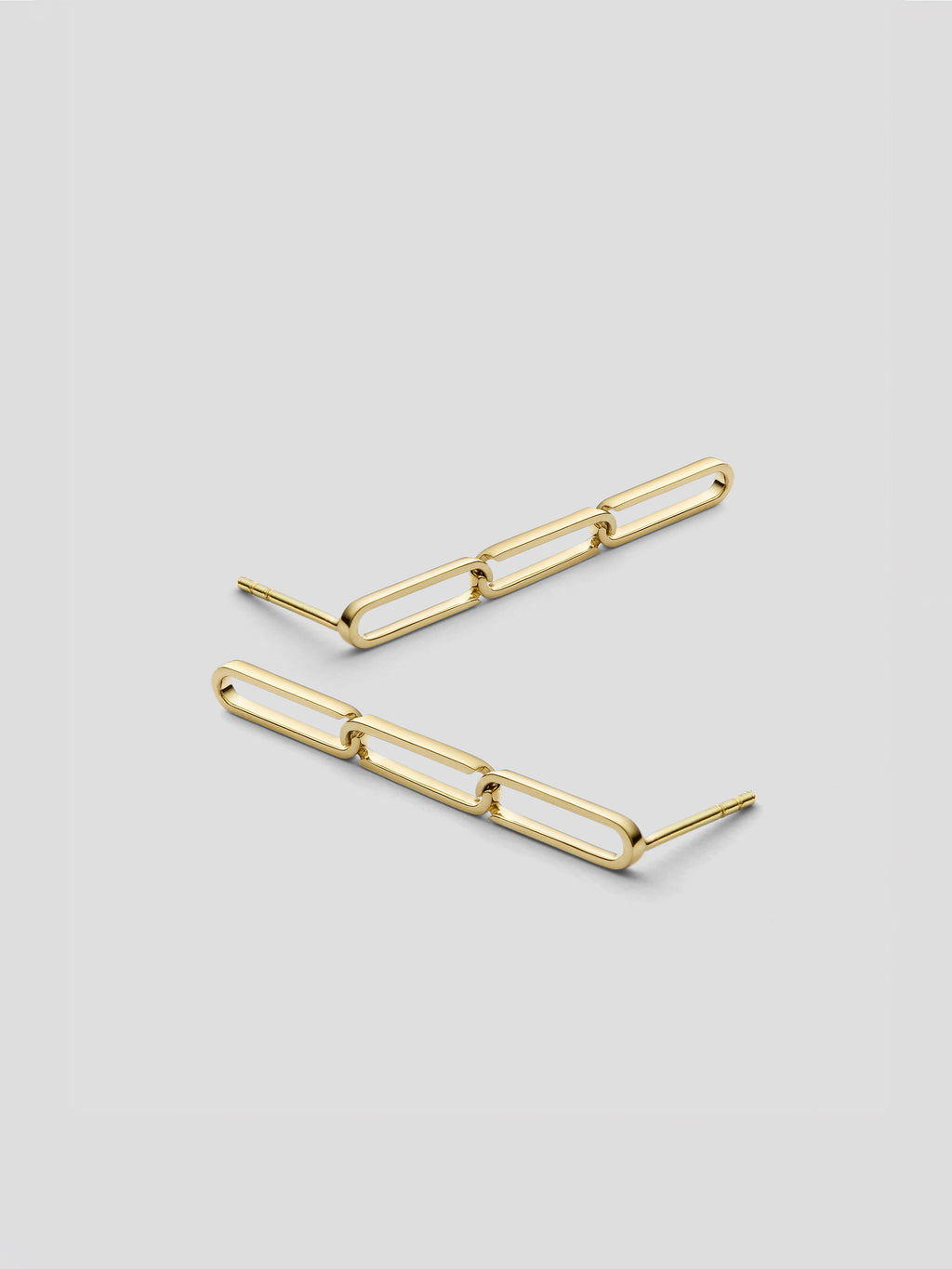
The broader implications of this trend are positive for the environment and for the longevity of design. By encouraging consumers to invest in pieces that have been refined and perfected over time, brands like Kinraden are promoting a more thoughtful approach to consumption.
In conclusion, Sarah Emilie Müllertz has successfully navigated the delicate balance between nostalgia and innovation. Through the "All Things Tiny" collection, Kinraden proves that true creativity does not always require the invention of the new. Sometimes, the most compelling design choices are found in the subtle, precise, and intentional re-evaluation of what has already stood the test of time. As the brand prepares to debut these pieces at Liberty, it does so with the confidence of an established design house that understands both the history of its craft and the future of its industry.
Fact-Based Analysis of the Collection
The "All Things Tiny" project stands as a case study in effective brand management. By analyzing the data points surrounding the collection, we can observe several key themes:
- Retention of Value: By using existing designs, the brand retains its equity in "Stilos," "Levitas," and "Oxygen," rather than diluting it with new, untested concepts.
- Manufacturing Efficiency: Focusing on existing design languages allows for a more streamlined production process, even with the technical challenges of miniaturization.
- Strategic Retail Placement: Choosing a legacy venue like Liberty provides the necessary prestige to launch a collection that is fundamentally about the evolution of the brand.
- Material Ethics: The consistent use of recycled metals provides a clear, defensible value proposition that appeals to the modern luxury consumer.
As the retail environment becomes increasingly competitive, the ability to pivot and refine—as Müllertz has done here—will likely become a defining characteristic of successful, sustainable luxury brands. The "All Things Tiny" collection is a testament to the idea that in design, as in architecture, the most profound statements are often made at the smallest of scales.
Related posts: