Chirp Company bridges the gap between high art and backyard wildlife with an innovative new collection of artist-inspired bird feeders

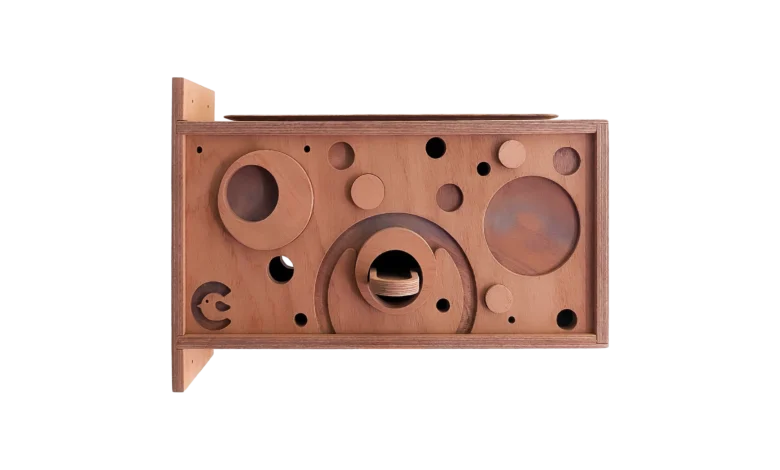
The intersection of functional industrial design and fine art has long been a pursuit of architects and interior designers, but a father-daughter workshop based in Weymouth, Massachusetts, is now applying these principles to a niche audience: backyard birds. Chirp Company, founded by Nima Yadollahpour and his daughter Mina, has officially expanded its portfolio from architectural birdhouses—which previously paid homage to the structural mastery of Frank Lloyd Wright and Le Corbusier—to a sophisticated new series of bird feeders. This latest collection draws direct inspiration from the visual languages of twentieth-century art icons, including Yayoi Kusama, Mark Rothko, Piet Mondrian, and Alexander Calder.
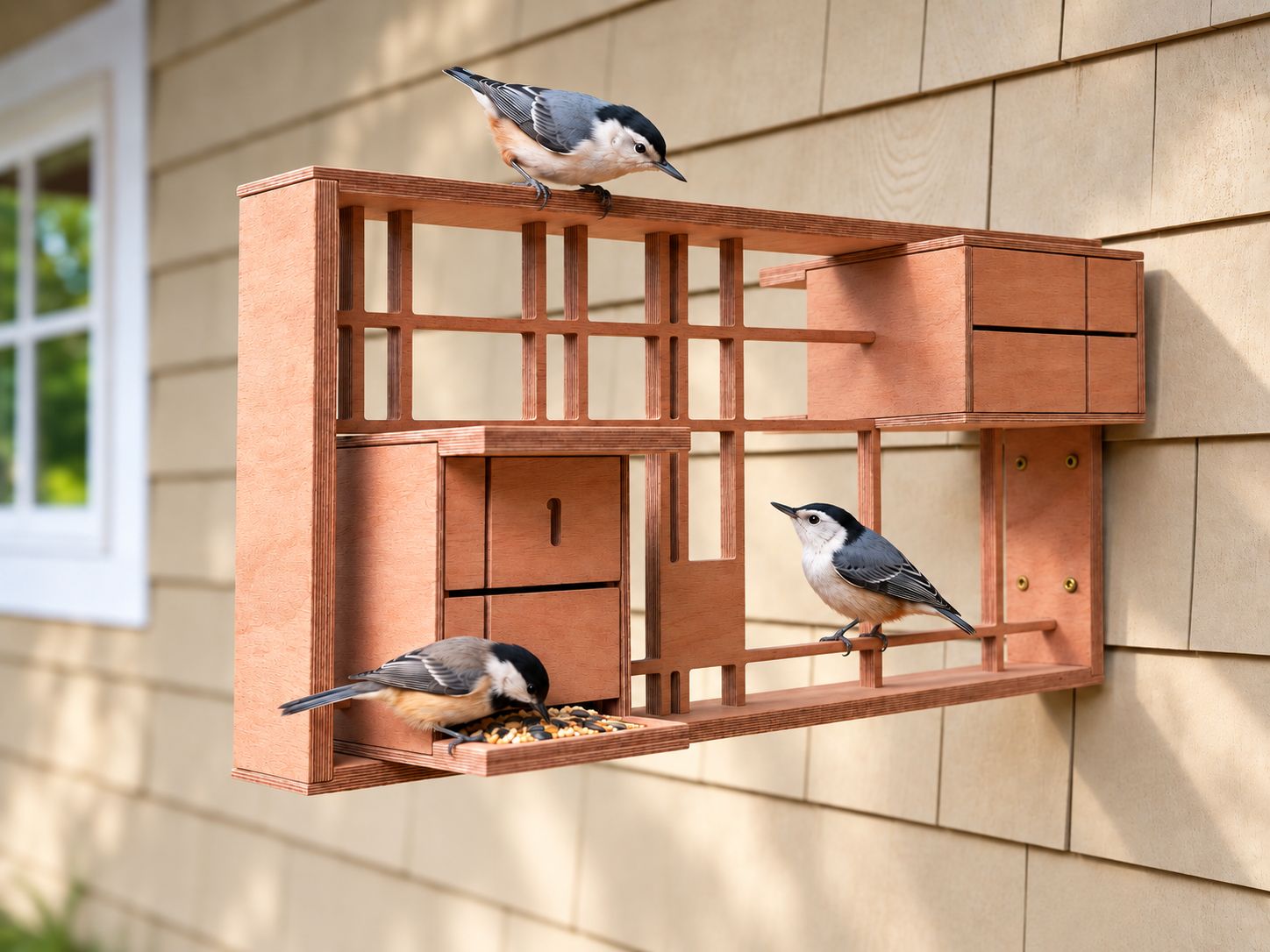
The project represents a deliberate evolution for the studio. While their initial foray into small-scale architecture focused on replicating the modernist aesthetics of human habitation for avian use, the new feeder series explores the nuances of artistic theory. By translating the complex color theory of a Rothko canvas or the geometric modularity of a Sol LeWitt sculpture into durable, weather-resistant outdoor objects, the Yadollahpours are challenging the utilitarian conventions of garden accessories.
A Chronology of Design: From Architecture to Art
The trajectory of Chirp Company reflects a growing market demand for "design-conscious" outdoor living products. Earlier this year, the workshop gained industry recognition for its modernist birdhouse line. These structures, characterized by clean lines and deliberate structural silhouettes, served as the proof-of-concept for the brand’s mission: that bird-related infrastructure need not be an eyesore, but rather an enhancement to a garden’s aesthetic profile.
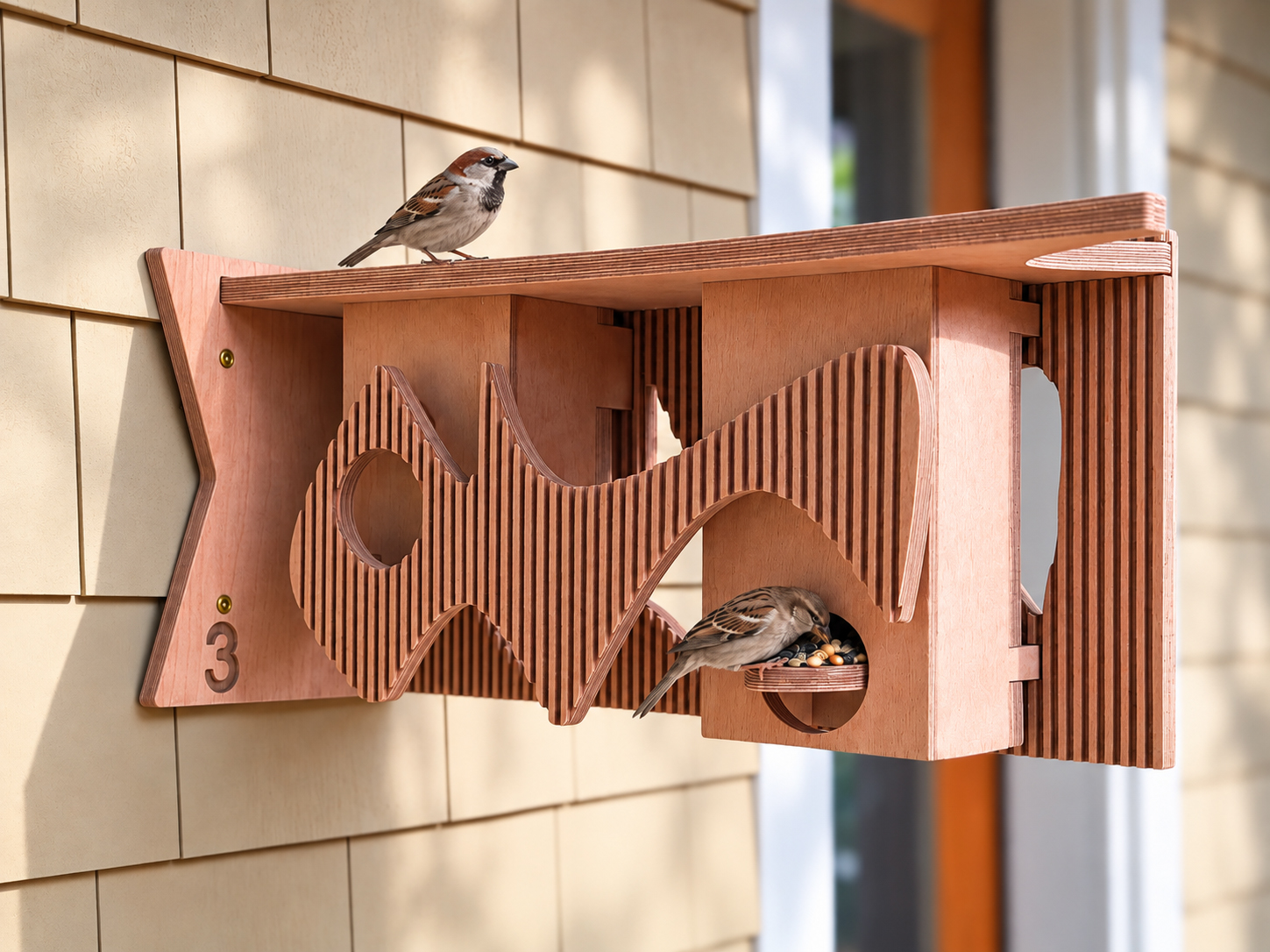
Following the success of the architectural series, the design team began researching the transition from building design to sculptural fine art. The development process, which spanned several months, involved a rigorous deconstruction of artist portfolios. The goal was not to create kitsch replicas of famous works, but to distill the fundamental design languages of these artists into three-dimensional forms that remain practical for their primary users: birds.
By late 2024, the prototypes for the new collection were finalized. The resulting feeders—categorized by the studio into "Profile" and "Relief" series—represent a shift from static architectural mimicry to dynamic, form-based interpretation.
Decoding the Artistic Influences
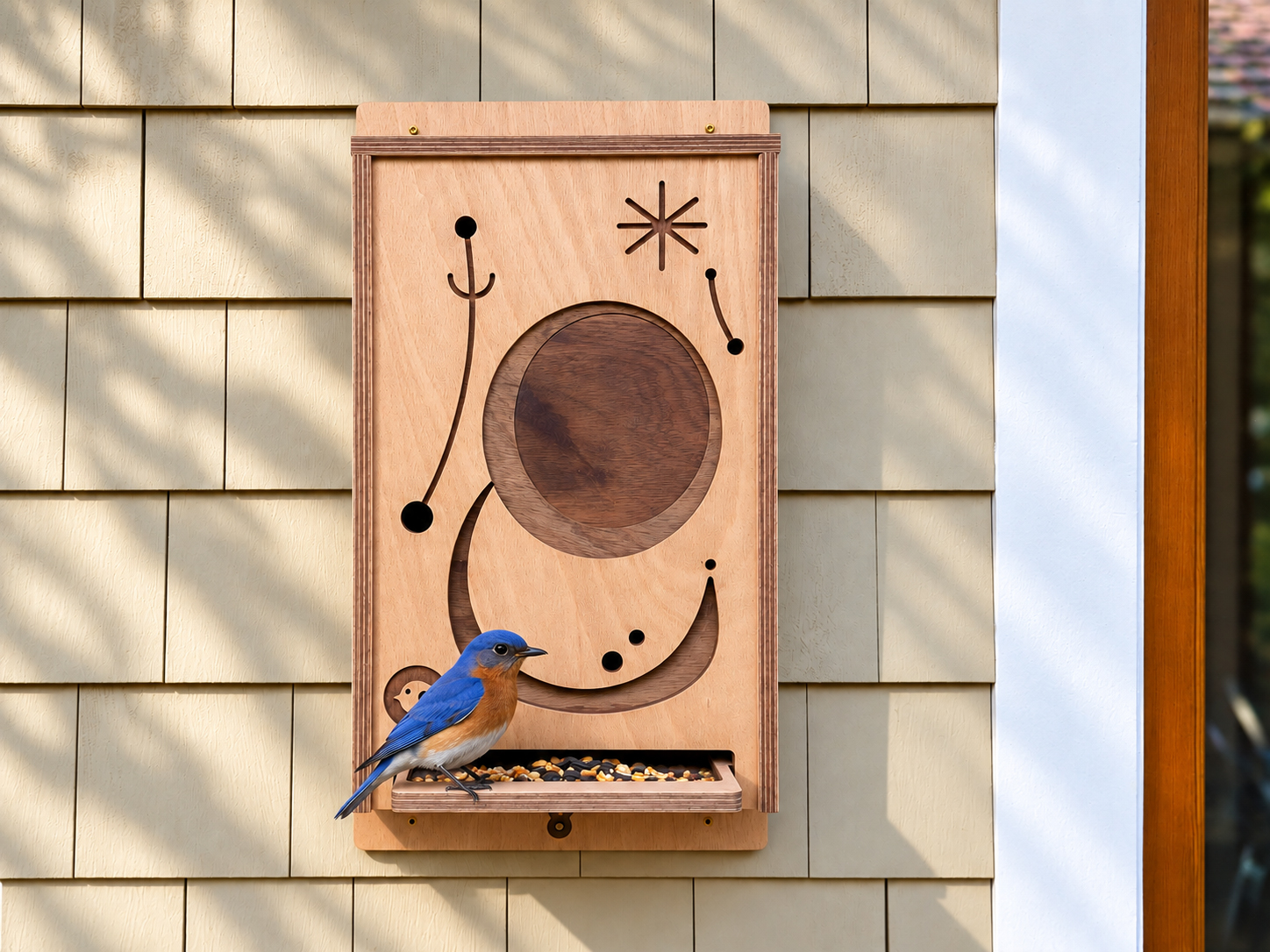
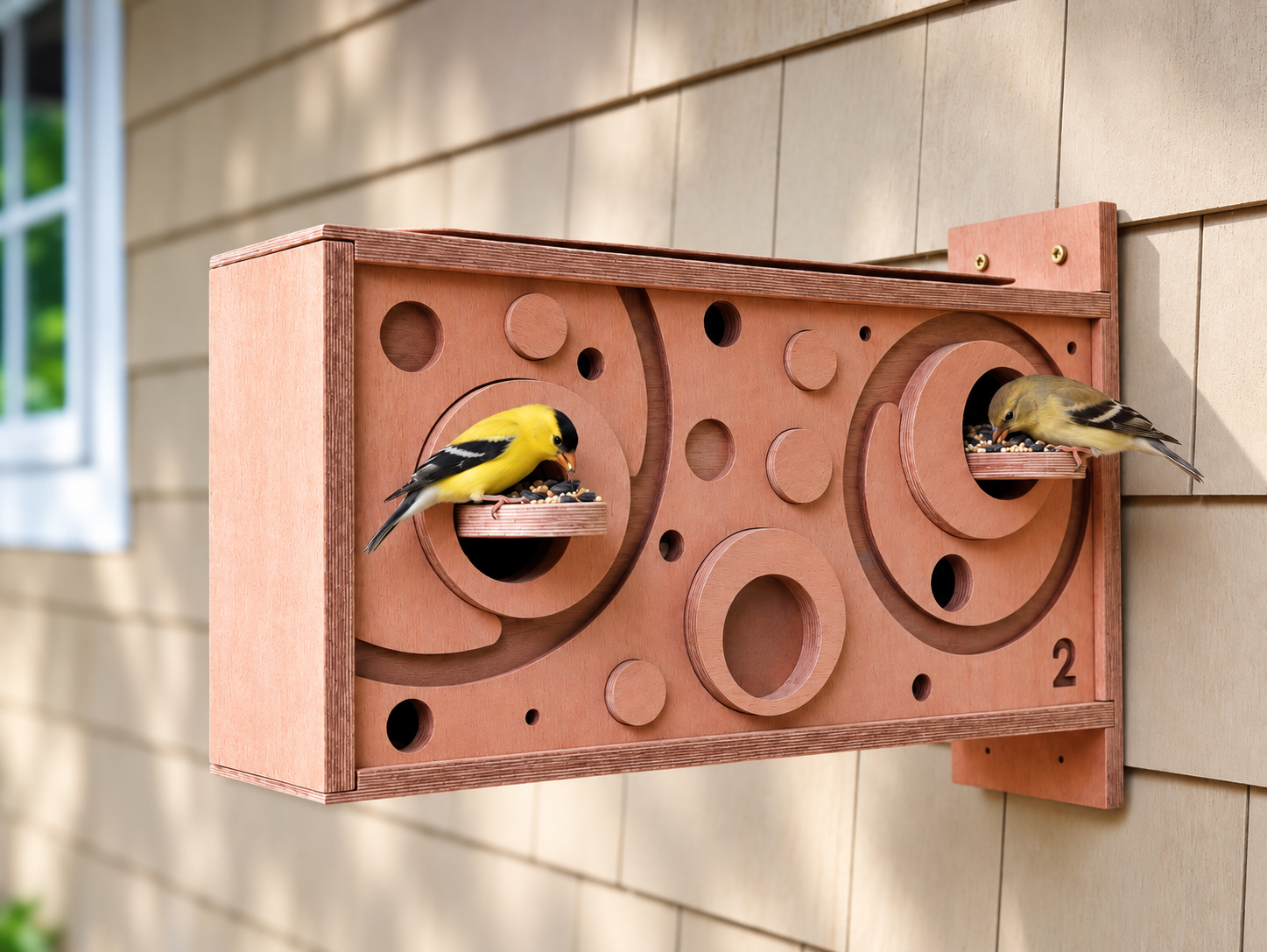
The collection features distinct models, each tied to a specific artist’s methodology. For instance, the "No. 1 Mondrian" feeder utilizes the painter’s signature intersecting planes and primary color blocking to organize space. In contrast, the "No. 2 Kusama" feeder draws upon the Japanese artist’s hallmark obsession with circular motifs and rhythmic repetition.
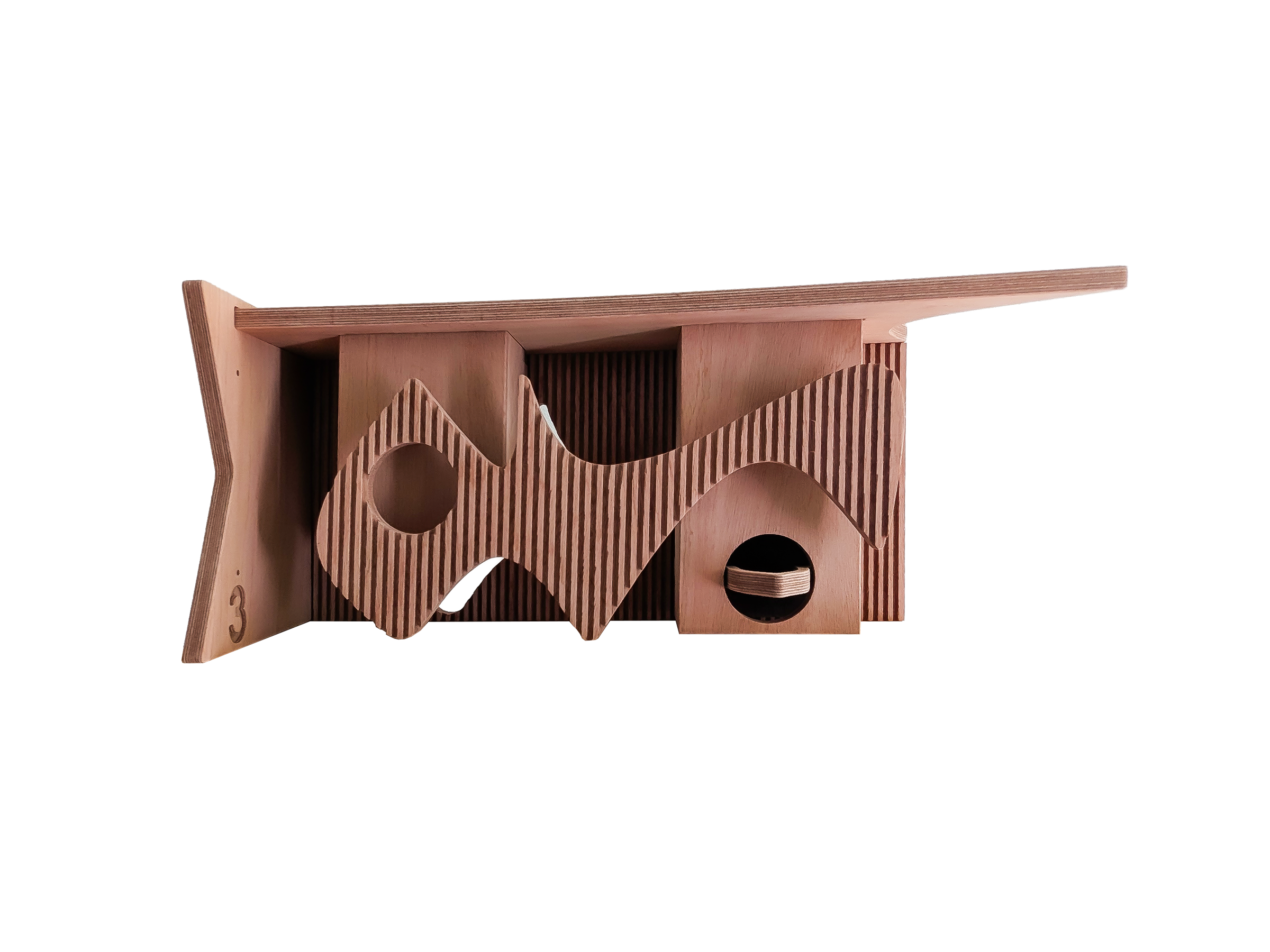
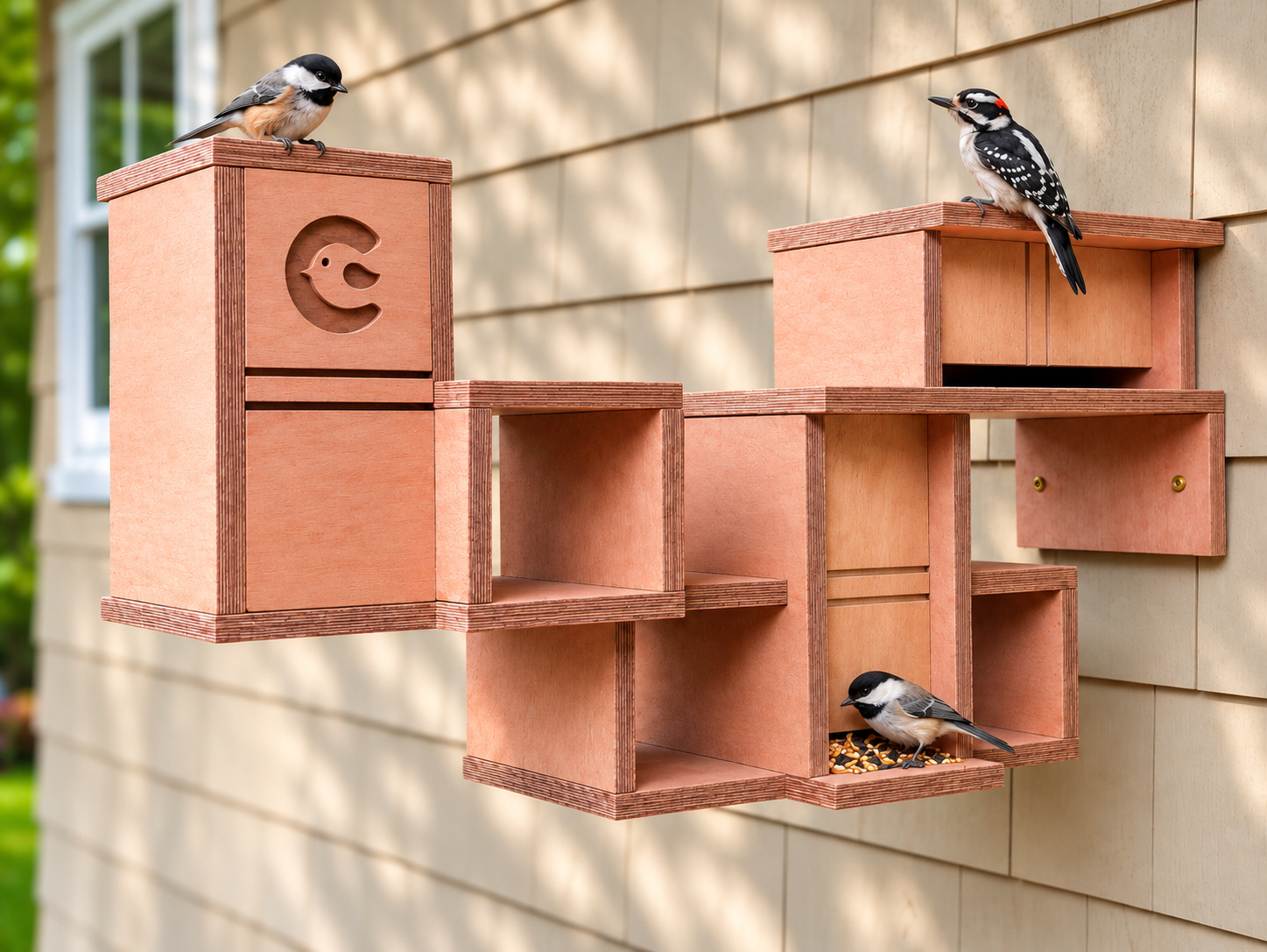
Perhaps the most structurally ambitious piece is the "No. 3 Calder" feeder. Taking cues from Alexander Calder’s kinetic sculptures, the piece plays with mass and negative space, creating an environment that feels weightless despite its functional requirements. Other notable entries include the "No. 4 LeWitt," which employs a modular system of open frames, and the "No. 5 Rothko," a study in depth and color-field restraint that encourages a meditative approach to the act of feeding.
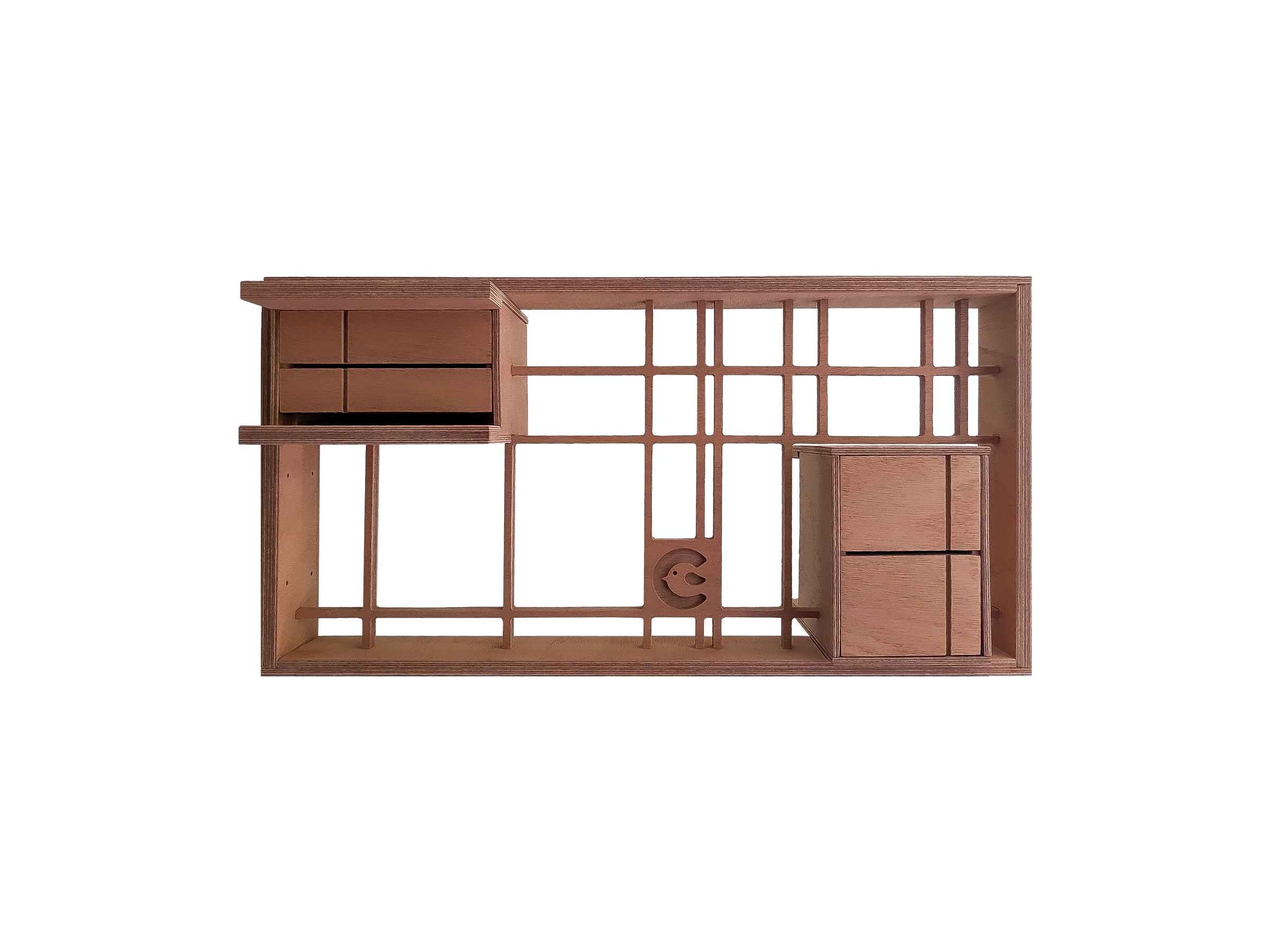
According to Nima Yadollahpour, the selection process was governed by the need for distinct visual languages. "We were looking for artists with very distinct visual languages that could be translated into three-dimensional objects without simply copying a particular work," he noted in a recent interview. "Some, like Mondrian and LeWitt, offered very clear ideas about geometry and structure. Calder allowed us to explore positive and negative space. Kusama led us toward repetition and pattern, while Rothko was more about proportion, depth, and restraint."
The Functional Imperative: Engineering for Wildlife
While the aesthetic appeal of the feeders is clear, the practical requirements of bird feeding remain paramount. A poorly designed feeder can lead to issues such as seed spoilage, water retention, or even injury to the birds. Chirp Company’s engineering process involved balancing the artistic vision with essential functionality.
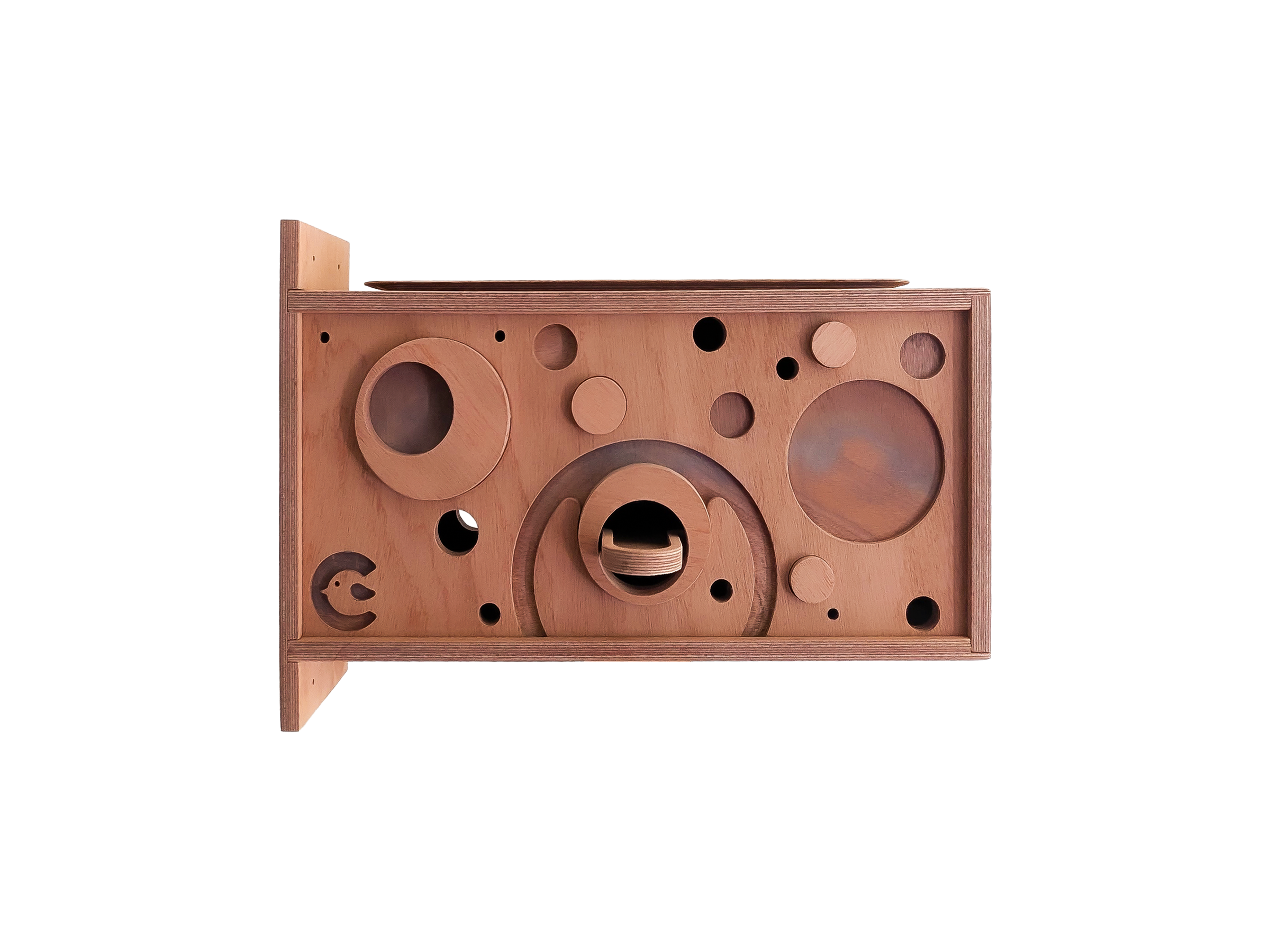
Each feeder is constructed from materials selected for their ability to withstand the elements, ensuring that the structural integrity of the design remains intact through seasonal shifts. Furthermore, the feeders are designed to provide appropriate perching space, proper seed capacity, and ease of maintenance for the owner.
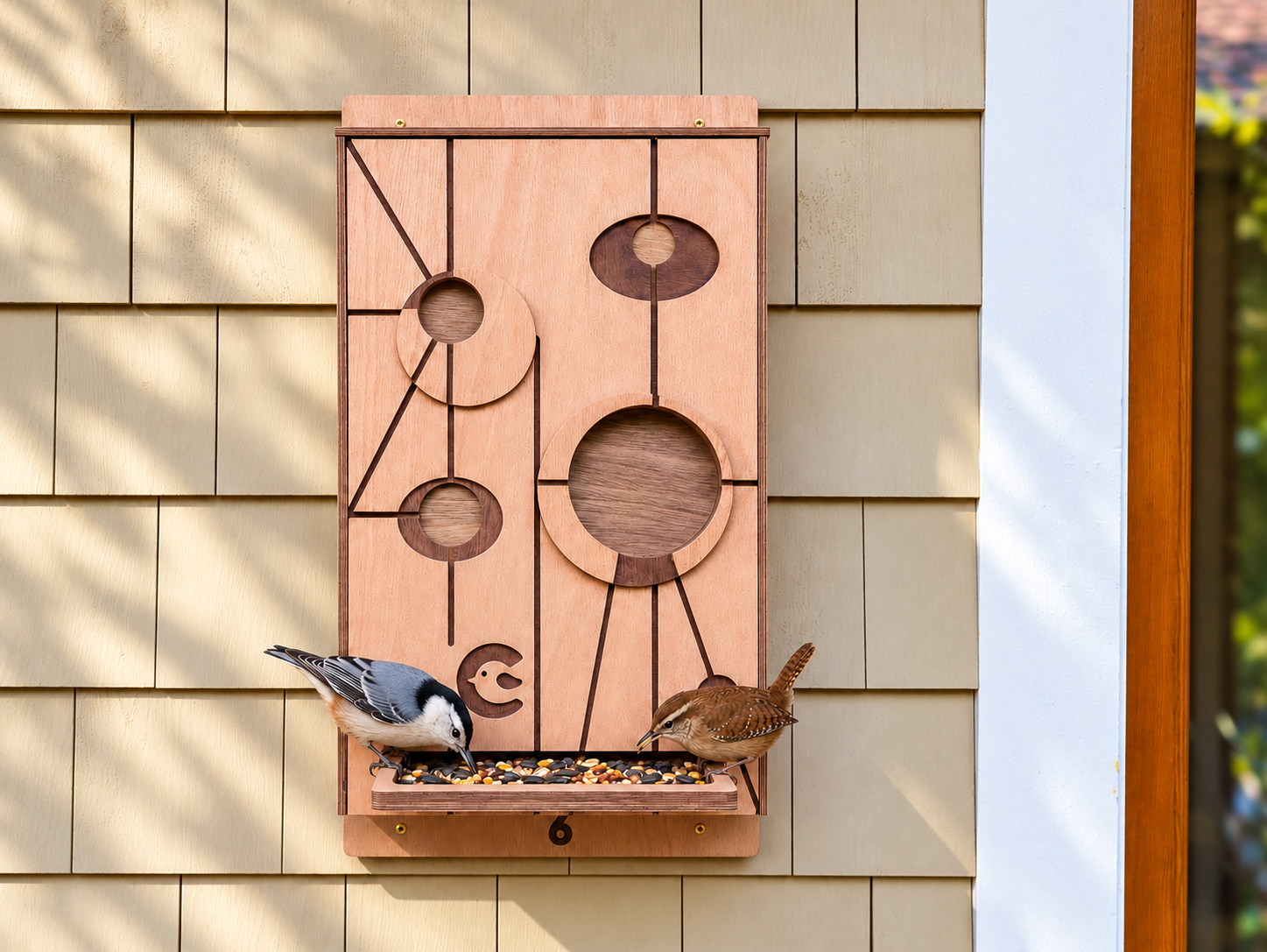
One of the most compelling aspects of this project is the integration of the bird as a participant in the art. As Yadollahpour points out, the "finished" look of the object is never truly fixed. "The feeder is constantly changing as different birds arrive, perch, feed, and move through it. Their color, movement, and behavior bring the composition to life in a way we could never completely control or design in advance. In that sense, the birds become part of the art itself."
Market Context and Implications
The success of niche design companies like Chirp highlights a broader trend in the home and garden sector. According to recent data from market research firms specializing in lawn and garden products, there has been a significant uptick in consumer interest regarding high-design outdoor living accessories. As urbanization increases and garden spaces become more curated, consumers are increasingly seeking products that reflect their personal design sensibilities.
The shift toward "design-conscious" birding supplies also aligns with the broader "backyard ecology" movement. As interest in urban birdwatching and wildlife conservation grows, there is an increased demand for products that facilitate a connection to nature without sacrificing the visual integrity of a modern home. Chirp Company’s move to align their products with fine art is a savvy positioning strategy that elevates the humble bird feeder from a garden utility to a conversation piece.
Future Outlook and Expansion
The current collection, which also features designs inspired by the works of Lee Bontecou, Louise Nevelson, and Joan Miró, is viewed by the studio as only the beginning. The Yadollahpours have signaled their intent to continue exploring the intersections of art and utility.
The studio is currently conceptualizing a "Mobile Series," which would further lean into the kinetic legacy of artists like Calder. This potential expansion suggests that the partnership between the father-daughter team is far from finished. By viewing their workshop as an "ever-evolving project," the duo ensures that their output remains relevant and fresh.
The implications for the design world are subtle but significant. Chirp Company demonstrates that high-concept design does not need to be confined to galleries or high-end retail interiors. By applying the rigor of fine art theory to the outdoor environment, they are redefining what it means to create "functional art." Whether these feeders will inspire a new wave of designer garden infrastructure remains to be seen, but they have undoubtedly succeeded in capturing the attention of both the birding and design communities.
For those interested in the technical specifications or the inspiration behind specific models, the full collection is currently available via the studio’s digital platform. As the project matures, it serves as a reminder that even the most mundane activities—such as filling a bird feeder—can be transformed into an opportunity for artistic engagement, provided the design is handled with sufficient curiosity and care.
Summary of Design Philosophies by Model
- No. 1 Mondrian: Focuses on the grid, horizontal and vertical orientation, and the use of primary colors to define structure.
- No. 2 Kusama: Employs modular circular patterns to create a sense of infinite repetition.
- No. 3 Calder: Utilizes balanced, suspended, and layered forms to emphasize the weight of the structure versus the lightness of the birds.
- No. 4 LeWitt: Based on the mathematical and geometric logic of cubes and open frameworks.
- No. 5 Rothko: Prioritizes subtle color transitions and the illusion of depth to create a sense of atmosphere.
- No. 6 Nevelson & Bontecou: These pieces focus on texture and the juxtaposition of light and shadow, reflecting the specific sculptural languages of their namesakes.
As the industry watches, the Chirp Company model of combining small-scale architecture with fine art theory offers a compelling roadmap for other designers seeking to disrupt traditional, legacy-driven markets. By focusing on quality materials, historical artistic context, and the unpredictable, organic nature of the wildlife they serve, the studio has successfully carved out a unique position in the contemporary design landscape. The project continues to invite bird lovers and art enthusiasts alike to view their backyards not just as green spaces, but as evolving galleries where nature and creativity intersect.