Hiroshi Sugimoto Transforms the Hirshhorn Sculpture Garden into a Monumental Zen Sanctuary

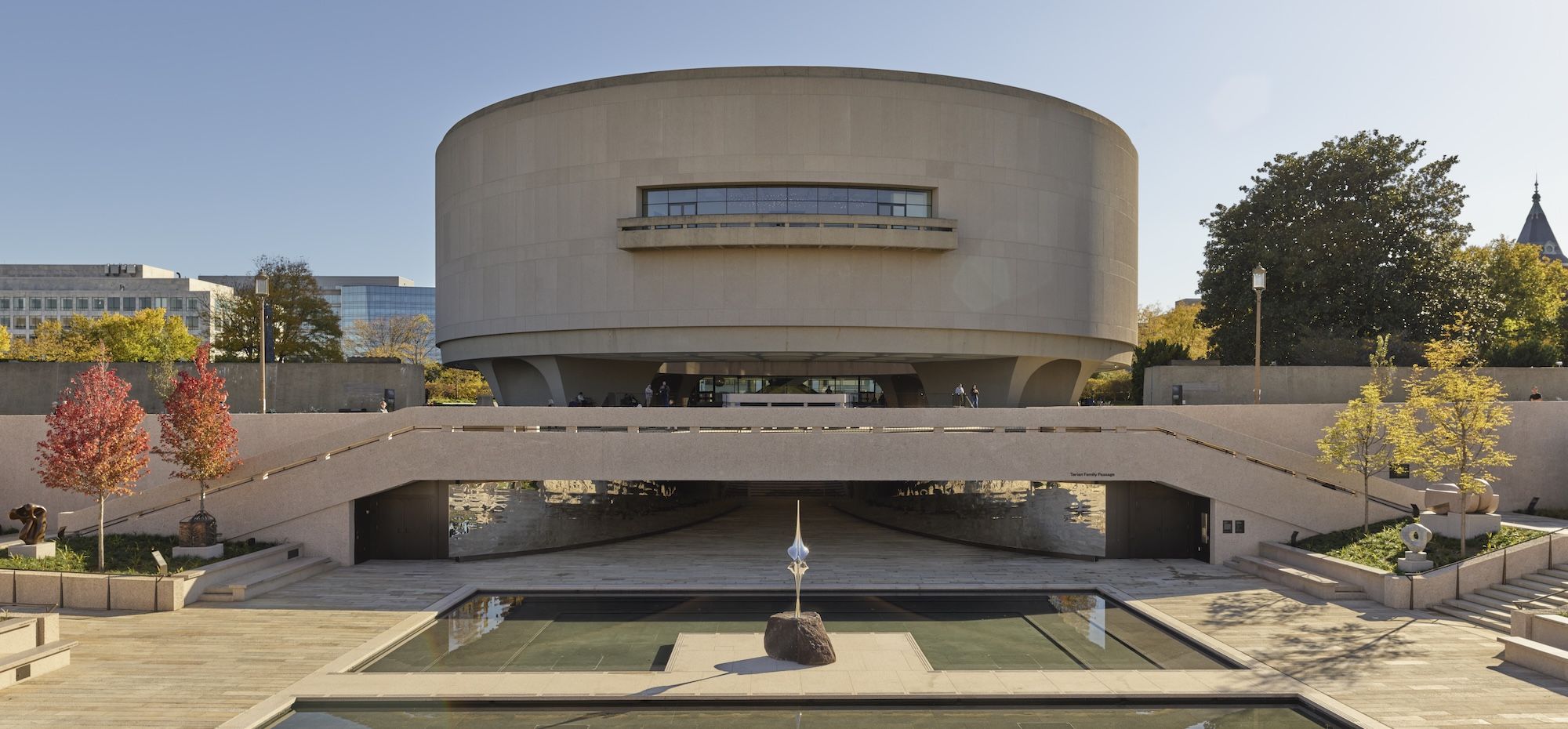
The Hirshhorn Museum and Sculpture Garden, a staple of the Smithsonian institution landscape along the National Mall in Washington, D.C., has unveiled a comprehensive, multi-year renovation of its 1.3-acre outdoor exhibition space. Spearheaded by the renowned Japanese architect and photographer Hiroshi Sugimoto, the project represents a significant departure from the museum’s previous iteration, shifting from a tucked-away, sunken garden to a permeable, integrated cultural hub. The redesign, executed by Sugimoto’s New Material Research Laboratory in partnership with YUN Architecture, marks the culmination of an ambitious effort to modernize the facility while paying homage to the original brutalist vision of architect Gordon Bunshaft.
A Chronology of a Brutalist Evolution
The Hirshhorn Museum has long been defined by its circular, elevated concrete form, a hallmark of mid-century modernism designed by Gordon Bunshaft. When the museum opened in 1974, the sunken sculpture garden was intended to serve as a quiet, contemplative counterpart to the imposing museum building. However, the space suffered from accessibility issues and physical disconnection from the surrounding National Mall.
The timeline of the garden’s evolution is marked by several key interventions:
- 1974: Original completion of the Hirshhorn Museum and the sunken sculpture garden.
- 1981: The original passageway connecting the museum to the garden via an underground tunnel under Jefferson Drive was permanently closed, further isolating the space.
- 1981: Landscape architect Lester Collins introduced a significant redesign, adding more greenery to soften the stark, bare aesthetic of the original Bunshaft scheme.
- 2018: Hiroshi Sugimoto was commissioned to refresh the museum’s interior lobby, a successful project that laid the groundwork for his eventual selection to overhaul the sculpture garden.
- 2024: The completion of the full-scale redesign, featuring new structural elements, expanded landscaping, and a significant increase in the sculpture inventory.
Philosophical and Structural Redesign
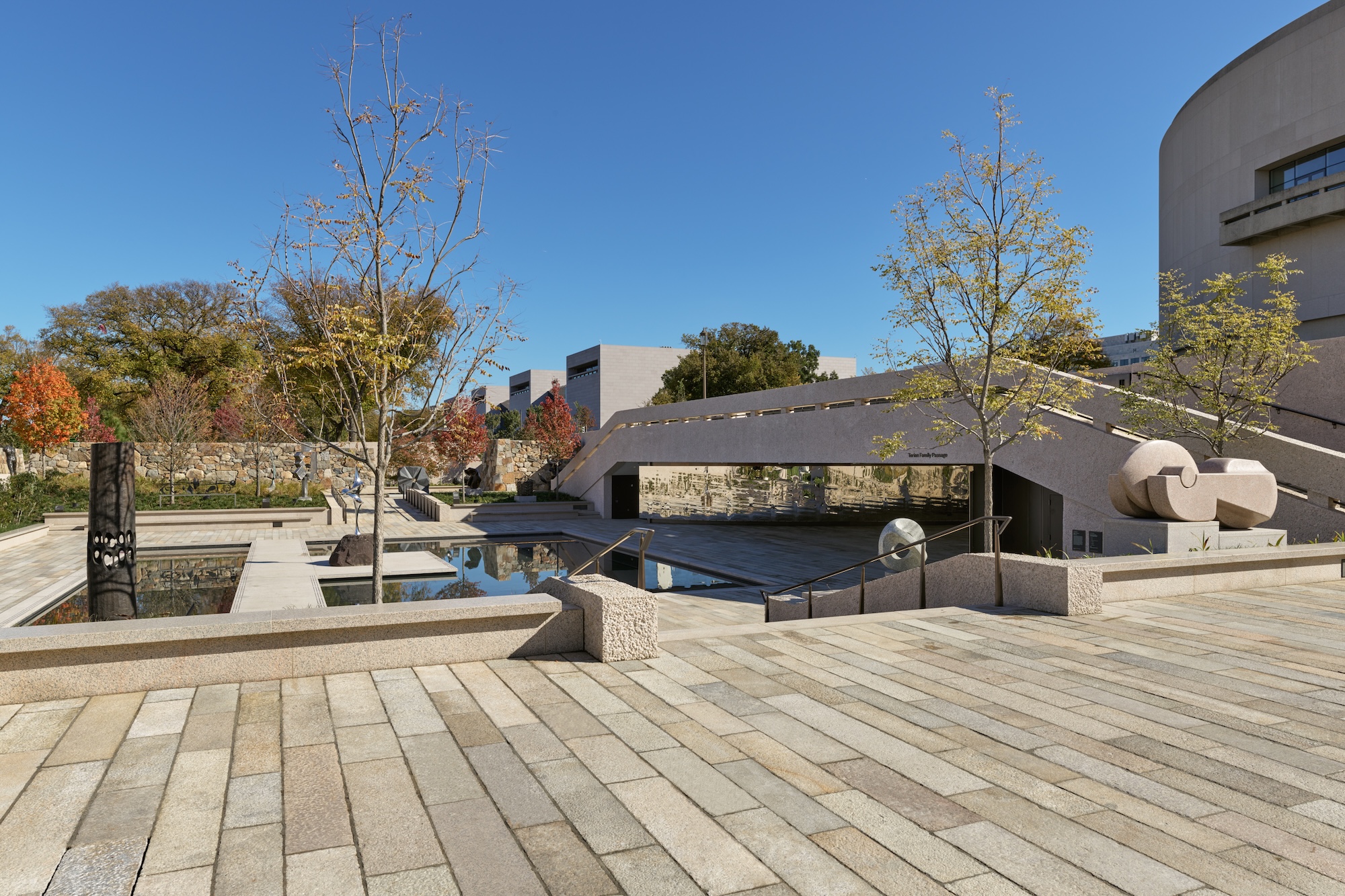
The central ambition of the project was to increase the visibility and utility of the sunken space, which lies up to 14 feet below the street level of the National Mall. By restoring the long-shuttered tunnel entrance and significantly widening the northern gateway, the project team has effectively reoriented the museum. "It means that our front door is the National Mall," noted acting museum director Aaron Seeto.
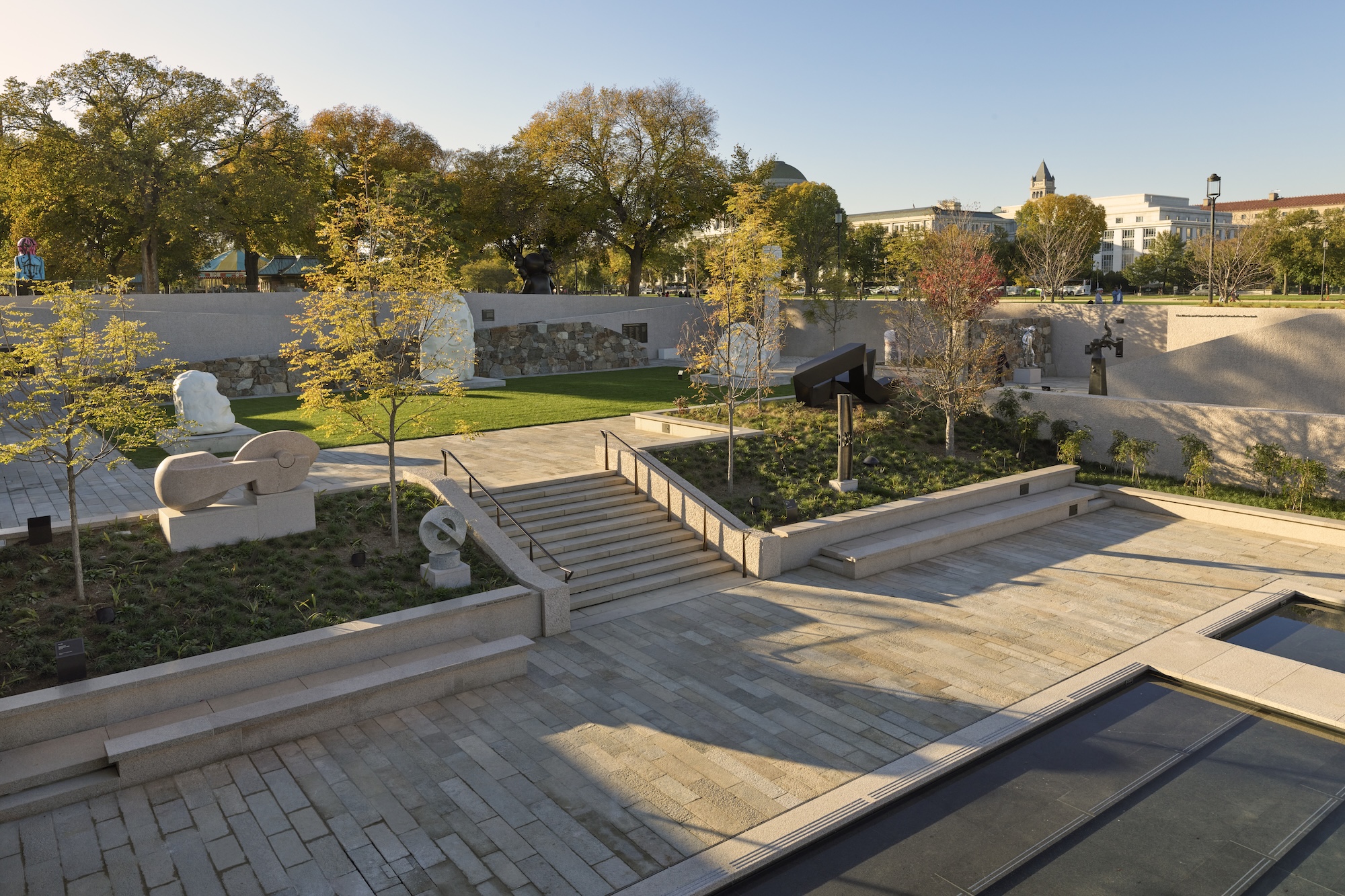
Sugimoto’s approach to the redesign was deeply rooted in the philosophy of the "void," a concept frequently associated with Zen gardens. In his design statement, Sugimoto noted that placing an empty space—a "lifeless" void—amongst flourishing greenery creates a paradox that highlights the concept of life. To achieve this, the renovation introduced 57 new trees and over 40,000 individual plants, while carefully retaining the historic elm trees that bordered the garden’s perimeter.
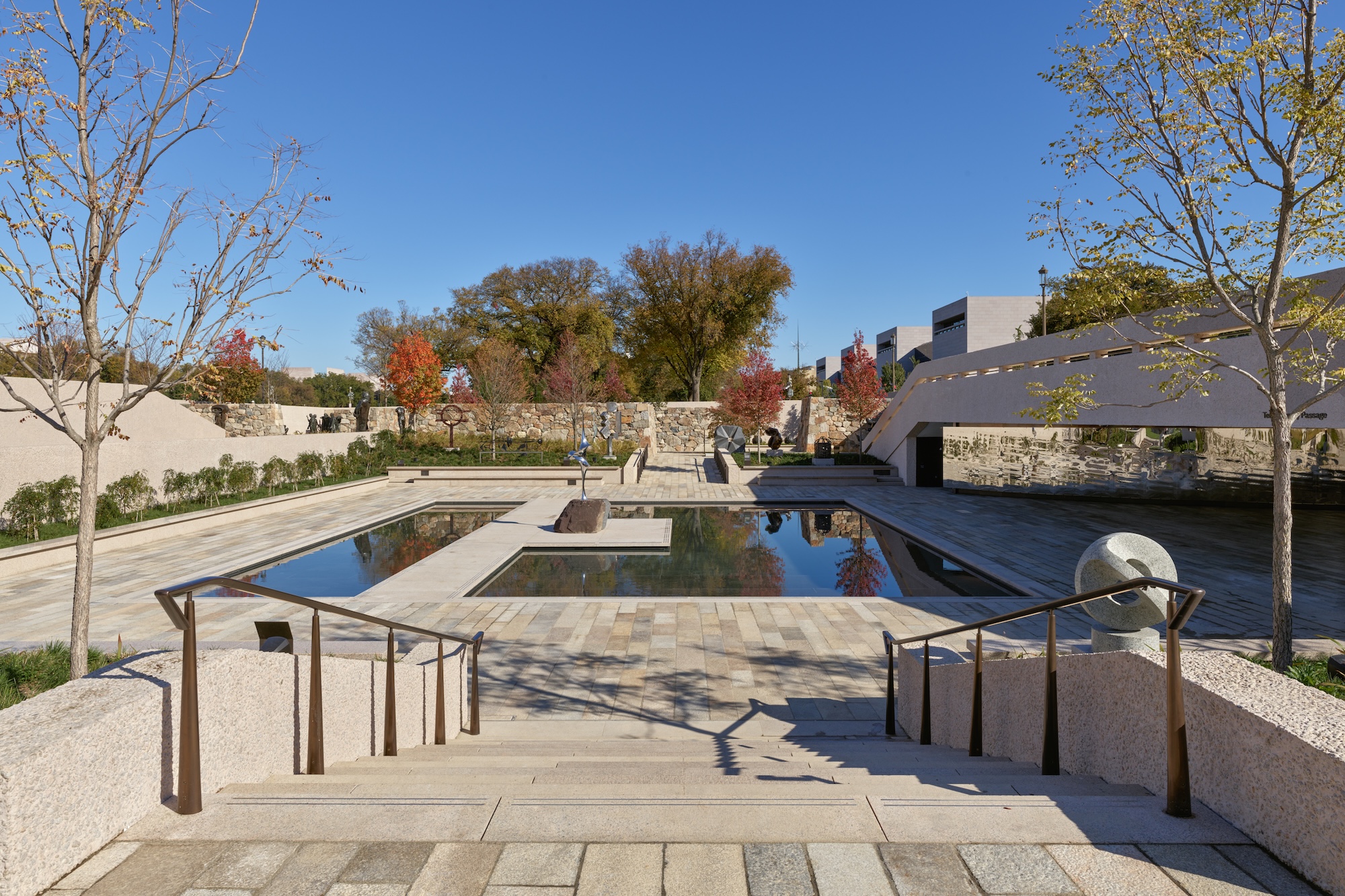
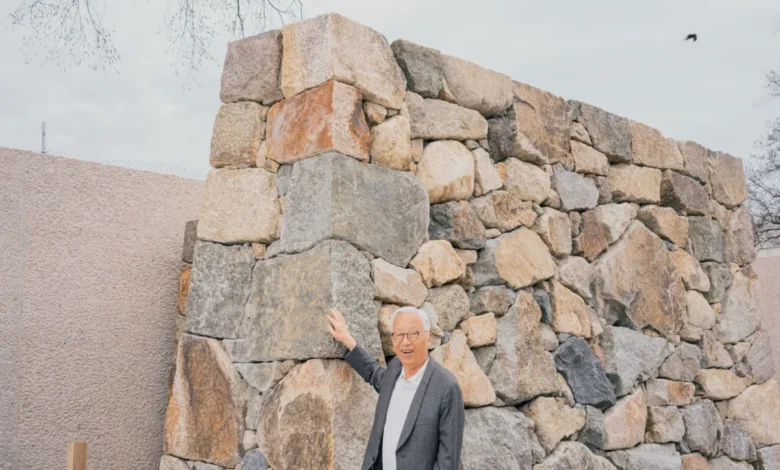
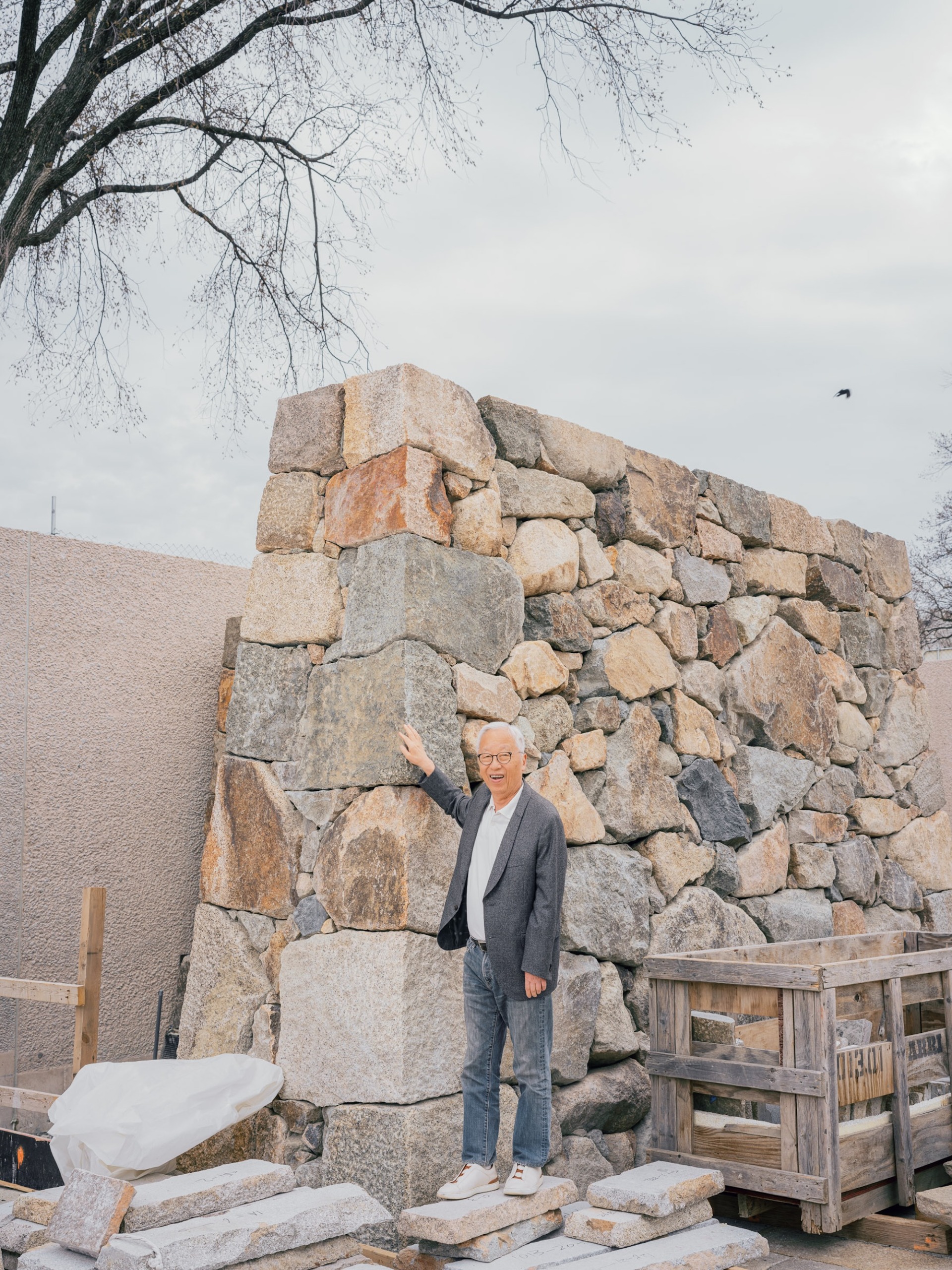
The structural focal point of the new design is the replacement of aging infrastructure with hand-stacked stone walls. Comprised of 950 tons of stone sourced from Gloucester, Massachusetts, these walls were constructed by Japanese artisans using traditional techniques. While visually striking, the walls were a point of contention during the planning phase. Preservationists, including members of The Cultural Landscape Foundation, raised concerns that the redesign would erase the historic 1981 landscape elements introduced by Lester Collins. Furthermore, critics questioned the departure from the original concrete material palette that defined the Hirshhorn’s brutalist architecture. Despite these debates, the final design has been lauded for creating a more functional "conversation pit" that invites visitors to linger rather than simply pass through.
Data and Artistic Expansion
Beyond the aesthetic and structural changes, the garden has seen a dramatic expansion in its curatorial scope. The number of sculptures on display has increased from 35 to 60, with 19 works debuting at the Hirshhorn for the first time. This expansion is not merely quantitative; it follows a deliberate art-historical narrative.
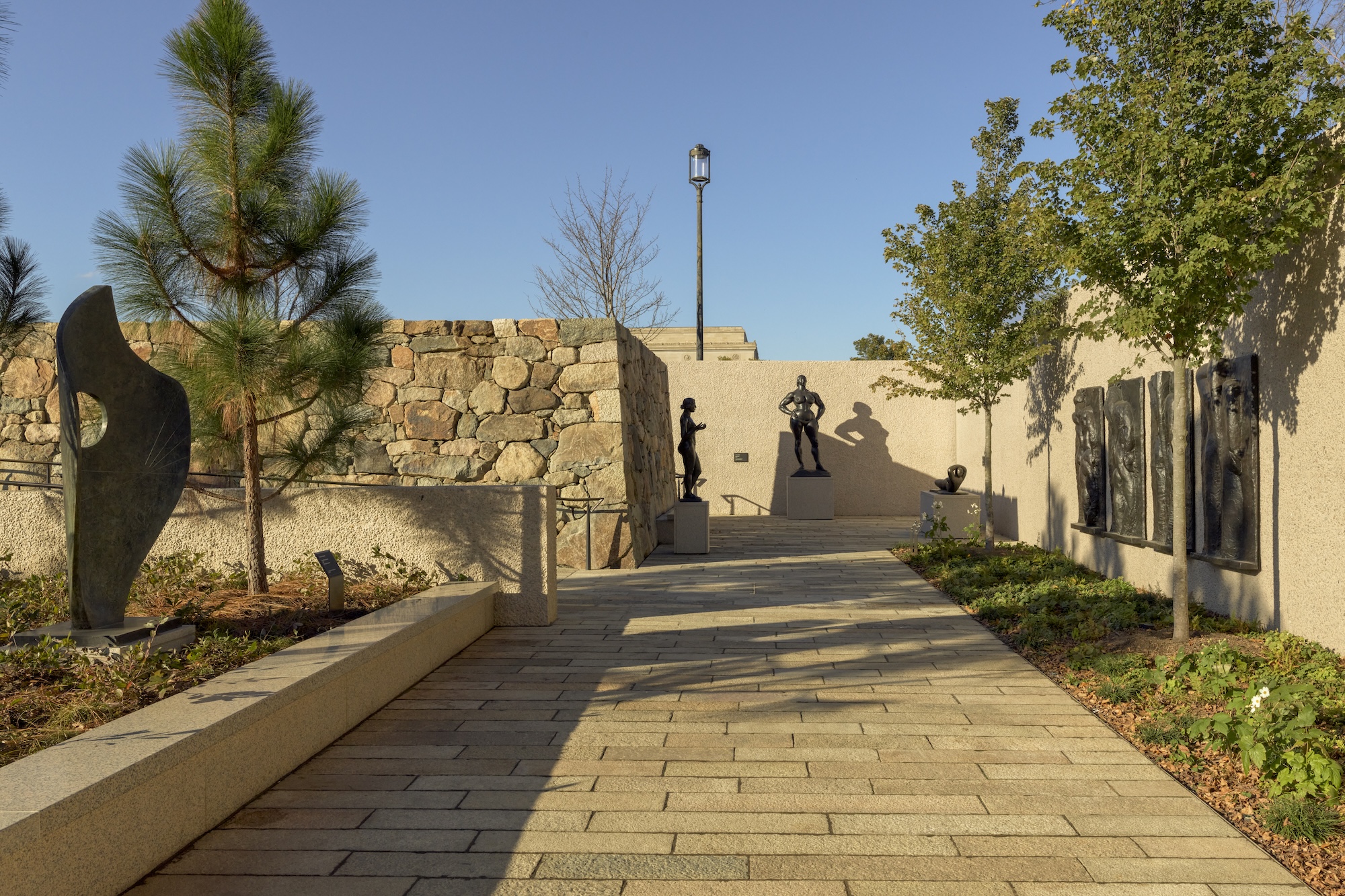
The collection now features a dedicated gallery space for works by Henry Moore and Barbara Hepworth, honoring the personal relationships the museum’s namesake, Joseph Hirshhorn, shared with these iconic modernists. The inclusion of new works by contemporary artists—such as KAWS, Izumi Kato, and Woody De Othello—ensures that the garden remains a bridge between the historical foundations of modern sculpture and current global artistic practice.
One of the most notable additions is Sugimoto’s own work, Passage of Reflectance. The stainless steel sculpture, located beneath the bridge connecting the museum to the garden, utilizes light and shadow to accentuate the geometry of Bunshaft’s architecture. Additionally, Yoko Ono’s Wish Tree for Washington has been re-integrated into the landscape, anchoring the garden’s role as a space for public interaction.
Broader Implications and Public Response
The inclusion of Eight, a stainless steel work by Danish artists Elmgreen and Dragset, has drawn particular attention. Designed as a backyard swimming pool turned on its side, the piece has sparked playful conversation regarding the current state of Washington’s political and social landscape. While some have sought to draw parallels between the "infamous" pools of recent D.C. headlines, the artists maintain that the piece was conceived four years ago, serving as a comment on the nature of reality rather than a specific political critique.
From an institutional perspective, the renovation is a strategic move to address the changing needs of museum-goers. Washington’s summer climate, which is notoriously hot and humid, necessitated the introduction of effective shading and increased seating. By providing these amenities, the museum aims to transform the garden from a transit zone into a destination for contemplation and education.
The impact of this project on the Smithsonian’s broader portfolio cannot be overstated. By balancing the preservation of Bunshaft’s original brutalist intent with a modern, more accessible landscape design, the museum has created a template for how historic institutions can evolve without losing their identity. The project also underscores the importance of the sculpture garden as a "front porch" for the museum, facilitating a more seamless flow between the public space of the National Mall and the private, reflective space of the museum.
As the Hirshhorn looks toward the future, the success of the Sugimoto redesign will be measured by the sustained engagement of the public. By increasing the diversity of the collection, restoring historic access points, and creating a more comfortable environment, the museum has successfully navigated the delicate balance between architectural heritage and contemporary utility. The result is a space that honors the past while providing a monumental stage for the sculpture of the future. As Aaron Seeto emphasized, the primary goal remains to "help people linger longer" and to foster a deeper, more meaningful connection with the extraordinary collection housed within the Hirshhorn’s circular walls. The transformation is not just a renovation; it is a fundamental recalibration of how the public interacts with art in the nation’s capital.