CSS-Tricks evolution: The final edition of What’s !important marks a strategic shift to a standalone newsletter format


The long-running web development editorial series What’s !important has officially published its final edition on the primary CSS-Tricks website, signaling a major structural pivot for the platform. This transition marks the conclusion of the series’ current delivery model, with the content slated to return on November 10th exclusively via the newly relaunched CSS-Tricks newsletter. This change follows a four-year hiatus for the newsletter service and aligns with the broader revitalization of the CSS-Tricks domain following recent changes in ownership and management.
The Evolution of CSS-Tricks Content Delivery
Since its inception, CSS-Tricks has served as a cornerstone for front-end development education. The "What’s !important" series functioned as a curated digest of industry news, CSS techniques, and web platform updates. By moving this content into an email-first format, the editorial team aims to provide a more personalized, hand-curated experience for subscribers. This shift reflects a growing industry trend where technical newsletters are increasingly used to bypass algorithmic social media feeds, offering direct access to specialized content.
The hiatus of the newsletter, which lasted four years, underscores a period of significant flux for the site. With the platform’s recent return to active development, the decision to revive the newsletter suggests a commitment to fostering a dedicated community rather than relying solely on organic search traffic.
Modern CSS and the Future of UI Development
The final edition of the series highlighted several critical advancements in web development that illustrate the rapid pace of change within the CSS Working Group and browser engine implementations.
Advanced Scroll Interactions
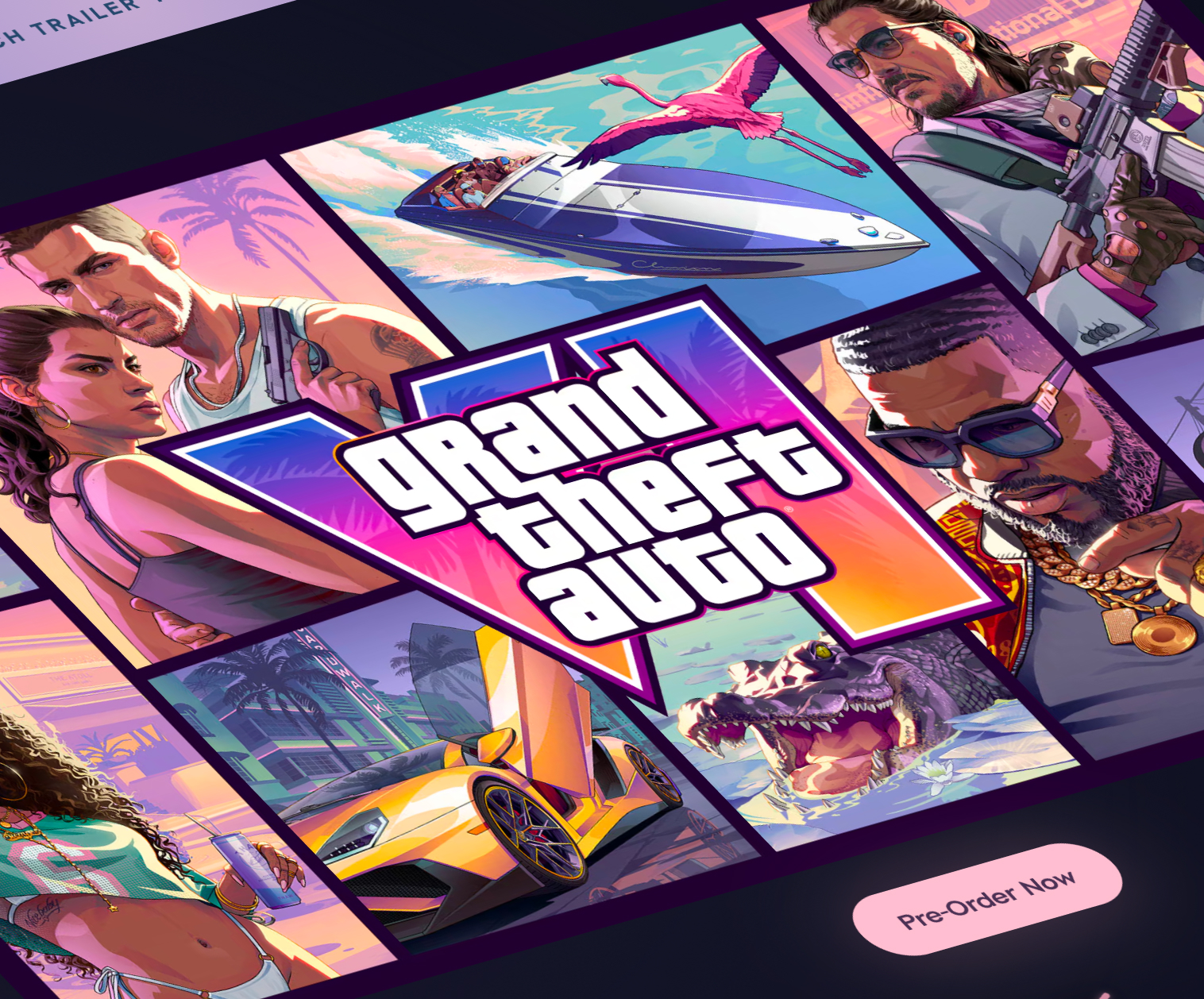
One of the most notable discussions involves the implementation of sophisticated scroll-based animations. Developers are increasingly moving away from third-party JavaScript libraries in favor of native CSS capabilities. The Rockstar Games website for Grand Theft Auto 6 has become a focal point for this shift, demonstrating how high-fidelity, scroll-triggered visual effects can be achieved with modern browser APIs. Analysis of these techniques suggests that as native support for scroll-linked animations matures, the performance overhead of traditional animation libraries will likely decrease, leading to smoother user experiences on both mobile and desktop environments.
The Rise of CSS Randomization and Logic
The introduction of the random() function in CSS represents a significant milestone for programmatic styling. As explained by industry experts, this function allows for "playful imperfection" in design, enabling developers to generate varied layouts or stylistic elements without manual overrides. This capability, alongside other emerging features like sibling-index() and sibling-count(), empowers developers to build complex, content-aware design systems that are significantly more maintainable than previous iterations.
Structural Changes to Web Standards
The web platform continues to evolve, with several proposals currently under review that aim to simplify the developer workflow:
- Universal Pseudo-Selectors: The proposal for a
::*selector aims to address the limitations of the current universal selector, which does not target pseudo-elements. As the number of standard pseudo-elements (such as::backdropand::details-content) grows, the industry standard for box-sizing resets—which currently requires long, repetitive chains of selectors—is becoming increasingly cumbersome. - Iconography Implementation: Recent discourse led by experts like Lea Verou has focused on the standardization of icon integration. As the web moves toward 2026, the potential adoption of features like
ident(),@mixin, and@applypromises to streamline how icons are managed, colored, and scaled within massive design systems. - Textarea Adaptability: The industry is moving toward intrinsic sizing for form elements. By leveraging CSS anchor positioning and new sizing properties, developers can now make
textareaelements adapt to their content automatically, effectively mirroring the behavior ofcontenteditabledivs without the associated accessibility or focus management complexities.
Visual Design Advancements
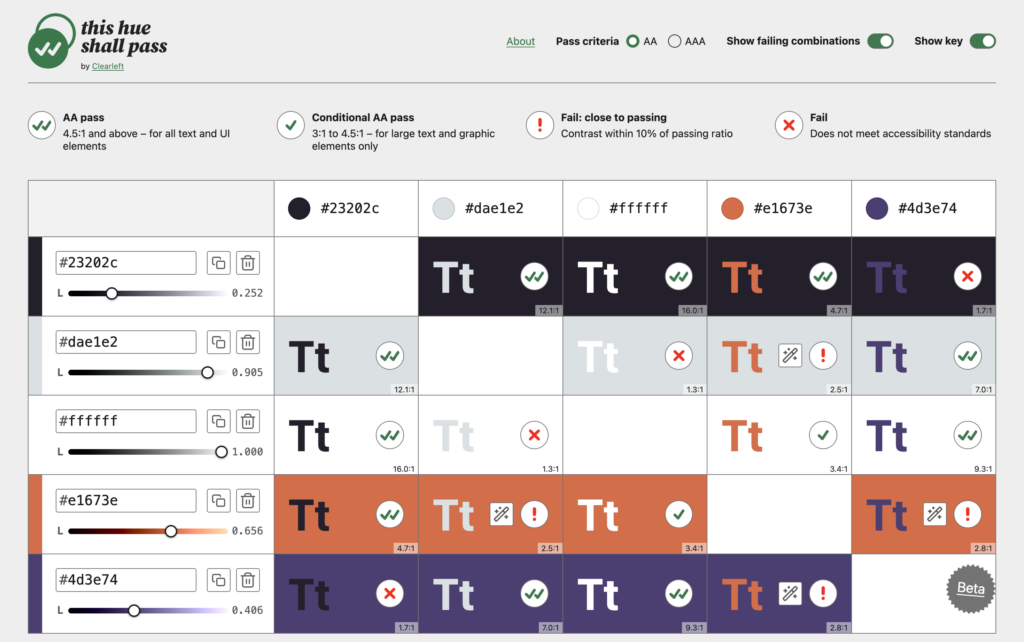
The toolchain for web designers is seeing a surge in specialized visualizers. Tools like This hue shall pass—a contrast-checking utility—are setting new benchmarks for accessibility compliance. By providing granular adjustments that distinguish between "Fail" and "Fail: close to passing," these tools assist developers in achieving AA and AAA WCAG standards more efficiently.
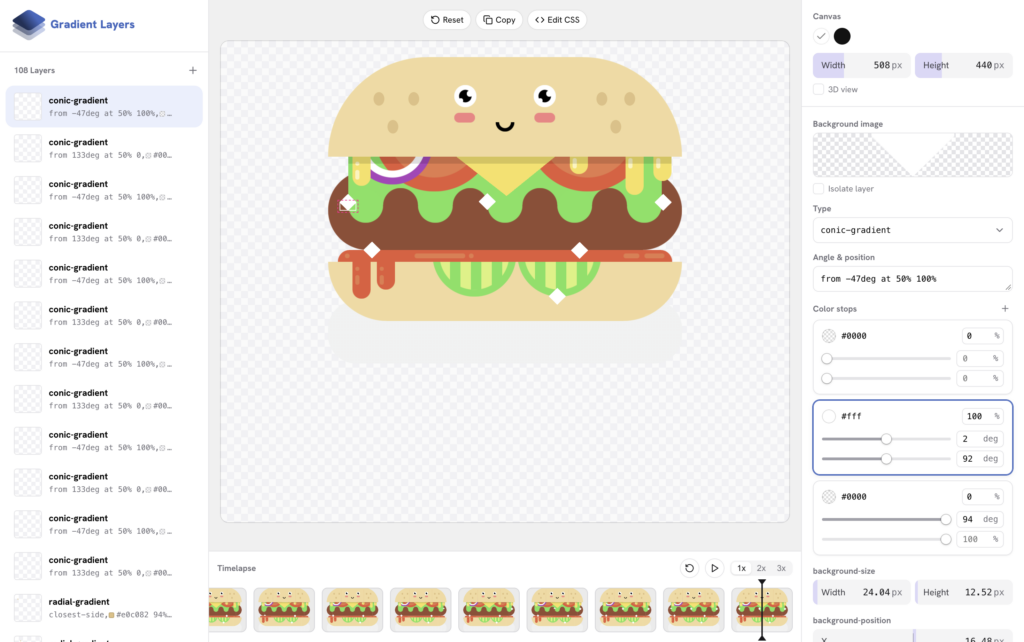
Furthermore, the integration of complex gradient types is set to expand. Josh Tumath’s work on 2D gradients, including mesh-gradient and freeform-gradient, indicates a move toward more artistic, non-linear backgrounds that were previously only possible via raster images or heavy SVG files. These advancements allow for high-resolution visual output with minimal file size, a critical factor for web performance.
Broader Implications for the Front-End Ecosystem
The transition of the "What’s !important" series is more than a change in delivery medium; it represents a broader trend in the software industry toward curated, expert-led content. As the web platform becomes increasingly complex, the role of technical curation becomes vital. The sheer volume of new CSS features, HTML specifications, and browser updates makes it difficult for individual developers to stay informed.
By moving to a newsletter-only model, CSS-Tricks is positioning itself as a high-value resource that curates the "signal" from the "noise." The inclusion of professional sponsors and hand-curated editorials suggests that the platform is seeking a sustainable economic model that favors quality over high-frequency content production.

Chronology of Recent Site Developments
- Early 2026: CSS-Tricks undergoes a transition in ownership, sparking renewed investment in editorial quality.
- October 2026: The final publication of "What’s !important" occurs on the web domain, coinciding with a site-wide update to its visual and functional framework.
- November 10, 2026: The official launch of the revived CSS-Tricks newsletter, marking the resumption of the series after a four-year hiatus.
- Future Outlook: Industry observers expect that the platform will continue to emphasize deep-dive technical articles and standardized tutorials, moving away from the "quick-tip" format that dominated earlier years of the site’s history.
Conclusion
The "What’s !important" series concludes its run on CSS-Tricks.com not as a sign of decline, but as a calculated pivot toward a more sustainable and intimate content strategy. For the web development community, the transition underscores the ongoing maturation of the CSS language and the persistent need for centralized, expert-vetted information. As the industry moves toward 2026, the focus will likely remain on integrating new CSS features—such as mesh gradients, improved form controls, and advanced selectors—into existing design systems. Readers interested in following this progression are encouraged to subscribe to the upcoming newsletter, which promises to maintain the standard of technical excellence established by the site over the past decade. The shift reflects a wider industry realization: in an era of automated content, the value of human curation and community-focused editorial content remains as high as ever.