A Global Showcase of Innovative Wall and Floor Coverings Unveiled on Dezeen Showroom Sets New Standards for Interior Design

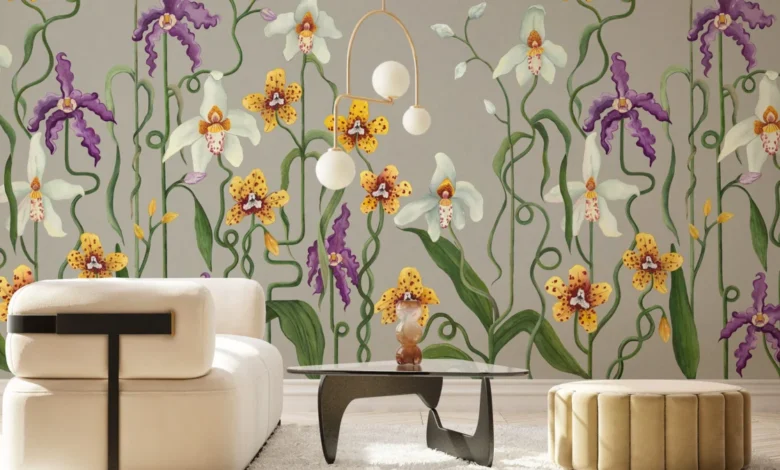
The contemporary interior design landscape is undergoing a profound transformation, driven by an increased emphasis on tactile authenticity, historical homage, and environmental storytelling. Nowhere is this evolution more visible than in the latest curated releases featured on Dezeen Showroom, a premier digital platform that connects international design brands with a vast global audience of architects, interior designers, and aesthetic enthusiasts. Over recent months, an elite spectrum of global manufacturers has utilized this platform to debut cutting-edge wall and floor coverings. These materials—ranging from volcanic-inspired surfaces and heritage-driven botanical wallpapers to technologically advanced marble slabs and handcrafted ceramic tiles—redefine how residential and commercial spaces interact with texture, color, and heritage.
The Evolution of Modern Surfaces: Main Facts and Product Highlights
The latest wave of product launches on Dezeen Showroom highlights a diverse array of materials engineered to meet the sophisticated demands of modern architecture. Leading the charge are manufacturers who have reinterpreted natural elements through innovative industrial processes.
Among the standout collections is the Omogenea surface collection by Italian brand Dimore Surfaces. Rooted in the moody, rugged texture and appearance of volcanic rock, Omogenea offers designers a matt, fine-grained aesthetic available in a versatile palette of neutral colourways. This collection reflects a broader market shift toward understated, grounding materials that absorb light rather than reflect it, creating spaces that feel secure and contemplative.

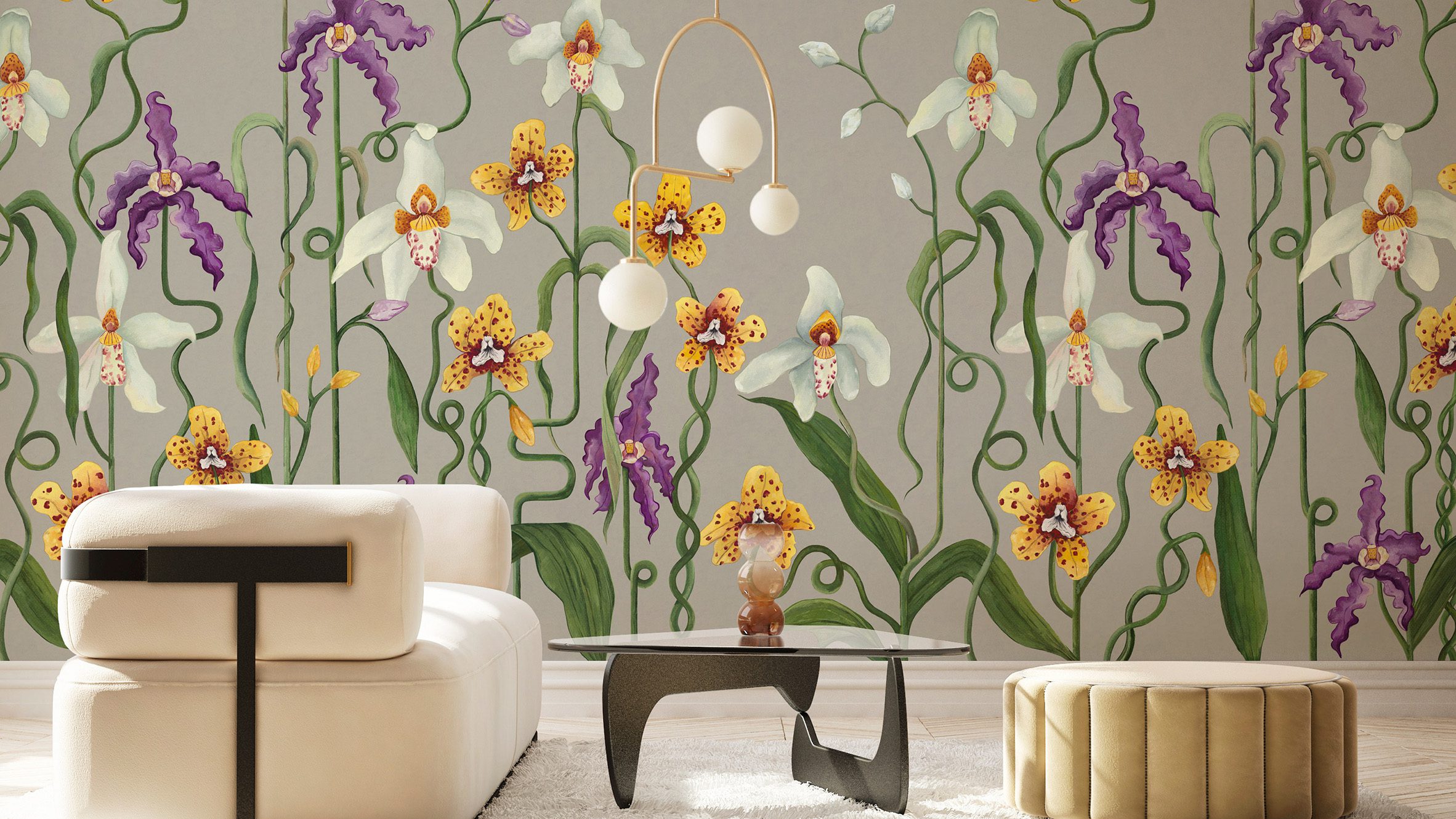
Equally striking is the entry from heritage English brand Morris & Co, which introduced "The Unfinished Works." Drawing from archival designs created by William Morris and his frequent collaborator John Henry Dearle—currently preserved at The Huntington museum in the United States—this range of fabrics and wallpapers revives legendary botanical motifs. Faithfully brought to life by the brand’s Chiswick studio, these patterns bridge 19th-century Arts and Crafts ideals with 21st-century interior needs, offering consumers a direct connection to design history.
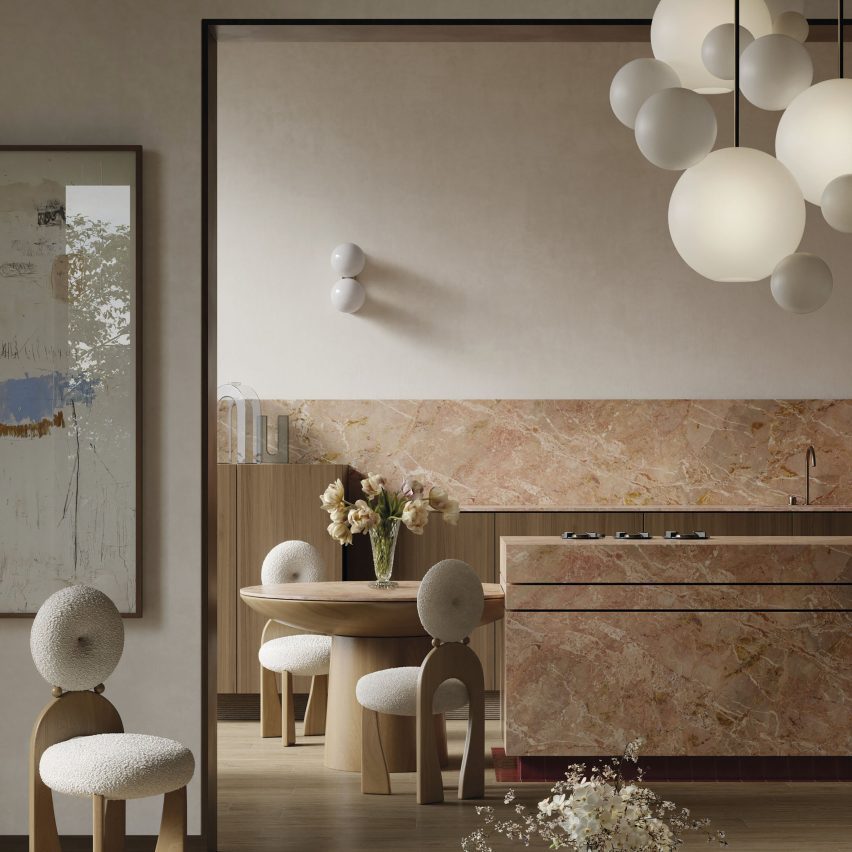
In the realm of ceramic and porcelain tile manufacturing, Italian houses continue to push the boundaries of verisimilitude. Ceramiche Keope introduced its "Grace" tile collection, which meticulously mimics French limestone quarried in Saint Antoine d’Auberoche. Selected for its cloudy aesthetic and historical significance in landmark European construction, the tile brings a timeless, sun-washed elegance to contemporary floors and walls. Similarly, Iris Ceramica Group expanded its large-format offerings with the Breccia Rosa 4D slab tile. Replicating a dusty rose-colored natural marble from near Verona, Italy, the tile features a light pink background crossed with delicate white and beige striations, combining the luxury of natural stone with the durability and versatility of advanced porcelain engineering.

Chronology of Design Innovation and Material Trends
The trajectory of these product rollouts reveals a steady cadence of material exploration across the global design sector. The timeline of these recent introductions demonstrates how manufacturers synchronize their releases with major international design calendars, typically targeting the spring and autumn cycles when architectural practices plan their upcoming projects.
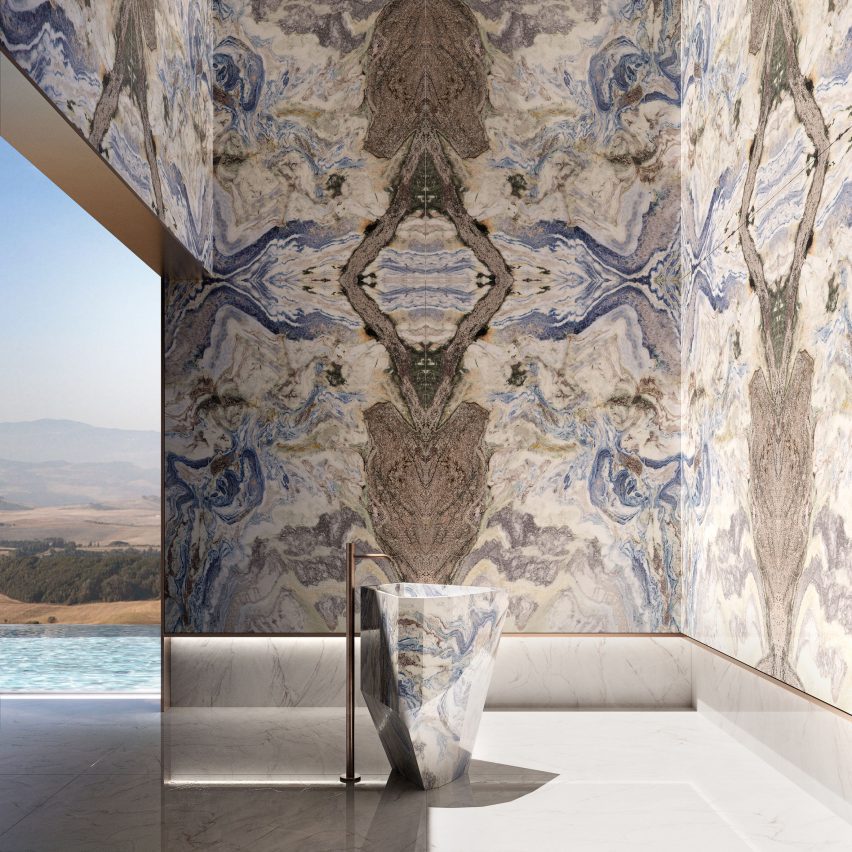
The sequence began with early-year revivals of classical aesthetics, marked by Morris & Co’s archival exploration in January, followed swiftly by Dimore Surfaces’ volcanic interpretations. As the year progressed through the spring and summer months, production techniques shifted toward high-definition replication of rare stones and refined tactile finishes. Brands such as Antolini introduced "Pangea Blue" marble, characterized by dramatic and unusual blue veining that caters to high-end residential applications like master suites and luxury bathrooms. Concurrently, tile manufacturers like Marazzi expanded their popular "Lume" collection in May to include a square format, preserving a handmade, glossy aesthetic while offering new configurations such as subtle leaf-shaped motifs in vibrant hues including emerald, ocean, and caramel.

By late summer and early autumn, the focus pivoted toward regional landscapes and holistic color systems. PoliLam launched its "Milano Impressions" surfaces in June, drawing inspiration from Italian stone and terrazzo to provide adaptable cladding for both interior walls and bespoke furniture fabrication. This was followed in September by Australian surface giant Laminex, which released its 2027 Colour Collection. Comprising ten new colors and patterns—four wood grains and six block shades ranging from dusty Red Centre to moody Smoked Bluegum—the collection demonstrates how localized geographic identities continue to shape global surface trends.
Supporting Data and Market Implications
The proliferation of these advanced wall and floor coverings is underpinned by significant shifts in consumer behavior and commercial procurement strategies. Market analyses indicate that the global interior finishes market is experiencing sustained growth, driven by a post-pandemic re-evaluation of living and working spaces. Architects and interior designers are increasingly prioritizing materials that offer sensory engagement, biophilic connections, and longevity.
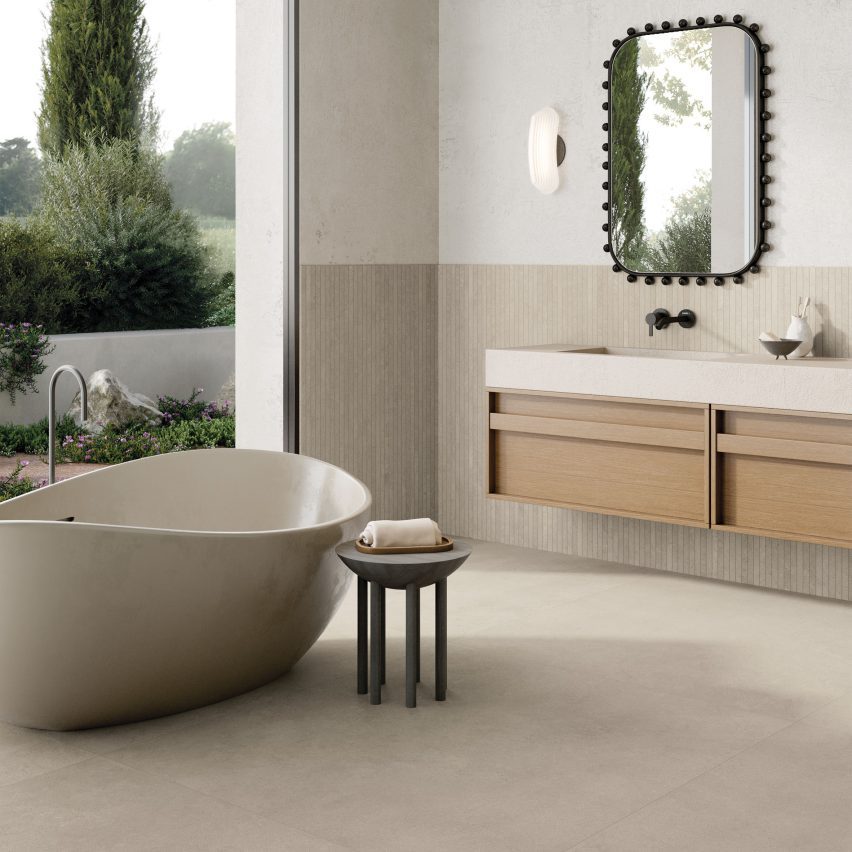
Data from design industry metrics show a rising demand for porcelain slab alternatives to natural stone, driven by considerations of weight, maintenance, and sustainability. For instance, large-format porcelain tiles like those produced by Iris Ceramica and Ceramiche Keope allow for seamless installations that reduce grout lines while mimicking rare geological formations that might otherwise be environmentally irresponsible or cost-prohibitive to quarry in large quantities.
Furthermore, the longevity of heritage designs—exemplified by the enduring commercial viability of William Morris’s botanical patterns—highlights a consumer desire for emotional durability in interior architecture. In an era dominated by fast-moving trends, products rooted in historical craftsmanship offer a counter-narrative of permanence and cultural continuity.
Industry Perspectives and Official Responses
While individual brand representatives have emphasized craftsmanship and technical prowess in their respective product briefs, broader industry discourse points to a collective movement toward hyper-realism and tactile diversity. Spokespersons for prominent Italian tile houses have frequently noted that modern consumers no longer view tiles merely as functional, water-resistant barriers, but as primary artistic canvases that set the emotional tone of a room.
Similarly, curators and platform directors associated with digital showrooms like Dezeen have observed that virtual presentation spaces have fundamentally democratized access to high-end architectural products. By allowing international manufacturers to showcase complex surface textures, microscopic veining details, and large-scale wallpaper repeats directly to specifiers worldwide, digital showrooms have accelerated the adoption cycles of innovative materials. Independent design critics have remarked that this direct-to-specifier model encourages greater risk-taking in material selection, as seen in the bold blue veining of Antolini’s Pangea Blue marble or the dramatic aquatic and carnivorous botanical motifs in Astek’s "Eterna Nouveau" wallpaper series.
Broader Impact and Future Outlook
The introduction of these varied wall and floor coverings carries significant implications for the future of both residential and commercial interior architecture. As urbanization continues and living spaces become more compact, the psychological need for nature-inspired interiors—often channeled through biophilic wall coverings, volcanic textures, and organic stone replicas—remains paramount.
The intersection of advanced manufacturing technologies with traditional artistic references suggests that the future of interior surfaces will not be defined by a choice between heritage and innovation, but rather by their synthesis. Whether through the digital reprinting of 19th-century museum archives or the high-definition digital scanning of French limestone and Italian marble, contemporary manufacturers are proving that the surfaces of tomorrow are deeply anchored in the material intelligence of the past. As these collections find their way into homes, hotels, and corporate headquarters globally, they will undoubtedly shape the aesthetic vocabulary of the built environment for years to come.