The Model Context Protocol (MCP) has emerged as a critical architectural development in the rapidly evolving ecosystem of artificial intelligence agents. As developers shift from simple chatbots to sophisticated autonomous agents capable of executing complex workflows, the challenge of connecting these models to disparate data sources and functional tools has become a primary bottleneck. MCP provides a standardized framework that aims to solve this by creating a universal interface between AI applications—such as Anthropic’s Claude Code—and the vast array of external services that power real-world tasks. By abstracting the connection layer, MCP allows developers to build AI agents that are interoperable, scalable, and significantly more capable of interacting with the professional software stack.
The Problem of Fragmentation in AI Development
Before the introduction of MCP, integrating an AI model with external tools like databases, version control systems, or web search engines was a cumbersome, bespoke process. Developers were required to build custom "glue code" for every single integration. If an engineering team wanted an AI agent to read a GitHub repository, query a private SQL database, and execute a browser-based test, they had to manage three distinct API integration patterns, handle unique authentication flows for each, and maintain that infrastructure as the underlying services evolved.
This fragmentation created a high barrier to entry for AI-driven automation. It also locked models into proprietary ecosystems, making it difficult to swap out tools or migrate agentic workflows. MCP addresses this by standardizing the "conversation" between the AI host and the service provider. Much like how USB ports standardized peripheral connectivity for computers, MCP serves as the universal port for AI agents, enabling a plug-and-play approach to tool use.
Technical Architecture and Operational Flow
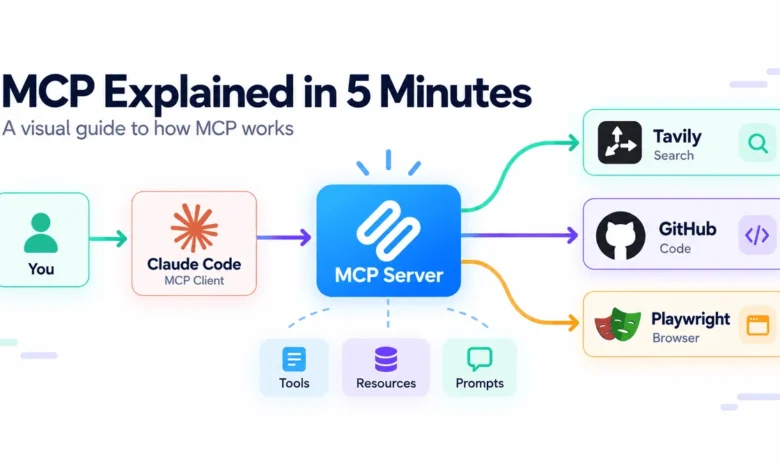
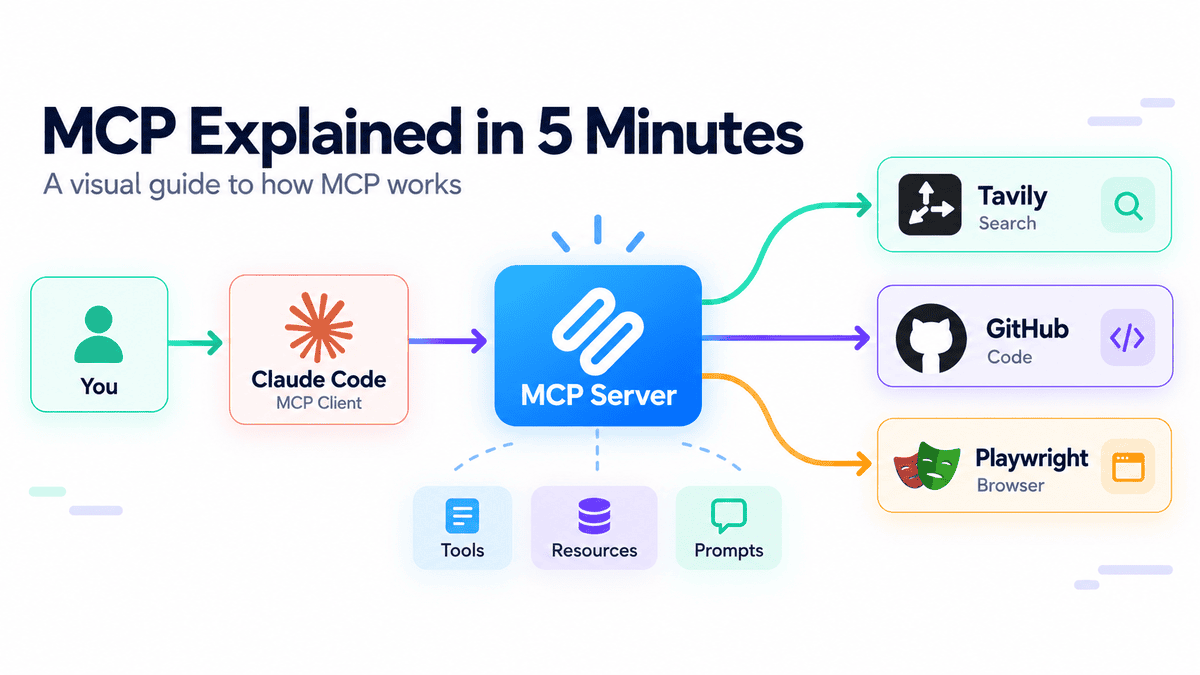
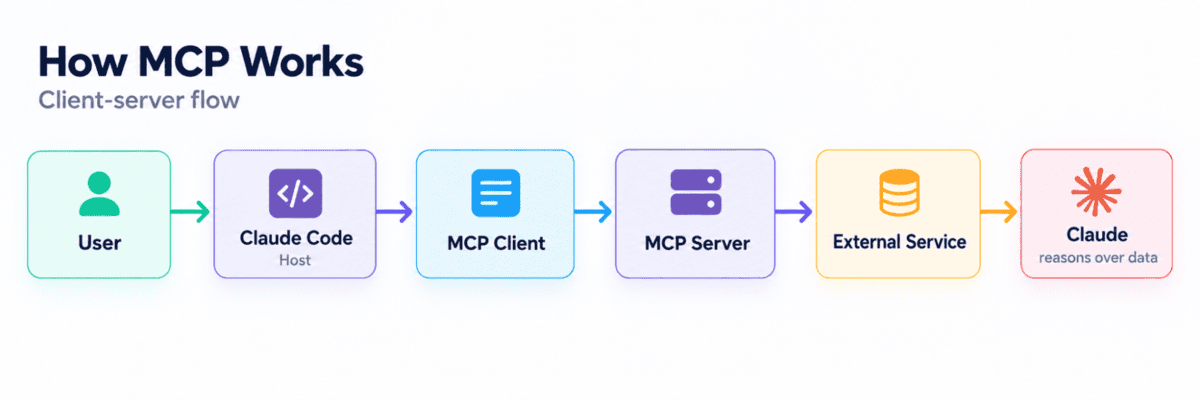
At its core, MCP operates on a client-server architecture. The "Host" is the AI application (e.g., an IDE plugin or a CLI agent), which functions as the user’s primary interface. The "Client" within the host initiates the connection to an "MCP Server." These servers are specialized services that expose specific capabilities—tools, resources, or prompts—to the model.
The power of this architecture lies in its ability to separate the reasoning capabilities of the Large Language Model (LLM) from the functional execution of the task. When a user issues a command, the LLM analyzes the request and determines which tools are necessary. It then queries the MCP server, which translates the request into the specific API calls required by the external service. Once the task is completed, the server returns the output to the model, which synthesizes the final response for the user.
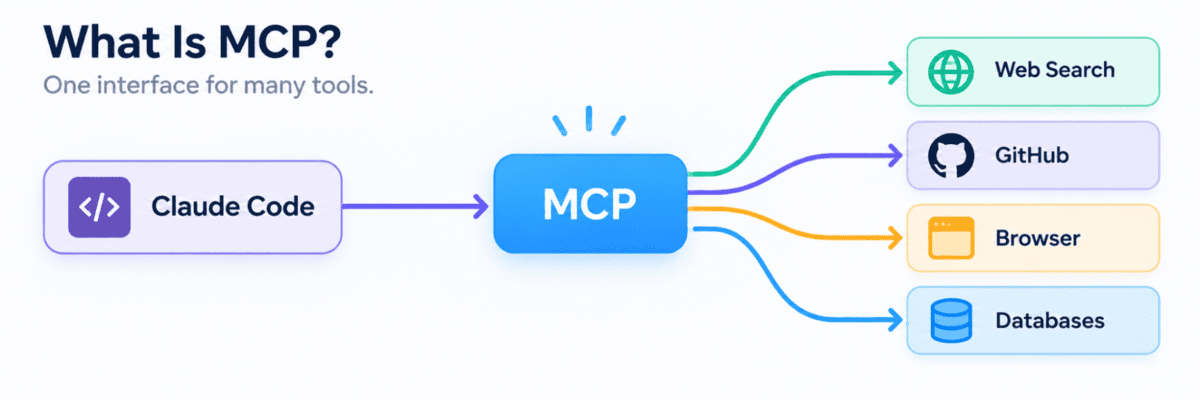
This decoupling is essential. The model does not need to understand the intricacies of how GitHub’s internal APIs function; it only needs to understand the standard MCP interface exposed by the GitHub server. This modularity allows for the rapid deployment of new tools without requiring retraining or fine-tuning of the underlying model.
Chronology of the Specification
The development of MCP represents a concerted effort by industry leaders to address the growing complexity of the agentic AI landscape. While the concept of "tool use" for LLMs has existed since the early days of GPT-4, the formalization into a standardized protocol gained momentum throughout 2024 and 2025.
The initial iterations focused on basic connectivity and local tool execution. However, the release of the July 2026 specification marked a significant pivot toward production-grade reliability. By shifting to a stateless architecture, the protocol allowed for horizontal scaling—a necessary prerequisite for enterprise-scale AI deployments. This change ensures that each request is self-contained, removing the reliance on long-lived sessions that previously hampered the performance of distributed AI systems.
Practical Implementation: From Concept to Execution
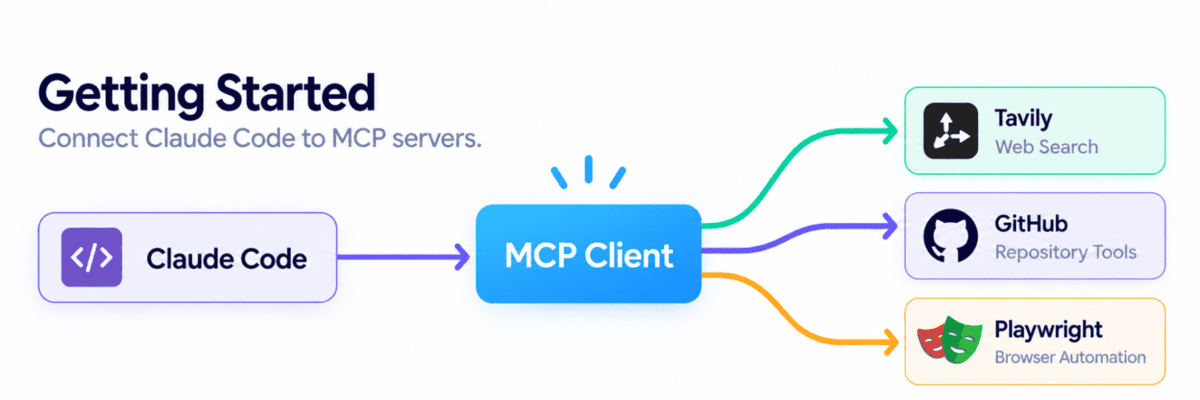
To understand the tangible impact of MCP, one must look at how it is applied in professional environments. Claude Code, a recent entry into the agentic coding space, has integrated MCP support natively, allowing users to extend the agent’s functionality via command-line configuration.
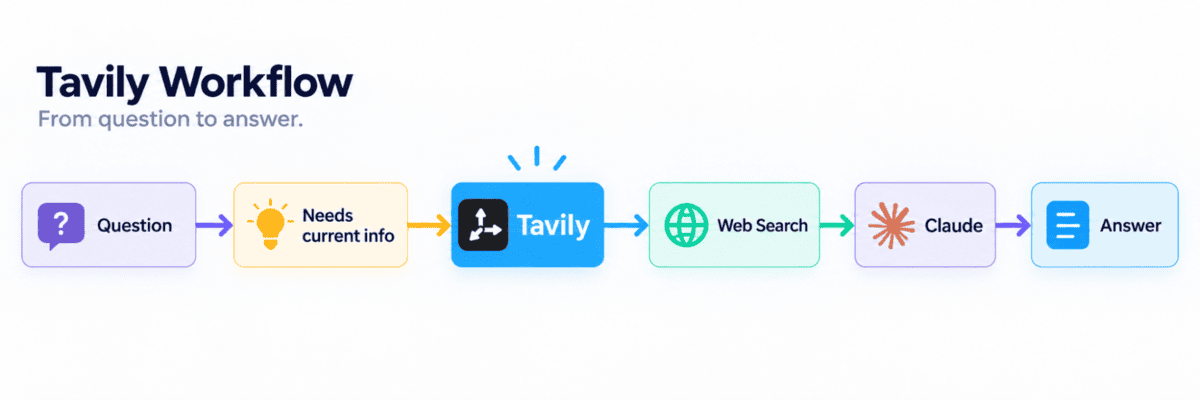
- Information Retrieval via Tavily: By connecting to the Tavily MCP server, users provide the AI with real-time web search capabilities. Unlike static datasets, this integration allows the model to summarize the latest software releases or research trends by crawling and extracting data from the live internet, effectively bridging the "knowledge cutoff" gap common in static models.
- Version Control with GitHub: The official GitHub MCP server transforms the repository into a queryable knowledge base. Through this integration, an AI agent can perform code reviews, identify missing test cases in pull requests, and audit commit histories. This creates a feedback loop where the AI acts as an active participant in the CI/CD pipeline rather than a passive observer.
- Browser Automation via Playwright: Perhaps the most transformative implementation is the use of Playwright. By providing the model with a structured, accessibility-based snapshot of a webpage, the AI can navigate through complex signup flows, fill out forms, and perform regression testing on local web applications. This enables the model to interact with any website, regardless of whether it has a public API.
Economic and Operational Implications
The adoption of MCP is poised to have a measurable impact on the economics of software development. By reducing the engineering overhead required to build "agent-ready" tools, companies can accelerate the deployment of internal AI assistants. Data suggests that developer productivity can increase by up to 30% when AI agents are effectively integrated into the existing development environment.
Furthermore, the shift toward a stateless, standardized protocol improves security posture. Because MCP servers can operate as isolated containers with granular permission scopes—such as limiting an agent to "read-only" access on a repository—organizations can implement more robust governance over what their AI agents are permitted to do. This "least privilege" approach is vital for the adoption of AI in regulated industries like finance and healthcare.
Broader Industry Impact and Future Outlook
The industry is currently witnessing a transition from "AI-as-a-chatbot" to "AI-as-an-agent." This shift is largely driven by the maturation of infrastructure layers like MCP. As more vendors adopt the protocol, the barrier to integrating proprietary enterprise systems with third-party LLMs will continue to fall.
Looking ahead, we can expect the ecosystem to expand into specialized domains. For instance, we may see standardized MCP servers for medical records (HL7/FHIR integration), legal document management, or ERP systems like SAP or Oracle. The ultimate goal is a "Universal Tool Library" where any AI agent can plug into any corporate system, provided it adheres to the MCP standard.
However, the rapid scaling of this technology is not without challenges. As agents gain the ability to interact with more external systems, the risk of "cascading failures"—where an AI makes a series of incorrect tool calls that lead to unintended side effects—increases. Future versions of the protocol will likely need to incorporate more sophisticated error-handling mechanisms and human-in-the-loop verification layers to maintain system integrity.
Conclusion: The New Standard for AI Connectivity
The Model Context Protocol is more than a technical specification; it is a fundamental shift in how we conceive of AI interaction. By replacing a chaotic web of custom integrations with a clean, standardized interface, MCP has provided the missing link required to transform AI models from simple text generators into powerful, tool-wielding agents.
As the industry moves toward more complex automation, the role of protocols like MCP will only grow in importance. For developers and organizations, the lesson is clear: investing in standardized, modular AI infrastructure is the most reliable path toward building agents that are not only capable but also scalable and secure. In the five minutes it takes to understand the flow of data from an AI host through an MCP server to an external tool, one gains insight into the future of autonomous software engineering—a future where the barrier between human intent and machine execution is thinner than ever before.