Why E-Ink Digital Art Frames Are Revolutionizing Home Decor Over Traditional Frame TVs

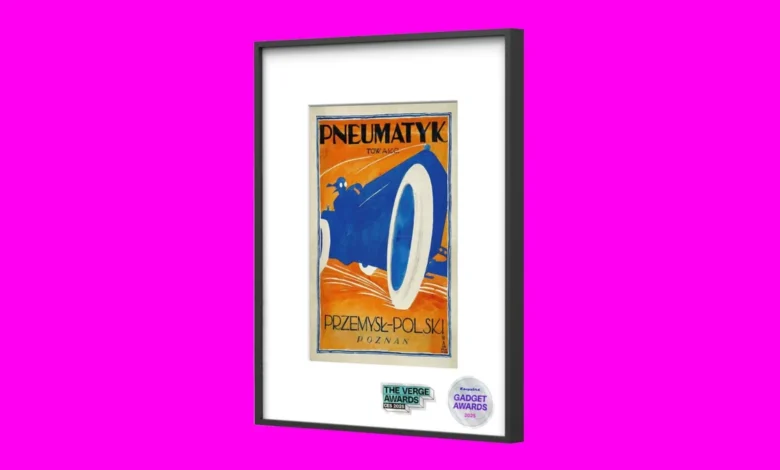
For decades, the intersection of technology and interior design has been dominated by the black rectangle of the television. While manufacturers like Samsung have attempted to soften this aesthetic impact with the "Frame TV" concept—which allows displays to mimic gallery art when not in use—the inherent limitations of LED and OLED panels remain. They emit light, they require constant power, and they are tethered to the physical constraints of wall-mounted hardware. However, a quiet revolution is taking place in the world of smart home technology: the rise of the e-ink digital art frame.
As consumers increasingly seek to personalize their living spaces without sacrificing the tranquility of a non-digital environment, companies like the Swiss-based InkPoster are finding a niche that bridges the gap between high-end canvas prints and modern smart displays. Unlike the reflective, light-emitting surfaces of traditional televisions, e-ink frames utilize electrophoretic display technology, offering a matte, paper-like finish that effectively eliminates glare and the artificial "glow" associated with conventional screens.
The Technological Evolution of Digital Display
To understand the significance of this shift, one must consider the evolution of display technology over the last fifteen years. E-ink, or electronic ink, was popularized primarily by e-readers like the Amazon Kindle. The technology relies on millions of tiny microcapsules containing positively charged white particles and negatively charged black particles suspended in a clear fluid. When an electric field is applied, these particles shift to the surface, creating the image.
The primary advantage of this technology is bistability. Once an image is rendered on an e-ink screen, the display requires zero power to maintain that image. Power is only consumed when the display updates—a stark contrast to a television, which must maintain a constant electrical current to keep its pixels illuminated. This fundamental difference is what allows devices like the InkPoster Affresco and Tela to operate on battery power for extended periods, removing the need for unsightly cables or complex wall-channeling installations.
Market Positioning and Competitive Landscape
The "Frame TV" market, while successful, has historically been a premium category. These units are often large, heavy, and expensive, requiring dedicated wall mounting and proximity to a power source. Furthermore, their presence in a room is inherently tied to the sofa-centric layout of most living rooms.
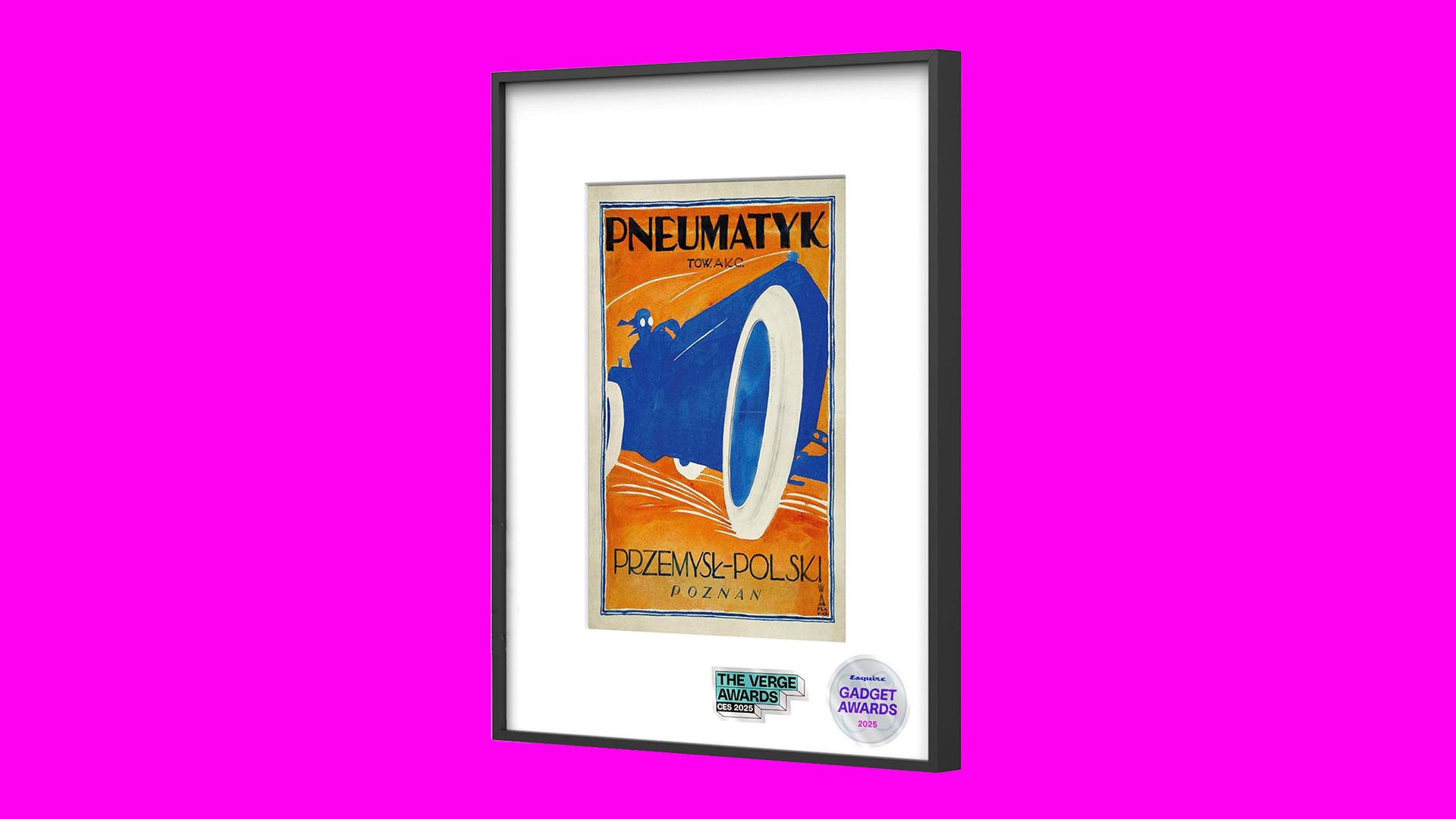
In contrast, e-ink frames are positioning themselves as lifestyle accessories rather than media appliances. With prices starting at approximately $499 for entry-level models, they occupy a middle ground between high-end traditional artwork and expensive smart TVs. The ability to hang these devices anywhere—above a mantle, in a hallway, or in a study—without the visual clutter of a cord, provides a level of design flexibility that standard televisions cannot offer.
A Chronology of Integration
The integration of digital art into the home has evolved in distinct phases:
- Early 2010s: Digital photo frames emerged, but were characterized by low-resolution screens, poor color reproduction, and cheap plastic frames that looked distinctly "tech-heavy."
- Late 2010s: The "Frame TV" category gained traction, introducing thin bezels and art-store software, yet retaining the limitations of backlit LED technology.
- 2023-2024: The emergence of high-resolution, large-format e-ink displays. Companies like InkPoster have refined the chassis to include premium materials, such as wood veneers and Italian design accents, making the hardware look and feel like a traditional picture frame.
Technical Performance and User Experience
The user experience with modern e-ink frames is designed to be tactile and slow-paced. Unlike the rapid refresh rates of a computer monitor, an e-ink frame takes several seconds to cycle through its pigment microcapsules when changing an image. While some tech enthusiasts might initially view this as a drawback, many design-conscious consumers describe the transition as "analog" and "satisfying." It mimics the experience of a physical gallery rotation rather than a digital slideshow.
The software ecosystem supporting these devices is equally critical. Users typically interact with these frames via mobile applications, where they can browse curated collections of classical or contemporary art, or upload personal photography. The ability to crop and reformat images within the app ensures that the digital artwork maintains the appropriate aspect ratio and aesthetic quality required for a display that lacks the pixel-dense vibrance of an OLED screen.
Materiality: Beyond the Screen
One of the most notable design decisions made by manufacturers in this space is the prioritization of "frame-first" construction. For instance, the InkPoster Tela model features a chassis that mimics the depth and heft of a physical canvas. When combined with matte surface treatments, the resulting image does not look like a screen at all, but rather like a high-quality print.
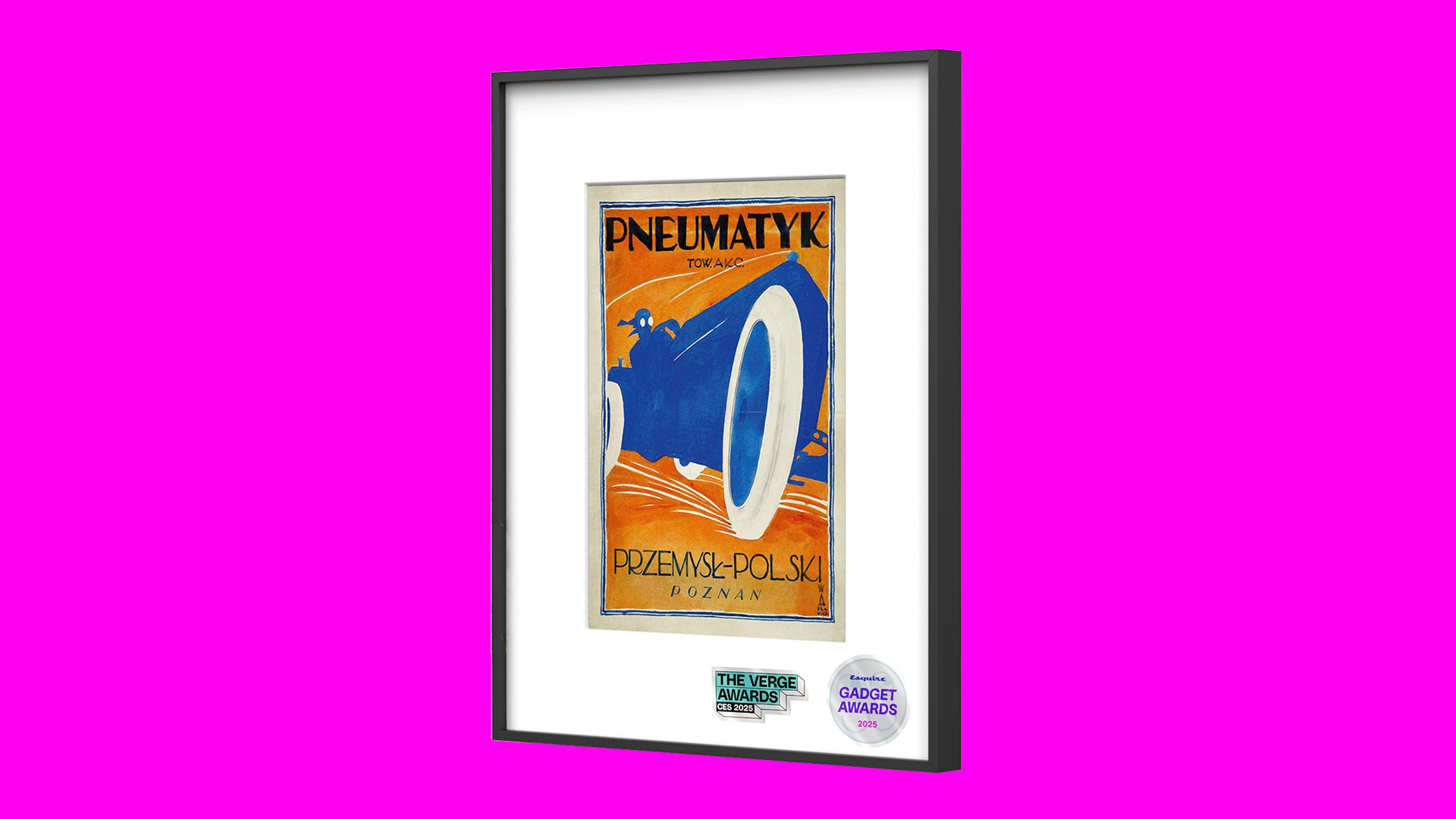
Some premium iterations, such as those featuring Alcantara passepartouts (the matting surrounding the image) designed by prestigious studios like Pininfarina, elevate the device from a mere gadget to a piece of furniture. This focus on materiality addresses a common critique of consumer electronics: that they are disposable, utilitarian objects that clash with the interior design of a curated home.
Implications for Home Automation and Design
The broader impact of this trend is the "de-teching" of the smart home. As artificial intelligence and automation become more prevalent, there is a counter-movement among homeowners to hide the technology that runs their lives. E-ink frames represent the logical conclusion of this movement: technology that functions silently, consumes minimal power, and enhances the visual atmosphere of a room rather than dominating it.
From an environmental standpoint, the energy savings of e-ink technology are significant. While the total carbon footprint of a digital frame includes its manufacturing, its daily operational energy consumption is negligible compared to a 55-inch or 65-inch television. For homeowners looking to reduce their "vampire" power load—the electricity consumed by devices in standby mode—an e-ink frame is a more sustainable alternative.
Challenges and Future Considerations
Despite the advantages, the technology is not without limitations. E-ink displays, even the latest iterations, struggle with deep blacks and high-contrast color saturation compared to their OLED counterparts. They are best suited for art that relies on textures, sketching, or muted color palettes. High-motion video is currently impossible on these devices, effectively removing them from the category of "entertainment" devices and placing them firmly in the "decor" category.
Furthermore, as the market matures, the competition is likely to heat up. We expect to see more integration with smart home ecosystems (like Matter or HomeKit), improved color depth, and perhaps larger form factors. However, the success of the current crop of devices proves that there is a significant, untapped demographic of consumers who are tired of being "plugged in" and are instead looking for technology that mimics the timeless appeal of the physical world.
In summary, the transition from illuminated, power-hungry screens to the subtle, paper-like quality of e-ink represents a shift in consumer priorities. It is a move away from the hyper-connected, high-stimulation environment of the television toward a more meditative, design-led digital experience. As these frames continue to drop in price and improve in resolution, they are poised to become a staple of modern interior design, effectively replacing the traditional printed poster with a dynamic, infinite canvas that adapts to the mood and style of the room.