When Motion and Design Miss the Mark: The Hidden Accessibility Barriers in Corporate Presentations

Modern corporate communication increasingly relies on dynamic visual aids, from animated slide decks to interactive software demonstrations, intended to engage audiences and simplify complex data. However, recent workplace observations and accessibility research highlight a significant unintended consequence: excessive motion and poorly managed visual attributes can severely impede comprehension, particularly for individuals with neurodivergent conditions such as attention deficit/hyperactivity disorder (ADHD). What presenters often intend as an engaging introduction to a suite of analytical tools can quickly transform into an insurmountable cognitive barrier, dividing an audience rather than uniting them under a shared understanding.
The discussion surrounding presentation accessibility has traditionally focused on color choices, such as accommodating red-green color blindness. Yet, motion sensitivity represents an equally critical, though frequently overlooked, dimension of inclusive design. Industry analysts and cognitive researchers note that while visual storytelling tools have evolved rapidly over the past decade, training for corporate communicators has lagged behind, often failing to account for neurological diversity in the workplace. As organizations place a higher premium on data literacy and cross-functional presentations, the mechanics of how information is delivered are coming under renewed scrutiny from employees, accessibility advocates, and human resources professionals alike.
A Case Study in Corporate Communication and Distraction
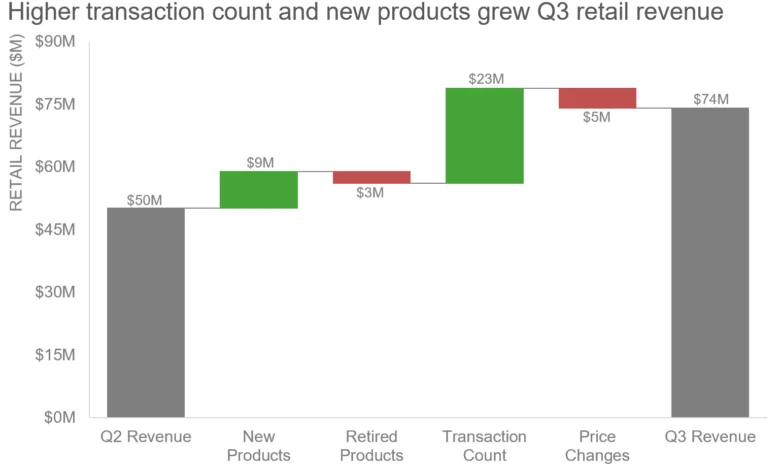
The friction between visual design and cognitive processing was recently underscored during a company-wide meeting at a mid-sized technology firm. A senior corporate leader took the stage to introduce a new suite of software products and analytical features designed to streamline internal operations. To demonstrate the software’s capabilities, the presenter utilized a high-energy slide deck featuring complex animations designed to introduce various chart formats—ranging from traditional bar graphs to intricate waterfall charts.
As each chart dynamically flew across the projection screen, audience members reacted in vastly different ways. For neurotypical attendees, the motion may have served as a kinetic roadmap of the software’s capabilities. However, for employees with specific neurodivergent profiles, the effect was entirely disabling. One attendee, who manages inattentive-type ADHD, reported experiencing an immediate and total breakdown in information intake. Compelled by a neurological wiring that heightened sensitivity to peripheral motion, the employee found their attention entirely captured by the moving graphics, rendering the accompanying spoken analysis and the underlying data points completely imperceptible.
The incident highlights a fundamental disconnect in standard presentation methodologies: the failure to anticipate how biological and neurological differences intersect with corporate design choices. According to workplace psychologists, individuals with ADHD often struggle with selective attention and inhibitory control, making it difficult to filter out non-essential visual stimuli, particularly sudden or rapid movement. When presenters rely on motion as a primary engagement tool without balancing it with static, structured information, they inadvertently alienate a measurable segment of their audience.
The Chronology of Inclusive Presentation Standards
To understand how workplace presentations reached this juncture, it is helpful to examine the evolution of visual communication standards over the past twenty years.
Early 2000s: The Dawn of Digital Slide Decks
The widespread adoption of software applications like Microsoft PowerPoint and Apple Keynote democratized slide design, moving corporate presentations away from static overhead transparencies. Early digital tools introduced basic transition effects, which were initially used sparingly due to technical limitations and software processing speeds.
Late 2000s to Early 2010s: The Rise of Kinetic Typography and Animation
As processing power increased, software developers incorporated advanced animation libraries into presentation platforms. During this era, dynamic slide transitions and animated bullet points became standard practice across corporate America. Presentation trainers frequently encouraged dynamic movement to combat "death by PowerPoint," a phrase coined to describe monotonous, text-heavy slide presentations. However, these recommendations rarely incorporated accessibility guidelines for neurodivergent viewers.
Mid-2010s: The Accessibility Shift Toward Color and Contrast
The corporate world began adopting broader digital accessibility standards, largely influenced by the Web Content Accessibility Guidelines (WCAG). Organizations updated their brand guidelines to ensure sufficient contrast ratios for text and background colors, and began considering color blindness in data visualization. Despite these strides, motion design remained largely unregulated outside of specialized web development and video production fields.
2020 to Present: The Integration of Neurodiversity in Workplace Design
In the wake of hybrid work models and heightened awareness of neurodiversity, communication experts began revisiting foundational presentation practices. Organizations started recognizing that accessibility extends beyond physical disabilities and visual impairments to include cognitive processing differences. Contemporary workplace training increasingly emphasizes multimodal communication, balancing kinetic, auditory, and static visual information to accommodate diverse cognitive styles.
Supporting Data and Cognitive Research
Empirical data regarding neurodivergence in the adult workforce underscores the urgency of reforming standard presentation practices. According to epidemiological studies published by the Attention Deficit Disorder Association and various public health institutions, approximately 2.5% to 4.4% of the global adult population lives with ADHD. Within corporate environments, this percentage is often higher due to self-selection in dynamic industries like technology, finance, and marketing.
Furthermore, academic research in cognitive psychology demonstrates the limits of human working memory when subjected to extraneous visual stimuli. Cognitive Load Theory, originally formulated by John Sweller in the late 1980s, posits that working memory capacity is strictly limited. When a presentation introduces unnecessary cognitive load—such as distracting animations or poorly structured visual transitions—the brain exhausts its available processing power simply managing the stimuli, leaving little capacity for schema acquisition and long-term learning.
A study conducted by the Journal of Applied Research in Memory and Cognition found that dynamic visual clutter reduces comprehension rates by up to 35% among neurodivergent adults compared to neurotypical peers. When these findings are applied to corporate settings, the financial and operational implications become clear: inefficient communication leads to misaligned teams, reduced software adoption rates, and diminished productivity following company-wide briefings.
Corporate Responses and Industry Best Practices
In response to growing feedback from employees and accessibility advocates, forward-thinking organizations are overhauling their internal communication guidelines. Human resources departments and corporate communications teams are partnering with diversity, equity, and inclusion (DEI) specialists to draft comprehensive presentation standards that address neurodiversity.
Standardized Presentation Training Modules
Several major technology and consulting firms have introduced mandatory training modules for executives and team leads regarding accessible communication. These programs emphasize the "less is more" philosophy, advising presenters to minimize animations, avoid flashing or rapid movements, and rely instead on clean typography and structured layouts.
Pre-Meeting Distribution of Materials
To accommodate diverse processing speeds and attention spans, companies are increasingly adopting a policy of distributing slide decks and detailed technical briefs prior to major all-hands meetings. This practice allows employees to review the material at their own pace, mitigating the disadvantage of real-time cognitive overload during live presentations.
Customizable Viewing Options
In hybrid and remote meeting environments, organizations are leveraging platform features that allow participants to control their own viewing experiences. For instance, some virtual meeting software now includes options to disable animations or view static summaries of shared documents, empowering neurodivergent employees to tailor the meeting environment to their specific neurological needs.
Broader Implications for Corporate Culture and Productivity
The intersection of motion design, cognitive accessibility, and corporate communication carries profound implications for modern organizational culture. As businesses strive to foster inclusive environments where every employee can contribute effectively, accessibility can no longer be viewed as a compliance checkbox
reserved for physical infrastructure or website design. It must permeate every layer of daily operations, including how data is visualized and presented.
When leaders fail to account for cognitive diversity, the cost extends far beyond an individual missed detail during a single meeting. It creates a subtle systemic barrier that can hinder career advancement, diminish engagement, and perpetuate feelings of isolation among neurodivergent professionals. Conversely, when organizations proactively design communications that respect diverse ways of processing information, they unlock hidden potential across their workforce.
Experts emphasize that designing for accessibility does not dilute the quality of a presentation for neurotypical audiences; rather, it enhances clarity for everyone. Clear data visualizations, purposeful use of color, and the strategic minimization of motion produce communications that are more precise, professional, and impactful. As the corporate world continues to embrace neurodiversity as a core component of workforce diversity, the evolution of presentation standards will play a pivotal role in ensuring that all employees are equipped to understand, engage, and succeed.