Anycubic Black Friday sale drops Kobra X 3D printer to record low price of 299 dollars

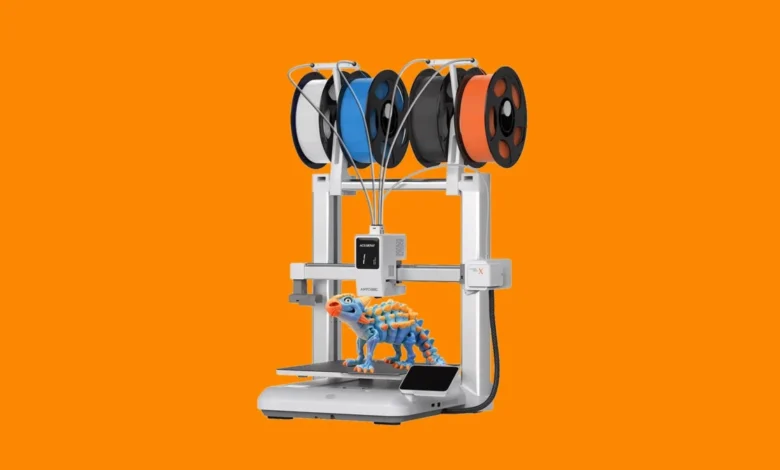
The global 3D printing market is currently undergoing a significant transition as consumer-grade hardware shifts from experimental, enthusiast-only tools toward accessible, feature-rich appliances. As part of this industry-wide evolution, Anycubic has officially launched its Black Friday promotional campaign, headlined by a substantial $100 price reduction on the Kobra X FDM (Fused Deposition Modeling) printer. This discount, which brings the unit from its standard retail price of $399 down to $299, marks the lowest price point ever recorded for the model, signaling an aggressive push by the manufacturer to capture market share during the busiest retail window of the year.
The Evolution of Desktop Additive Manufacturing
To understand the significance of this price point, it is necessary to contextualize the current state of the additive manufacturing industry. A decade ago, desktop 3D printers were largely kits that required extensive assembly, frequent manual calibration, and significant technical troubleshooting. Today, the Kobra X represents a new standard of "plug-and-play" accessibility. By integrating automated features—such as intelligent auto-leveling systems, cloud-based application control, and AI-assisted print monitoring—manufacturers like Anycubic are lowering the barrier to entry for educators, small business owners, and creative hobbyists.
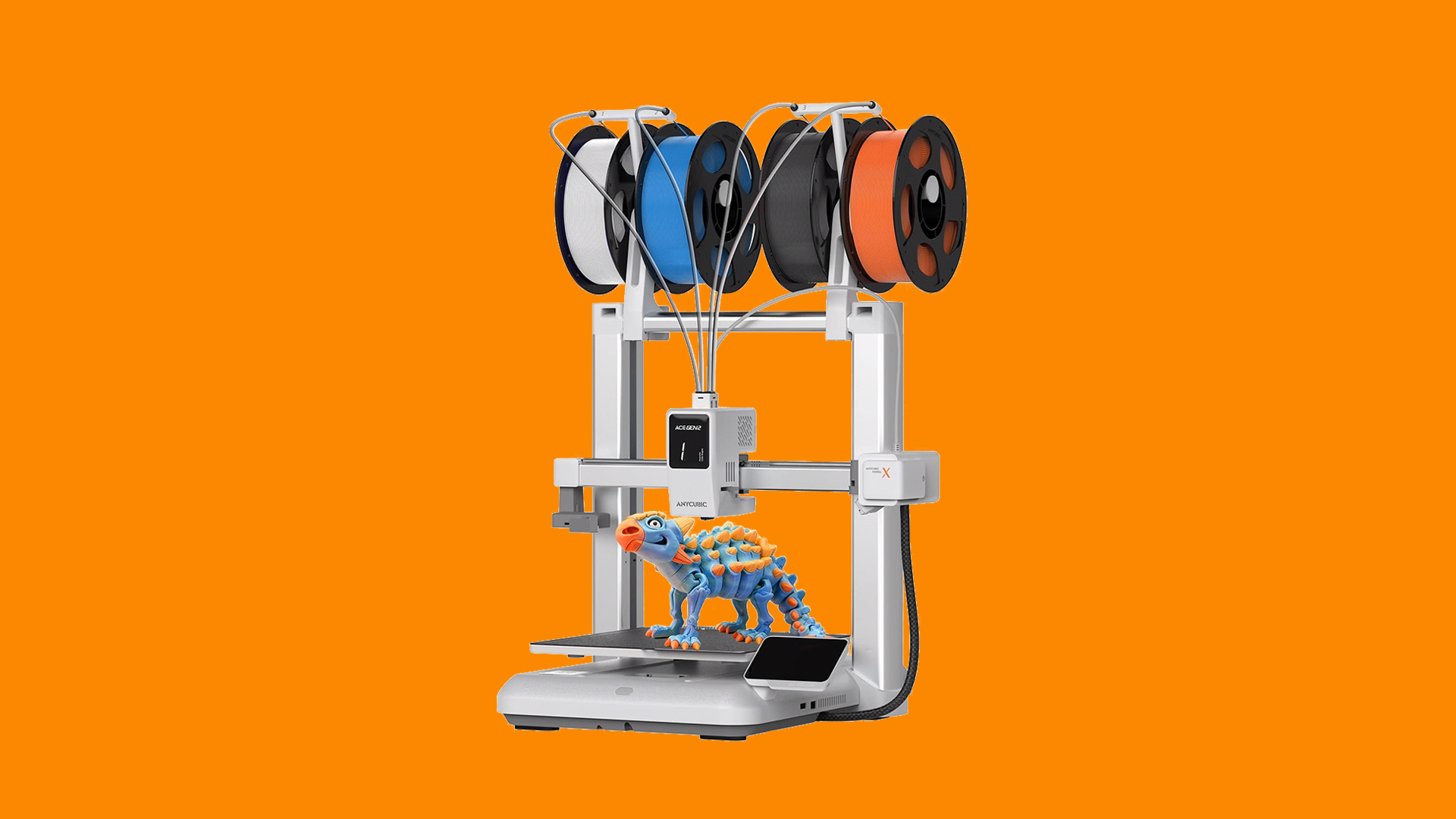
The Kobra X stands out in the current landscape due to its native multi-color printing capabilities. While most entry-level printers are limited to a single filament color, the Kobra X allows for multi-material and multi-color output, a feature previously reserved for high-end industrial machines or expensive multi-extruder upgrades. This shift is critical for users engaged in rapid prototyping, cosplay, and the production of complex, decorative assets, as it reduces the need for post-processing labor such as manual painting or assembly of multi-part prints.
Market Context and Strategic Timing
The timing of this sale aligns with broader macroeconomic trends in the consumer electronics sector. Historically, November has become the primary period for 3D printer manufacturers to clear inventory and introduce new users to their respective ecosystems. The competition is particularly fierce this year; with major players like Bambu Lab also launching aggressive seasonal promotions, consumers are finding themselves in a buyer’s market.
Market analysts suggest that these price cuts are not merely seasonal tactics but represent a strategic effort to cultivate long-term customer loyalty. Once a user invests in a specific brand’s hardware and software ecosystem, they are more likely to purchase proprietary filaments, replacement parts, and accessories from the same manufacturer. Consequently, a $100 discount on the hardware acts as a "loss leader" or an entry-point strategy, designed to secure the user’s commitment to the Anycubic brand for the duration of their hobbyist or professional journey.
Comparative Analysis: FDM versus Resin
For prospective buyers navigating the current Black Friday deals, understanding the divergence between FDM and resin printing is paramount. The Anycubic Kobra X utilizes FDM technology, which extrudes melted thermoplastic filament layer by layer. This process is generally favored for its ease of use, lower maintenance requirements, and the durability of the final parts.
In contrast, resin-based SLA (Stereolithography) printers offer superior detail and surface finish, making them the industry standard for jewelry design and high-fidelity miniature gaming figures. However, resin printing involves the handling of toxic chemicals, the necessity for a well-ventilated workspace, and a more labor-intensive post-processing workflow involving isopropyl alcohol baths and UV curing. For the average consumer, the Kobra X represents a more practical, "set-it-and-forget-it" solution, whereas resin remains a specialized tool for those with specific aesthetic requirements.
Technical Capabilities and Long-Term Value
The Kobra X distinguishes itself by bridging the gap between beginner-friendly operation and professional-grade volume. The machine’s build volume is significantly larger than typical budget printers, allowing for the creation of larger, single-piece components. This is a critical factor for users who might otherwise need to segment larger models into multiple parts, a process that inherently introduces structural weaknesses and increased assembly time.
Furthermore, the machine’s capacity for expansion—specifically its ability to handle up to 19 different color or material combinations—means that the device is designed to grow with the user. A novice can begin by printing basic single-color models, but as their technical proficiency increases, they can leverage the printer’s advanced capabilities without needing to upgrade to a more expensive machine within the first 12 to 18 months of ownership. This longevity is a key metric in evaluating the "value-per-dollar" ratio of the Kobra X, as it effectively delays the need for a secondary capital expenditure on a more capable machine.
Industry Implications and Future Trends
The move toward AI-integrated monitoring in consumer hardware is arguably the most significant trend of 2024. The Kobra X utilizes sensors that can detect common failure points, such as "spaghetti" prints caused by adhesion loss, and alert the user via a mobile app. This feature fundamentally changes the user experience by reducing the anxiety associated with long-duration prints. Previously, a user would have to manually supervise a print to ensure it didn’t fail; now, the hardware takes responsibility for monitoring its own progress.
Industry experts note that as these AI features become standard, the "success rate" of 3D printing is rising across the board. This, in turn, is driving increased adoption in non-traditional demographics, such as schools and small-scale manufacturing startups. The current Black Friday promotion by Anycubic is a microcosm of this growth, reflecting a market that is no longer content with selling hardware to hobbyists, but is instead selling a reliable, automated service to a broader creative public.
Guidance for Prospective Buyers
When considering a purchase during this promotional window, potential buyers are encouraged to evaluate their specific needs against the available hardware. For those who prioritize rapid prototyping, larger decorative items, and ease of maintenance, the Kobra X is a compelling candidate. However, it is always recommended to review updated buyer guides and independent testing data to ensure that the machine’s specific features align with the intended applications—whether that be for engineering, art, or education.
As the retail season progresses, consumers should remain aware of potential stock fluctuations. High-demand items like the Kobra X, when offered at historically low prices, often experience inventory shortages. It is advisable for interested parties to verify shipping timelines and support coverage, as international shipping policies can vary significantly depending on the region.
Ultimately, the reduction in price for the Kobra X serves as a tangible indicator of the democratization of additive manufacturing. What was once a high-cost, high-effort pursuit is rapidly becoming a standard tool in the creative toolkit, and for those who have been observing the sector from the sidelines, this holiday season presents a logical and financially prudent time to engage with the technology. Whether the goal is to prototype a new product or simply explore the possibilities of additive design, the combination of accessible hardware and competitive pricing is set to catalyze a new wave of participation in the 3D printing community.