
Tag Louisa May Alcott

Louisa May Alcott: A Literary Legacy of Independence and Early American Life
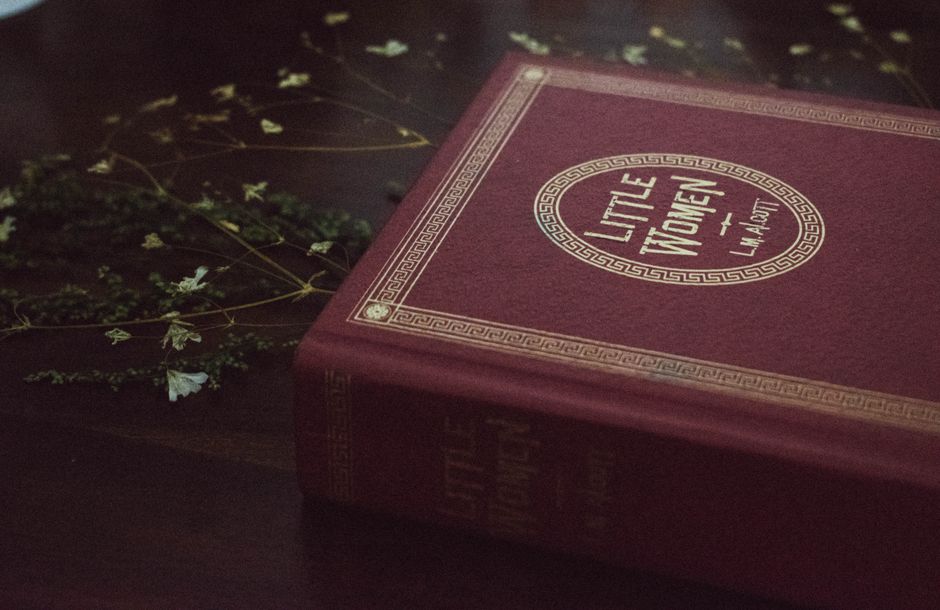
Louisa May Alcott, a pivotal figure in 19th-century American literature, is indelibly linked with the enduring classic Little Women. Beyond this singular masterpiece, her prolific career spanned novels, short stories, and essays that offered nuanced portrayals of American life, particularly the domestic sphere and the burgeoning aspirations of women. Born in Germantown, Pennsylvania, on November 29, 1832, Alcott’s upbringing was steeped in intellectualism and progressive ideals, profoundly shaping her literary output. Her father, Bronson Alcott, was a Transcendentalist philosopher and educator, while her mother, Abigail May Alcott, was a social reformer and nurse. This environment fostered a deep commitment to education, social justice, and individual liberty, themes that would resonate throughout Alcott’s writing. Her childhood was marked by financial instability, a recurring motif that would also find expression in her fiction, as she witnessed firsthand the struggles of maintaining a household and supporting artistic pursuits. Alcott’s early education was unconventional, often guided by her father’s philosophical discussions and supplemented by lessons from prominent Transcendentalists like Ralph Waldo Emerson and Henry David Thoreau. These formative influences instilled in her a strong sense of self-reliance and a critical perspective on societal norms, particularly those that constrained women’s roles. Her literary journey began with poetry and short stories published in magazines, gradually evolving into novels that captured the imaginations of readers. The publication of Little Women in 1868 catapulted her to fame, a success she initially viewed with a degree of detachment, more focused on financial security for her family than on literary adulation.
The enduring appeal of Little Women stems from its authentic depiction of sisterhood, domesticity, and the transition from girlhood to womanhood. The March sisters – Meg, Jo, Beth, and Amy – embody distinct personalities and aspirations, reflecting the diverse experiences of young women in the mid-19th century. Meg, the eldest, navigates the complexities of social standing and marriage; Jo, the spirited tomboy, yearns for independence and a literary career; Beth, the gentle and kind-hearted, finds fulfillment in quiet domesticity and music; and Amy, the youngest, grapples with vanity and the desire for artistic and social recognition. Alcott’s ability to imbue these characters with relatable flaws and virtues created a powerful emotional connection with readers, many of whom saw their own lives and dreams mirrored in the March family’s experiences. The novel’s emphasis on moral development, familial love, and the importance of individual passions resonated deeply in a society undergoing significant social and economic change. The backdrop of the Civil War subtly informs the narrative, highlighting themes of sacrifice, loss, and the resilience of the human spirit. Little Women was not merely a story; it was a cultural phenomenon that provided a blueprint for aspiring young women, encouraging them to pursue their ambitions while cherishing the bonds of family. Its serialized publication and subsequent book release garnered immense popularity, solidifying Alcott’s position as a beloved author.
Alcott’s literary output extended far beyond Little Women, encompassing a diverse range of genres and themes that showcase her versatility and keen social observation. Her novels often explored the lives of young women seeking independence, intellectual fulfillment, and meaningful relationships. Little Men (1871), the sequel to Little Women, shifts focus to the boys at Plumfield, Jo March’s school for boys, further exploring themes of education and character development. Jo’s Boys (1886) continues the narrative, depicting the adult lives of the children introduced in Little Men. Other significant works include An Old-Fashioned Girl (1869), which contrasts the simplicity of country life with the temptations of city society, and Eight Cousins (1875) and its sequel Rose in Bloom (1876), which delve into the challenges of growing up and finding one’s place in the world, with a focus on the experiences of a young woman named Rose Campbell. Alcott also penned Gothic romances and sensational stories, often published under the pseudonym A.M. Barnard. These works, such as "The Abbot’s Ghost" and "Behind a Mask," reveal a darker, more complex side to her writing, exploring themes of deception, psychological manipulation, and the constraints placed upon women in patriarchal societies. This duality in her work highlights her understanding of a broad spectrum of human experience and her ability to cater to different reader expectations. Her short stories, frequently published in periodicals, provided a fertile ground for exploring everyday life, social issues, and the intricacies of human relationships. These shorter pieces often offered sharp wit and incisive social commentary, demonstrating her talent for crafting concise yet impactful narratives.
The Transcendentalist philosophy that permeated Alcott’s upbringing profoundly influenced her writing, imbuing her narratives with themes of self-reliance, individualism, and the inherent goodness of humanity. Her father’s emphasis on intuition, nature, and the spiritual realm found echoes in her portrayal of characters who sought spiritual growth and moral integrity. The concept of self-reliance, championed by Ralph Waldo Emerson, was particularly central to Alcott’s depiction of her heroines, especially Jo March, who fiercely guards her independence and pursues her intellectual and creative ambitions against societal pressures. Alcott believed in the power of nature as a source of solace and inspiration, often featuring natural settings in her novels as places of refuge and reflection. The idea that individuals possess an inner divinity and the capacity for moral self-improvement is a recurring theme, encouraging characters and readers alike to strive for personal betterment and to trust their own judgment. This philosophical underpinning provided a moral compass for her stories, guiding her characters through challenges and towards a deeper understanding of themselves and the world. The influence of Transcendentalism also manifested in Alcott’s critique of conformity and materialism, advocating instead for a life of simple virtues, intellectual pursuits, and genuine human connection.
Alcott’s life was marked by a deep commitment to social reform and advocacy, principles that were woven into the fabric of her literary works. She was a staunch abolitionist and actively participated in the anti-slavery movement, contributing financially and through her writing. During the Civil War, she served as a nurse at a Union hospital in Washington D.C., an experience that profoundly impacted her and served as the basis for her semi-autobiographical work Hospital Sketches (1863). This vivid and honest account of her experiences offered readers a glimpse into the realities of war and the dedication of those who cared for the wounded, earning widespread acclaim and contributing to her early literary recognition. Alcott was also a vocal advocate for women’s rights, championing suffrage and equal opportunities for women in education and employment. Her portrayal of Jo March’s determination to forge a career as a writer, even when it challenged traditional gender roles, served as an inspiration to generations of women. She believed in the intellectual capabilities of women and advocated for their right to pursue careers and contribute to society beyond the domestic sphere. Her involvement in the women’s suffrage movement, though sometimes overshadowed by her literary fame, underscores her commitment to social progress and her belief in the fundamental equality of all individuals.
The influence of Louisa May Alcott on subsequent generations of writers and readers is undeniable. Little Women, in particular, has been adapted numerous times for film, television, and stage, ensuring its continued relevance and accessibility. The character of Jo March has become an archetype for independent, aspiring women, inspiring countless individuals to pursue their dreams. Alcott’s authentic portrayal of family dynamics, her exploration of universal themes of love, loss, and growth, and her commitment to social justice have cemented her legacy as a literary icon. Her works offer a valuable window into 19th-century American life, capturing the social, economic, and cultural landscapes of the era with remarkable clarity and emotional depth. She broke new ground by focusing on the interior lives of women and girls, validating their experiences and aspirations at a time when they were often marginalized. The enduring popularity of her writing speaks to the timeless quality of her storytelling and the universal truths she conveyed. Alcott’s legacy is not solely confined to her literary achievements; it also lies in her embodiment of the independent spirit, her dedication to social causes, and her unwavering belief in the power of individual agency.
In conclusion, Louisa May Alcott remains a literary titan, celebrated for her enduring contributions to American literature and her profound impact on the portrayal of women’s lives. Her masterful storytelling, imbued with the philosophical currents of Transcendentalism and a fervent commitment to social justice, continues to resonate with readers of all ages. From the beloved March sisters of Little Women to the complex characters populating her diverse body of work, Alcott’s narratives offer insightful explorations of independence, familial bonds, and the pursuit of individual passions. Her legacy extends beyond the printed page, having inspired generations of writers and readers, and her work continues to serve as a testament to the enduring power of female voice and agency in shaping cultural narratives. The rich tapestry of her literary output, woven with threads of authenticity, social commentary, and unwavering optimism, solidifies her place as a cornerstone of American literary heritage. Her ability to capture the nuances of domestic life while simultaneously advocating for broader societal change underscores her unique brilliance and ensures her continued relevance in the 21st century.


