Streamlining Business Intelligence: Direct Integration Between Microsoft Power BI and Amazon SageMaker Unified Studio

The integration of enterprise-grade business intelligence tools with cloud-native machine learning environments has long been hampered by architectural friction. For organizations leveraging Amazon SageMaker Unified Studio for data cataloging and governance, connecting to Microsoft Power BI traditionally necessitated the use of third-party ODBC-to-JDBC bridges. These middleware components not only introduced significant complexity in terms of configuration and maintenance but also imposed additional licensing costs and potential security surface areas. Recently, Amazon Web Services (AWS) introduced a significant update to the Amazon Athena ODBC driver—version 2.2.0 and later—which enables native authentication modes for Amazon SageMaker Unified Studio, effectively eliminating the need for these legacy bridge dependencies.
This development marks a pivot in how data-driven organizations manage the transition from raw data ingestion to executive-level visualization. By facilitating a direct conduit between the governed catalogs of SageMaker and the analytical interface of Power BI, AWS is aligning its cloud infrastructure with the established workflows of data analysts who rely on Microsoft’s ecosystem.
The Evolution of Cloud Connectivity
The history of integrating AWS data services with external BI tools like Power BI, Tableau, or Qlik has been characterized by a reliance on complex ODBC (Open Database Connectivity) drivers and, frequently, intermediary software to reconcile connection protocols. In early cloud adoption cycles, the "bridge" method was considered a necessary evil to ensure that security tokens and IAM (Identity and Access Management) credentials could be passed correctly between a Windows-based Power BI environment and the ephemeral, service-oriented architecture of AWS.
However, the overhead of managing these bridges—which often require dedicated server resources or persistent background services—has become a bottleneck for IT departments tasked with scaling data operations. The introduction of native SageMaker authentication within the Athena ODBC driver represents the conclusion of a multi-year effort to simplify the "last mile" of data analytics: the connection between the governed repository and the analyst’s screen.
Technical Implementation and Operational Modes
The updated Athena ODBC driver provides two primary methods for establishing a connection, each tailored to specific operational requirements.
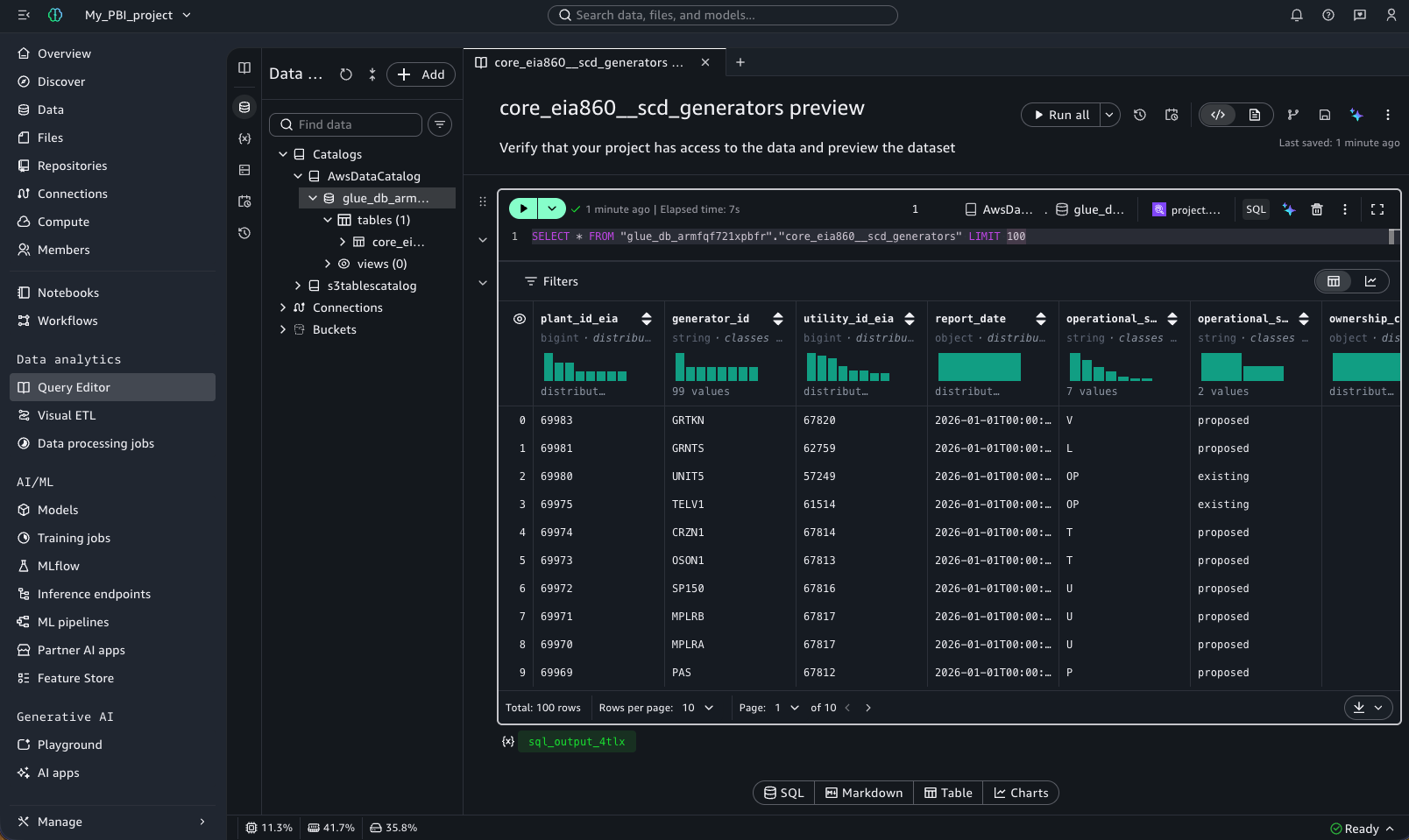
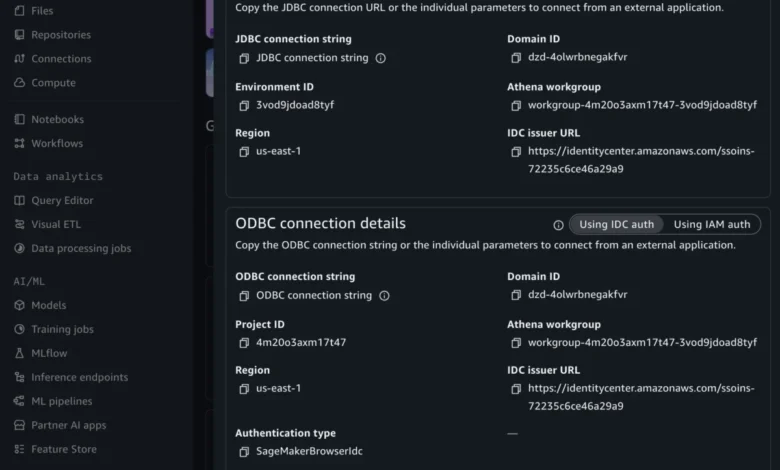
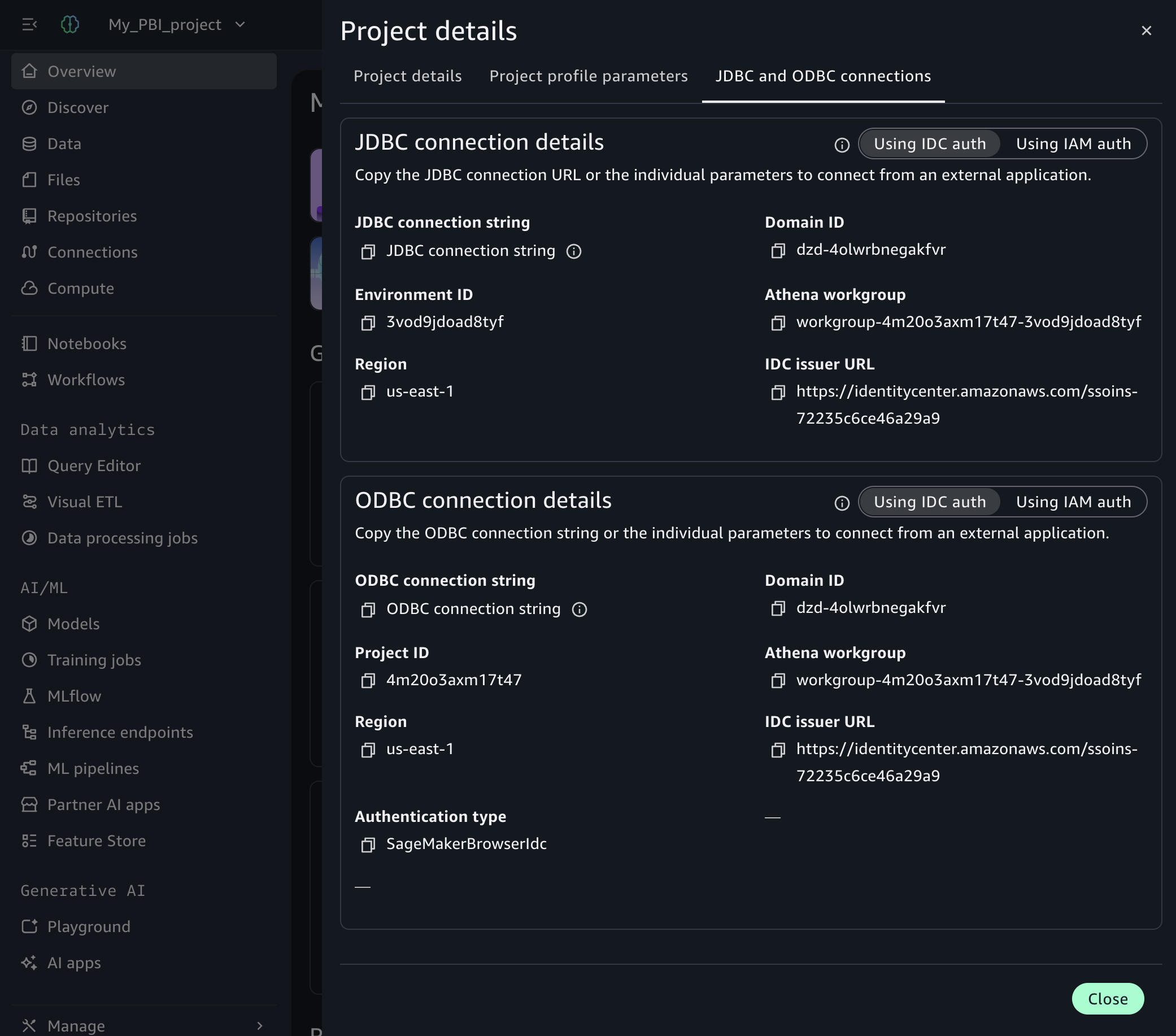
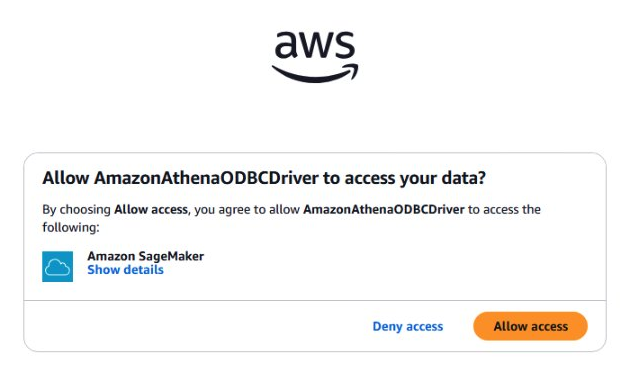
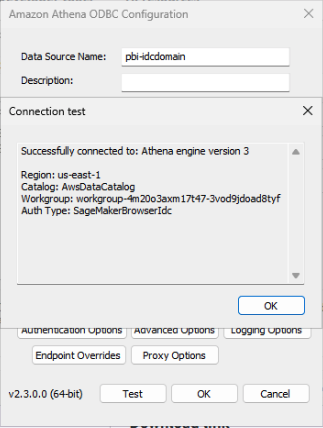
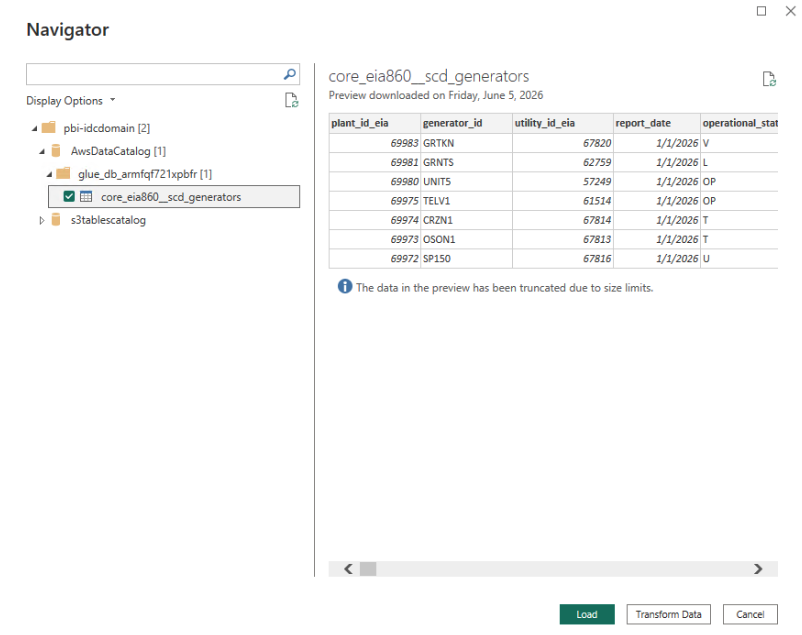
The first method, the DSN-based (Data Source Name) approach, is designed for environments where real-time data access is paramount. By utilizing the Amazon Athena Power BI connector, analysts can leverage both DirectQuery and Import modes. This is particularly useful for dashboards that require live data, as DirectQuery avoids the latency inherent in scheduled data refreshes. In this mode, the driver employs SageMakerBrowserIdc authentication, which triggers a browser-based flow for identity verification. This allows for seamless integration with IAM Identity Center (formerly AWS SSO), ensuring that the analyst’s existing corporate identity is recognized and authorized at the project level within SageMaker.
The second method, the DSN-less approach, offers a streamlined alternative for scenarios where configuring a persistent DSN on every analyst’s workstation is impractical. By using a connection string directly within the Power BI ODBC connector, organizations can bypass DSN management entirely. While this method is limited to Import mode—meaning it relies on scheduled refreshes rather than live queries—it provides a more portable configuration that is easier to deploy across large, distributed teams. This method necessitates the use of SageMakerIam authentication, as the automated nature of the connection string lacks the interactive browser component required for Identity Center flows.
Case Study: Scaling Research at UC Irvine
The implications of this simplified architecture are best illustrated by the experiences of large-scale institutions that manage massive, multi-departmental data sets. UC Irvine, a top-ten U.S. public research university, serves as a prime example of the operational challenges addressed by this integration. The university consolidates diverse streams of student data into a unified, governed repository to facilitate strategic decision-making.
According to Bernadette Theologidy, Manager of Student Analytics at UC Irvine, the previous requirement for bridge software was a significant hurdle to operational agility. "Our users rely on Power BI for data visualization and reporting, but connecting to governed data in AWS previously required workarounds," Theologidy noted. "The ODBC connection feature gives a direct path from Power BI into our SageMaker Unified Studio projects—no bridge software, no extra licensing, just a connection string and we’re ready to go."
This sentiment is echoed by IT administrators across the higher education and corporate sectors, who are increasingly prioritizing "self-service" data access. By reducing the number of moving parts in the analytics pipeline, organizations can lower the total cost of ownership (TCO) for their data stacks while simultaneously improving the security posture of their data access layers.
Broader Implications for Business Intelligence
The shift toward native integration has a ripple effect on data governance. When a connection is direct and native, auditing and logging become more granular. Every request made from Power BI to the underlying data catalog is now attributed to a specific identity—either through an IAM role or an authenticated user session. This level of traceability is a critical requirement for organizations operating under strict regulatory frameworks, such as HIPAA, GDPR, or FERPA, which mandate that data access be both controlled and auditable.
Furthermore, the introduction of pay-per-session pricing for serverless alternatives like Amazon QuickSight suggests that AWS is actively attempting to capture more of the BI market by lowering the barriers to entry. For those who remain committed to the Microsoft Power BI ecosystem, the native Athena driver acts as a "bridge-less" bridge, ensuring that they do not have to choose between their preferred visualization platform and the governance advantages of the AWS data lakehouse.
Strategic Considerations for Deployment
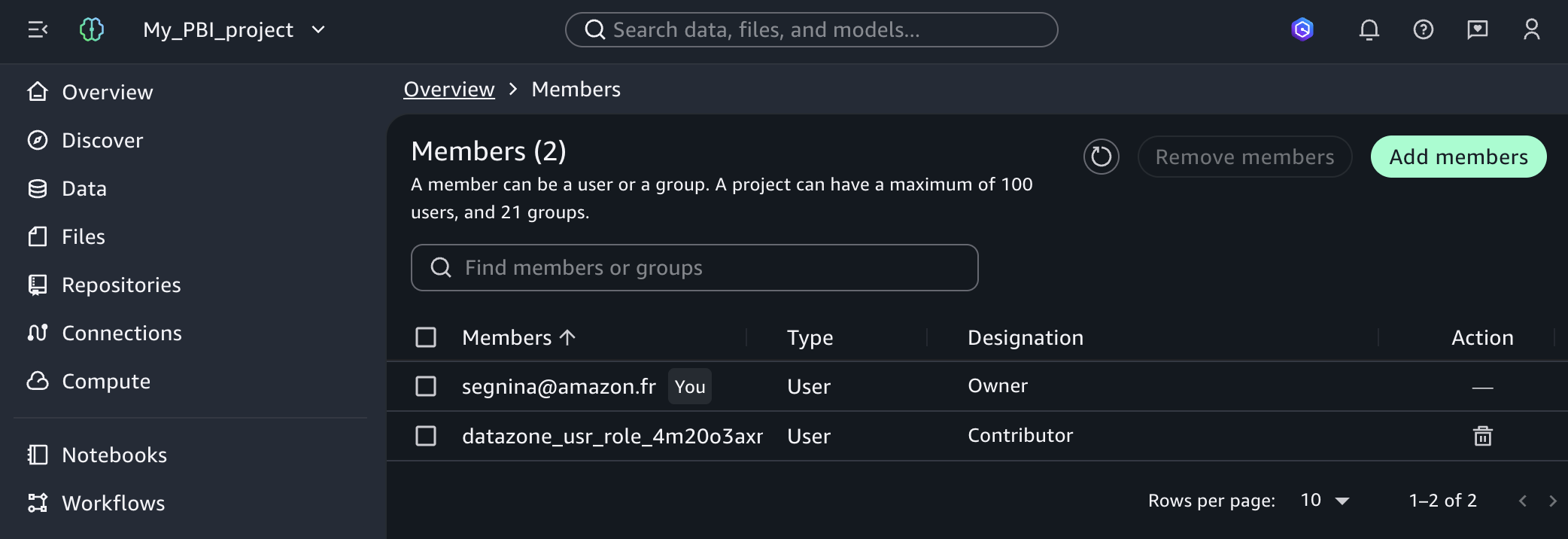
For data architects and BI leads looking to adopt this new native connection, the transition requires a shift in how permissions are managed. The integration relies heavily on project-level membership within SageMaker Unified Studio. Organizations must ensure that their IAM roles—particularly those associated with on-premises gateways—are correctly provisioned with the necessary permissions to interface with the DataZone and SageMaker APIs.
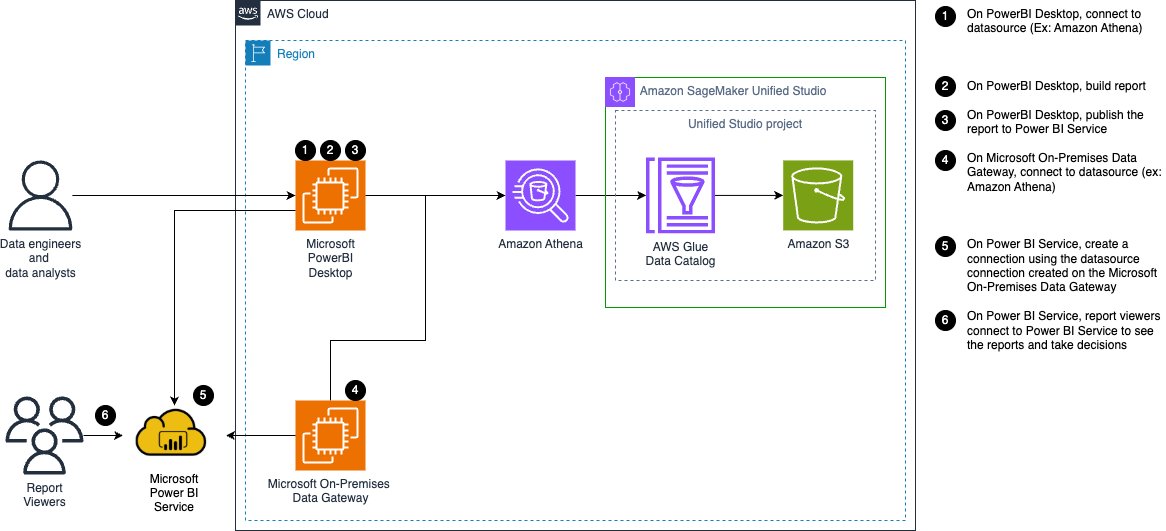
The use of an on-premises data gateway is still required for publishing reports to the Power BI Service, a constraint imposed by Microsoft’s architecture. However, the configuration of this gateway has been simplified. By attaching an IAM role directly to the EC2 instance hosting the gateway, administrators can utilize instance-profile-based authentication, which rotates credentials automatically. This removes the risk of hard-coded credentials being stored in configuration files, a common source of security vulnerabilities in legacy data pipelines.
Conclusion
The direct connection between Power BI and Amazon SageMaker Unified Studio, powered by the latest Athena ODBC driver, is more than a mere software update; it is a fundamental shift in the ease of cloud data consumption. By removing the technical debt associated with third-party middleware, AWS has provided a blueprint for how to bridge the gap between cloud-scale data engineering and desktop-based business intelligence.
As organizations continue to grapple with the "data explosion," the ability to quickly and securely surface insights from a governed catalog into an analyst’s existing toolkit will become a core competitive advantage. Whether through the DSN-based method for live, real-time analytics or the DSN-less approach for scheduled reporting, this development empowers data-driven decision-making while maintaining the rigorous standards of security and governance expected in modern enterprise environments. For many firms, the removal of the bridge is the first step toward a truly fluid and automated analytics lifecycle.