
Hike To Choquequirao Peru

The Ultimate Guide to Hiking Choquequirao, Peru: A Trekker’s Paradise
Choquequirao, often hailed as Machu Picchu’s "sacred sister," is an Inca citadel perched dramatically on a remote mountain ridge in the Apurímac Valley. Reaching this archaeological marvel is not for the faint of heart. It requires a challenging multi-day trek, a journey that rewards the persistent with unparalleled historical immersion, breathtaking Andean scenery, and a profound sense of accomplishment. This guide provides a comprehensive, SEO-friendly overview of what to expect, how to prepare, and why hiking to Choquequirao is an unforgettable adventure.
Understanding the Choquequirao Trek: Distance, Difficulty, and Duration
The standard Choquequirao trek spans approximately 60 kilometers (37 miles) round trip, though variations exist. The most common itinerary involves four days: two days to reach the citadel and two days to return to the trailhead. Some trekkers opt for a more extended five or six-day trip, allowing for more in-depth exploration of Choquequirao and the surrounding landscapes. The trek is undeniably strenuous, characterized by steep ascents and descents, significant elevation changes, and often harsh weather conditions. Elevation at the ruins themselves hovers around 3,000 meters (9,840 feet), but the trek traverses passes that can reach higher, and the descent into the Apurímac Canyon plunges to around 1,400 meters (4,600 feet) before climbing back up. This extreme elevation fluctuation is a primary factor contributing to the trek’s difficulty, demanding excellent cardiovascular fitness and acclimatization.
Getting to the Choquequirao Trailhead: From Cusco to Cachora
The journey to the Choquequirao trailhead typically begins in Cusco, the gateway to many Peruvian treks. From Cusco, travelers need to reach the small village of Cachora, the most common starting point for the trek. This usually involves a private transfer or a combination of bus and taxi. The drive from Cusco to Cachora takes approximately 4-5 hours, winding through picturesque Andean landscapes. It’s advisable to spend at least a night in Cusco or even a nearby town like Abancay to acclimatize to the altitude before embarking on the trek. This pre-trek acclimatization is crucial for preventing altitude sickness, a common ailment in the Andes. Cachora itself is a humble village that offers basic accommodations and essential supplies for trekkers.
The Choquequirao Trek Itinerary: A Day-by-Day Breakdown
-
Day 1: Cachora to Chiquisca (or Rosalina Beach)
The trek commences from Cachora with a relatively gentle descent towards the Apurímac River. The initial stretch passes through agricultural lands and offers glimpses of the formidable canyon ahead. The primary goal for the first day is to reach Chiquisca, a campsite located about halfway down the canyon. Alternatively, some groups push further to Rosalina Beach, a more challenging but rewarding destination situated at the bottom of the canyon near the river, offering a refreshing respite. This day involves a significant descent, which can be hard on the knees.
-
Day 2: Chiquisca/Rosalina Beach to Choquequirao
This is the most challenging day of the trek, involving a relentless and steep ascent from the canyon floor to the Choquequirao citadel. The climb from Rosalina Beach to Choquequirao is particularly arduous, often referred to as the "stairway to heaven." The path is well-maintained but incredibly steep, testing both physical and mental endurance. As you ascend, the vegetation changes, and the views become increasingly spectacular. Arriving at Choquequirao is an immense relief and a moment of triumph, with the awe-inspiring Inca ruins spread before you.
-
Day 3: Exploring Choquequirao and Descent to Chiquisca/Rosalina Beach
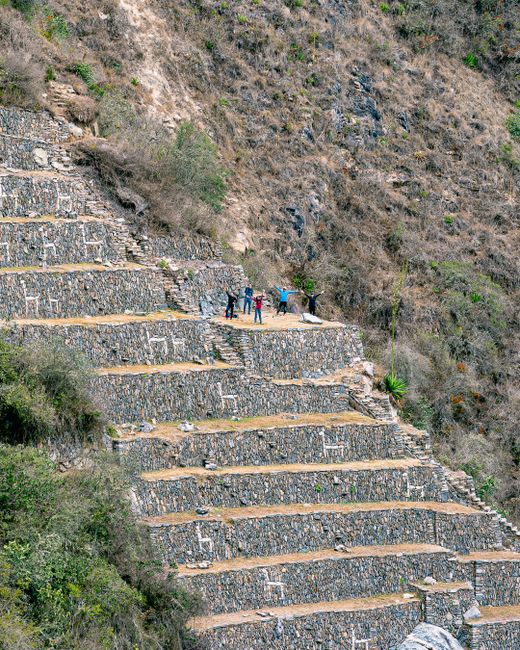
The third day is dedicated to fully exploring the vast Choquequirao complex. This includes visiting the main plazas, temples, agricultural terraces, and the famous "Serpent" and "Llama" cascades on the terraces. The sheer scale and architectural brilliance of Choquequirao are astonishing, and spending a good part of the day here is essential for appreciating its significance. In the afternoon, the descent begins. Trekking back down is significantly easier on the lungs but can be equally taxing on the joints. Most trekkers aim to descend back to Chiquisca or Rosalina Beach to break up the return journey.
-
Day 4: Chiquisca/Rosalina Beach to Cachora
The final day involves ascending out of the Apurímac Canyon and back to Cachora. While the descent was challenging, the ascent requires renewed effort and determination. The views on the return journey are different, offering new perspectives on the landscapes traversed. Completing the trek and arriving back in Cachora is a deeply satisfying experience, marking the successful completion of a demanding but incredibly rewarding adventure.
Essential Gear and Preparation for the Choquequirao Trek
Proper preparation is paramount for a successful and enjoyable Choquequirao trek.
- Physical Fitness: The trek demands excellent cardiovascular fitness, leg strength, and stamina. Engage in regular hiking, running, or cycling in the weeks and months leading up to your trip. Practice hiking with a loaded backpack on inclines.
- Acclimatization: Spend at least 2-3 days in Cusco (3,400m/11,150ft) or a similar altitude before starting the trek to allow your body to adjust to the lower oxygen levels.
- Backpack: A comfortable and well-fitting backpack (50-70 liters) is essential.
- Trekking Boots: Sturdy, broken-in waterproof hiking boots are non-negotiable.
- Clothing Layers: Pack moisture-wicking base layers, insulating mid-layers (fleece or down), and a waterproof and windproof outer shell. The weather in the Andes can be unpredictable, with drastic temperature changes.
- Sun Protection: High SPF sunscreen, a wide-brimmed hat, and sunglasses are vital due to the intense high-altitude sun.
- Insect Repellent: Essential, especially for the lower altitudes near the river.
- Water Purification: Water purification tablets or a filter are recommended, though guides often provide boiled water.
- Headlamp/Torch: For navigating campsites and the ruins in low light.
- First-Aid Kit: Include personal medications, blister treatment, pain relievers, and bandages.
- Trekking Poles: Highly recommended to reduce strain on knees and provide stability on steep ascents and descents.
- Sleeping Bag and Mat: While some tour operators provide these, personal comfort may dictate bringing your own.
- Snacks: High-energy snacks like nuts, dried fruit, and energy bars are valuable for maintaining energy levels.
Choosing Your Trekking Style: Independent vs. Guided Tour
The Choquequirao trek can be undertaken independently or as part of a guided tour.
- Independent Trekking: This option offers maximum flexibility and cost savings but requires more meticulous planning and self-sufficiency. You’ll need to arrange your own transportation to Cachora, carry all your gear, prepare your own food, and navigate the trails. This is best suited for experienced trekkers comfortable with wilderness navigation and logistics.
- Guided Tours: For most travelers, opting for a guided tour is the most practical and often safer choice. Tour operators handle transportation, porters or pack animals to carry gear, campsite arrangements, meals, and experienced guides who provide historical context and ensure safety. There are various tour operators offering different levels of service and price points. Research and choose a reputable company with good reviews.
Key Considerations for a Successful Trek
- Best Time to Visit: The dry season, from April to October, is generally considered the best time for the Choquequirao trek. During this period, you can expect less rain and clearer skies, though evenings can still be chilly. The shoulder months (April-May and September-October) often offer a good balance of weather and fewer crowds.
- Altitude Sickness (Soroche): Be aware of the symptoms of altitude sickness, including headaches, nausea, dizziness, and fatigue. Acclimatize properly, stay hydrated, avoid alcohol and heavy meals at high altitudes, and consider consulting your doctor about altitude sickness medication.
- Food and Water: If trekking independently, carry enough non-perishable food. If on a guided tour, meals are typically provided. Always ensure your water sources are safe, either by boiling, using purification tablets, or drinking from reputable sources.
- Waste Management: Practice Leave No Trace principles. Pack out everything you pack in, including all trash.
- Respect for the Site: Choquequirao is a sacred Inca site. Stay on marked trails, do not touch or disturb any structures, and be respectful of the historical significance of the ruins.
- Connectivity: Expect limited to no mobile phone reception for most of the trek. Inform loved ones of your itinerary and expected return date.
The Allure of Choquequirao: Beyond the Trek
Choquequirao’s allure lies not only in the physical challenge of reaching it but also in its profound historical and cultural significance. Unlike Machu Picchu, which was rediscovered and extensively documented, Choquequirao remained largely hidden for centuries, preserving its raw and authentic Inca spirit. The citadel’s remote location and challenging access have helped to maintain its pristine condition, offering a more intimate and less commercialized experience of an ancient Inca city. The architectural sophistication, the intricate stonework, and the stunning agricultural terraces carved into the mountainside are testaments to the ingenuity of the Inca civilization. The journey itself, through dramatic canyons and verdant cloud forests, is an integral part of the Choquequirao experience, offering a deep connection with the Andean landscape and its ancient inhabitants. The trek to Choquequirao is more than just a hike; it’s a pilgrimage into the heart of the Inca Empire, a journey that will test your limits and reward you with memories that last a lifetime.


