
German Wine Regions Baden Wuerttemberg Pfalz

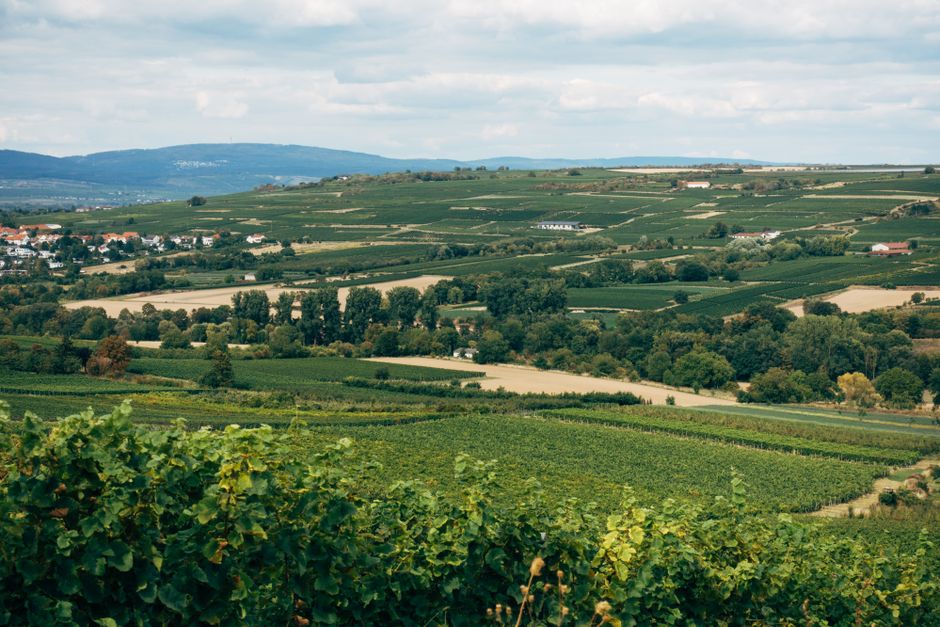
German Wine Regions: Baden-Württemberg and the Pfalz
The German wine landscape is a tapestry woven with distinct terroirs, varietals, and winemaking traditions. While Germany is globally renowned for its Riesling, particularly from the Mosel and Rheingau, the southern regions of Baden-Württemberg and the Pfalz offer a compelling and often overlooked dimension to this vinicultural powerhouse. These regions boast a diverse range of grape varietals, a testament to their warmer climates and historical evolution, and are increasingly recognized for producing high-quality red wines alongside their esteemed white counterparts. Understanding the unique characteristics of Baden-Württemberg and the Pfalz is crucial for anyone seeking to explore the full spectrum of German wine.
Baden-Württemberg: A Southernmost Tapestry of Varietals
Baden-Württemberg, Germany’s third-largest federal state, is its southernmost wine region, enjoying the most favorable climate. This warmth is a significant factor in its viticultural diversity, allowing for the successful cultivation of a wider array of grapes, including many red varieties that struggle in cooler German terroirs. The region is divided into several distinct wine-growing areas, each with its own microclimate and soil composition, contributing to a nuanced spectrum of wine styles.
The Baden region, the largest and most significant part of Baden-Württemberg’s wine production, stretches along the eastern edge of the Rhine valley from north to south. It is further subdivided into several areas: Tauberfranken, Ortenau, Breisgau, Kaiserstuhl, and Markgräflerland.
Tauberfranken, in the north, is the coolest sub-region of Baden. Here, Silvaner and Weissburgunder (Pinot Blanc) are prominent, often exhibiting a crisp acidity and mineral-driven character. The landscape is characterized by rolling hills and a continental climate.
Ortenau, located further south, benefits from a warmer climate, allowing for more robust white wines and increasingly, a focus on Pinot Noir. The soils in this area are often a mix of loess and clay.
Breisgau is known for its Pinot Gris (Grauburgunder) and Pinot Blanc, with a moderate climate and soils rich in loess.
The Kaiserstuhl is a truly unique and geologically fascinating area. This volcanic massif, situated in the warmest part of Baden, experiences a Mediterranean-like microclimate. The soils are predominantly volcanic and loess, contributing to wines with exceptional ripeness and concentration. Kaiserstuhl is particularly celebrated for its outstanding Pinot Gris, which can achieve remarkable complexity and body, often compared to white Burgundies. It also produces excellent Müller-Thurgau and, increasingly, a high-quality Pinot Noir. The warmth here allows for full phenolic ripeness, resulting in wines with rich aromas and flavors.
Finally, the Markgräflerland, in the southernmost tip of Baden, is characterized by its dry, warm climate and distinct shell limestone soils. This terroir lends itself to the production of Gutedel (Chasselas), a light, refreshing white wine with subtle almond notes. While historically significant, Gutedel is less widely planted now, with Pinot Blanc also finding a strong footing here.
Beyond the Baden region, Baden-Württemberg also encompasses other significant wine-growing areas:
Württemberg is the second-largest wine-growing area within the state, located in the north and east. This region is a stronghold for red grape varietals, particularly Trollinger and Lemberger (Blaufränkisch). Trollinger, a light-bodied, fruity red, is almost exclusively grown in Württemberg and is a popular local specialty, often enjoyed as a “Federweißer” (young wine) in autumn. Lemberger, on the other hand, produces more full-bodied and tannic red wines with dark fruit and peppery notes, gaining international recognition for its quality. Riesling is also cultivated here, though it plays a less dominant role than in other German regions. The landscape of Württemberg is characterized by steep terraces along river valleys, particularly the Neckar and its tributaries, with soils varying from Keuper marl to Muschelkalk limestone.
Baden-Württemberg’s Grape Varietal Focus:
While Riesling is a part of the viticultural story in Baden-Württemberg, the region’s true strength lies in its Pinot varietals. Pinot Noir (Spätburgunder) is gaining significant traction, with quality levels rivaling some of its Burgundian counterparts, particularly from warmer sites like the Kaiserstuhl. Pinot Gris (Grauburgunder) is another star, especially from the Ortenau and Kaiserstuhl, exhibiting a range of styles from light and crisp to rich and full-bodied. Pinot Blanc (Weissburgunder) is also widely planted and produces elegant, versatile wines.
The region also champions Silvaner, particularly in the cooler Tauberfranken, where it delivers earthy, mineral-driven expressions. For red wines, Lemberger is the flagship, offering a distinctive spicy character, and Trollinger provides a lighter, fruit-forward option.
The Pfalz: A Rhine Valley Gem of Diversity
The Pfalz, located east of Baden-Württemberg and west of the Rhine River, is Germany’s second-largest wine-producing region and arguably its most diverse. It shares a southern latitude with Baden-Württemberg, benefiting from a warm and sunny climate that allows for a wide spectrum of grape varietals to thrive. The Pfalz is a region where both white and red wines are produced with exceptional quality and variety, making it a compelling destination for any wine enthusiast.
The Pfalz wine route (Weinstraße) winds through picturesque villages and vineyards, showcasing the region’s charm and its commitment to viticulture. The soils are incredibly varied, ranging from sandy loam and loess in the flatter northern areas to red sandstone and limestone in the more elevated southern sections. This geological diversity is a key factor in the Pfalz’s ability to produce such a wide array of wine styles.
Key Sub-Regions of the Pfalz:
The Pfalz can be broadly divided into the Mittelhaardt (Middle Palatinate) in the north and the Südliche Weinstraße (Southern Wine Route) in the south.
The Mittelhaardt is renowned for producing some of Germany’s finest dry white wines, particularly Riesling. This sub-region is home to prestigious villages like Forster, Deidesheim, Ruppertsberg, and Wachenheim, many of which boast Grand Cru-like vineyard sites (Erste Lage). The soils here are often a mix of sandstone, shell limestone, and loess, contributing to wines with great minerality, complexity, and aging potential. Riesling from the Mittelhaardt can range from bone-dry and zesty to lusciously sweet, with complex aromas of peach, apricot, and floral notes. Beyond Riesling, the Mittelhaardt also excels in dry-styled Weissburgunder and Grauburgunder.
The Südliche Weinstraße is characterized by a warmer and drier climate, leading to fuller-bodied white wines and an increasingly prominent role for red grape varietals. Villages like Burrweiler, Edesheim, and Siebeldingen are situated at the foot of the Pfälzerwald (Palatinate Forest), a mountain range that provides shelter and influences the local microclimate. This region is a significant producer of Dornfelder, a popular German red grape known for its deep color, fruity character, and soft tannins. Spätburgunder (Pinot Noir) also performs exceptionally well here, often producing wines with more body and darker fruit notes than those from cooler regions. Other red varietals like St. Laurent and Regent are also cultivated. In terms of white wines, Scheurebe produces aromatic and often off-dry wines with distinctive blackcurrant bud notes, and Sauvignon Blanc is gaining popularity.
The Pfalz’s Grape Varietal Dominance:
The Pfalz is a veritable playground of grape varietals. Riesling remains a cornerstone, with the Mittelhaardt producing some of the most iconic dry Rieslings in Germany. However, the Pfalz is also a major producer of Weissburgunder and Grauburgunder, offering a wide spectrum of styles.
For red wines, Spätburgunder is increasingly making its mark, showcasing the region’s potential for high-quality Pinot Noir. Dornfelder is a distinctive and widely planted red, providing accessible and fruity red wine options. Other notable red varietals include Dornfelder, St. Laurent, and Regent. Scheurebe is a specialty white grape that produces highly aromatic wines, often with a touch of residual sweetness.
Climate and Terroir: Driving Forces of Quality
Both Baden-Württemberg and the Pfalz benefit from their southern location within Germany, enjoying more sunshine hours and warmer average temperatures compared to the northern wine regions. This warmer climate is instrumental in achieving optimal ripeness for a broader range of grape varietals, particularly the red grapes.
In Baden-Württemberg, the Rhine valley plays a crucial role. The Kaiserstuhl’s volcanic soils and Mediterranean microclimate create exceptionally warm conditions, ideal for Pinot Gris and Pinot Noir. The rolling hills and varied soil types across the different sub-regions contribute to the nuanced expressions of Silvaner, Pinot Blanc, and Lemberger.
The Pfalz is protected from cold northern winds by the Haardtgebirge mountain range, part of the Pfälzerwald. This creates a warmer, drier climate, particularly beneficial for red grape ripening and the development of complex aromatic whites. The diverse soil compositions, from the sandstone of the Mittelhaardt to the loess and loam further afield, allow for distinct terroir-driven wines.
Winemaking Styles and Trends
Historically, German wines were often associated with residual sweetness. However, both Baden-Württemberg and the Pfalz have seen a significant shift towards producing high-quality dry wines (Trocken). This trend is particularly evident in the Mittelhaardt of the Pfalz and across the Baden region. Winemakers in these areas are focused on expressing the minerality and varietal character of their grapes, creating wines that are food-friendly and age-worthy.
There is also a growing emphasis on single-vineyard wines and wines from officially classified vineyard sites (Erste Lage), mirroring the practices seen in other prestigious European wine regions. This focus on terroir is elevating the perception and quality of German wines on the international stage.
For red wines, the focus is on achieving optimal ripeness and developing balanced tannins. Spätburgunder from both regions is increasingly being crafted in styles that highlight elegance, complexity, and aging potential. Lemberger from Württemberg is gaining recognition for its unique spicy character and robust structure.
Conclusion
Baden-Württemberg and the Pfalz represent a vital and dynamic component of the German wine industry. Moving beyond the iconic Rieslings of the northern regions, these southern powerhouses offer a compelling exploration of diverse terroirs and a broad spectrum of grape varietals, with a particular strength in high-quality red wines. From the volcanic soils of the Kaiserstuhl to the sandstone vineyards of the Pfalz, and the distinctive varietals cultivated in Württemberg, these regions are testament to Germany’s evolving and increasingly sophisticated wine culture. For any wine lover seeking to deepen their understanding of German wine, an exploration of Baden-Württemberg and the Pfalz is not just recommended, but essential.


