The modern web development landscape is shifting rapidly, driven by collaborative browser standardization initiatives, aggressive new tracking preventions, and emerging front-end design tools. At the center of this ecosystem is the ongoing effort to shape the future of cross-browser compatibility through the Interop initiative, alongside significant announcements from browser vendors, industry surveys, and developer tool creators.
As teams begin casting votes and organizing proposals for Interop 2027, major browser engines are simultaneously implementing stricter privacy boundaries—most notably Apple’s WebKit targeting advanced tracker workarounds. Meanwhile, the developer community is evaluating new standards, surveying the state of HTML, and exploring cutting-edge tools ranging from CSS color manipulation functions to automated SVG-to-3D converters.

The Interop 2027 Campaign and Browser Standardization
The web development community is actively engaged in shaping the priorities for Interop 2027, following the recent launch of platforms allowing developers to rank proposed web platform features. The Interop project—a multi-vendor effort involving major browser makers such as Apple, Google, Microsoft, and Mozilla—has fundamentally transformed how web standards are prioritized and implemented. Rather than leaving developers to guess when a specific API or CSS feature will work consistently across Safari, Chrome, Edge, and Firefox, the Interop initiative establishes a yearly set of focus areas to resolve interoperability friction.
Following the opening of the ranking process, developers and engineering teams have taken to public forums and blogs to publish their customized wishlists, detailing which web platform proposals deserve urgent attention. According to representatives from the Firefox team, developers do not need to compile exhaustive ballots to make an impact. Submitting a ranked list of approximately ten proposals provides sufficient and actionable input for engineering teams to gauge community demand and align their roadmaps accordingly.
Historically, the Interop process has targeted longstanding pain points such as container queries, subgrid, editing boundaries, and baseline color spaces. By opening the curation process directly to the broader developer ecosystem, the initiative ensures that the most acute workflow bottlenecks are pushed to the top of the implementation queue. As the ranking window progresses, browser maintainers will synthesize these preferences to establish the official feature set for Interop 2027.
Safari Closes the Loop on ‘Identity Resolution’ Tracking Infrastructure
In a significant privacy development, WebKit engineers have announced that Safari is aggressively blocking "identity resolution" tracking infrastructure at the domain level. This move marks the latest escalation in the ongoing battle between browser vendors and the digital advertising industry over cross-site user tracking.
With traditional third-party cookies effectively neutralized across modern web browsers, trackers and data brokers have increasingly pivoted toward identity resolution services. Under this technique, when a user types an email address or other personally identifiable information into a web form, third-party scripts capture that data, hash it, and convert it into a persistent cross-site, cross-device tracking identifier. This workaround allows trackers to reconstruct user profiles and monitor browsing behavior without relying on conventional cookies.
By implementing domain-level blocks against these identity resolution infrastructures, Safari aims to cut off the underlying data pipelines that enable cross-context user profiling. WebKit maintainers emphasize that protecting user privacy requires continuous adaptation as tracking vectors evolve. Industry analysts note that this aggressive stance will likely force advertising technology firms to seek alternative measurement methods that do not rely on probabilistic or deterministic identity stitching across isolated web properties.

The State of HTML 2026 Survey Launches
To measure the pulse of the web development ecosystem, the Devographics team has officially launched the State of HTML 2026 survey. This annual benchmark serves as a critical data gathering instrument, tracking the awareness, adoption, and sentiment surrounding evolving HTML specifications, web components, progressive enhancement patterns, and the intersection of artificial intelligence with web markup.
The survey, which typically takes under fifteen minutes to complete, acts as an educational resource for participants as well as a comprehensive data source for standards bodies. By analyzing responses from tens of thousands of developers worldwide, the State of HTML highlights which features have achieved mainstream adoption and which specifications remain obscure or plagued by developer friction. The findings from the 2026 edition are expected to influence future W3C working group agendas and guide educational content creation across the web development community.
Technical Deep Dives: CSS Opacity and Image Formats
Front-end engineering discussions this week have also centered on technical optimizations and CSS evolution. A notable area of debate involves color transparency handling in CSS. With the introduction of modern color functions, developers now have multiple distinct ways to adjust or lower the opacity of a color directly within style sheets. Experts like Kevin Powell have spotlighted the specific utility of the alpha() function, contrasting it with legacy rgba notations and relative color syntax to determine where and when native transparency controls offer the cleanest maintainability.
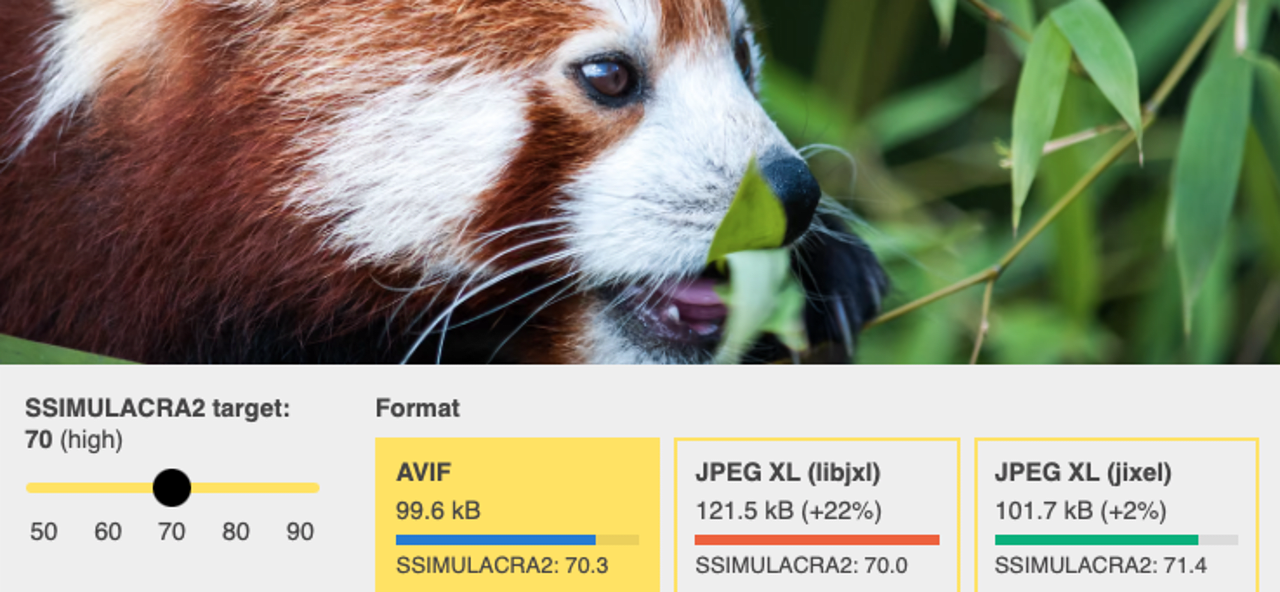
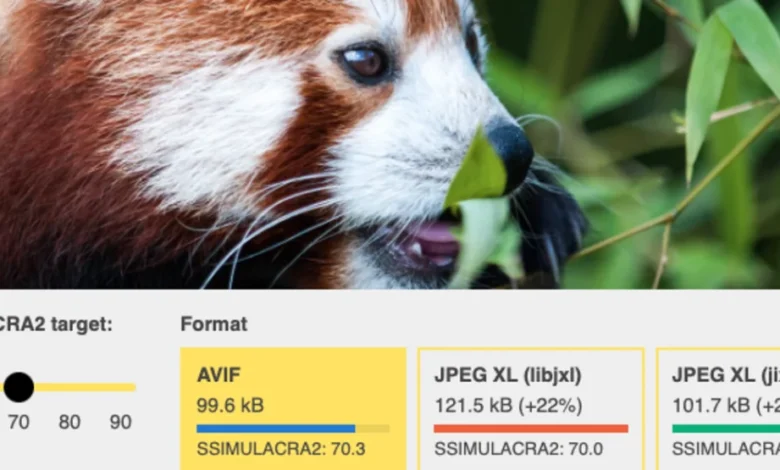
Concurrently, performance-focused engineers continue to evaluate image format optimization strategies, comparing next-generation codecs like AVIF and JPEG XL. As web performance metrics remain intrinsically tied to core Web Vitals and search engine rankings, choosing the optimal compression format for high-fidelity raster graphics remains a vital consideration for high-traffic web applications.
Emerging Tools, Resources, and Creative Code
The developer tooling ecosystem continues to expand with specialized utilities designed to streamline workflows and bridge the gap between flat design and spatial computing. Among the notable releases is 3dsvg, a web-based utility created by Renato Costa that transforms flat scalable vector graphics (SVGs), custom typography, or raw user drawings into fully rendered 3D objects. The tool allows developers and designers to export their creations in standard 3D software formats such as GLB and STL, facilitating integration into WebGL applications and 3D printing pipelines.
Additionally, innovative typography experiments continue to capture attention, such as Furi Font—a specialized typeface designed to automatically annotate itself, demonstrating the creative potential of OpenType variable font features in documentation and educational contexts.
Broader Impact and Industry Implications
The convergence of these developments highlights a maturing web platform that is simultaneously tightening security boundaries and expanding its expressive capabilities. The push toward a unified Interop 2027 framework ensures that browser vendors remain accountable to developer needs, reducing the fragmentation that has historically plagued web engineering.
Simultaneously, aggressive privacy interventions by engines like Safari signal that user data protection will continue to restrict legacy advertising practices, compelling developers and marketers to adopt privacy-first analytics and architecture. As tools for 3D web design, advanced CSS styling, and automated performance verification mature, the barrier to entry for building immersive, high-performance web applications continues to lower, setting the stage for a highly dynamic technological landscape in the years ahead.