Frontend Web Development Undergoes Rapid Transformation Amid New CSS Capabilities and AI-Driven Paradigms

The landscape of frontend web development is undergoing a profound structural and technical evolution, driven by the convergence of advanced browser layout capabilities, native HTML enhancements, and the disruptive influence of artificial intelligence on software engineering education. Recent releases and community analyses highlight a shift toward reducing reliance on heavy JavaScript frameworks, solving complex layout hurdles natively through CSS, and grappling with the changing utility of traditional developer skill sets.
The Evolution of Native CSS and Layout Engineering
For years, developers have relied heavily on custom JavaScript logic to achieve responsive, elegant layouts and animations across varying screen sizes. Recent developments in CSS standards, however, are shifting these responsibilities back to the browser’s native engine.

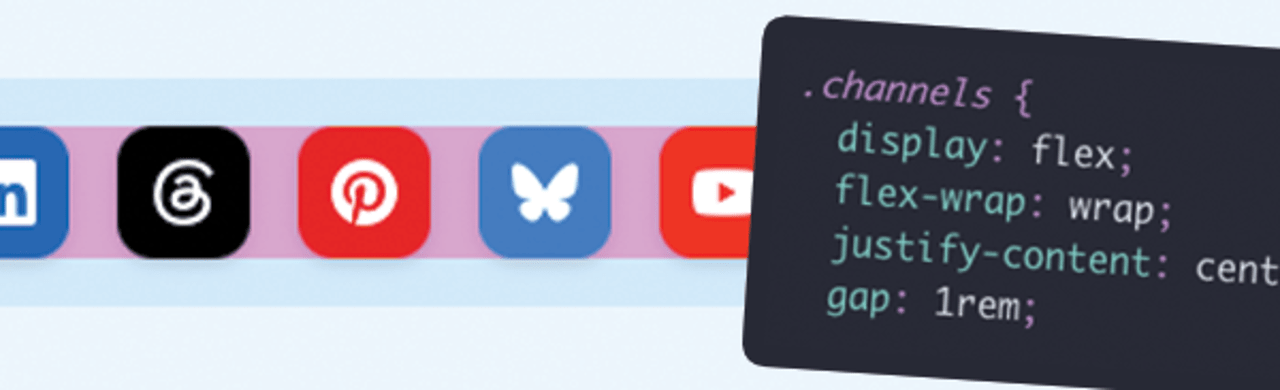
Ahmad Shadeed’s recent exploration of the flex-wrap: balance property—paired with the emerging flex-line-count property—signals a major step forward for responsive design. Currently supported exclusively in Chromium-based browsers, these properties allow developers to maintain visual equilibrium in flexible box layouts across dynamic viewports without resorting to brittle media queries or complex DOM measuring scripts. Although full cross-browser standardization remains incomplete, the implementation of these features demonstrates a concerted effort by standards bodies to address multi-line flexbox distribution flaws.
Similarly, Carmen Ansio’s interactive breakdown of three-dimensional CSS transformations illustrates how far modern web styling has progressed. By leveraging properties such as perspective, preserve-3d, and translateZ, developers can transition from flat, two-dimensional design patterns to complex 3D environments reminiscent of classic gaming paradigms, entirely within the stylesheet layer.
In the realm of navigation, proposed specifications are attempting to bypass JavaScript entirely for page-to-page transitions. Geoff Graham’s analysis of early CSS drafts highlights concepts like @location and @navigation, which aim to allow developers to declaratively name pages and animate transitions between them natively. While these proposals are currently early-stage drafts without active browser implementation, they point toward a future where single-page application routing behaviors could be managed directly by the browser engine.
HTML Expands Its Native Feature Set
Complementing advancements in CSS, the HyperText Markup Language continues to absorb functionalities previously reserved for external JavaScript libraries. Chris Burnell’s comprehensive demonstrations of modern HTML capabilities underscore how features such as the popover API, invoker commands, and the hidden="until-found" attribute are reshaping standard web architecture.
These native HTML additions allow developers to build accessible, interactive user interface components—such as modals, tooltips, and searchable hidden content—with minimal boilerplate code. To standardize these practices for modern production environments, senior developers have begun updating foundational templates. Manuel Matuzović’s release of his 2026 HTML boilerplate provides a detailed, educational roadmap for structuring document heads, reflecting current best practices in security, accessibility, and performance optimization.
The AI Disruption in Frontend Education and Development
While technical specifications evolve, the broader ecosystem is confronting unprecedented disruption from generative artificial intelligence. In a widely discussed industry critique, developer Nolan Lawson characterized the current technological shift as an "asteroid" impacting frontend web development. Lawson points out that decades of accumulated tribal knowledge, specific syntax memorization, and conventional workflow methodologies are being rendered nearly obsolete by AI-driven development tools and instantaneous code generation models.

This paradigm shift has raised critical questions regarding technical education and career longevity. As automated tools become increasingly proficient at generating boilerplate code, components, and debugging solutions, the value proposition of traditional frontend engineering is migrating away from syntax execution toward architectural oversight, system integration, and accessibility compliance. Educational pipelines are consequently forced to adapt, shifting focus from how to write specific framework code to how to evaluate, audit, and integrate machine-generated outputs safely.
Specialized Tools and Creative Engineering
Beyond enterprise frameworks and layout standards, the developer community continues to produce novel creative utilities and browser-based tools. Josh Pigford’s introduction of "Dither," a fine-grained vector dithering utility, provides web designers with browser-native image processing capabilities, offering customizable gradients, multi-color constraints, and direct SVG or PNG exports.
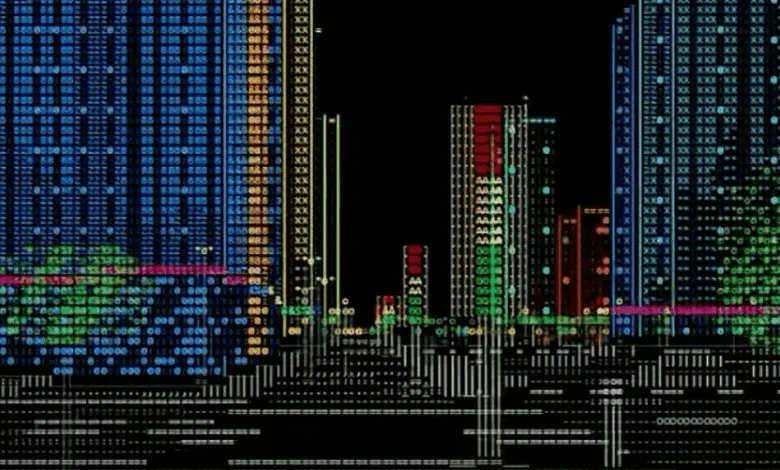
Concurrently, experimental projects continue to push the boundaries of browser rendering performance. A notable ASCII raycasting demonstration by Grow Now! Games showcased a fully walkable, cyberpunk urban environment rendered entirely within a single HTML file using standard text characters. While projects of this nature remain largely experimental, they serve as testaments to the raw computational power and flexibility inherent in modern browser runtimes.

Industry Implications and Future Outlook
The simultaneous maturation of native CSS properties, expanding HTML APIs, and the integration of artificial intelligence present both opportunities and challenges for the digital industry. On one hand, native browser capabilities reduce dependency on third-party libraries, leading to leaner, more performant web applications. On the other hand, the rapid obsolescence of traditional workflows necessitates continuous retraining for development teams.
As standards bodies work toward cross-browser implementation of features like flexible layout balancing and native view transitions, the industry must balance rapid innovation with long-term maintainability. The ability of developers to adapt to AI-augmented workflows while mastering advanced native platform features will ultimately define the trajectory of frontend engineering in the years ahead.