
Escape The Crowds Rome

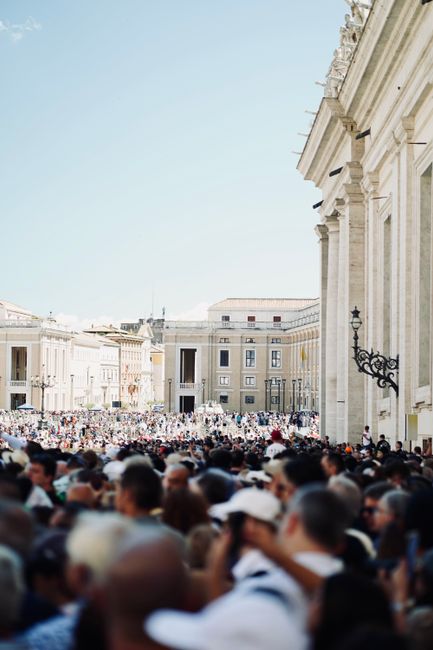
Escape the Crowds: Your Definitive Guide to Experiencing Rome Beyond the Tourist Trail
Navigating Rome’s iconic landmarks – the Colosseum, the Roman Forum, the Vatican City – is a rite of passage for many travelers. Yet, the sheer volume of visitors can often detract from the magic of these ancient sites, turning what should be a journey through history into a frustrating battle for elbow room. This guide offers practical strategies and curated itineraries to help you experience the Eternal City’s unparalleled charm and historical depth without the overwhelming throngs. We’ll delve into lesser-known but equally captivating attractions, explore optimal visiting times, and suggest ways to immerse yourself in Roman culture authentically, ensuring a more profound and memorable encounter with this extraordinary city.
The principle of strategic timing is paramount when seeking to escape the Rome crowds. Avoid peak tourist seasons at all costs. The shoulder seasons, spring (April-May) and autumn (September-October), offer pleasant weather and significantly fewer visitors than the sweltering summer months (June-August) or the crowded Christmas and Easter periods. Even within these seasons, consider visiting popular attractions on weekdays, particularly Tuesdays, Wednesdays, and Thursdays. Monday is often a day when many smaller museums are closed, potentially redirecting crowds to larger sites, and Friday and Saturday evenings can see an influx of locals and weekend tourists. For those with flexibility, a winter visit (November to February, excluding holidays) presents an entirely different Rome, often with a more intimate atmosphere and dramatically reduced queues. Booking tickets for major attractions online in advance is non-negotiable. This not only saves you precious time queuing at ticket booths but also often grants access to designated fast-track entrances. Some sites, like the Borghese Gallery, mandate timed entry slots, which inherently manage crowd flow. Embrace this system by booking your desired time well in advance, prioritizing early morning or late afternoon slots, which are generally less popular.
Beyond temporal tactics, geographic dispersion is your ally. Rome is vast, and its most celebrated attractions, while undeniably magnificent, are clustered in a few key areas. Venture beyond the immediate vicinity of the Trevi Fountain, the Spanish Steps, and St. Peter’s Basilica to uncover hidden gems. The Aventine Hill, for instance, offers breathtaking panoramic views of the city and a serene atmosphere. Here, you can peek through the famous Keyhole of the Knights of Malta for a perfectly framed view of St. Peter’s dome, a truly unique and crowd-free perspective. The nearby Giardino degli Aranci (Orange Garden) provides a tranquil oasis with more stunning vistas. Similarly, explore the Monti district, a charming bohemian neighborhood nestled between the Colosseum and Via Nazionale. While it attracts some visitors, its labyrinthine streets and independent boutiques offer a more local feel. Discover artisan workshops, traditional trattorias, and ancient churches that often go unnoticed by the main tourist routes. The Testaccio neighborhood, historically the city’s working-class district and the heart of Roman culinary tradition, is another excellent choice for an authentic experience. Its food market is a vibrant hub of local life, and its restaurants offer some of the most authentic Roman dishes at reasonable prices.
To truly escape the crowds, embrace the "off-the-beaten-path" attractions. While the Colosseum is unmissable for many, consider its less famous, but equally historically significant, counterparts. The Baths of Caracalla, a vast and remarkably preserved ancient Roman public bath complex, offers a sense of scale and grandeur that rivals the Colosseum, but with a fraction of the visitors. Its sheer size allows for easy social distancing even when a moderate number of people are present. The Domus Aurea, Emperor Nero’s opulent Golden House, offers a glimpse into Roman imperial excess through its stunning frescoes and innovative architecture, often explored via guided tours that limit group sizes. For a truly immersive ancient experience, visit Ostia Antica, the remarkably well-preserved port city of ancient Rome, located just a short train ride from the city center. It’s like stepping back in time to a complete Roman city, complete with apartments, shops, and public buildings, offering a far more comprehensive understanding of daily life than the ruins within Rome itself, and it’s a fraction of the crowds you’ll encounter at the Forum.
Art and religious sites beyond the Vatican Museum and the Sistine Chapel also offer solace from the masses. The Galleria Borghese is a magnificent collection housed in a beautiful villa, but its timed entry and limited capacity ensure a civilized viewing experience. Book well in advance. For Roman sculpture and Baroque art without the overwhelming crowds, consider the Palazzo Doria Pamphilj, a privately owned palace that still houses its original art collection, offering an intimate encounter with masterpieces by Caravaggio, Bernini, and Velázquez. The churches of Rome are countless, and while St. Peter’s Basilica is the pinnacle of grandeur, many other churches hold incredible artistic treasures and offer moments of quiet contemplation. Santa Maria del Popolo, for example, houses two of Caravaggio’s most important works in its Cerasi Chapel, a powerful and moving artistic experience without the typical tourist hustle. San Luigi dei Francesi also boasts three stunning Caravaggio paintings in its Contarelli Chapel, often overlooked by those rushing to the major attractions.
Embrace the concept of "slow tourism". Instead of rushing from one landmark to another, dedicate time to soaking in the atmosphere of specific neighborhoods. Spend a morning exploring the charming Trastevere district before the day-trippers arrive. Wander its cobblestone alleys, discover hidden piazzas, and enjoy a coffee at a local café. As the day progresses, Trastevere can become crowded, but its early morning charm is unparalleled. Consider a cooking class to delve into the heart of Roman cuisine, a hands-on experience that offers a delicious and authentic way to connect with the local culture and escape the tourist circuit. Many culinary schools and local chefs offer small-group classes in their homes or specialized kitchens, providing an intimate and educational experience.
Leverage the power of guided tours, but choose wisely. Instead of large, impersonal bus tours, opt for small-group or private tours focused on niche interests or specific neighborhoods. Look for tours that cater to a more immersive experience, such as historical walking tours of less-visited areas, food tours of local markets, or even archaeological tours that delve deeper into the historical context of sites. Many guides are passionate about sharing their city and can offer insider knowledge that will enhance your understanding and help you avoid the most congested areas. A well-chosen guide can transform a potentially overwhelming experience into a deeply enriching one, opening up avenues of exploration you might never discover on your own.
For those who truly wish to escape the urban intensity, consider day trips from Rome to nearby historical sites or charming towns. Tivoli, located about an hour east of Rome, offers two remarkable UNESCO World Heritage sites: Hadrian’s Villa, the vast and sprawling country estate of Emperor Hadrian, and Villa d’Este, famous for its breathtaking Renaissance gardens and spectacular water features. Both are magnificent and significantly less crowded than their Roman counterparts. The medieval hilltop town of Orvieto, perched dramatically on a tuff cliff in Umbria, is another excellent day trip option. Its magnificent Duomo is a Gothic masterpiece, and the city itself offers a delightful escape from the Roman hustle, easily accessible by train. Further afield, the ancient ruins of Pompeii and Herculaneum, though requiring a longer journey, offer an unparalleled glimpse into Roman life frozen in time by the eruption of Mount Vesuvius. While Pompeii can attract significant crowds, Herculaneum, being smaller and less accessible, is often a more tranquil experience.
Embrace the rhythm of Roman life. This means understanding that many shops and businesses, particularly outside the hyper-touristy zones, observe a midday closure (riposo), typically from around 1 PM to 4 PM. This period, while an adjustment for some, can be an opportunity to experience a quieter Rome. Many Romans retreat for lunch and a rest during this time. Utilize this period for a leisurely lunch at a local trattoria, a siesta, or to explore a park or a less busy attraction. Similarly, restaurants and bars often have distinct lunch and dinner service times. By aligning your dining with local customs, you’ll experience a more authentic and less rushed meal.
Finally, be flexible and open to serendipity. Sometimes, the most memorable Roman experiences are the unplanned ones. Allow yourself to wander down an interesting side street, to stop and listen to a street musician, or to simply sit in a piazza and observe daily life. These moments of unexpected discovery, free from the pressure of ticking off a checklist, are often the most rewarding and are inherently free from crowds. By employing these strategies – timing, geographic dispersion, seeking out lesser-known attractions, embracing slow tourism, choosing tours wisely, venturing on day trips, and understanding local rhythms – you can craft a Roman holiday that is rich in history, culture, and authentic charm, all while significantly minimizing your encounters with the overwhelming tourist throngs. Rome is a city that rewards those who seek to look beyond the obvious, offering a deeper, more profound connection to its enduring legacy.


