
Delta Contact Tracing App

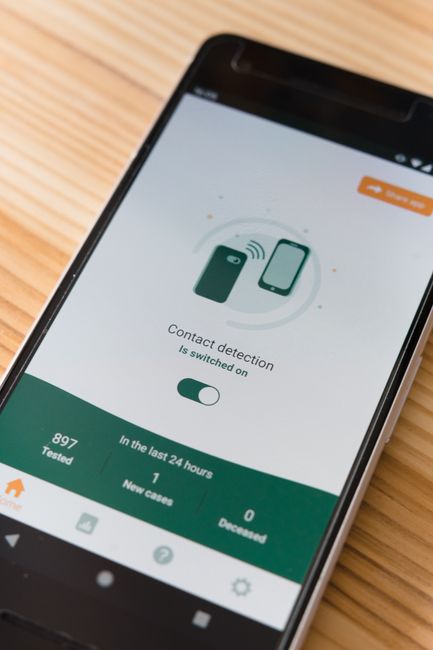
Delta Contact Tracing App: Revolutionizing Public Health Response and Data Security
The Delta contact tracing app represents a significant technological advancement in the ongoing battle against infectious disease outbreaks, particularly those characterized by rapid transmission like novel strains of influenza or, more recently, COVID-19. Unlike traditional, often manual, contact tracing methods that rely on patient recall and extensive interviews, the Delta app leverages Bluetooth Low Energy (BLE) technology and secure data anonymization protocols to provide a more efficient, scalable, and potentially more accurate means of identifying individuals who may have been exposed to an infected person. This article will delve into the core functionalities of the Delta app, its underlying technological architecture, its benefits for public health initiatives, the crucial considerations surrounding data privacy and security, and its broader implications for future pandemic preparedness.
At its heart, the Delta contact tracing app operates on a decentralized or hybrid model of proximity detection. When two users with the app installed are within close proximity (typically a few meters) for a sustained period, their devices exchange encrypted, anonymous identifiers. These identifiers are temporary and change frequently to prevent the re-identification of individuals. The app does not collect or store real-time location data. Instead, it logs encounters with other app users based on these ephemeral Bluetooth signals. The duration and distance of these encounters are calibrated based on scientific understanding of transmission dynamics for specific pathogens. For instance, a key consideration is the infectious period of the virus and the likelihood of airborne or droplet transmission at varying distances.
The crucial element that distinguishes the Delta app is its sophisticated data management and privacy framework. When an individual tests positive for a specific infectious disease, they can voluntarily report their positive diagnosis within the app. This report triggers a process where the app, through a secure server, shares a unique, encrypted code associated with that positive diagnosis. Crucially, this code does not contain any personally identifiable information (PII). Other users’ phones, running the Delta app, periodically check this anonymous code against their logged proximity data. If a match is found, meaning a user’s device was in close proximity to the device of a newly diagnosed individual, the user receives a notification. This notification is typically generic, informing them of a potential exposure and recommending specific public health actions, such as self-isolation, symptom monitoring, or seeking testing.
The technological underpinnings of the Delta app are a testament to modern mobile computing and cryptography. The use of Bluetooth Low Energy (BLE) is paramount. BLE is specifically designed for low-power, short-range communication, making it ideal for continuous background operation on smartphones without significantly draining battery life. The short range also inherently limits the scope of contact tracing, focusing on direct, close-proximity interactions that pose the highest risk of transmission. The encryption used for identifier exchange and server communication is end-to-end, meaning that only the intended recipient can decrypt the information. This robust encryption is vital for maintaining the integrity and confidentiality of the data. Furthermore, the ephemeral nature of the exchanged identifiers is a cornerstone of privacy. By changing these identifiers at regular intervals, the system prevents the creation of long-term tracking profiles for individuals, even if their device is constantly broadcasting or receiving signals.
The benefits of deploying a contact tracing app like Delta for public health initiatives are multifaceted. Foremost among these is the potential for rapid identification of exposed individuals. Traditional contact tracing, reliant on interviews and manual record-keeping, can be time-consuming and prone to recall bias. A positive case might not accurately remember all individuals they were in close contact with, especially in busy public settings. The Delta app, by automating the logging of proximity events, can help identify contacts that might otherwise be missed. This accelerated identification can lead to quicker isolation and quarantine of potentially infected individuals, thereby breaking chains of transmission more effectively and reducing the overall spread of the disease. This speed is critical in mitigating the exponential growth characteristic of many infectious diseases.
Furthermore, the scalability of a digital solution like the Delta app is a significant advantage during widespread outbreaks. As the number of cases surges, manual contact tracing resources can quickly become overwhelmed. A well-designed app can handle a massive volume of proximity data and notifications with relatively little incremental human effort. This allows public health agencies to focus their limited human resources on more complex cases, outbreak investigations, and public communication strategies. The anonymized data collected by the app can also provide valuable epidemiological insights. While individual identities are protected, aggregated and anonymized data can reveal patterns of transmission, identify high-risk settings, and inform public health interventions and resource allocation. This data can be invaluable for understanding disease spread at a population level.
However, the success and ethical deployment of the Delta contact tracing app hinge critically on robust data privacy and security measures. Concerns about government surveillance, data breaches, and the potential misuse of personal information are legitimate and must be addressed proactively and transparently. The decentralized or hybrid architecture, as implemented in Delta, is a key strategy to mitigate these concerns. By minimizing the centralization of sensitive data and ensuring that the app does not collect location history, the risk of mass surveillance is significantly reduced. The principle of "data minimization" is paramount, meaning that only the absolute minimum data necessary for the app’s function is collected and processed.
The design of the Delta app often incorporates several layers of security. Encryption, as mentioned earlier, is applied at every stage of data transmission and storage. Access to any aggregated or anonymized data by public health officials is typically restricted and subject to strict protocols. Auditing mechanisms can be implemented to track who has accessed what data and for what purpose. Transparency with the public is also crucial. Clear and accessible information about how the app works, what data is collected, how it is protected, and for how long it is retained is essential for building trust and encouraging widespread adoption. Users should have control over their data, including the ability to opt-out or delete their data from the system. The legal and regulatory framework surrounding such apps must be clearly defined, ensuring that data usage aligns with privacy laws and ethical standards.
The development and deployment of a contact tracing app like Delta also present opportunities for innovation in public health data analysis. Beyond simply identifying exposed individuals, the anonymized data can fuel sophisticated modeling and predictive analytics. Researchers can use this data to forecast future outbreaks, assess the effectiveness of different public health interventions, and identify vulnerable populations. The integration of contact tracing data with other public health datasets, such as vaccination rates or demographic information, can create a more comprehensive picture of disease dynamics. This can lead to more targeted and effective public health strategies.
The long-term implications of the Delta contact tracing app extend beyond the immediate management of current pandemics. Such technologies, when developed and implemented with strong privacy safeguards, can form a crucial part of a nation’s or region’s pandemic preparedness infrastructure. Having a proven, scalable, and trusted digital contact tracing system in place can significantly shorten the response time to future outbreaks, potentially preventing them from escalating into full-blown pandemics. The lessons learned from the development and deployment of apps like Delta can inform the design of future public health technologies, ensuring they are both effective and respectful of individual privacy.
Challenges in adoption and effectiveness are also important considerations. The success of the Delta app is directly proportional to the number of people who download and actively use it. Public trust, digital literacy, and access to smartphones are all factors that can influence adoption rates. Educational campaigns and partnerships with community organizations are vital for reaching diverse populations and addressing potential hesitancy. Furthermore, the effectiveness of contact tracing is influenced by human behavior. Even with the app, individuals need to adhere to recommended public health guidelines, such as self-isolation and testing, for the system to be truly impactful. The app serves as a tool to facilitate informed decision-making, but individual compliance remains a critical component.
The ethical considerations surrounding digital contact tracing are nuanced. While the goal is public health, the potential for unintended consequences must be carefully managed. Striking a balance between individual liberties and collective well-being is an ongoing challenge. The design of the Delta app attempts to navigate this by prioritizing anonymity and voluntary participation. However, ongoing dialogue with ethicists, civil liberties advocates, and the public is essential to ensure that these technologies are deployed responsibly and ethically. The concept of "digital solidarity," where individuals contribute their anonymized data for the common good, is a powerful narrative, but it must be underpinned by demonstrable trust and robust safeguards.
In conclusion, the Delta contact tracing app represents a significant leap forward in leveraging technology for public health. Its ability to facilitate rapid, scalable, and more efficient identification of potential disease exposures, coupled with a strong emphasis on data privacy and security through anonymization and encryption, positions it as a vital tool in managing infectious disease outbreaks. While challenges related to adoption, user behavior, and ongoing ethical considerations remain, the underlying technological framework and the principles of secure data management embedded within the Delta app offer a compelling vision for future pandemic preparedness and a more resilient public health infrastructure. The continuous evolution of such technologies, guided by scientific evidence and a commitment to privacy, will be crucial in navigating the complexities of global health security in the years to come.


