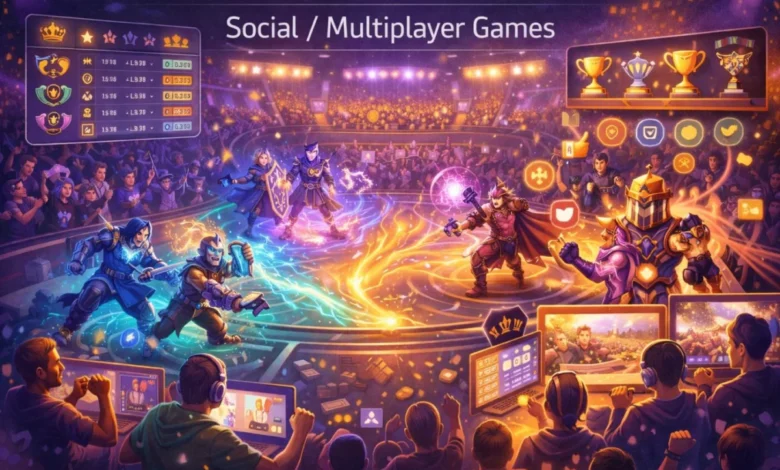
The modern digital landscape is currently witnessing a significant shift in how user engagement is conceptualized. For over a decade, the industry standard for "gamification" has relied on a superficial application of points, badges, and leaderboards—a practice often described as the "PBL triad." However, product designers and behavioral architects are increasingly recognizing that this one-size-fits-all approach is failing to produce long-term retention. The most critical oversight in current product development is the failure to acknowledge that there is no singular "game psychology." Just as a music curator would not categorize heavy metal and classical music under a single umbrella of "sound," product teams must recognize that different gaming genres tap into fundamentally distinct emotional and psychological triggers.
This realization marks the transition into what industry experts are calling "Gamification 2.0." The core thesis of this movement is that intentional genre selection is not merely a design choice, but a strategic necessity. By aligning an application with the specific motivational structure of a proven game genre, developers can move away from arbitrary reward systems and toward deep, sustainable user engagement.
The Evolution of Engagement Mechanics
The history of gamification in non-gaming applications has been marked by a reliance on behaviorist models, heavily influenced by early 2010s trends. This approach focused on external rewards to reinforce simple actions. While initially effective for boosting short-term metrics like Daily Active Users (DAU), these systems often suffer from "reward fatigue," where the user eventually ignores the badges and streaks because the core task remains unfulfilling.
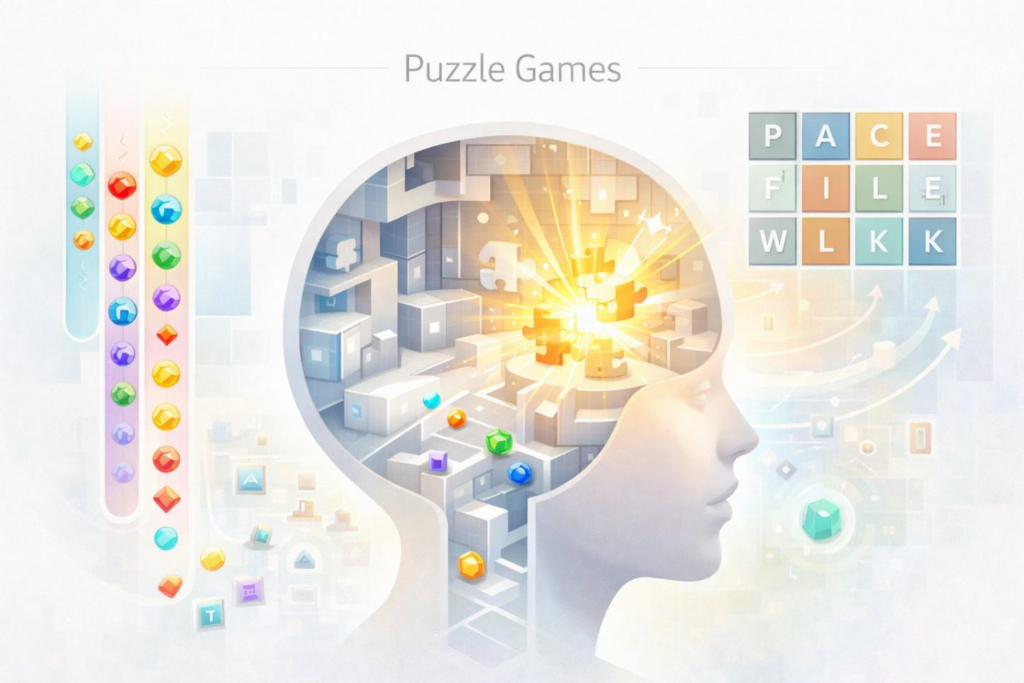
Data from the mobile gaming sector—which currently represents a market value exceeding $90 billion—demonstrates that the most successful titles do not rely on generic points. Instead, they leverage specific psychological frameworks. For instance, the "Strategy and 4X" genre (e.g., Civilization or Whiteout Survival) generates billions in annual revenue by focusing on long-term planning, system mastery, and social interdependence. Conversely, "Puzzle" games (e.g., Royal Match) prioritize the "aha!" moment of insight, creating a cycle of immediate cognitive satisfaction that keeps users engaged for years.
Taxonomy of Psychological Hooks: A Strategic Breakdown
To implement Gamification 2.0, product teams must first categorize their user journey into one of the following psychological frameworks:
1. The RPG and Narrative-Driven Framework
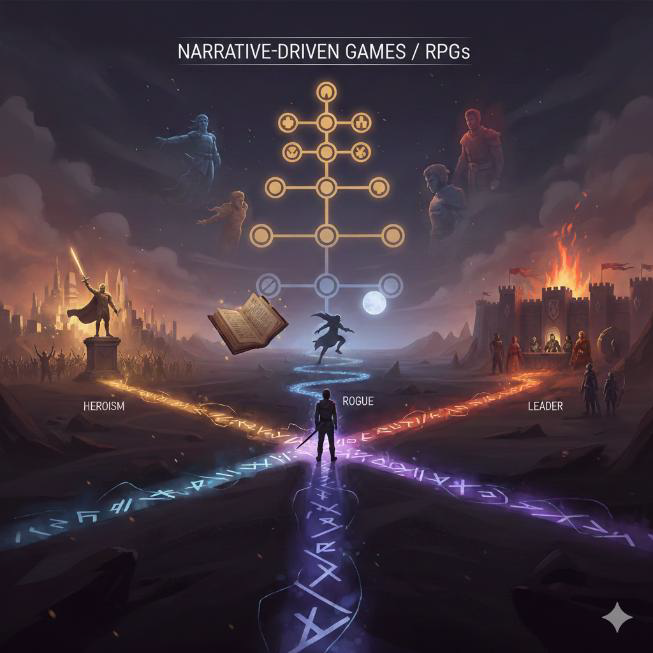
Users who gravitate toward RPGs seek character growth and identity. In a professional or educational app, this means replacing the standard "progress bar" with a narrative arc. Instead of telling a user they have reached "Level 5," an application should frame that milestone as the acquisition of a new capability—such as the ability to navigate a professional negotiation or solve a complex data problem. This transforms the user from a passive consumer of tasks into an active protagonist in their own development.
2. The Twitch-Action and Mastery Framework
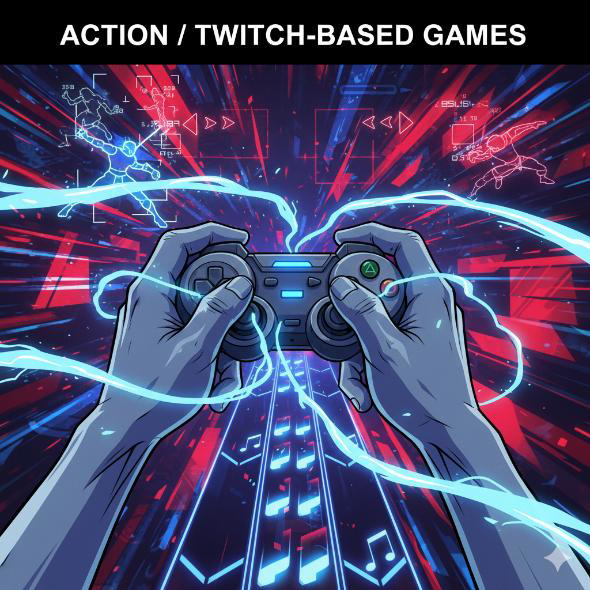
The "Action" genre focuses on motor precision and immediate feedback. For productivity or health-tracking apps, the lesson is clear: the interaction itself must be inherently satisfying. This is often referred to in game design as "juice." If logging a workout or entering a task feels laborious, no amount of gamified rewards can compensate. By incorporating haptic feedback, responsive animations, and immediate sensory confirmation, developers can make the core interaction a pleasurable habit rather than a chore.
3. The Strategy and Systemic Framework
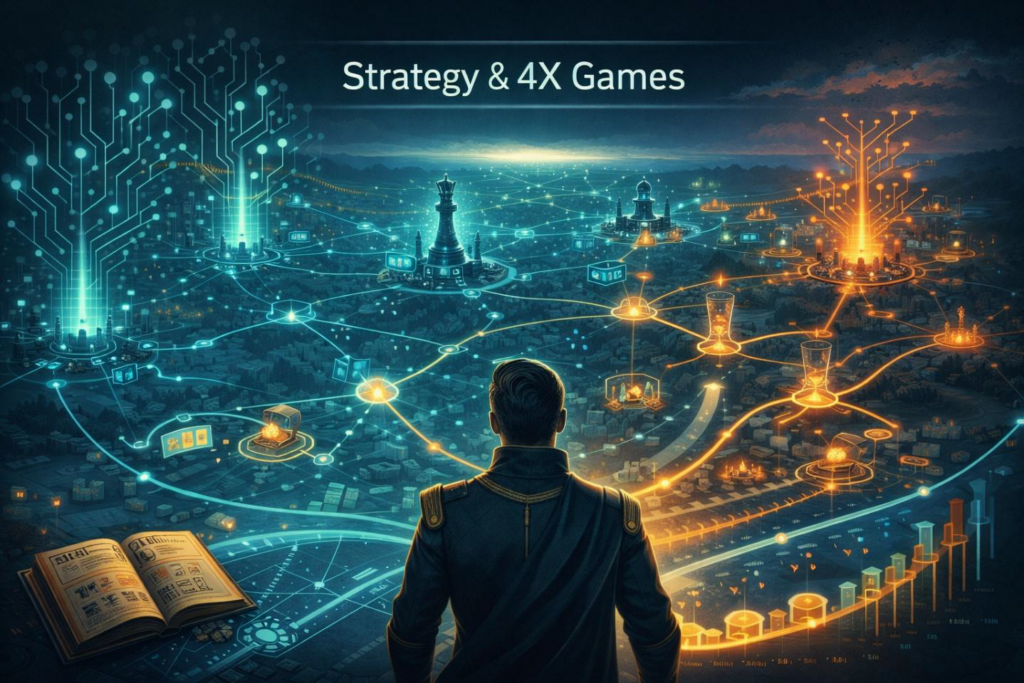
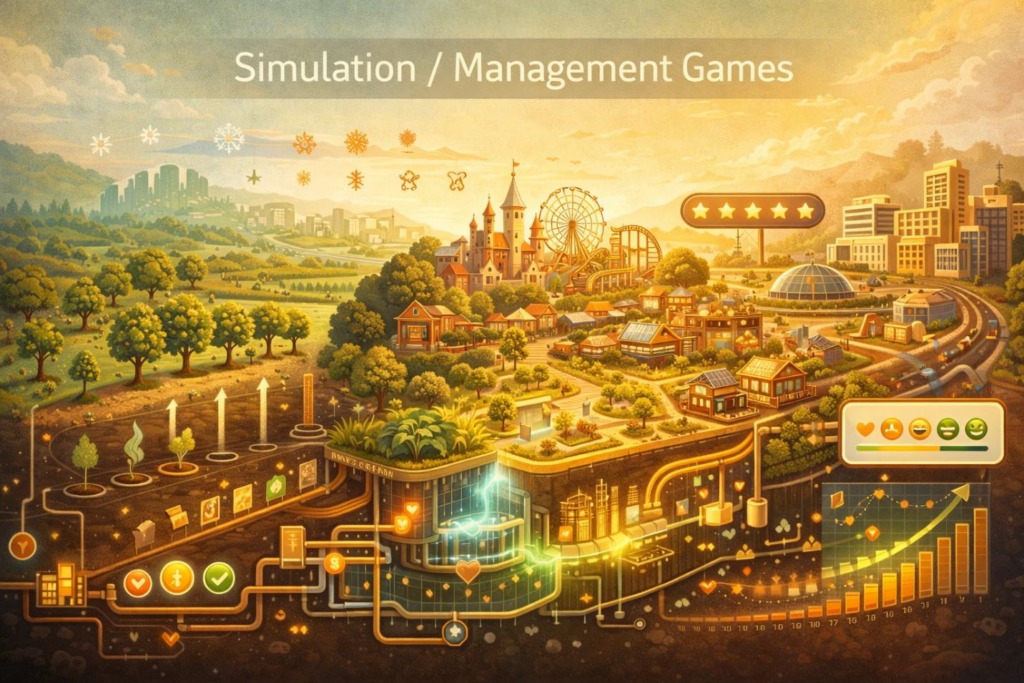
Strategy games rely on long-term compounding growth and the impact of choices. When applied to financial or project management software, this requires moving away from linear to-do lists toward "tech tree" models. Users should be able to visualize how their current decisions—such as saving a specific amount or prioritizing a project task—will unlock future possibilities. This creates a sense of agency and strategic ownership that is far more compelling than static gamification.
4. The Sandbox and Agency Framework
Perhaps the most misunderstood genre, the "Sandbox" model (e.g., Minecraft or Notion) provides users with a set of tools and the freedom to define their own success. This framework is essential for professional tools where users require flexibility. By providing modular building blocks rather than rigid, prescribed workflows, developers allow users to construct systems that fit their specific needs, leading to higher "stickiness" and long-term retention.
Data-Driven Implications for Product Development
Recent studies in behavioral economics suggest that the shift toward intrinsic motivation—where the activity itself is the reward—is the primary driver for retention. According to data from industry analysts at Newzoo, games that emphasize social cohesion and cooperative "guild" mechanics show a 40% higher retention rate compared to those that focus solely on individual leaderboards.
This is particularly relevant for the professional sector. Applications like Slack or Notion have effectively adopted sandbox and social principles, allowing users to define their internal hierarchies and workflows. The result is a user base that feels a sense of ownership, or "endowment effect," where they are less likely to migrate to competitors because they have invested time in building their own customized digital environment.
Expert Analysis and Industry Response
Leading design firms and product consultants have begun advising clients to audit their existing gamification features. The critique is consistent: if a feature can be removed without the user noticing a loss in functionality or enjoyment, it is not "gamification"—it is "feature clutter."
Industry experts argue that the most successful products of the next decade will be those that treat the user journey as a curated experience. For example, a language-learning app that utilizes "puzzle-style" deductive reasoning instead of rote memorization sees higher completion rates for complex grammar topics. By forcing the user to engage in "deliberate practice," these apps ensure that the user feels a sense of accomplishment that is rooted in real-world competence rather than virtual badges.
Broader Impacts and Future Outlook
The implications of this shift are profound for the software industry. We are moving away from an era of "engagement at any cost"—characterized by push notifications and intrusive streak counters—toward an era of "meaningful engagement."
This transition involves several key strategic pivots:
- From Competition to Cooperation: Moving away from global leaderboards that alienate the bottom 99% and toward team-based, cooperative objectives that foster accountability.
- From Linear Progress to Emergent Gameplay: Allowing users to choose their own paths and discover system depth at their own pace.
- From Rewards to Feedback Loops: Prioritizing clear, immediate communication of progress over the distribution of virtual currency or badges.
As the digital market becomes increasingly saturated, the "Gamification 2.0" framework provides a roadmap for sustainable growth. Products that fail to adopt these genre-specific psychological hooks risk being labeled as "engagement-lite," while those that successfully integrate these principles will likely define the next generation of user experience.
Ultimately, the goal is not to trick users into spending more time in an application, but to structure that time so it is more rewarding, productive, and satisfying. Whether through the lens of a strategy game’s long-term planning, a puzzle game’s intellectual challenge, or a sandbox game’s creative freedom, the future of product design lies in understanding the human motivation behind the mechanics. As the digital ecosystem matures, the companies that thrive will be those that stop playing games with their users and start designing experiences that genuinely resonate with the human psyche.
Related posts: