
Best Hikes In Yosemite National Park

The Best Hikes in Yosemite National Park: A Comprehensive Guide
Yosemite National Park, a UNESCO World Heritage Site, beckons adventurers with its iconic granite monoliths, cascading waterfalls, ancient sequoia groves, and diverse wilderness. For hikers, Yosemite offers an unparalleled experience, a tapestry of trails catering to every skill level and desire. From strenuous climbs to the Valley floor’s gentle strolls, this guide details the most rewarding hikes, focusing on their unique characteristics, difficulty, accessibility, and the breathtaking vistas they unveil. Understanding these trails is crucial for planning an unforgettable Yosemite adventure, maximizing your time in this natural wonderland, and ensuring you encounter its most spectacular offerings. SEO optimization for this content involves strategic keyword integration, detailed descriptions, and clear categorization, making it a valuable resource for anyone seeking to explore Yosemite’s best hiking trails.
Iconic Yosemite Valley Hikes: Waterfalls, Granite Giants, and Panoramic Views
The heart of Yosemite National Park, Yosemite Valley, is a hiker’s paradise, offering immediate access to some of the world’s most famous natural landmarks. These trails, though often crowded, are essential for any first-time visitor and deliver consistently awe-inspiring experiences.
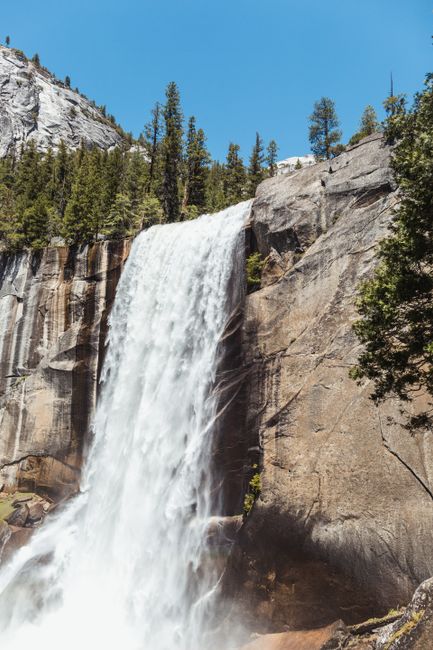
1. Mist Trail to Vernal and Nevada Falls: Arguably Yosemite’s most celebrated hike, the Mist Trail is an immersive experience in the raw power and beauty of its waterfalls. The trail begins at the Happy Isles trailhead, a short walk from the Yosemite Valley shuttle stop. The initial paved section leads to the Vernal Fall footbridge, offering a tantalizing preview of the waterfall. From here, the trail becomes strenuous and wet, especially during spring and early summer when snowmelt fuels the falls. Hikers ascend a steep granite staircase, often slick with mist, hence the trail’s name. Reaching the top of Vernal Fall provides a magnificent reward: an up-close perspective of the 317-foot cascade. For those seeking a greater challenge, continuing on the Mist Trail to Nevada Fall is highly recommended. This section is equally demanding, involving more granite steps and switchbacks. Nevada Fall, a powerful 594-foot plunge, is a sight to behold, and the surrounding scenery is equally spectacular. The loop back via the John Muir Trail offers a different perspective and a slightly less strenuous descent, allowing hikers to admire the falls from afar. This trail is popular, so arriving early is advised to avoid crowds and secure parking. The elevation gain to Vernal Fall is approximately 1,000 feet, and to Nevada Fall, around 2,000 feet. Both trails are well-maintained but require sturdy footwear and water. Hiking the full loop to Nevada Fall and back via the John Muir Trail is roughly 7 miles roundtrip and can take 5-7 hours.
2. Yosemite Falls Trail: This iconic hike takes you to the top of North America’s tallest waterfall, Yosemite Falls. The trailhead is located at the base of Yosemite Falls. The Yosemite Falls Trail is a strenuous, relentless climb, primarily composed of switchbacks carved into the granite. It’s a challenging ascent, averaging a 2,700-foot elevation gain over approximately 3.6 miles one-way. The trail is well-maintained but steep, demanding good physical condition and plenty of water. As you ascend, the roar of the waterfall grows louder, and glimpses of its immense power become more frequent. The trail culminates at the Yosemite Falls viewpoint, offering breathtaking panoramic views of Yosemite Valley, Half Dome, and surrounding peaks. The sheer drop of the Upper Yosemite Fall is an astonishing sight, and you can feel the spray from the falls on windy days. It’s possible to continue further to Yosemite Point for even more expansive views, but the primary objective for most is the top of the falls. This hike is best enjoyed in spring and early summer when the falls are at their fullest. The roundtrip hike to the top of Yosemite Falls is about 7.2 miles and can take 6-8 hours.
3. Mirror Lake Loop: For a more accessible and less strenuous experience in Yosemite Valley, the Mirror Lake Loop is an excellent choice. This easy, mostly flat trail offers stunning reflections of the surrounding cliffs and Half Dome in the tranquil waters of Mirror Lake, especially in spring and early summer. The trailhead is located near the shuttle stop at loop 17. The paved path initially follows Tenaya Creek, leading to the lake. The loop itself can be completed in about 2 miles, making it a leisurely walk suitable for families and those seeking a relaxed introduction to Yosemite’s beauty. During drier periods, Mirror Lake may recede, revealing a sandy creek bed, but the scenic views of the surrounding granite walls remain impressive. The reflections are most prominent when water levels are high and the wind is calm. It’s a fantastic spot for photography and picnicking. The loop can be extended by continuing further along the creek for more solitude and different perspectives. The elevation gain is minimal, making it accessible to almost everyone. The full loop is approximately 5 miles if you choose to go further up Tenaya Canyon, but the core Mirror Lake experience is much shorter.
4. Lower Yosemite Fall Trail: This paved, accessible loop trail offers an easy and rewarding experience to the base of Lower Yosemite Fall. It is ideal for those with mobility issues, families with strollers, or anyone looking for a short, scenic walk. The trailhead is located near the Yosemite Valley Visitor Center. The .5-mile loop is wide and relatively flat, providing stunning views of the magnificent Lower Yosemite Fall. You can feel the mist from the falls and hear its thunderous roar, offering a powerful sensory experience without a strenuous hike. This is a popular spot, so expect company, but the accessibility and sheer beauty make it a must-do for any visitor to Yosemite Valley.
High Country Adventures: Alpine Lakes, Granite Summits, and Dramatic Landscapes
Venturing beyond Yosemite Valley opens up a world of alpine beauty, where granite domes give way to subalpine meadows, pristine lakes, and a sense of profound wilderness. These high-country hikes often require more planning and are best enjoyed during the summer months when Tioga Road is open.
5. Cathedral Lakes Trail: This classic high-country hike leads to two stunning alpine lakes nestled beneath the imposing granite spires of Cathedral Peak. The trailhead is located off Tioga Road, near Tuolumne Meadows. The trail is moderately strenuous, with an elevation gain of approximately 1,000 feet over about 3.5 miles one-way to the Upper Cathedral Lake. The initial section is a steady climb through lodgepole pine forests before opening up to meadows and granite outcroppings. The Lower Cathedral Lake is a beautiful stop, but the Upper Cathedral Lake is the ultimate destination, offering a picturesque setting for a picnic or a refreshing dip (for the brave!). The views of Cathedral Peak reflected in the calm waters are iconic. This hike is incredibly popular, so starting early is essential to find parking and enjoy the tranquility of the lakes. The roundtrip hike to Upper Cathedral Lake is about 7 miles and can take 4-6 hours.
6. Lembert Dome Trail: Offering a 360-degree panoramic view of Tuolumne Meadows and the surrounding High Sierra, the Lembert Dome Trail is a rewarding climb for moderate hikers. The trailhead is located at the eastern end of Tuolumne Meadows, near the ranger station. The trail is about 2.8 miles roundtrip with an elevation gain of around 900 feet. The final ascent to the summit of Lembert Dome involves scrambling over smooth granite. While not technically difficult, it requires a good sense of balance and comfort with heights. The reward is an unparalleled vista of the vast, rolling meadows, the winding Tuolumne River, and distant granite peaks. This hike is best enjoyed on a clear day for maximum visibility.
7. Gaylor Lakes Trail: This relatively short but steep hike rewards adventurers with a series of breathtaking alpine lakes and stunning mountain vistas. The trailhead is located off Tioga Road, just east of the Tioga Pass Entrance Station. The trail gains about 500 feet in just over a mile one-way, making it a good option for those seeking a taste of the high country without an all-day commitment. The trail leads to the beautiful Gaylor Lakes, with their crystal-clear waters reflecting the surrounding peaks. The views from the upper lakes are spectacular, encompassing a wide swathe of the Yosemite high country. The area is known for its wildflowers in late spring and summer. This hike can be combined with exploring the historic Gaylor Mine remnants. The roundtrip hike is approximately 2 miles and can take 2-3 hours.
Giant Sequoia Groves: Ancient Majesty and Tranquil Walks
Yosemite is home to several groves of giant sequoias, the world’s largest trees by volume. These groves offer a different kind of awe, a sense of stepping back in time amidst these ancient, colossal beings.
8. Mariposa Grove of Giant Sequoias: The Mariposa Grove, located near the southern entrance of Yosemite, is the park’s largest and most famous sequoia grove. A shuttle bus operates from a parking area near the south entrance to the grove, making access convenient. Numerous well-maintained trails wind through the grove, catering to various fitness levels. The most popular is the Big Trees Loop Trail, a 0.3-mile paved loop that showcases the Grizzly Giant and the California Tunnel Tree. For a more extensive exploration, the Grizzly Giant Loop Trail extends to 2 miles, offering a deeper immersion into the grove. Further afield, the Guardians Loop Trail (6.5 miles roundtrip) takes you to the upper grove, offering a more secluded experience and the chance to see the Faithful Couple and the Telescope Tree. Hiking among these ancient giants, some over 3,000 years old, is a humbling and unforgettable experience. The sheer scale and resilience of these trees are awe-inspiring, and the quiet solitude of the grove provides a profound connection to nature.
9. Tuolumne Grove of Giant Sequoias: Located off Tioga Road, the Tuolumne Grove offers a more intimate encounter with giant sequoias. The trailhead is about a mile from Tioga Road, and the hike down to the grove is approximately 2.5 miles roundtrip with a moderate descent and ascent. The grove features about two dozen mature giant sequoias, including a tunnel tree that visitors can walk through. The hike back up can be challenging, but the reward is a less crowded experience and the opportunity to marvel at these ancient trees in a more serene setting.
10. Merced Grove of Giant Sequoias: The smallest and most secluded of Yosemite’s sequoia groves, the Merced Grove is accessed via a 3-mile roundtrip hike from a trailhead off Big Oak Flat Road. The descent is steep, and the climb back up can be strenuous. However, for those seeking solitude and a less-visited sequoia experience, this grove is ideal. It features approximately 20 mature giant sequoias, offering a peaceful and reflective hiking experience.
Wilderness and Backpacking: Extended Explorations and Remote Beauty
For those seeking to escape the crowds and immerse themselves in Yosemite’s vast wilderness, backpacking trips offer unparalleled opportunities for adventure. These require permits and extensive preparation.
11. Half Dome Cables Hike: The ultimate Yosemite challenge, hiking to the summit of Half Dome via the cables is an iconic and demanding undertaking. This hike requires a wilderness permit obtained through a lottery system, as the number of daily visitors is strictly limited. The hike is approximately 14-16 miles roundtrip, depending on the starting point (typically Happy Isles), with a significant elevation gain of about 4,800 feet. The trail ascends the Mist Trail or John Muir Trail to the base of Half Dome, then involves a strenuous climb up a steep granite face aided by two steel cables. This section is not for the faint of heart, requiring excellent physical condition, a strong head for heights, and gloves for grip. The panoramic views from the summit are legendary, offering a unique perspective of Yosemite Valley and the surrounding Sierra Nevada. This hike is typically undertaken as a strenuous day hike or an overnight backpacking trip, though permits for overnight stays are even more difficult to secure.
12. Clouds Rest Trail: Often overshadowed by its more famous neighbor, Half Dome, Clouds Rest offers arguably even more spectacular 360-degree views without the permit hassle and the sheer intensity of the cable section. The trailhead is located in Yosemite Valley, typically starting from Yosemite Village or the Yosemite Falls trailhead. The hike is approximately 14.5 miles roundtrip with a substantial elevation gain of around 5,500 feet. The trail gradually climbs through forests before opening up to dramatic granite ridges. The final ascent to the summit of Clouds Rest involves a narrow, exposed ridge with sheer drop-offs on either side, requiring caution and comfort with heights. The unobstructed views from the summit are breathtaking, encompassing Yosemite Valley, Half Dome, the High Sierra, and beyond. This is a challenging but incredibly rewarding hike, often considered one of the best in Yosemite.
Essential Hiking Tips for Yosemite National Park:
- Permits: For overnight backpacking trips and the Half Dome cables hike, permits are mandatory and often require advance reservation through a lottery system.
- Water: Carry ample water, especially on strenuous hikes. Water sources can be unreliable, and dehydration is a serious risk. Filtration or purification is recommended for any natural water sources.
- Footwear: Sturdy, broken-in hiking boots are essential for most Yosemite trails, providing ankle support and traction on varied terrain.
- Layered Clothing: Weather in Yosemite can change rapidly, even in summer. Layering your clothing allows you to adapt to fluctuating temperatures.
- Sun Protection: The sun at higher elevations is intense. Use sunscreen, wear a hat, and sunglasses.
- Bear Safety: Yosemite is bear country. Store food properly in bear-resistant containers, and know how to react if you encounter a bear.
- Leave No Trace: Pack out everything you pack in, stay on designated trails, and minimize your impact on the environment.
- Shuttle System: Utilize Yosemite Valley’s free shuttle system to access trailheads and avoid parking challenges.
- Trail Conditions: Check current trail conditions and weather forecasts before your hike. Websites and visitor centers provide valuable up-to-date information.
- Start Early: Popular trails can become very crowded, especially during peak season. Arriving early maximizes your chances of finding parking and enjoying a more peaceful hiking experience.
Yosemite National Park is a hiker’s dream, offering an incredible diversity of landscapes and challenges. By understanding the unique attributes of these top hikes, visitors can plan an itinerary that aligns with their fitness levels and interests, ensuring an unforgettable journey through one of America’s most treasured natural wonders. This comprehensive guide, optimized with relevant keywords, aims to empower hikers with the knowledge to explore the best trails Yosemite has to offer, from the iconic waterfalls of the Valley to the serene beauty of its high alpine lakes and the ancient majesty of its sequoia groves.


