
Best Hikes In Bora Bora

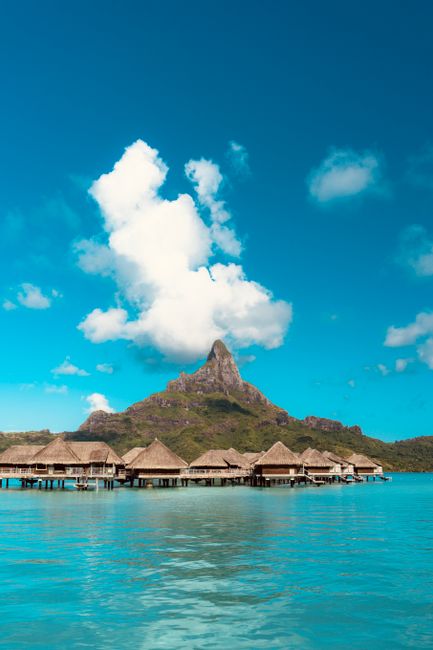
Bora Bora’s Best Hikes: Conquer Volcanic Peaks for Unrivaled Island Vistas
Bora Bora, renowned for its turquoise lagoons and overwater bungalows, also harbors a wilder, more adventurous side accessible through its network of hiking trails. While not as extensively developed as some mountain destinations, the island’s volcanic origins have carved dramatic landscapes that offer rewarding treks for those seeking to escape the resort crowds and experience a different perspective of this South Pacific paradise. These hikes primarily center around Mount Otemanu and Mount Pahia, the island’s twin volcanic remnants, and provide opportunities to witness lush interior rainforests, cascading waterfalls, and breathtaking panoramic views of the iconic lagoon and surrounding motus. Understanding the terrain, necessary preparations, and the unique rewards of each trail is crucial for a successful and memorable hiking experience in Bora Bora.
Conquering Mount Otemanu: The Ultimate Bora Bora Hiking Challenge
Mount Otemanu, the island’s most prominent landmark, is an extinct volcano that dominates the Bora Bora skyline. While a full ascent to its summit is not typically possible due to sheer cliffs and hazardous terrain, several trails lead to accessible viewpoints that offer unparalleled vistas. The most popular and arguably the most rewarding hike on Bora Bora is the trail that approaches the base of Mount Otemanu, often referred to as the Mount Otemanu hike or the "Panoramic View" trail. This challenging trek requires a good level of fitness and is best undertaken with a local guide who is knowledgeable about the terrain and potential hazards. Guides are not only invaluable for navigation, especially on less-marked sections, but also for sharing insights into the island’s flora, fauna, and cultural significance of the mountain. The trail is steep and can be slippery, particularly after rain, so sturdy hiking boots with good grip are essential. Expect a journey through dense tropical vegetation, with opportunities to spot vibrant birdlife and unique plant species. The air can be humid and the climb demanding, so carrying plenty of water is non-negotiable. Trekking poles can also provide valuable assistance on the ascents and descents.
The reward for this strenuous effort is an awe-inspiring panorama that unfurls as you ascend. The trail culminates at viewpoints that offer a 360-degree spectacle. Below, the impossibly blue lagoon stretches out, a vibrant tapestry of coral gardens, sandy patches, and channels teeming with marine life. The iconic overwater bungalows, often seen from afar, appear as miniature jewels scattered across the water’s surface. The surrounding coral islands, or motus, dot the lagoon, creating a mosaic of greens and blues. Looking inland, the lush, verdant slopes of Mount Otemanu rise dramatically, their jagged peaks often shrouded in wisps of cloud, adding an air of mystique. The sheer scale of the landscape from these vantage points is humbling and provides a profound appreciation for Bora Bora’s natural grandeur, far beyond the typical resort experience. Sunset from these viewpoints can be particularly spectacular, painting the sky in hues of orange, pink, and purple, reflecting on the tranquil waters below. It’s a photographic opportunity unlike any other and a truly unforgettable memory.
Mount Pahia: A Steeper, More Intimate Island Ascent
Mount Pahia, the smaller of Bora Bora’s two volcanic peaks, also offers a rewarding hiking experience, often considered a more challenging but perhaps more intimate ascent than the Otemanu trails. While Mount Otemanu’s trails often lead to viewpoints that showcase the wider island, the Pahia hike tends to immerse the hiker more deeply into the volcanic interior. This trail is known for its steeper gradients and more rugged terrain, demanding a higher level of physical exertion. Again, engaging a local guide is highly recommended, not only for safety and navigation but also for their expertise in identifying endemic plant and animal life. The trail winds through dense jungle, where the air is thick with the scent of tropical flowers and the sounds of unseen creatures. Sunlight filters through the canopy, creating dappled patterns on the forest floor. The path can be uneven, with exposed roots and loose scree, requiring careful footing.
The summit of Mount Pahia, while less iconic than Otemanu from afar, provides a truly spectacular reward. The panoramic views from the top are breathtaking, offering a different, yet equally stunning, perspective of the island. You’ll gain an intimate view of the island’s interior, with its rolling hills and dense vegetation stretching out before you. The lagoon below appears as a shimmering turquoise jewel, and you can discern the distinct outlines of the barrier reef that protects it. The surrounding motus seem closer, and the vast expanse of the Pacific Ocean stretches to the horizon. Unlike the more frequented Otemanu viewpoints, the summit of Pahia can offer a sense of solitude and a more profound connection with the raw, untamed beauty of Bora Bora. The effort expended on the steep climb is repaid tenfold by the feeling of accomplishment and the unparalleled natural beauty that surrounds you. It’s a hike for those who relish a physical challenge and seek a more profound engagement with the island’s wild heart.
Exploring the Interior: Waterfalls and Hidden Valleys
Beyond the main volcanic peaks, Bora Bora’s interior offers a network of less-defined trails that lead to hidden waterfalls, lush valleys, and secluded natural pools. These hikes are often more about exploration and discovery than reaching a specific summit, and they are best undertaken with a guide who can navigate the less-trafficked paths. One such highlight is the discovery of a beautiful waterfall cascading into a clear pool, offering a refreshing opportunity for a swim after a humid trek. The journey to these natural wonders often involves navigating through thick vegetation, crossing small streams, and clambering over moss-covered rocks. The experience is one of stepping back in time, surrounded by the primal beauty of a tropical rainforest.
These interior hikes provide a stark contrast to the manicured perfection of the resorts. You’ll encounter the true wildness of Bora Bora, with its untamed flora and the constant hum of insect and bird life. The air is cooler and more humid in the dense jungle, and the sounds of water, whether from distant streams or the roaring of a waterfall, are a constant companion. Guides can often identify edible plants and explain their traditional uses, adding an educational dimension to the adventure. These hikes are ideal for those seeking a more immersive and off-the-beaten-path experience, allowing them to connect with the natural rhythms of the island and discover its hidden ecological treasures. The sense of accomplishment comes not from reaching a famous peak, but from the journey itself and the discovery of nature’s secluded sanctuaries.
Practical Preparations for Bora Bora Hikes
Successful and enjoyable hiking in Bora Bora necessitates thorough preparation. Given Bora Bora’s tropical climate, humidity is a constant factor, and temperatures can be high. Therefore, hydration is paramount. Carry ample water, far more than you think you’ll need, and consider carrying electrolyte supplements to replenish lost salts. Sun protection is also crucial. Wear a wide-brimmed hat, sunglasses, and apply high-SPF sunscreen liberally and often. Appropriate footwear is non-negotiable. Sturdy, broken-in hiking boots with excellent ankle support and a good grip are essential, especially for the steep and sometimes slippery trails. Lightweight, moisture-wicking clothing is advisable to manage sweat and stay comfortable. Long sleeves and trousers can offer protection from the sun, insects, and potential scrapes from vegetation.
Insect repellent is vital, particularly during dawn and dusk, to ward off mosquitoes and other biting insects. Carrying a basic first-aid kit with bandages, antiseptic wipes, pain relievers, and any personal medications is always a prudent measure. A small backpack is necessary to carry your water, snacks, first-aid kit, and other essentials. Snacks such as energy bars, dried fruit, and nuts will provide sustenance during longer treks. For navigation, while guides are recommended, having a basic map or using a GPS-enabled app on your phone can be helpful, though reception can be unreliable in some areas. It’s also wise to inform someone of your hiking plans, including your intended route and expected return time. Lastly, consider the best time of year to hike. The dry season, generally from May to October, offers more favorable weather conditions with less rain and lower humidity, making hiking more pleasant. However, even in the dry season, rain showers can occur, so preparedness for all weather is wise.
Hiring Local Guides: Essential for Safety and Insight
For all significant hikes in Bora Bora, particularly those involving Mount Otemanu and Mount Pahia, hiring a local guide is not just recommended; it’s essential. These guides possess intimate knowledge of the island’s terrain, including the safest and most efficient routes. They are adept at navigating unmarked or overgrown paths, crucial in the dense tropical environment. Their expertise extends to identifying potential hazards, such as slippery sections, unstable ground, and poisonous plants.
Beyond safety, local guides enhance the hiking experience immeasurably. They are a living repository of cultural and historical knowledge, sharing stories about the mountains, the island’s flora and fauna, and traditional Polynesian life. This cultural immersion adds a profound dimension to the hike, transforming it from a physical challenge into a rich educational journey. They can point out endemic plant species, explain their medicinal or practical uses, and identify bird calls, offering a deeper understanding of Bora Bora’s ecosystem. Furthermore, by employing local guides, you directly support the island’s economy and its people, ensuring that tourism benefits the community. Always seek out reputable guides through your accommodation or trusted local tour operators to ensure a safe, informative, and authentic experience. Their guidance is key to unlocking the full potential of Bora Bora’s spectacular hiking trails.


