
Why You Shouldnt Leave Your Luggage On The Floor

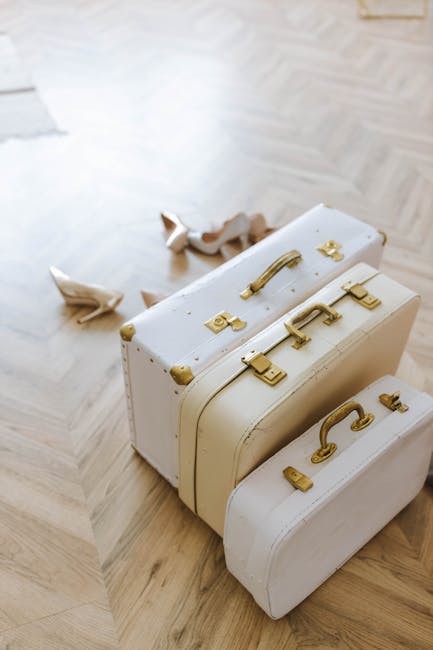
The Perils of the Floor: Why Your Luggage Deserves Better
Leaving luggage on the floor, a seemingly innocuous and often convenient practice, harbors a surprising array of potential risks and disadvantages that extend far beyond mere aesthetics. This habit, prevalent in hotel rooms, airports, and even one’s own home, subjects your valuable possessions to a cascade of detrimental consequences, impacting their physical integrity, hygiene, security, and your overall travel experience. Understanding these repercussions is paramount to fostering a more mindful approach to luggage placement and safeguarding your belongings.
The most immediate and tangible threat to luggage placed on the floor is the direct exposure to dirt, dust, and grime. Floors, by their very nature, are high-traffic areas. In hotels, this means countless shoes have trod upon them, bringing with them outdoor debris, microscopic particles, and potentially unseen contaminants. Airports are notorious for their extensive and often heavily trafficked surfaces, where dropped food, spilled drinks, and general foot traffic contribute to a perpetually soiled environment. Even in your own home, floors accumulate dust, pet dander, and various allergens. When luggage rests directly on these surfaces, its exterior, particularly the wheels and the lower sections of fabric or hard shells, acts as a magnet for this accumulated filth. This ingress of dirt is not merely an aesthetic concern; it can penetrate fabric weaves, accumulate in crevices, and even be tracked into clean spaces when the luggage is subsequently moved. The wheels, in particular, become conduits for this grime, picking it up and depositing it on cleaner surfaces, thus spreading the contamination. Over time, this constant exposure can lead to the permanent discoloration and degradation of your luggage material, making it appear older and more worn than it actually is.
Beyond superficial dirt, the floor presents a significant risk of moisture and liquid damage. Spilled drinks, cleaning solutions, leaks from plumbing, or even residual moisture from cleaning the floor can all saturate luggage left at ground level. Fabric luggage is particularly vulnerable, as it can absorb moisture, leading to the development of mold and mildew. This not only creates an unpleasant odor but also compromises the structural integrity of the luggage, potentially damaging its contents. Hard-shell luggage, while more resistant to absorption, can still suffer from water stains and the ingress of moisture into zippers and seams, which can then affect the items stored inside. Furthermore, residual cleaning chemicals on the floor can react with luggage materials, causing discoloration or weakening the fabric. In humid environments, even ambient moisture can contribute to dampness when luggage is in prolonged contact with the floor.
The structural integrity of your luggage can also be compromised by prolonged floor placement. Hard-shell luggage, especially when subjected to minor impacts or pressure from being bumped against, can develop stress fractures or cracks when resting directly on a hard surface. Fabric luggage, particularly softer varieties, can suffer from abrasion and wear on its underside, especially in high-traffic areas where it might be inadvertently scuffed or dragged. The constant weight of the luggage itself, when distributed directly onto the floor, can also contribute to the gradual deformation of its structure over time, particularly around the base and wheels. This is especially true for older or less robust luggage.
Hygiene is a critical, yet often overlooked, aspect of leaving luggage on the floor. Floors are breeding grounds for bacteria, viruses, and other microorganisms. When luggage is placed directly on these surfaces, it becomes a passive recipient of this microbial load. Imagine placing your suitcase, which will later hold your clean clothes, directly onto a surface that may have been in contact with shoes that have walked through public restrooms, contaminated streets, or even areas with pet waste. This transfer of germs is a direct threat to your personal hygiene. Once contaminated, this grime and these microorganisms can be transferred to your clothing, toiletries, and other personal items stored within the luggage. This can lead to unpleasant odors, potential skin irritations, and even the spread of illness, particularly during travel when your immune system may already be stressed.
Security is another significant concern. Luggage left on the floor, particularly in public spaces like airports or train stations, is more vulnerable to theft or tampering. It is more easily accessible to opportunistic individuals, and its proximity to the floor can make it appear less conspicuous or valuable than if it were elevated. In busy environments, a bag on the floor can be easily mistaken, swapped, or even subtly opened by a pickpocket. Furthermore, unattended luggage on the floor can raise security concerns for others, potentially leading to it being flagged as suspicious and subjected to unwanted scrutiny or even confiscation by security personnel. Elevating your luggage, even slightly, can deter casual theft and make it more visible and noticeable, thus enhancing its security.
The aesthetic and organizational impact of luggage on the floor should not be dismissed. In hotel rooms, a sprawling suitcase on the floor can make a small space feel even more cramped and chaotic. It obstructs pathways, creates tripping hazards, and detracts from the overall tidiness and perceived luxury of the environment. Similarly, in homes, luggage strewn across the floor can contribute to a cluttered and uninviting atmosphere. Many hotels provide luggage racks precisely for this reason – to elevate your belongings, create a more organized space, and protect the floor from wear and tear. Utilizing these racks is a simple yet effective way to maintain order and a sense of calm.
The longevity and condition of your luggage are directly influenced by how it is stored and handled. Consistently leaving luggage on the floor, subject to all the aforementioned risks, will inevitably accelerate its deterioration. The constant exposure to dirt, moisture, abrasion, and potential impacts will lead to premature wear and tear, reducing its lifespan and its ability to protect your belongings effectively. Investing in quality luggage is a significant expenditure, and treating it with care by elevating it from the floor is a crucial step in preserving that investment for years to come.
The convenience factor, often cited as a reason for leaving luggage on the floor, is a short-sighted justification. The minor effort required to place luggage on a rack, a chair, or even a designated corner of the room is a negligible investment compared to the potential damage, hygiene issues, and security risks incurred by floor placement. Moreover, the readily available solution of a luggage rack in most accommodations negates this argument entirely. The perceived ease of simply dropping your bag can lead to a cascade of problems that far outweigh the momentary saved effort.
In conclusion, the practice of leaving luggage on the floor, while seemingly innocuous, is fraught with detrimental consequences. From the accumulation of dirt and moisture to the risks of structural damage, compromised hygiene, and diminished security, the floor is an inappropriate and damaging resting place for your valuable belongings. Prioritizing the elevation of your luggage, utilizing available amenities like luggage racks, and adopting a more mindful approach to storage will not only preserve the condition and longevity of your luggage but also contribute to a healthier, more organized, and more secure travel experience. The benefits of respecting your luggage by keeping it off the floor far outweigh any perceived convenience of leaving it there.


