Airline Seat Sizes And Legroom 2
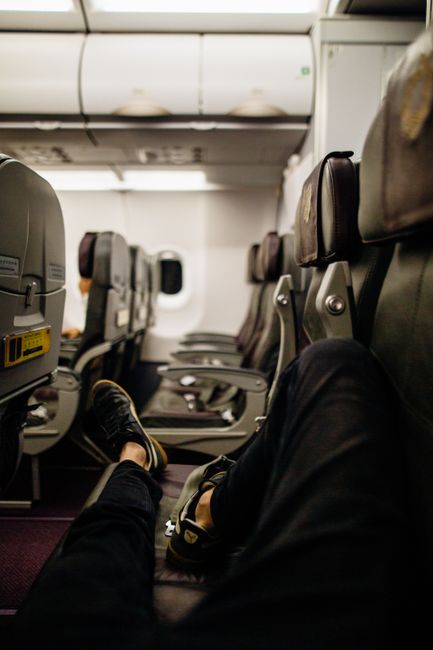
Airline Seat Size and Legroom: A Comprehensive Guide to Navigating Cabin Dimensions
Understanding airline seat size and legroom is paramount for any traveler seeking to optimize comfort and manage expectations during flights. This guide offers an in-depth exploration of cabin dimensions, differentiating between pitch, width, and recline, and examining how these metrics influence the passenger experience across various airlines and aircraft types. Beyond the raw numbers, we will delve into the factors influencing these measurements, strategies for maximizing personal space, and the implications for different traveler profiles. The goal is to equip readers with the knowledge to make informed decisions, from booking to boarding, ultimately enhancing their journey.
Seat pitch, often erroneously conflated with legroom, refers to the distance between a point on one seat and the identical point on the seat in front of it. This measurement is the primary determinant of how much space you have to extend your legs forward. It is crucial to distinguish pitch from the actual legroom available to an individual passenger. While pitch is a standardized cabin measurement, legroom is perceived and influenced by factors such as seat design, under-seat obstructions, and personal physique. Airlines often advertise pitch in inches, and a higher pitch generally translates to more legroom. However, the stated pitch can sometimes be misleading. For instance, a seat with a stated pitch of 31 inches might feel tighter than another with the same stated pitch due to differences in seat construction or the placement of tray tables and in-flight entertainment systems. Airlines have progressively reduced seat pitch over the years to accommodate more passengers, a trend driven by economic considerations. The average seat pitch in economy class on many mainline carriers has shrunk from over 33 inches in previous decades to 30-32 inches or even less on some ultra-low-cost carriers. This reduction has a significant impact on passenger comfort, particularly for taller individuals or those who prefer to stretch out during long-haul flights. When researching flights, looking for the stated seat pitch is a fundamental first step. However, it is also advisable to cross-reference this information with passenger reviews and specialized websites that track airline seat dimensions, as these often provide more granular data and real-world insights.
Seat width is another critical factor affecting passenger comfort, though it is often overlooked in favor of legroom discussions. Seat width refers to the usable space between the armrests of a single seat. Similar to pitch, seat width has also been subject to reductions by airlines seeking to maximize capacity. A wider seat provides more personal space and can make a significant difference in comfort, especially on longer flights or for passengers who are broader. The difference between a 17-inch seat and an 18-inch seat might seem marginal, but it can be the deciding factor between feeling cramped and feeling relatively comfortable. Factors influencing perceived seat width include the thickness of the armrests and the shape of the seat itself. Some modern seat designs feature slimmer armrests or a slightly contoured shape that can offer a greater sense of width. Conversely, older seat designs or seats with bulky armrests can feel considerably narrower. The standardization of aircraft models also plays a role. For example, seats on a Boeing 737 might have slightly different dimensions than those on an Airbus A320, even within the same airline. When evaluating seat width, consider not only the manufacturer’s specifications but also anecdotal evidence from fellow travelers. Online forums, travel blogs, and dedicated seat review websites can offer valuable perspectives on the actual width experienced in different cabins. For passengers who prioritize space and find narrower seats particularly uncomfortable, researching seat width becomes as important as researching pitch.
Seat recline is the final primary dimension affecting comfort, although its importance varies depending on the flight duration and passenger preferences. Recline refers to the degree to which a seat can tilt backward. While most economy class seats offer some degree of recline, the amount can vary significantly between airlines and aircraft. Ultra-low-cost carriers, in particular, often offer limited or even non-reclining seats in their most basic fare classes to save weight and increase seating capacity. The ability to recline can be crucial for sleeping or simply finding a more relaxed posture during a flight. However, the exercise of recline is also a source of passenger friction. Passengers in front who recline their seats can significantly reduce the legroom and perceived space of those behind them. This is why understanding the recline limitations and potential impact is important. Some airlines have implemented policies or seat designs that mitigate the impact of recline. For example, "pre-reclined" seats offer a fixed angle that doesn’t intrude on the space behind. Alternatively, some seats are designed with a mechanism that allows the seat pan to slide forward as the backrest tilts, preserving a more consistent distance to the seat in front. When choosing seats, particularly for overnight flights, researching the recline capabilities can be beneficial. While airlines rarely explicitly state the degree of recline in inches, passenger reviews and seat maps often provide insights into whether a seat offers ample recline, limited recline, or no recline at all.
The variability in airline seat sizes and legroom is not arbitrary; it is a complex interplay of economic, operational, and design factors. Aircraft manufacturers offer airlines a range of cabin configurations, and airlines make choices based on their business model and target market. For instance, airlines focused on premium services might opt for configurations with more generous seat pitch and width, even if it means carrying fewer passengers. Conversely, ultra-low-cost carriers prioritize maximizing passenger count per flight, leading to denser seating arrangements with reduced pitch and width. The type of aircraft also plays a role. Narrow-body aircraft, like the Boeing 737 and Airbus A320 families, typically have narrower cabins than wide-body aircraft, such as the Boeing 777 or Airbus A380. This can result in slightly different seat dimensions, even on the same airline. Furthermore, the age of the aircraft and its interior refurbishment can impact seat dimensions. Newer aircraft often feature more advanced and space-efficient seat designs, while older aircraft may retain bulkier, less optimized seating. The cabin layout itself, including the placement of galleys, lavatories, and emergency exits, also influences the availability of space for passenger seats. Rows in front of or behind emergency exit areas, for example, often offer increased legroom due to regulatory requirements for clear egress paths, though these seats may come with restrictions.
For passengers seeking to maximize their personal space, proactive strategies are essential. The most direct approach is to select seats with superior legroom. These are often found in exit rows, which, by law, must provide unobstructed space for emergency egress. While these seats typically come with a premium charge, the added comfort can be well worth the cost for many travelers. Additionally, seats at the front of the cabin, particularly in bulkhead rows (the rows directly behind a partition), can offer more legroom as they do not have seats in front of them. However, bulkhead seats often have fixed armrests and tray tables that are stored in the armrest, which can reduce seat width. They also lack under-seat storage space, as the space is utilized for life vests and other safety equipment. In the main cabin, some airlines designate "preferred" or "extra legroom" seats, which offer a few extra inches of pitch for an additional fee. Beyond booking, arriving at the gate early and politely inquiring if any unassigned seats with more space are available can sometimes yield positive results, though this is not guaranteed. For those traveling with children, understanding how car seats and bassinet positions affect legroom is also crucial. Certain seats are designated for the installation of car seats, and their placement can influence the space available to other passengers.
The rise of dedicated seat review websites and apps has been a boon for travelers seeking detailed information on airline seat dimensions. These platforms often aggregate data from multiple sources, including passenger-submitted reviews, airline specifications, and independent measurements. Websites like SeatGuru, SeatExpert, and AeroLuxe provide interactive seat maps that highlight specific seats to avoid and those that offer advantages in terms of pitch, width, recline, and proximity to lavatories or galleys. These resources can be invaluable for identifying seats that might be narrower, have limited recline, or face obstructions. When using these tools, pay attention to the date of the reviews and the specific aircraft configuration, as these can change over time due to airline refurbishments or fleet changes. Cross-referencing information from multiple sources is always recommended for the most accurate picture.
The impact of airline seat size and legroom varies considerably for different traveler profiles. Taller individuals, those with long legs, or passengers who experience discomfort from confined spaces will find pitch and width to be the most critical factors. For them, investing in extra legroom seats or prioritizing airlines known for more generous seat dimensions is a practical necessity. Conversely, for shorter individuals or those who do not experience significant discomfort from standard seating, the focus might shift more towards price and convenience. Parents traveling with young children need to consider space for car seats, bassinets, and the ability to easily access diaper bags and entertainment. Older passengers or those with mobility issues may prioritize seats closer to lavatories or aisles, as well as seats that are easier to egress from. Passengers who frequently fly for business might value the ability to work comfortably onboard, which is directly impacted by seat width and the availability of power outlets and tray table space. Understanding your personal needs and priorities will guide you in making the most informed seat selection decisions.
The future of airline seating is a topic of ongoing discussion and innovation. As airlines continue to face pressure to increase revenue, the trend towards denser seating configurations is likely to persist. However, there is also growing awareness among consumers about the impact of cramped seating on their travel experience. This has led to a demand for more transparency and options. Innovations in seat design are emerging, aiming to optimize space utilization without severely compromising comfort. These include lighter materials, more ergonomic shapes, and flexible configurations. The development of "smart seats" that can adjust to passenger preferences or provide personalized comfort settings is also a possibility. Furthermore, regulatory bodies and passenger advocacy groups are increasingly scrutinizing the adequacy of minimum seating standards. While significant legislative changes are slow to materialize, increased public discourse may eventually lead to some form of standardization or minimum requirement for seat dimensions. The ongoing evolution of aircraft technology and passenger expectations will undoubtedly continue to shape the landscape of airline seat size and legroom in the years to come.
In conclusion, a thorough understanding of airline seat size and legroom, encompassing pitch, width, and recline, is essential for navigating the complexities of air travel. The current industry trend favors maximizing passenger capacity, leading to progressively tighter seating arrangements. However, by arming yourself with knowledge about seat dimensions, utilizing available resources, and employing strategic booking and seating selection, travelers can significantly enhance their comfort. Prioritizing personal needs, whether it be for extended legroom, extra width, or convenient access, will lead to more informed decisions and a more pleasant journey, regardless of the airline or aircraft. The seemingly small differences in seat measurements can have a profound impact on the overall travel experience, making it a crucial consideration for any discerning traveler.