
Yosemite Climbers Trash El Capitan

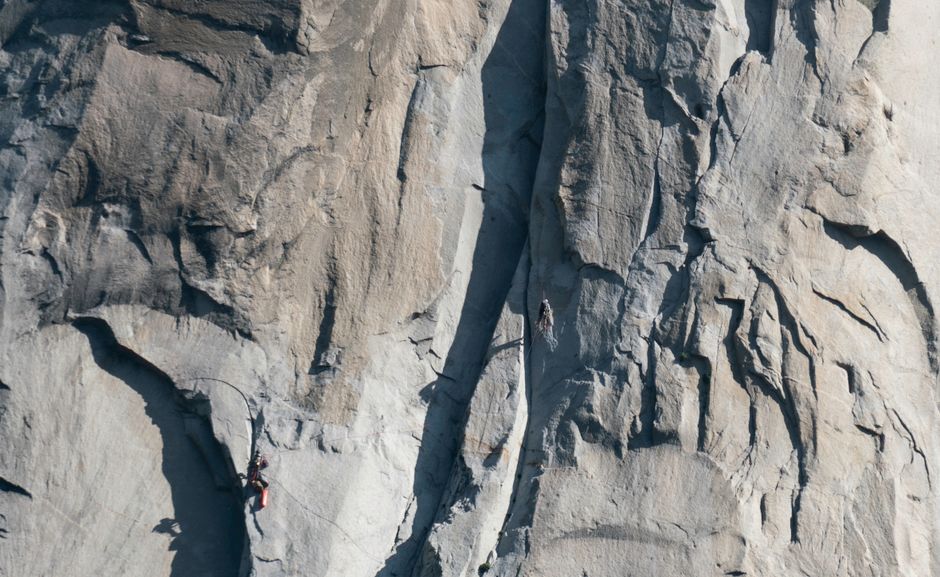
Yosemite Climbers Trash El Capitan: A Growing Environmental Crisis on Iconic Granite
The sheer, unyielding face of El Capitan, Yosemite National Park’s legendary granite monolith, has long drawn climbers from around the globe. It represents the ultimate challenge, a vertical frontier etched into the collective imagination of the climbing community. However, this pursuit of extreme achievement has, in recent years, been accompanied by a disturbing trend: the increasing problem of trash left behind by climbers on El Capitan. This isn’t a fringe issue affecting a few isolated incidents; it’s a recurring and escalating environmental crisis that threatens the pristine beauty of Yosemite, the integrity of its climbing routes, and the very essence of responsible outdoor recreation. From discarded food wrappers and empty fuel canisters to human waste and even abandoned gear, the detritus left on this iconic big wall is a stark indictment of a growing disregard for the Leave No Trace principles that should guide all visitors to our national parks.
The genesis of this problem is multifaceted, interwoven with the evolution of big wall climbing and the increasing accessibility of Yosemite. Historically, big wall ascents were expeditions requiring meticulous planning and a deep commitment to self-sufficiency. Climbers carried everything they needed, and the ethic was one of extreme conservation. However, as climbing techniques have advanced and more climbers have ascended El Capitan, a shift has occurred. The rise of the "weekend warrior" big wall climber, often lacking the extensive experience and ingrained environmental ethic of their predecessors, contributes to the problem. Furthermore, the increasing popularity of social media, where dramatic climbs are often showcased, can foster a mindset focused on individual achievement rather than collective responsibility. The pressure to complete a climb, to push limits, and perhaps the sheer exhaustion and mental focus required on a multi-day ascent, can unfortunately lead to lapses in judgment regarding waste management. Climbers might rationalize leaving small items behind, thinking they won’t make a difference, or believing that someone else will eventually clean it up. This collective complacency, however, has allowed the problem to snowball into a significant environmental concern.
The types of trash left behind on El Capitan are as varied as the climbers themselves. Perhaps the most visible and common are discarded food packaging: wrappers from energy bars, candy, and dehydrated meal pouches. While seemingly small, these items accumulate, marring the natural landscape and posing a threat to wildlife. Empty fuel canisters, essential for cooking on multi-day ascents, are another frequent offender. These metallic cylinders, while recyclable, are often left clinging to ledges or embedded in cracks, a testament to a failure to plan for their return. Beyond these visible items, there’s the more insidious problem of human waste. Climbers on El Capitan often spend days or even weeks on the wall, and managing human waste responsibly is a critical challenge. While specialized waste disposal systems exist and are advocated for by park authorities and the climbing community, not all climbers utilize them consistently. This can lead to human excrement accumulating on ledges and in crevices, creating unsanitary conditions and a potent source of pollution. Even items like used toilet paper, intended to be packed out, are sometimes found discarded. The cumulative effect of this accumulated waste is a significant aesthetic degradation of El Capitan, transforming a natural wonder into a garbage dump.
The environmental impact of this discarded trash extends far beyond mere aesthetics. For wildlife, ingested plastic can lead to starvation, internal injuries, and death. Small pieces of food packaging can be mistaken for sustenance by birds and rodents. Decomposing organic waste can alter soil composition and introduce pathogens. Furthermore, the presence of human waste can contaminate water sources, although El Capitan’s sheer verticality minimizes this risk directly to the valley floor, it can still affect alpine environments and microhabitats on the wall. The long-term persistence of plastic and metal in the environment means that these items will continue to pose a threat for decades, if not centuries, to come. The sheer scale of El Capitan, with its hundreds of routes and thousands of ascents annually, amplifies the impact of even seemingly minor transgressions. What one climber might consider a negligible piece of trash can become a significant contributor to a larger problem when multiplied by the number of individuals who have a similar mindset.
The climbing community itself is not a monolith, and many dedicated climbers are deeply concerned about this issue. Organizations like the Yosemite Climbing Association and individual advocacy groups actively work to educate climbers and organize clean-up efforts. These efforts, however, often resemble a Sisyphean task. Volunteers, equipped with ropes and hauling bags, spend countless hours meticulously cleaning sections of El Capitan, retrieving items that should never have been left behind in the first place. These clean-up expeditions are vital, but they highlight the reactive nature of the response to a problem that should be addressed proactively through education and a stronger ethical framework within the climbing community. The dedication of these volunteers is commendable, but it’s a testament to the scale of the problem that their efforts are constantly playing catch-up.
Yosemite National Park, facing the mounting evidence of this environmental degradation, has implemented a range of strategies to combat the problem. Stricter regulations regarding waste disposal have been enacted, including mandatory "pack-it-out" policies for all trash, including human waste. The park also provides educational materials and outreach programs aimed at informing climbers about responsible practices. Enforcement, however, is a significant challenge on a vertical environment like El Capitan. Rangers can only be in so many places at once, and much of the damage occurs out of sight, high on the wall. The sheer logistics of monitoring and enforcing regulations across such a vast and challenging terrain make proactive prevention and community buy-in even more crucial. The park service’s role is critical in setting the framework, but the ultimate responsibility for maintaining El Capitan’s integrity lies with those who choose to climb it.
The concept of "Leave No Trace" is not a new one; it’s a foundational principle of outdoor ethics that has been espoused for decades. For El Capitan, this translates to meticulous planning of food and supplies, ensuring that all packaging is either minimized or designed for easy packing out. It means carrying a dedicated system for human waste management, such as wag bags or portable toilets, and committing to transporting all human waste off the wall. It also involves being mindful of gear, ensuring that no equipment is left behind, whether accidentally or intentionally. For experienced big wall climbers, these are often ingrained habits, but for those new to the discipline, a comprehensive understanding and commitment to these principles are absolutely essential before even contemplating an ascent of El Capitan. The grandeur of El Capitan demands a commensurate level of respect and responsibility.
The social and cultural implications of climbers trashing El Capitan are also significant. The image of El Capitan as a pristine natural icon is fundamental to Yosemite’s identity and its appeal to a wide range of visitors, not just climbers. When images of trash on the wall surface, it tarnishes this image and can lead to a broader erosion of public trust in the climbing community. It can fuel resentment and calls for stricter access, potentially impacting all climbers, including those who are responsible and environmentally conscious. Furthermore, it sets a poor example for younger generations of climbers, potentially normalizing a culture of disposability rather than stewardship. The reputation of the climbing community hinges on its commitment to preserving the wild places it cherishes.
Looking ahead, addressing the problem of trash on El Capitan requires a multi-pronged approach involving continued park enforcement, robust community education, and a fundamental shift in mindset for some climbers. The climbing community needs to self-police and hold its own members accountable. This can involve peer-to-peer education, where experienced climbers mentor newer ones, instilling the importance of Leave No Trace from the outset. Campaigns like "Pack It In, Pack It Out" need to be amplified and integrated into every aspect of climbing culture, from introductory courses to high-level expeditions. The focus must shift from merely conquering a climb to respecting and preserving the environment in which that climb takes place. The future of El Capitan as both a climbing mecca and a natural wonder depends on the collective commitment of every individual who sets foot on its granite face. The ongoing battle against trash on El Capitan is not just about cleaning up a mountain; it’s about defining the values and ethics of a sport and ensuring that iconic natural landscapes are preserved for generations to come.


