Every experienced data scientist is familiar with the unsettling phenomenon of "too good to be true" results. A model achieves 99% accuracy on a validation set, yet when deployed in the real world, its performance collapses. This discrepancy is almost invariably the result of data leakage—a subtle, often unintentional inclusion of information in the training process that would not be available at the moment of actual prediction. While the academic community has long warned of this pitfall, the rise of large language models (LLMs) offers a new, potentially automated way to audit and sanitize machine learning pipelines before they reach production.

To determine the efficacy of AI-assisted pipeline auditing, a recent experimental study investigated whether modern AI models could identify distinct, well-documented leakage patterns. By testing four distinct data science projects across a spectrum of AI capabilities—ranging from rapid-inference models like Claude Haiku to high-reasoning models like Claude Opus—researchers sought to establish a benchmark for AI’s ability to act as a "second pair of eyes" in the development lifecycle.
The Anatomy of Data Leakage
Data leakage is not a single error but a category of systematic failures. In machine learning, it occurs when the training dataset contains information that correlates with the target variable but is not available in a real-world inference scenario. This essentially provides the model with a "cheat sheet," allowing it to memorize patterns or label proxies rather than learning the underlying structure of the problem.
The experiment centered on four specific, common leakage mechanisms:
- Target-Defining Features: Including a feature that is a direct mathematical consequence of the label.
- Future-Information Injection: Incorporating data derived from future states (e.g., global averages of the test set).
- Improper Data Splitting: Failing to respect the temporal or hierarchical structure of data, leading to "data contamination" where the model sees test-set users or timestamps during training.
- Preprocessing Sequence Errors: Over-sampling or normalizing data before performing a train-test split, causing identical records to appear in both datasets.
Experimental Methodology and Chronology
The study utilized four real-world data projects sourced from industry-standard platforms. To ensure an unbiased assessment, the AI models were provided with closed-book descriptions of the pipelines, including feature lists and logic flows, without being explicitly informed that a leak existed.
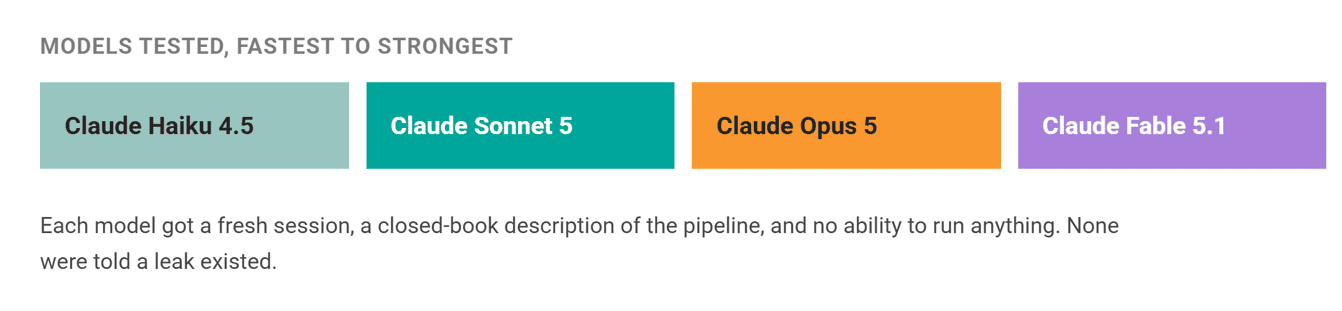
The models tested—Claude Haiku 3.5, Claude Sonnet 3.5, Claude Opus 3.5, and Claude Fable—operated in isolated sessions. This ensured that no cross-pollination of findings occurred between model instances. The researchers recorded both the quantitative performance metrics (Accuracy/RMSE) of the models with and without the leaks, and the qualitative assessment provided by the LLMs during the audit phase.
Case Studies: From Stock Prediction to Loan Flagging
Case 1: The Circular Dependency
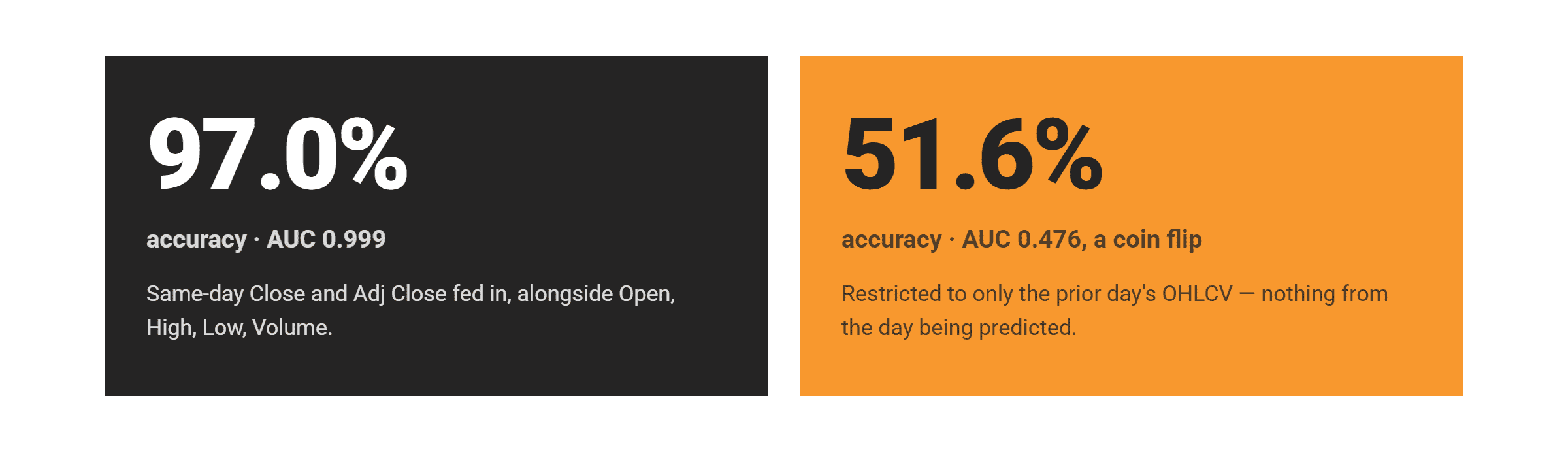
In a stock price direction project, the model was tasked with predicting whether Amazon’s closing price would exceed its opening price. When the model was fed the daily "Close" and "Adjusted Close" prices alongside standard market data, the model achieved a 97% accuracy rate. However, once those specific columns were removed—simulating a realistic prediction scenario—the accuracy plummeted to 51.6%, essentially a coin flip. The AI models, when presented with the pipeline logic, immediately identified the "Close" variable as a circular reference, effectively defining the target rather than predicting it.

Case 2: Temporal and Group Leakage
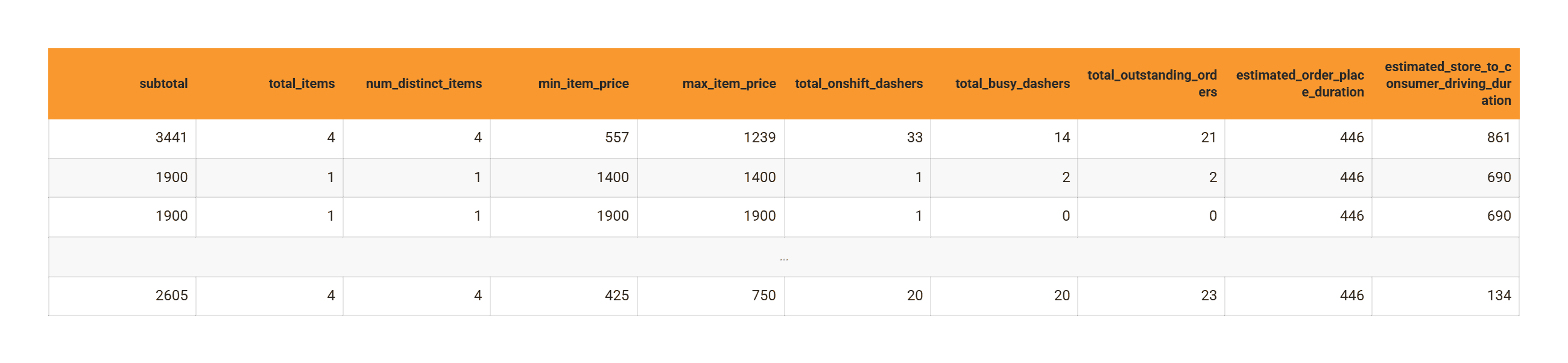
In a delivery duration prediction project for a major logistics firm, the researchers introduced two sophisticated leaks: a "store average" duration feature that included data from the entire dataset, and a failure to split the data chronologically. The leaked model produced a 9% improvement in Root Mean Squared Error (RMSE) compared to the honest model. While all models caught the obvious store-average error, only the more advanced models (Sonnet, Opus, and Fable) flagged the chronological split issue, noting that training on future orders fundamentally undermines the predictive validity of the model.
Case 3: Hierarchical Contamination
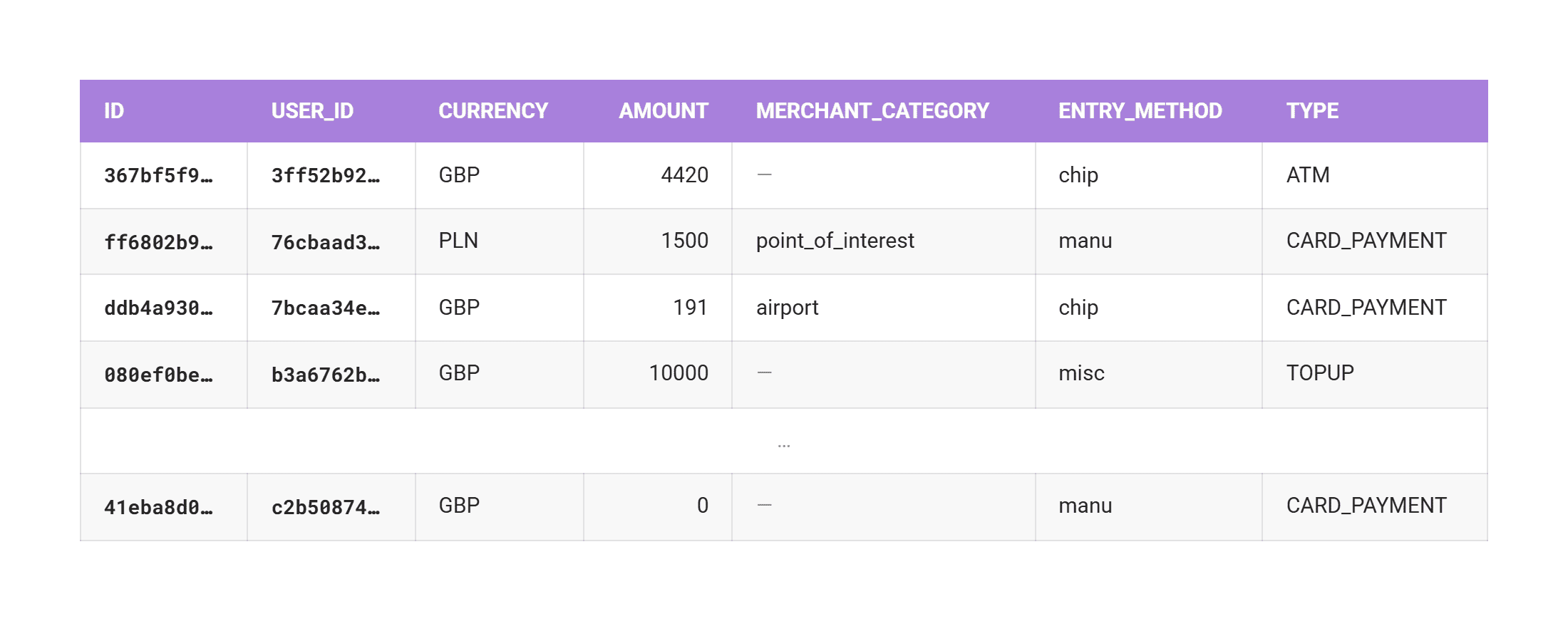
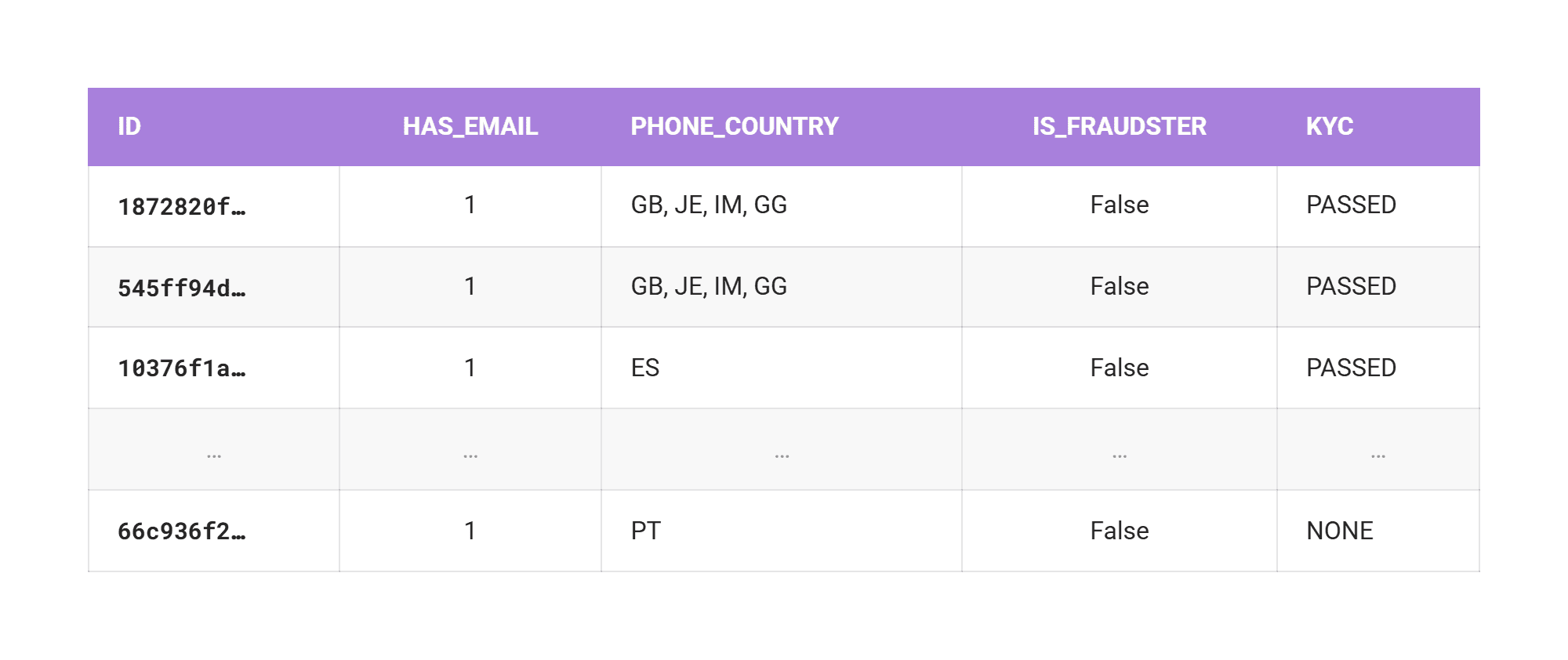
Using a fraud detection dataset, researchers demonstrated the impact of row-level splitting in a one-to-many schema. By splitting transaction-level data randomly, the model gained exposure to the same user’s behavior in both training and testing. The resulting AUC (Area Under the Curve) dropped from an inflated 0.960 to a realistic 0.898 once the data was partitioned by user ID. The LLMs correctly identified the mechanism: the model was not detecting fraud; it was recognizing specific repeat-offender user IDs.
Case 4: Pre-Split Oversampling
The final experiment involved loan default prediction, where the dataset was highly imbalanced. The pipeline duplicated minority-class rows to improve performance—but did so before splitting the data. This caused identical loan records to appear in both the training and test sets. The AI models identified this as a critical failure, with the most capable model (Opus) noting that the entire oversampling strategy was statistically inferior to alternative methods, such as class weighting.
Quantitative Analysis of Findings
The performance disparity between the "leaked" and "clean" models serves as a stark reminder of why manual or automated auditing is essential. In every case, the leaked model provided an illusory sense of high performance.
| Experiment | Leaked Accuracy/Metric | Clean Accuracy/Metric | Improvement Source |
|---|---|---|---|
| Stock Direction | 97.0% | 51.6% | Target-Defining |
| Delivery Time | 862.7s (RMSE) | 949.9s (RMSE) | Future-Info |
| Fraud Detection | 0.960 (AUC) | 0.898 (AUC) | User Contamination |
| Loan Flagging | 0.986 (AUC) | 0.637 (AUC) | Duplicate Rows |
The data confirms that the performance gap is not merely a statistical anomaly but a fundamental flaw in the learning architecture. The 34.9 percentage point difference in the loan flagging experiment is particularly indicative of how easily a model can be misled by data duplication.
Implications for AI Auditing in Industry
The results of this study suggest that LLMs are highly effective at performing "sanity checks" on machine learning code and documentation. While the models did not always catch every subtle secondary leak (as seen in the Haiku model’s omission in Case 2), the overall success rate in identifying the primary source of error was 100%.

For data science teams, these findings imply that integrating LLM-based code review into the CI/CD pipeline is a viable strategy for reducing technical debt. By treating the AI as an auditor—prompting it specifically to "look for data leakage and logical inconsistencies"—teams can catch errors that are often missed during peer reviews, where human fatigue or over-familiarity with the dataset can lead to oversight.
Broader Impact and Official Perspectives
The broader implications for the industry are twofold. First, it highlights a shift in the data science workflow: the role of the data scientist is evolving from solely performing the analysis to acting as an architect and supervisor of automated analytical agents. Second, the experiment validates that "stronger" (larger, more parameter-dense) models provide deeper insights, often going beyond the immediate prompt to suggest architectural improvements or better statistical approaches.
Experts in the field have long argued that the democratization of AI will lead to more models being built by those with less formal statistical training. In this context, having an "AI Auditor" that can flag leakage in real-time is not just a productivity tool—it is a necessary safeguard against the proliferation of biased or invalid models.
As this technology matures, it is likely that automated pipeline auditing will become standard practice. The ability to identify that a model has "seen the answer" before it is ever trained is an invaluable asset for ensuring the integrity of AI systems across finance, healthcare, and logistics.
Conclusion: The Future of Responsible Modeling
The experiment underscores a simple but powerful reality: the primary danger to machine learning is not always the complexity of the algorithm, but the simplicity of the data preparation. By systematically auditing pipelines with AI, developers can prevent the waste of computational resources and, more importantly, prevent the deployment of models that fail when faced with the unpredictability of the real world.
The evidence suggests that while AI cannot yet fully replace the intuition of a seasoned data scientist, it is remarkably proficient at the "checklist" phase of pipeline validation. By incorporating these checks, organizations can ensure that their models are learning from the right signals, not just memorizing the noise. As these tools continue to evolve, the distinction between a "model that works" and a "model that cheats" will become increasingly easy to discern, leading to a more robust and reliable generation of machine learning solutions.