What is ‘Mesoamerican Modern?’ Get to know the emerging Latin American design movement where ancient meets new

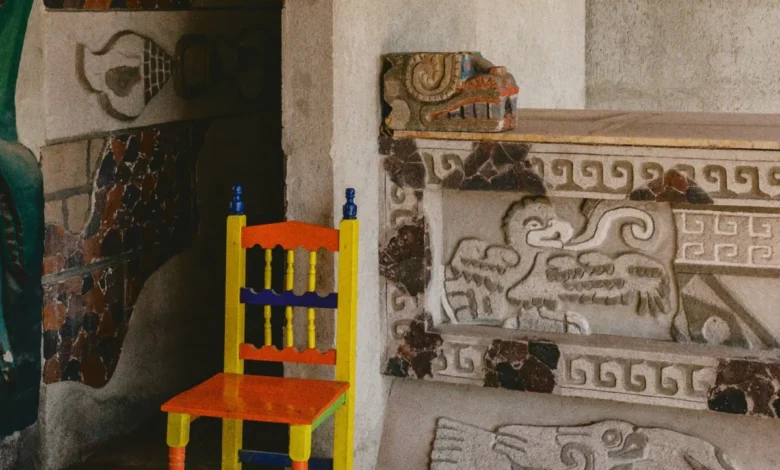
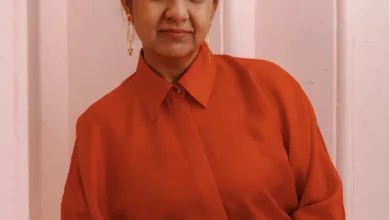
This shift in the domestic landscape is expertly documented in the forthcoming book Mesoamerican Modern, published by Phaidon (2026). Authored by Su Wu, a writer and curator who has spent over a decade embedded in the cultural fabric of Mexico City, the volume serves as both a manifesto and a catalog of 16 exemplary homes that embody this design renaissance. Rather than viewing the ancestral past as a stagnant relic, these architects treat Mesoamerican geometry, light manipulation, and site-specific orientation as a living vocabulary, capable of answering the complex demands of contemporary living.
A Chronology of Influence: From Antiquity to the 21st Century
To understand the weight of this movement, one must trace the architectural trajectory of the region. The foundational principles of Mesoamerican design—characterized by the use of stone, the integration of terraced levels, and a deep reverence for the celestial and the cardinal—were suppressed for centuries following the Spanish conquest. During the colonial era, the prevailing European style often sought to overwrite the existing landscape, frequently using the very stones of indigenous temples to construct churches and administrative buildings.
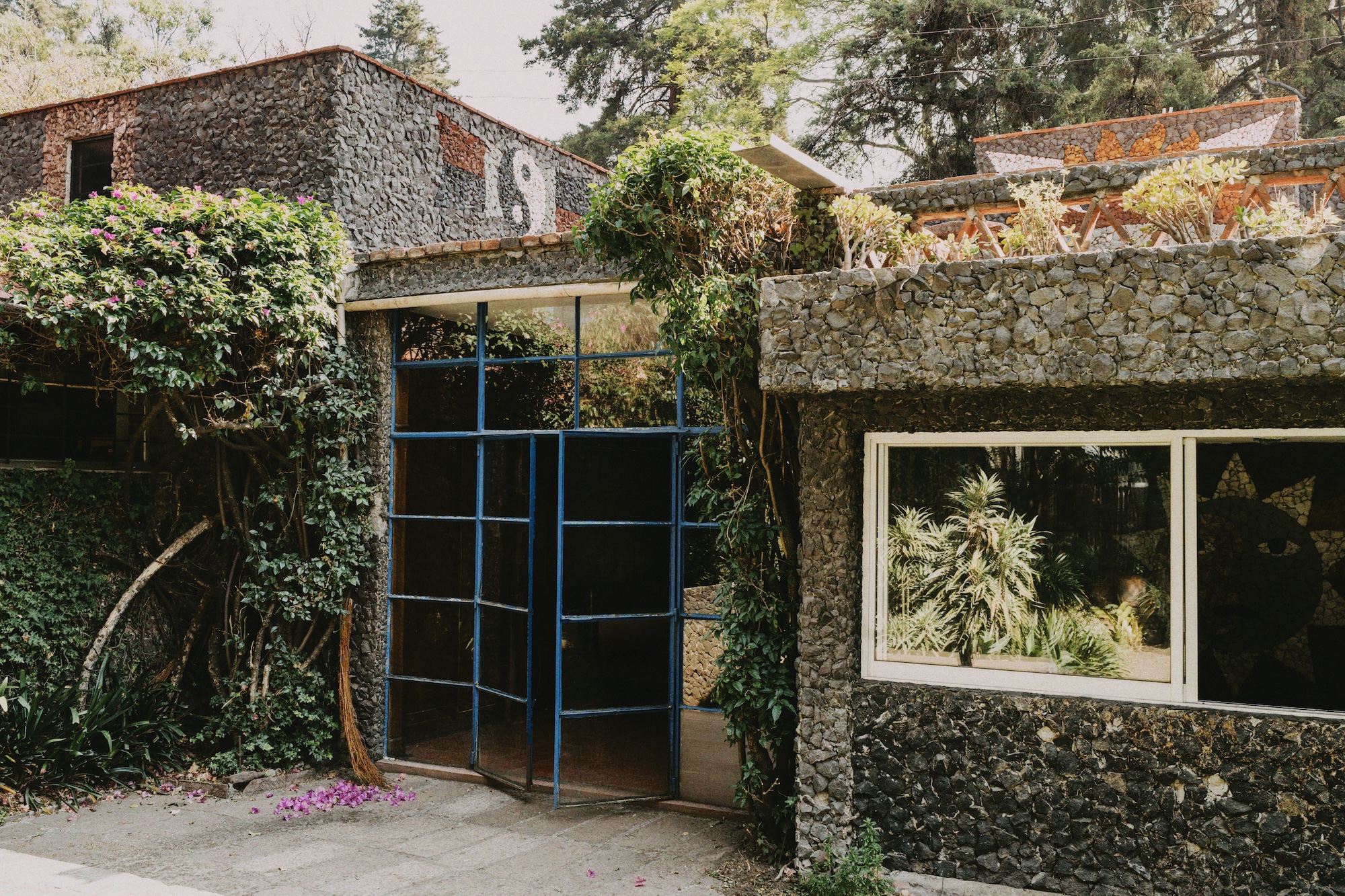
The mid-20th century marked the first major attempt to reconcile these two worlds. Architects like Juan O’Gorman and Agustín Hernández began to experiment with the fusion of international functionalism and indigenous motifs. O’Gorman, in particular, moved away from the rigidity of "square rooms and square windows," turning instead to the mosaic techniques and symbolic volumes that would eventually define his contribution to the National Autonomous University of Mexico (UNAM).
By the early 2000s, this interest began to transition from institutional commissions to the private realm. The current surge represents a departure from the "nation-building" architecture of the past. Instead, it is a personal, client-driven endeavor. Homeowners are increasingly expressing a desire for spaces that reflect an expanded sense of beauty, one that prioritizes the atmospheric over the merely ornamental, and the historical over the ephemeral.
Architectural Principles in Practice
The residential projects featured in the study highlight several recurring themes that define this contemporary movement. Among the most prominent is the "activation of the void"—the use of the central patio not merely as an open-air corridor, but as the heart of the home, a concept rooted in the layout of ancient communal complexes.
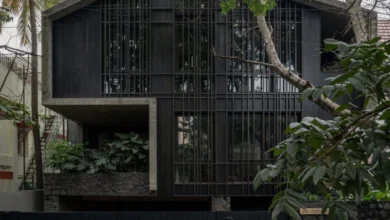
Fernanda Canales’ Casa 720 illustrates this principle through rigorous geometric precision. By prioritizing the relationship between the structure and the sky, Canales rejects the traditional notion of the roof as a terminal point, opting instead to "give space back above," creating activated, sky-facing terraces that function as a continuation of the living area.
Furthermore, the concept of "topographical destiny" plays a crucial role. In many ancient cities, the orientation of a building was dictated by its alignment with the sun, the stars, or specific geographic features like mountains or water sources. In the contemporary projects documented by Wu, this is echoed in modern builds like those by Marcos Ruiz and Emmanuel Picault, where the entire architectural program—from the slant of the eaves to the placement of windows—is determined by the shadow cast by the nearby Peña de Bernal monolith.
The Role of Materiality and Craft
The movement also places a heavy emphasis on the "handmade." This is a rejection of the industrial, standardized materials that dominated global architecture in the late 20th century. By returning to local stone, hand-carved wood, and regional mortars, these homes gain a tactile, atmospheric weight that is increasingly rare in urban settings.
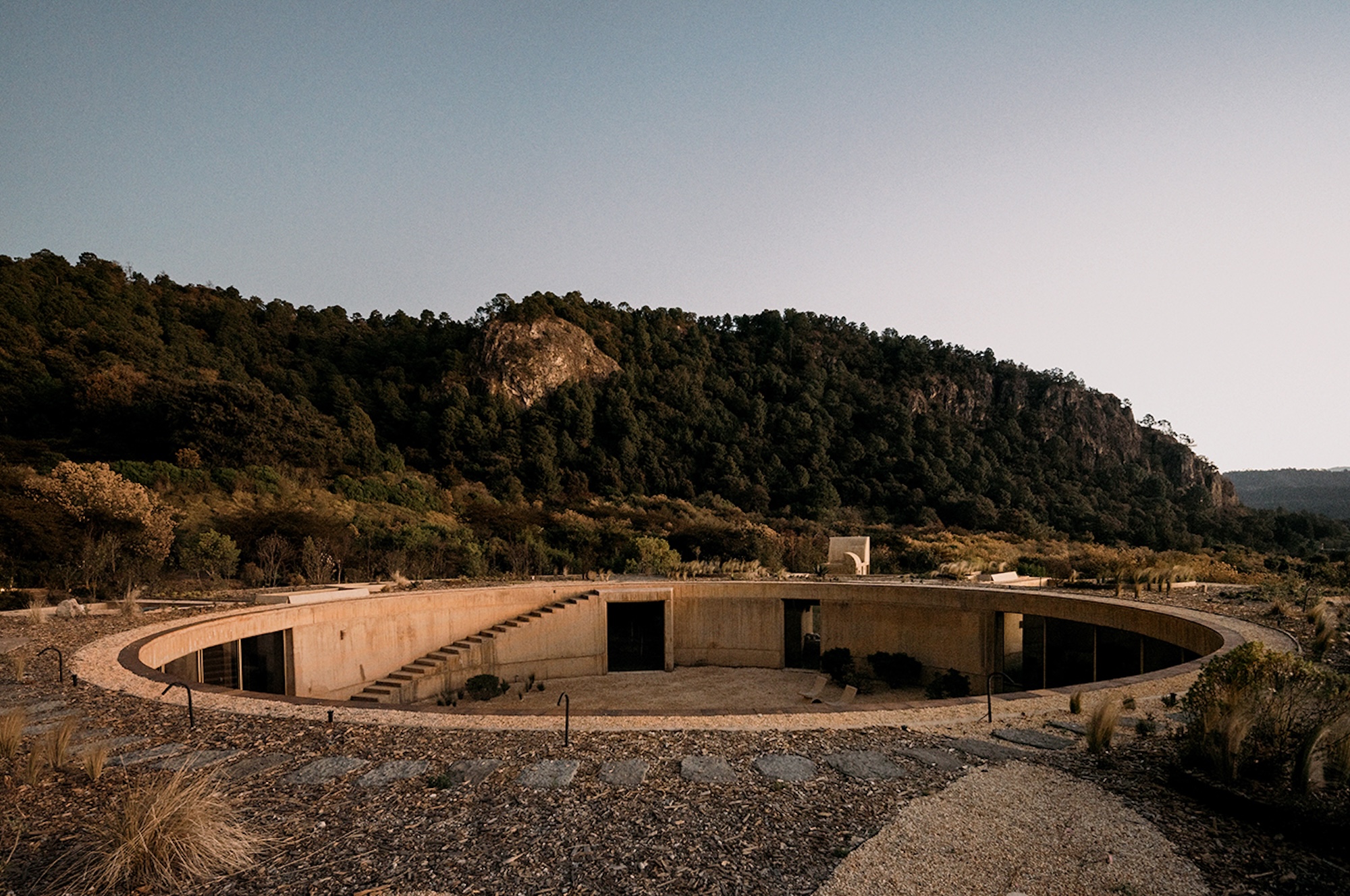
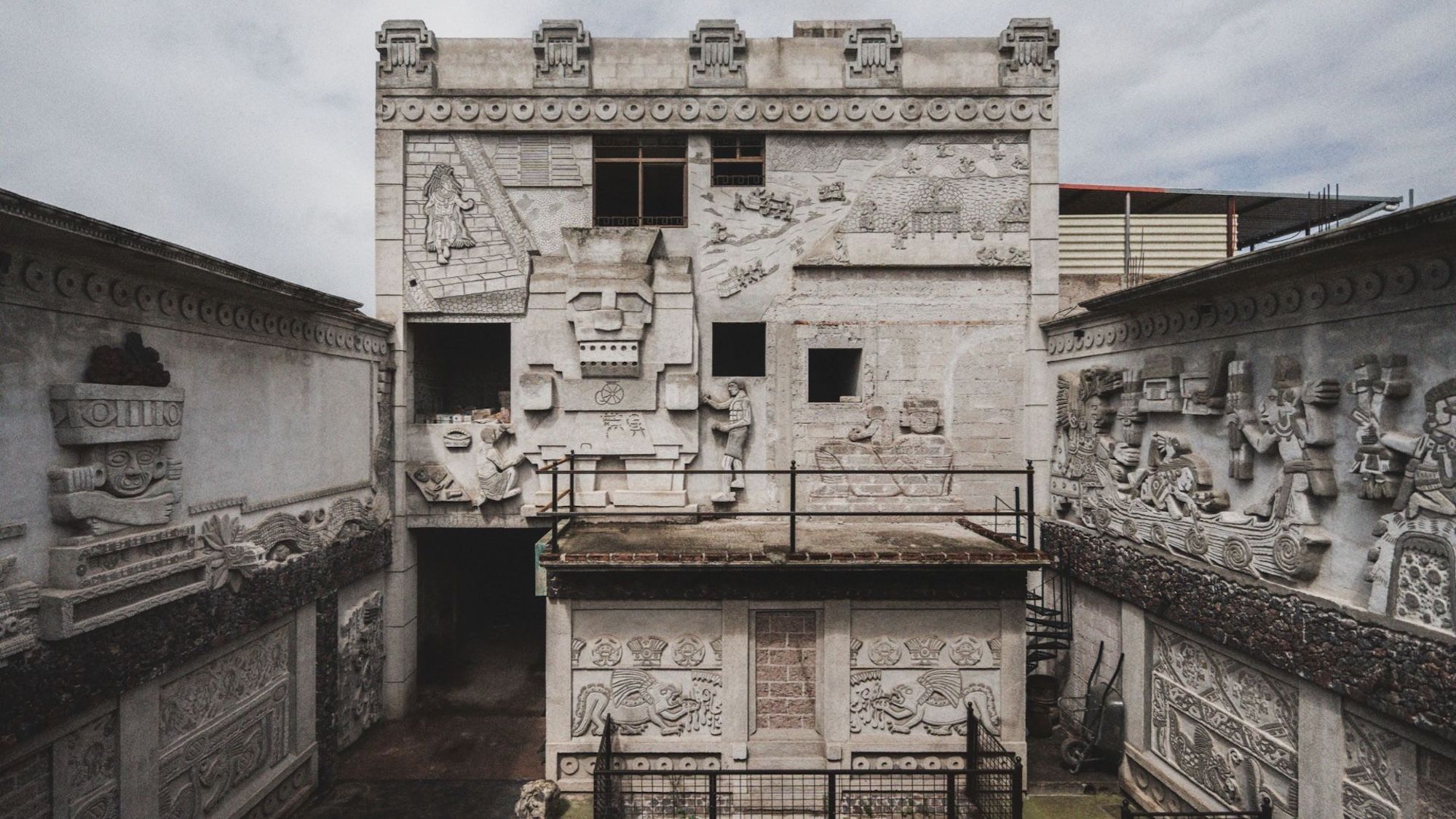
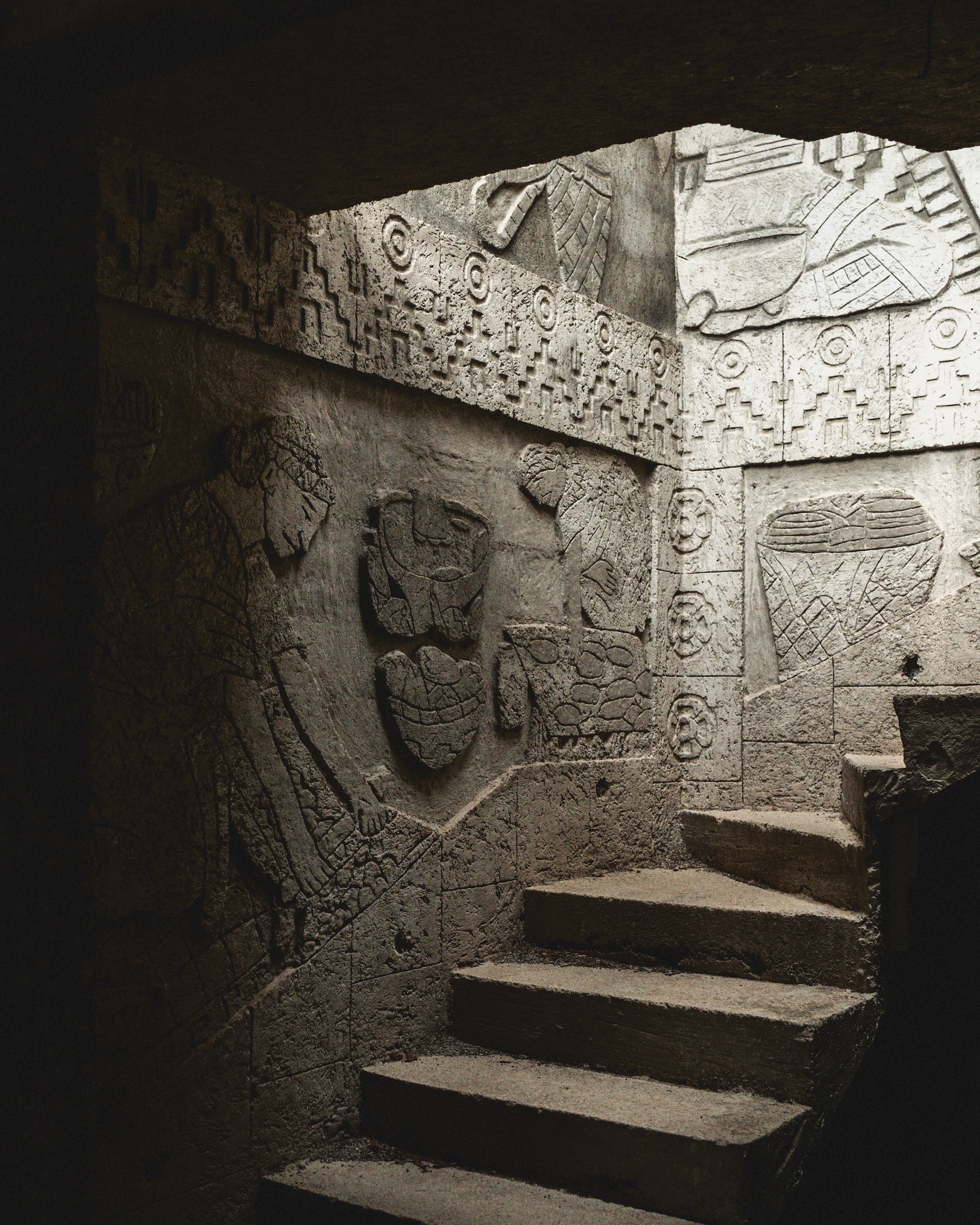
The project Tlalocan, designed by Gerardo "Geraz Ato" García and Marino García, serves as perhaps the most extreme example of this craftsmanship. Carved over a period of 12 years in the vicinity of Teotihuacan, the house functions as a living archive. Its bas-relief murals, which depict the migration patterns of indigenous groups and the god Tlaloc, serve to restore authorship to the tradition of stone carving. Unlike traditional archaeological sites where the identities of the creators remain anonymous, the project deliberately features the carvers themselves, asserting that the act of creation is an ongoing, contemporary dialogue rather than a finished, historic event.
Statistical and Market Context
While precise economic data on the "Mesoamerican Modern" residential market is difficult to isolate due to the bespoke nature of these projects, the trend correlates with broader shifts in global high-end real estate. According to recent reports from international architectural firms operating in Latin America, there has been a 15% increase in requests for "culturally grounded" luxury homes over the past five years. Clients, particularly those from the creative and tech sectors, are moving away from the "glass box" minimalism that dominated the 2010s, favoring designs that provide a sense of place and connection to local heritage.
The rise of this movement also serves as an economic catalyst for traditional craft guilds. By commissioning intricate stonework and artisanal finishes, architects are effectively subsidizing the preservation of skills that were once at risk of extinction. This creates a symbiotic relationship between high-end design and local craftsmanship that has broader implications for sustainable development in the region.
Implications and Critical Reception
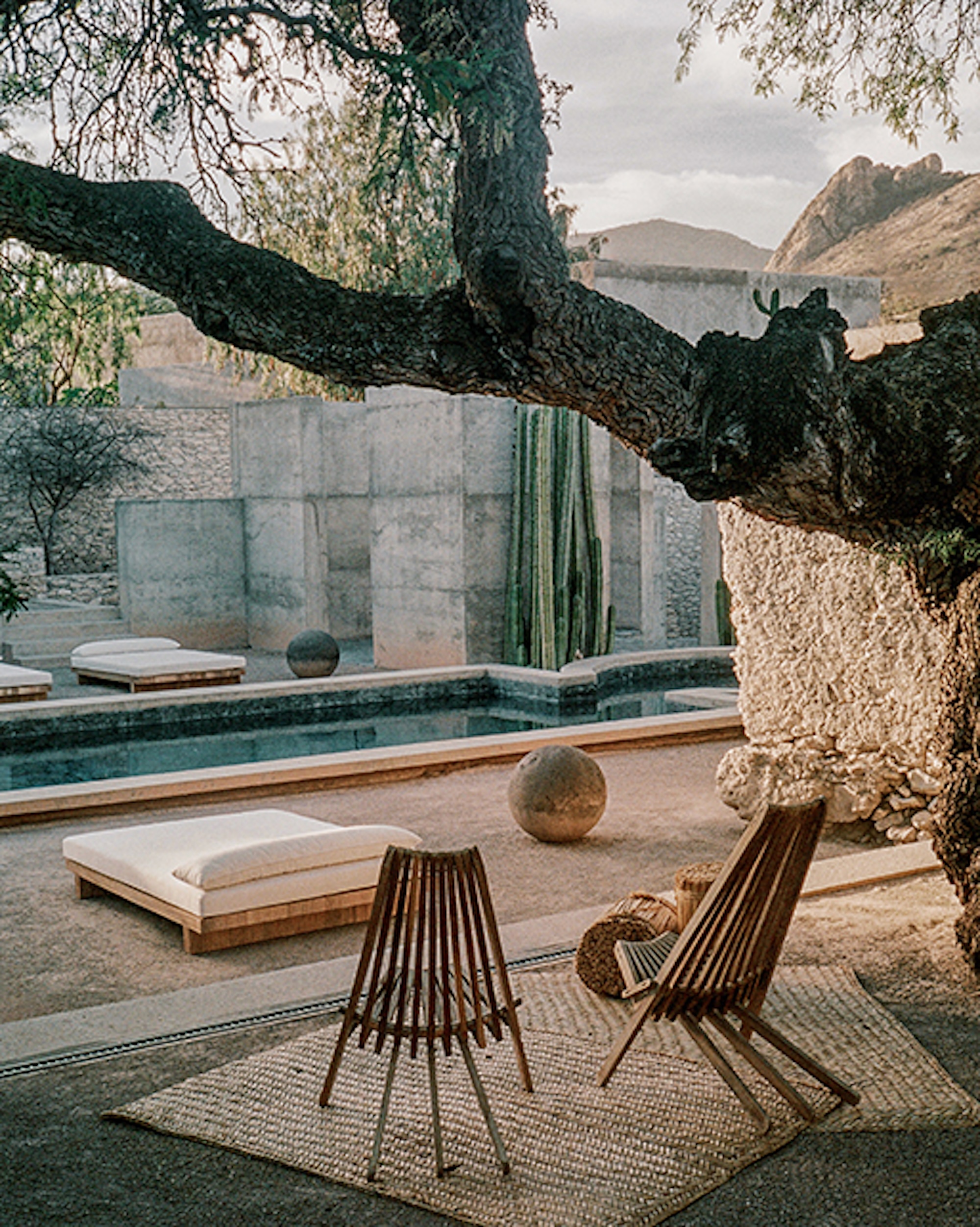
The implications of this architectural shift are both social and aesthetic. By choosing to live within spaces that incorporate Mesoamerican principles, the current generation of homeowners is engaging in a form of "counterfactual history," as noted by architect Pedro Reyes. It is an exploration of what the region’s architectural language might have become had it evolved without the abrupt interruption of the colonial period.
This is not a movement of imitation. It does not call for the reproduction of temples or the mimicry of ancient floor plans. Rather, it is a process of translation. As Su Wu articulates, these ideas are not "dusty prehistory"; they are living, functional, and highly relevant. The move toward this aesthetic is a rejection of the generic, international style that often ignores local climate, light, and history.
Critics of the movement have occasionally questioned whether the application of these motifs risks being perceived as "exoticism." However, practitioners argue that the depth of the integration—which often goes beyond aesthetics to include structural, thermal, and spatial logic—precludes it from being merely decorative. The reliance on heavy thermal mass, for instance, provides a natural, energy-efficient solution to the temperate climate of Mexico City, proving that ancient techniques are often more sustainable than modern HVAC-reliant designs.
Future Trajectories
As the movement matures, the focus is shifting toward the scalability of these ideas. Can these principles be applied to medium-density urban housing or social infrastructure? Proponents of the movement believe that the lessons learned in the private residential sector can eventually be applied to the public sphere, potentially offering a more sustainable and culturally resonant model for future urban development.
For now, the residences highlighted in Mesoamerican Modern remain the vanguard of a broader cultural shift. They stand as testaments to the idea that the future of architecture in the Americas is not to be found in the blind adoption of imported trends, but in the careful, thoughtful reclamation of the past. As Su Wu suggests, the beauty of these homes lies in their capacity for ongoing interpretation. They are spaces that are designed not just to be occupied, but to be inhabited in a way that acknowledges the layers of history beneath one’s feet.
In summary, the re-emergence of these design principles marks a pivotal moment for Mexican architecture. It represents a maturation of the national design identity, moving from a colonial-centric framework to one that embraces the full depth of its historical reality. As these homes continue to gain international recognition, they are likely to inspire a new generation of architects to reconsider the relationship between the modern home and the ancient landscape, ensuring that the legacy of Mesoamerica remains a vital, breathing part of the 21st-century architectural discourse.