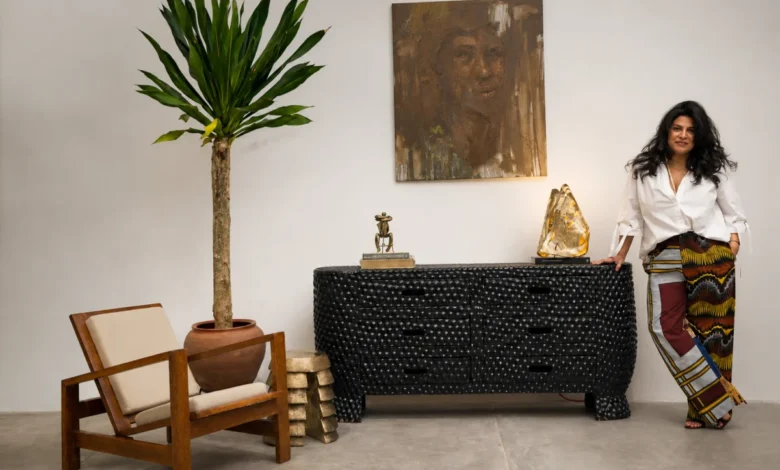
The unveiling of Casa Mouda in Lagos marks a significant inflection point for the burgeoning creative economy of Nigeria. Founded by curator and entrepreneur Caline Chagoury-Moudaber, the project functions as a multi-site creative studio and exhibition space dedicated to the production, amplification, and exhibition of contemporary African design. By establishing a physical presence across two distinct sites—the Eko Hotel and the Eko Atlantic Marina—Chagoury-Moudaber is signaling a shift in the regional art market, moving beyond traditional gallery models toward a more integrated, community-centered approach that treats design as a living, breathing ecosystem rather than a static commodity.
The genesis of this project traces back to 2018, a period during which Chagoury-Moudaber, already a veteran of the contemporary art scene, began to critically analyze the infrastructure needs of local designers. Having founded the seminal Art 21 gallery in 2013, which played a pivotal role in elevating the profiles of artists such as Olu Amoda and Yusuff Aina, she recognized a widening gap in the market. While the fine arts were gaining global traction, the design sector lacked a cohesive, high-quality venue that could facilitate both commercial success and intellectual discourse.
The Evolution of the Lagos Creative Ecosystem
To understand the necessity of Casa Mouda, one must look at the broader landscape of the African design industry. Over the last decade, Lagos has emerged as one of the most dynamic metropolitan hubs for design on the continent. According to recent data from the African Development Bank, the creative sector in Africa is poised to contribute up to $100 billion to the continent’s GDP by 2025, with Nigeria leading the charge in fashion, furniture, and industrial design. However, this growth has historically been hampered by a lack of specialized exhibition spaces and, more importantly, a scarcity of local production facilities.
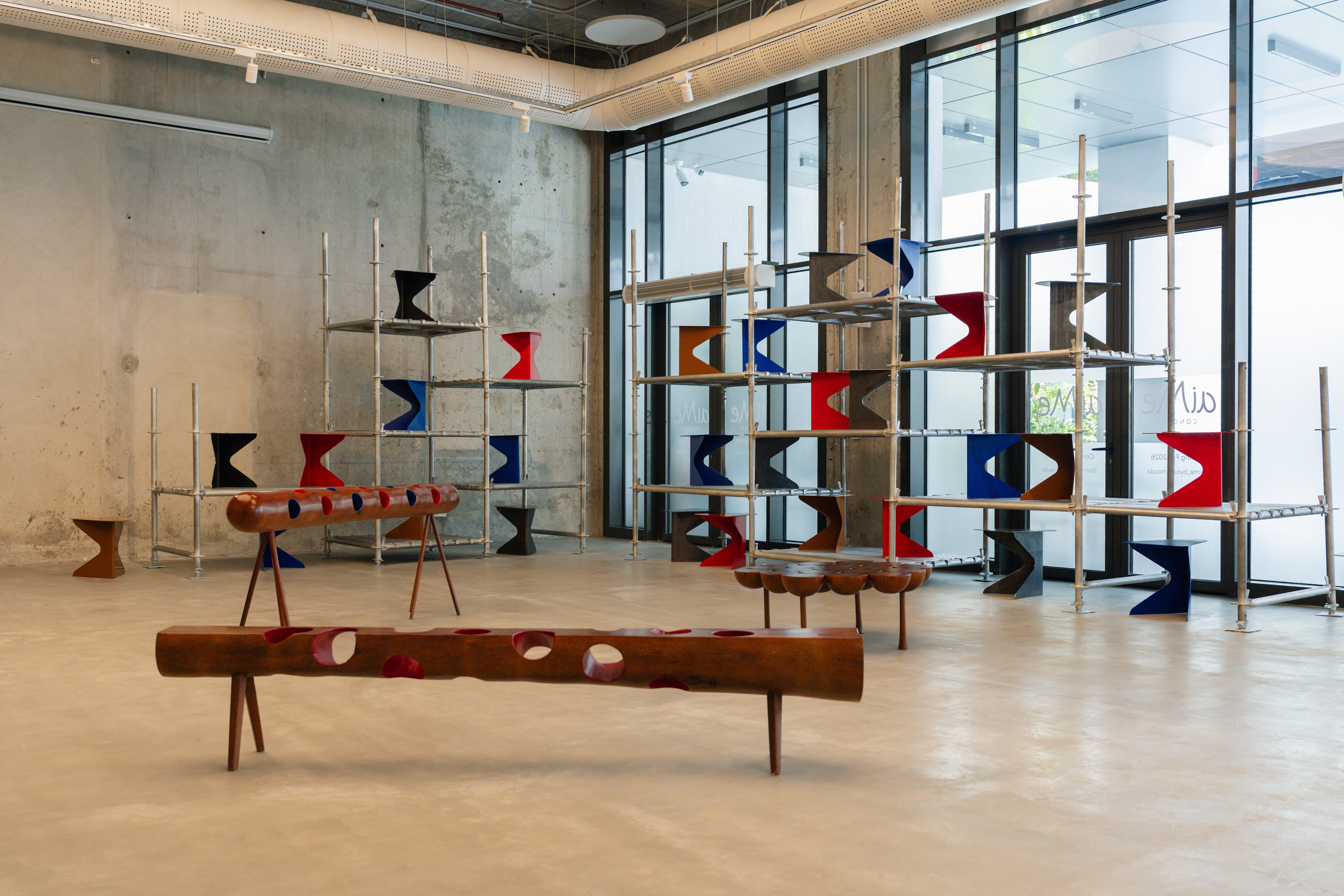
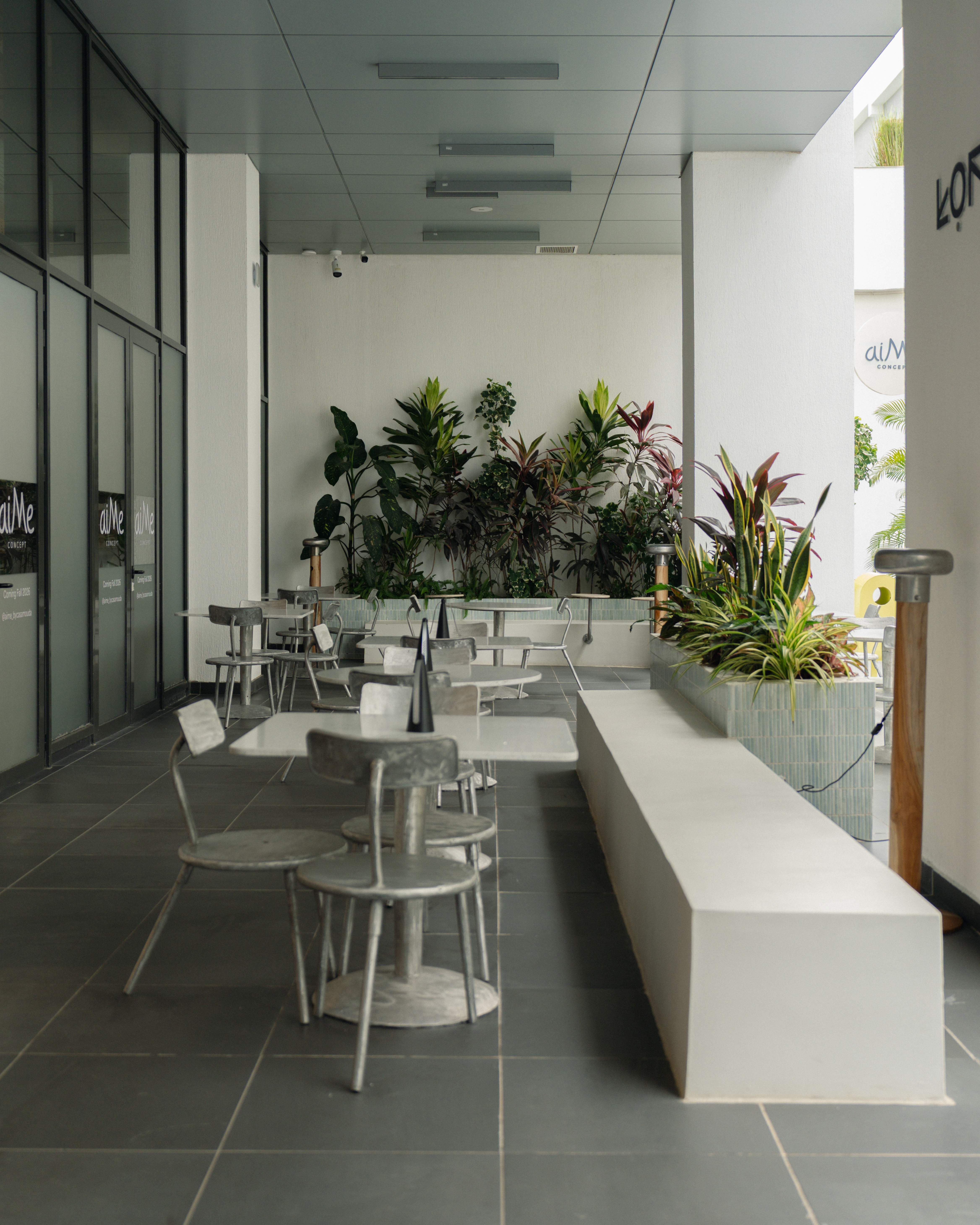
Chagoury-Moudaber’s vision for Casa Mouda is a direct response to these structural challenges. The institution is divided into two primary functions: the AiMe Gallery, situated within the historic architecture of the Eko Hotel, and the AiMe Concept, a versatile space located at the Eko Atlantic Marina. The latter is intended to function as a "laboratory of ideas," where designers can experiment with material science, outdoor installations, and collaborative projects.
The timeline of this development reflects a deliberate, phased approach. After years of fostering relationships as a collector and connector, the 2018 conceptualization phase was followed by a period of intensive consultation with industry leaders. By 2023, the physical infrastructure began to take shape, involving architectural interventions led by Papa Omotayo of MOE+AA, and interior collaborations with designers Nifemi Marcus-Bello and Gemma Sfeir. The official opening serves as the culmination of these efforts, positioning the project as a permanent fixture in the city’s cultural geography.
Bridging the Gap Between Craft and Commerce
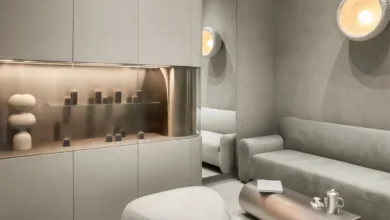
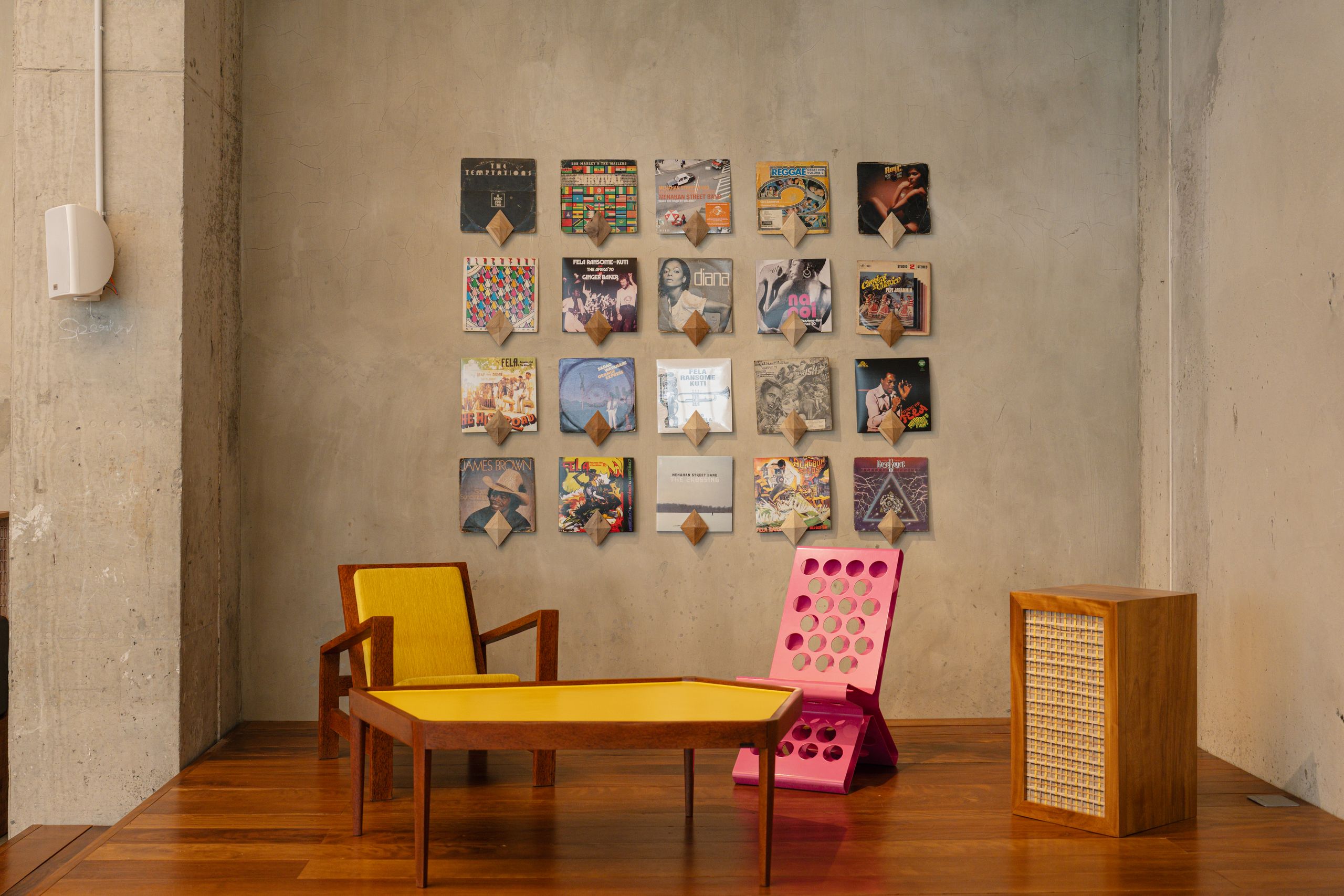
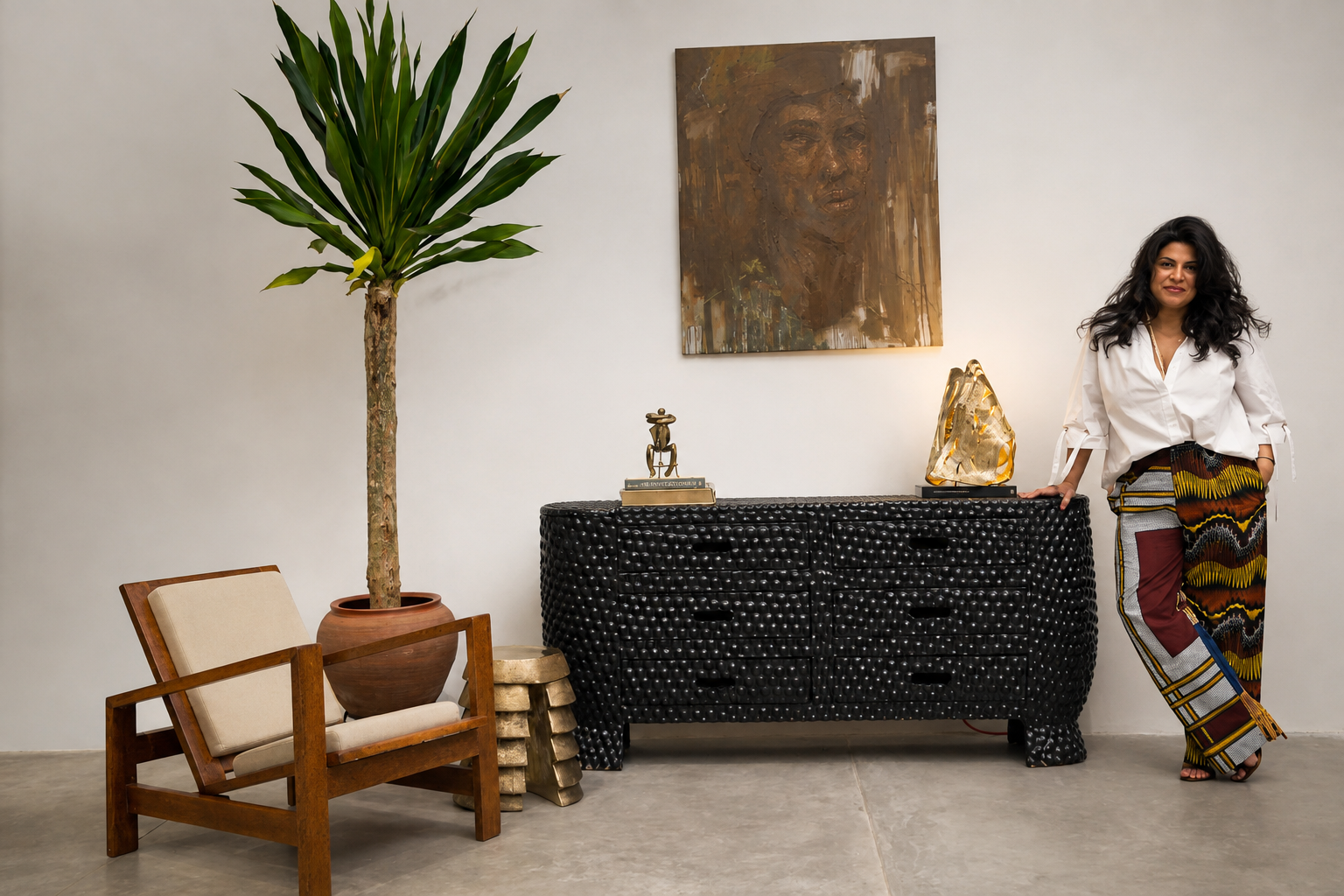
A core tenet of the Casa Mouda philosophy is the democratization of design. For many, the high-end design market can feel exclusionary, with pieces often viewed as unattainable objects for the elite. Chagoury-Moudaber aims to subvert this through the creation of "tableaux"—fully staged interior scenes that allow visitors to visualize how design pieces can be integrated into domestic life. This strategy is not merely aesthetic; it is an economic intervention designed to bridge the disconnect between the conceptual work of designers and the practical needs of consumers.
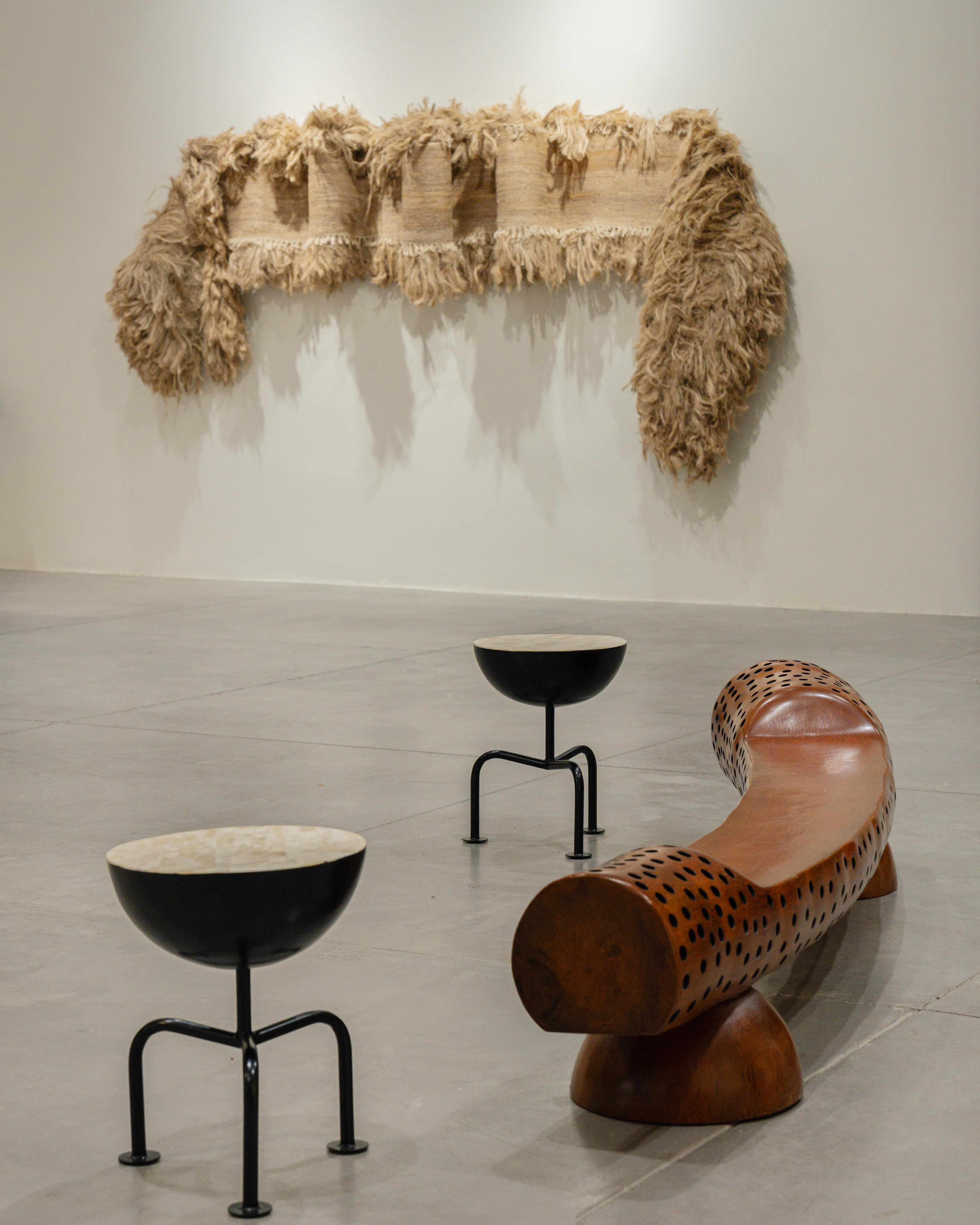
The inaugural exhibition, titled The Design Institute, serves as a manifesto for this approach. The show features a cross-section of African and Diaspora talent, including furniture pieces by Ivorian designer Jean Servais Somian, sculptural seating by American designer Germane Barnes, and lighting by Marie-Paule Tano.
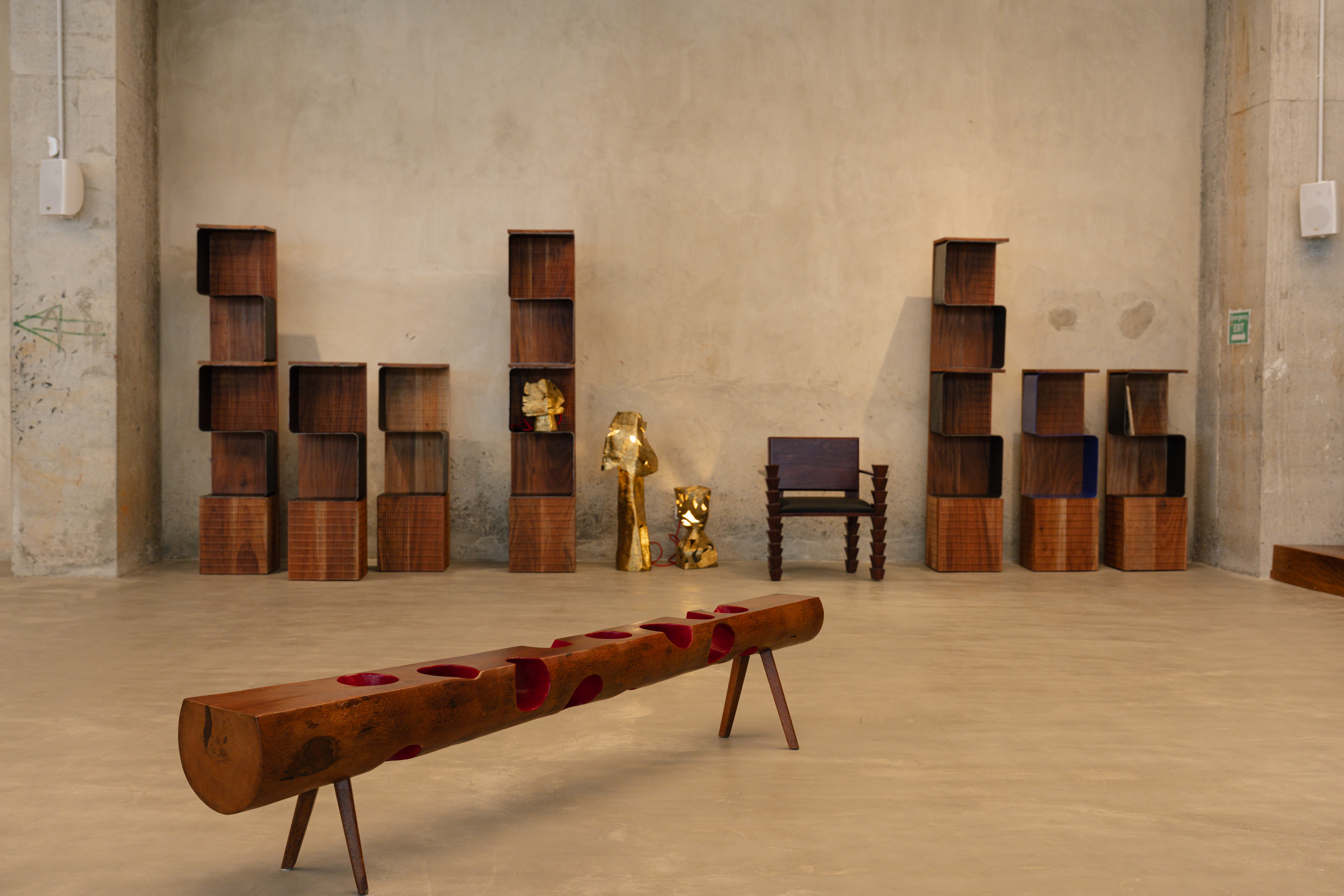
One of the most noteworthy aspects of this exhibition is the logistical support provided to the artists. The collaboration between Casa Mouda and UFI—a furniture factory owned by Antoine Moudaber—is a crucial development. For designers like Jean Servais Somian, who previously struggled to secure manufacturing partnerships despite his critical acclaim, this partnership provides a tangible, high-capacity production pipeline. This union of creative vision and industrial capability is precisely what the African design sector has lacked, often forcing talented creators to manufacture abroad or limit their output to small-scale artisan batches.
Infrastructure and Community: The Institutional Mandate
The decision to incorporate "KoFi," an in-house coffee shop, into the gallery space, is a deliberate move to foster community engagement. By incorporating a public-facing, daily-use venue within the gallery, Casa Mouda creates a low-barrier entry point for the public. The design of the cafe, which features sand-covered walls and an immersive soundscape by composer Malloy James, acts as a sensory immersion into the reality of Lagos as a coastal, urban metropolis.
From a sociological perspective, this design choice reflects a departure from the "white cube" gallery model, which often functions as an isolated space removed from the city’s chaotic, vibrant energy. Instead, Casa Mouda attempts to synthesize the energy of the street with the refinement of a design institution. This is essential for building a local base of "design champions"—future collectors, patrons, and practitioners who view design as an integral part of their local identity rather than a foreign luxury.
Strategic Implications and Future Outlook
The launch of Casa Mouda comes at a time when the global North is increasingly looking toward Africa for design inspiration, yet the continent remains a net exporter of raw materials and a net importer of finished goods. By centralizing the production, exhibition, and sale of design within Lagos, Chagoury-Moudaber is effectively challenging the current trade deficit in the creative arts.
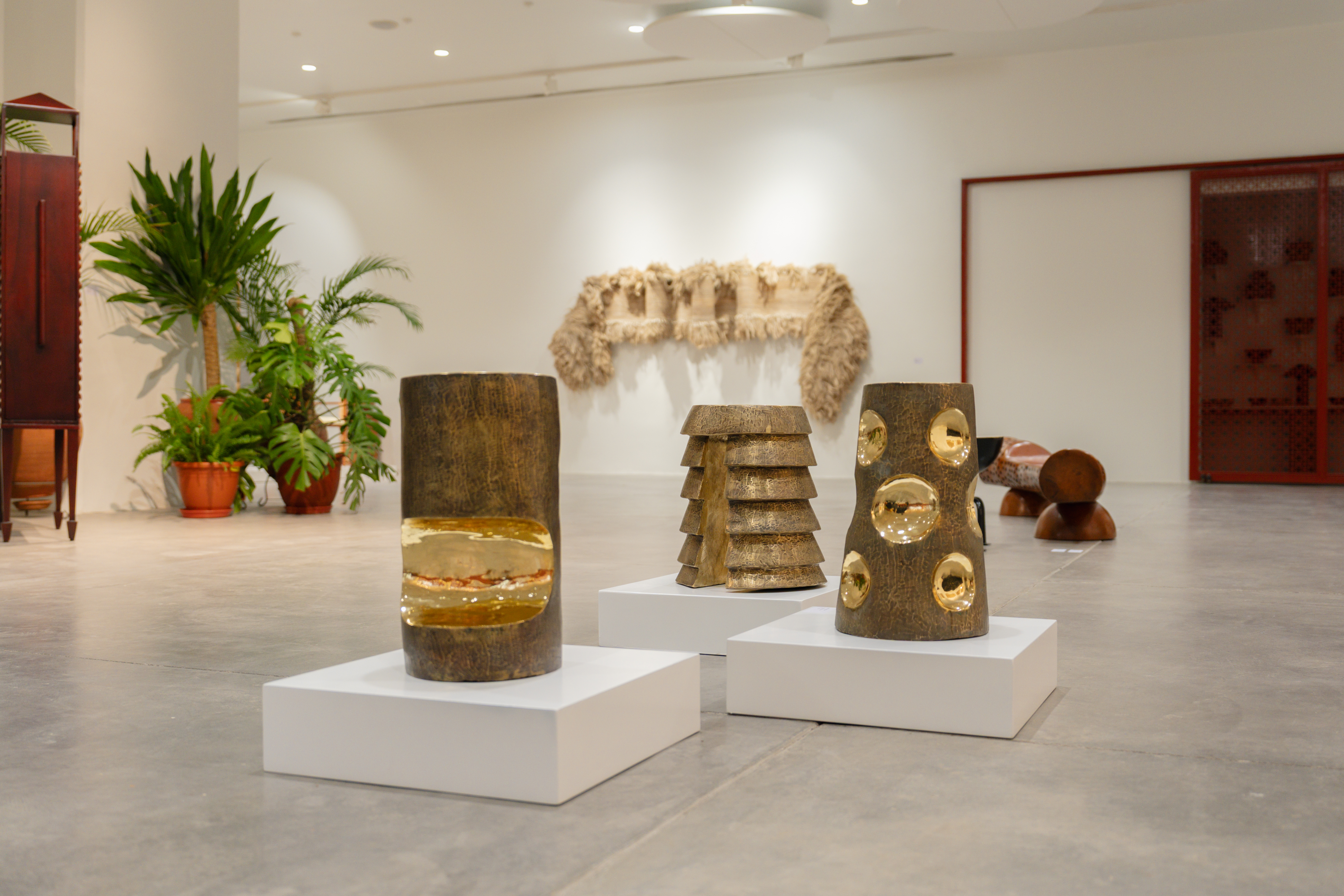
The long-term success of the initiative will depend on its ability to maintain this momentum. As the gallery rotates its exhibitions, the challenge will be to ensure that the "Design Institute" does not become a static historical reference, but rather a hub for ongoing research and development. The collaborative nature of the inaugural show—which includes contributions from the Paris-based collective Hall Haus and the Ghanaian basketry experts at The Baba Tree—demonstrates a commitment to a pan-African and diaspora-inclusive network.
Furthermore, the focus on materiality, such as the use of local Iroko wood by Germane Barnes, underscores a broader shift toward sustainable, resource-conscious design. This is not only an ethical choice but a strategic one; as global supply chains become more volatile, the ability to source and manufacture locally will provide a competitive advantage to the designers within the Casa Mouda orbit.
A Legacy of Connectivity
When discussing the future of the institution, Chagoury-Moudaber often returns to the concept of the "community." In an era dominated by digital connectivity and individual branding, her emphasis on the collective—the bringing together of architects, artists, furniture makers, and the public—is a notable act of resistance against the atomization of the creative industry.
The institutional response to this opening has been largely positive, with industry analysts noting that the project provides the "missing link" for the Lagos creative sector. By providing a professional, well-funded, and strategically located platform, Casa Mouda has effectively raised the bar for what a contemporary African design space can achieve. As the project continues to evolve, it will likely serve as a benchmark for future cultural interventions in major African cities, proving that with the right combination of infrastructure, mentorship, and community-building, the continent can not only produce high-quality design but also establish the systems necessary to sustain it for generations to come.
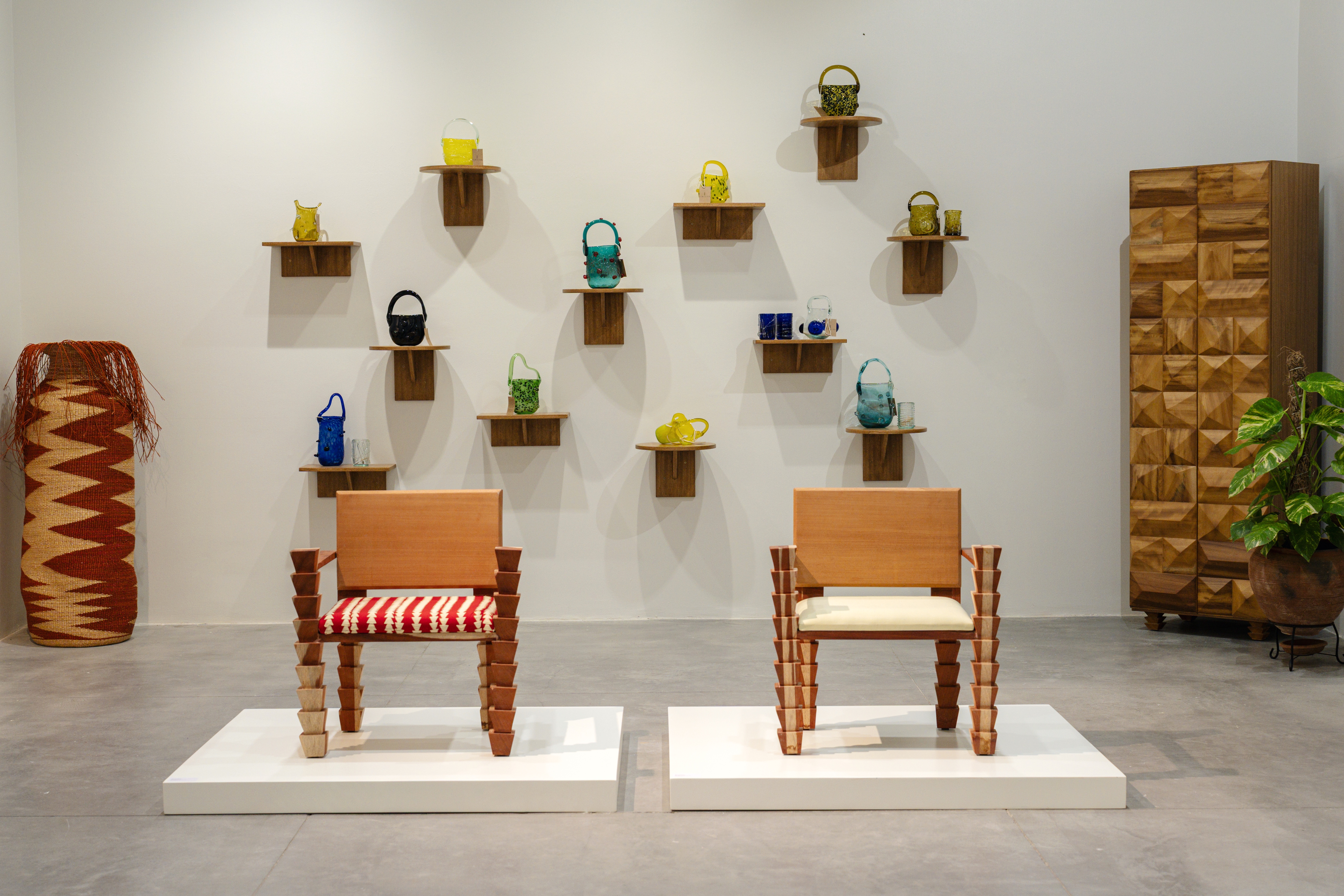
Ultimately, Casa Mouda is more than a commercial enterprise; it is a declaration of confidence in the viability of the Lagos creative economy. By framing the city as a nexus of global and local creative forces, it invites a new generation of designers to participate in the ongoing, collective activity of shaping the material culture of the 21st century. As visitors walk through the gallery, past the sculptural lighting of Marie-Paule Tano and the innovative shelving of Hall Haus, they are not just looking at objects; they are witnessing the construction of a new, self-sustaining design narrative for Africa.
Related posts: