The Legend of Zelda Ocarina of Time Remake for Nintendo Switch 2 Receives Critical Acclaim Following November 5 Launch

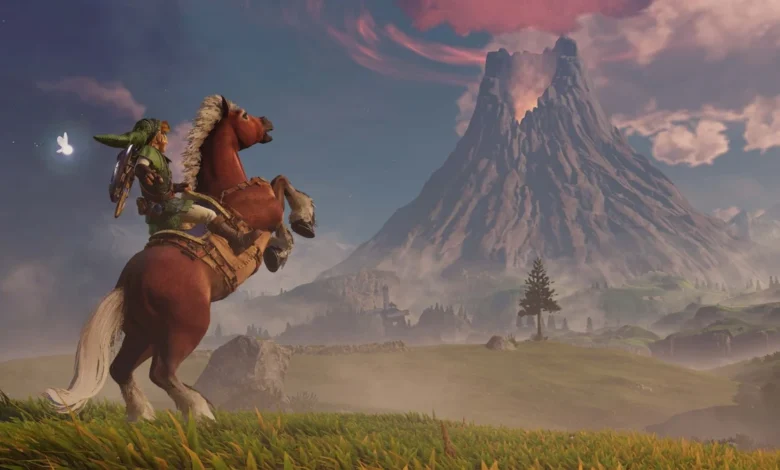
The release of The Legend of Zelda: Ocarina of Time for the Nintendo Switch 2 on November 5 marks a significant milestone in Nintendo’s ongoing strategy to modernize its most storied intellectual properties. Since its initial debut on the Nintendo 64 in 1998, Ocarina of Time has been widely regarded as a foundational text in the action-adventure genre, credited with pioneering 3D lock-on combat and Z-targeting systems. The new iteration, developed specifically for the technical architecture of the Switch 2, has arrived to widespread critical acclaim, currently maintaining a 96 aggregate score on Metacritic. This performance places it among the highest-rated remakes in industry history, successfully balancing the preservation of original design philosophies with contemporary hardware expectations.
A Chronology of a Masterpiece
The journey of Ocarina of Time from a 1998 polygon-heavy pioneer to its 2026 iteration reflects the evolution of Nintendo’s internal development philosophy. When the title first launched on the Nintendo 64, it was revolutionary for its seamless transition between field exploration and dungeon-based puzzle solving. Over the ensuing decades, Nintendo revisited the title through various formats, including the GameCube Master Quest version and the 2011 Nintendo 3DS remaster.
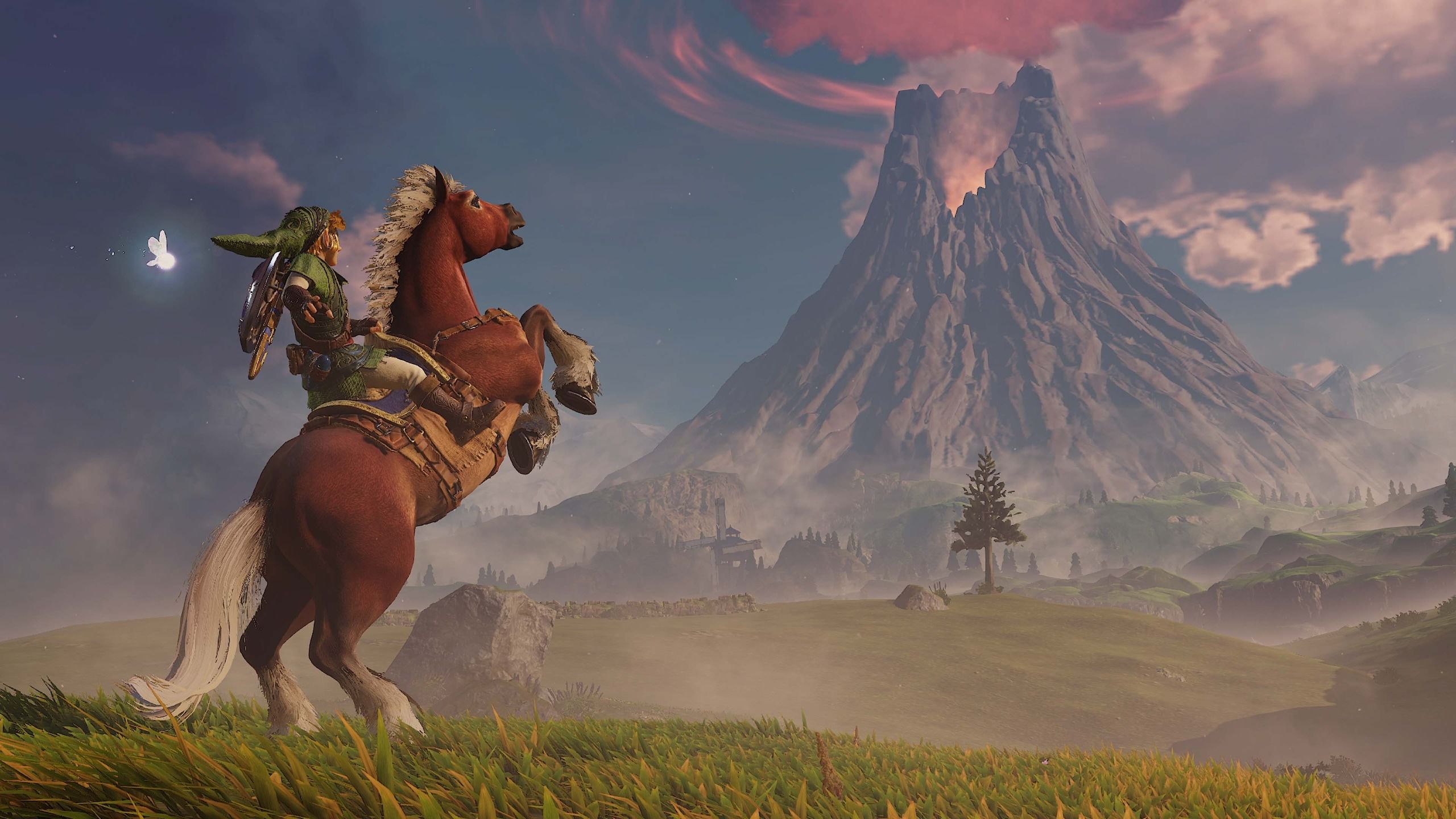
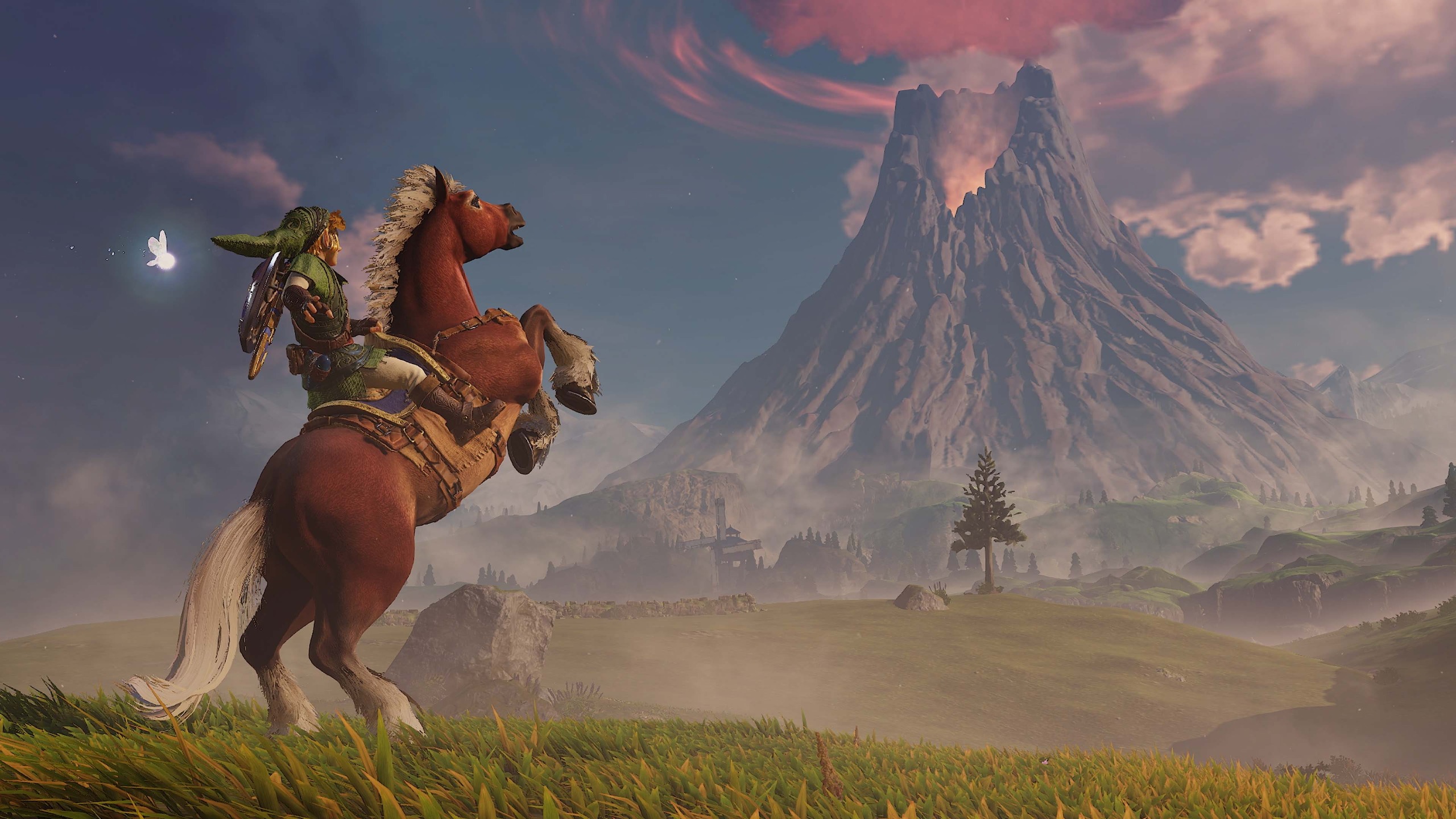
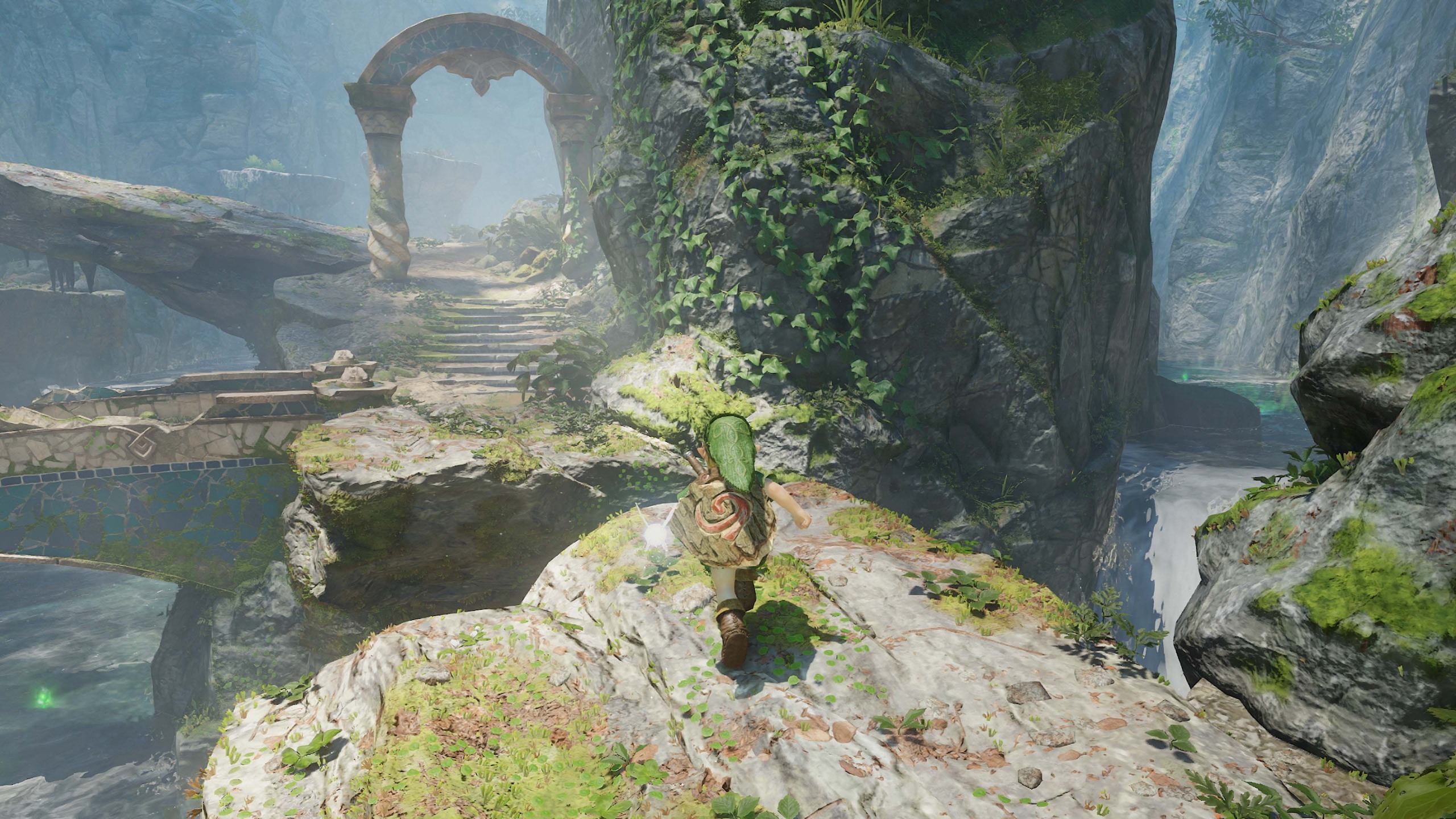
The 2026 Switch 2 remake represents the most significant overhaul to date. Unlike the 3DS version, which focused on graphical fidelity and touch-screen utility, the current release functions as a complete engine reconstruction. Development was characterized by a commitment to maintaining the "fairytale" aesthetic established in the 90s, while simultaneously upgrading the technical infrastructure to support 60 frames per second and higher resolution textures. The release follows a period of heightened anticipation after initial leaks suggested Nintendo was prioritizing its "greatest hits" to bolster the Switch 2’s early library.
Technical Enhancements and Modernization
Nintendo’s approach to this remake involved a comprehensive re-evaluation of the game’s core systems. While the spatial geometry of Hyrule remains largely faithful to the original layout—ensuring that veteran players retain their navigational memory—the underlying mechanics have been modernized to eliminate common points of frustration.
Key technical improvements include:
- Camera and Control Refinement: The inclusion of a fully modernized camera system allows for greater environmental awareness, replacing the sometimes-clunky manual adjustments required by the original N64 hardware.
- Mechanic Overhauls: The introduction of "free jumping" and refined combat interactions allows for more fluid movement, reducing the rigid constraints that defined 1990s 3D platformers.
- Audio and Voice Integration: The score has been completely re-orchestrated, maintaining the iconic melodies of Koji Kondo while utilizing modern sampling technology. Furthermore, the inclusion of fully voiced cutscenes provides a layer of narrative immersion that was previously limited by text-only dialogue boxes.
- Navi’s Role: Perhaps the most notable quality-of-life change is the adjustment to the companion character, Navi. Rather than serving as an intrusive prompt system, the character’s integration has been shifted to offer more organic guidance, addressing the historic player frustration regarding her constant "Hey! Listen!" reminders.
Critical Reception and Industry Data
The critical response has been overwhelmingly positive, with major gaming outlets providing high scores. GamesRadar+ and TechRadar both awarded the title five stars, citing the careful preservation of the original’s "soul" as the primary driver of its success. The consensus among critics is that Nintendo successfully navigated the "remake trap"—the tendency to either deviate too far from the source material or change too little to justify a modern release.
However, the critical discourse has not been entirely uniform. Some reviewers, including representatives from Game Informer, noted that while the visual overhaul is impressive, the game remains a "straightforward recreation" in terms of its narrative structure and core puzzle loops. This has led to a minor debate regarding the level of ambition expected from a top-tier studio. Furthermore, the absence of a "Master Quest" mode—a feature present in previous versions of the game that offered higher difficulty and rearranged dungeons—has been flagged by long-time enthusiasts as a notable omission. The restriction to a single save file has also drawn mild criticism, with reviewers noting that modern gaming standards usually expect more flexibility in player management.
The Broader Implications for Nintendo
The success of this remake provides a clear window into Nintendo’s strategy for the Switch 2. By leveraging nostalgia, the company is effectively building a bridge between its multi-generational fanbase. The release of Ocarina of Time arrives alongside other successful updates, such as the recent Star Fox remake and continued support for the Metroid and Mario franchises via the Nintendo Online service.
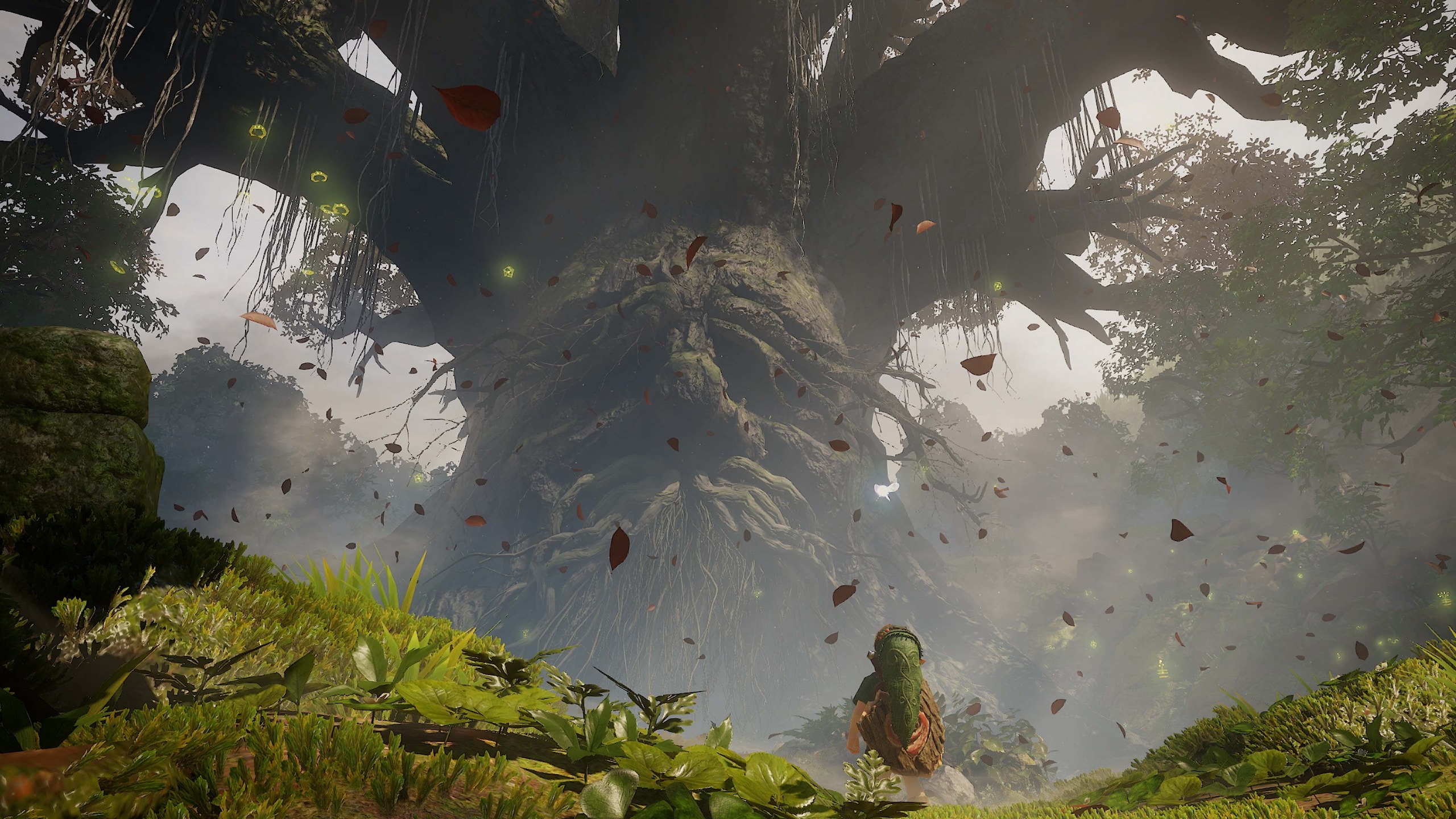
This strategy serves two purposes. First, it stabilizes the Switch 2’s software library with high-quality, recognizable titles during the console’s critical adoption phase. Second, it allows Nintendo to test new hardware capabilities on existing, proven gameplay loops before moving on to entirely new IP development. The choice of an art style that favors stylized, "handmade" aesthetics over photorealism—as noted by critics at The Guardian—is a strategic move that ensures the game will remain visually relevant long after the hardware cycle ends.
Market Position and Economic Impact
From a market perspective, the release is positioned as a cornerstone of Nintendo’s fiscal year. By timing the launch for early November, Nintendo has successfully captured the pre-holiday shopping window, ensuring that the title is available for both new console owners and returning fans. While Nintendo has not yet released specific sales figures, the high aggregate scores are strong indicators of long-term sales stability.
Industry analysts observe that this remake model is likely to become the standard for the Switch 2. As the cost of developing AAA, open-world titles continues to rise, the ability to "re-imagine" existing intellectual property with updated technical standards offers a high return on investment. The critical success of Ocarina of Time validates this approach, proving that even a 28-year-old game can compete with modern titles if the fundamental design is sufficiently robust.
Conclusion: A Legacy Refined
The Legend of Zelda: Ocarina of Time remains a cultural touchstone, and its latest iteration on the Switch 2 demonstrates that the core design principles of the original remain as effective today as they were in 1998. By balancing innovation with respect for the original source material, Nintendo has created a product that satisfies the nostalgia of the past while appealing to the technical expectations of the present. While the lack of additional content like Master Quest might leave some hardcore completionists seeking more, the overall package represents a masterclass in game preservation. As the industry continues to grapple with the ethics and execution of remakes, Nintendo’s latest effort serves as a definitive template for how to honor the past while securing a future in the modern gaming landscape.
Related posts: