Renowned Italian furniture manufacturer Lapalma has expanded its prominent portfolio by unveiling an extensive selection of new products on the global design stage. Known for its rigorous craftsmanship and architectural approach to contemporary spaces, the brand has introduced a versatile array of modular seating, durable outdoor furniture, and sophisticated architectural tables. This latest rollout is underpinned by a groundbreaking "chromatic alphabet" developed in close partnership with architect and designer Raffaella Mangiarotti. By uniting cutting-edge engineering with fluid, human-centric aesthetics, Lapalma continues to solidify its four-decade legacy at the intersection of contract, residential, and outdoor design.
The Chromatic Alphabet: A Unified Design Language
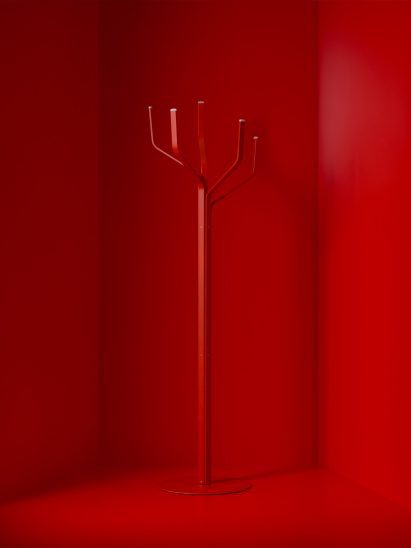
At the heart of Lapalma’s latest collection is a comprehensive chromatic overhaul conceptualized by Raffaella Mangiarotti. Designed to harmonize the brand’s diverse catalog—spanning seating, tables, and functional accessories—the new colour palette introduces nine brand-new shades alongside seven meticulously rethought existing hues.
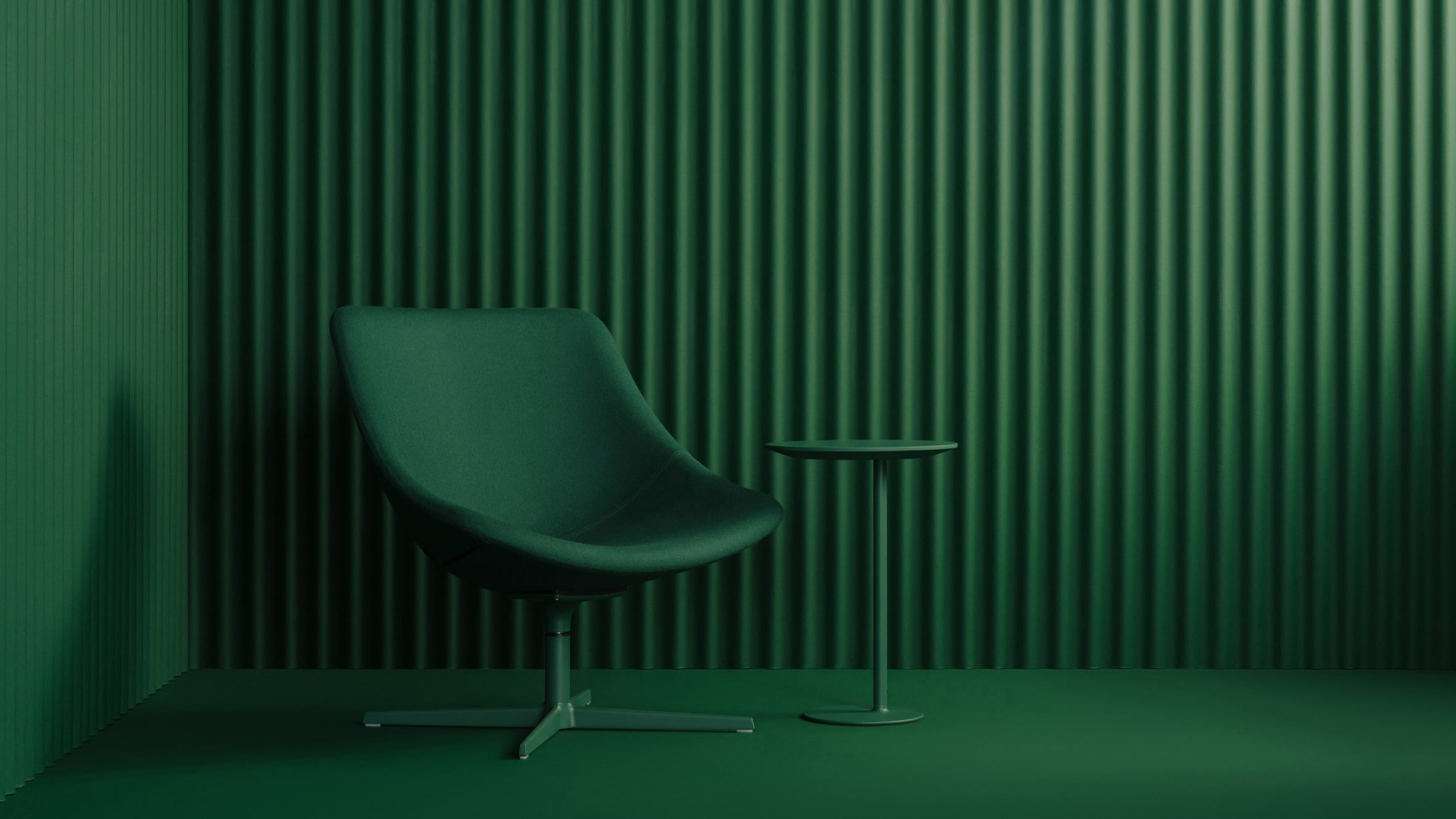
Rather than treating color as a superficial afterthought, Mangiarotti approached the palette as a cohesive chromatic alphabet. Each tone has been scientifically engineered and aesthetically balanced to transition seamlessly across disparate materials, including powder-coated metals, sustainably sourced woods, and injection-molded plastics. This unified color strategy allows architects and interior designers to mix and match elements within a single space, ensuring visual continuity whether specifying furniture for an open-plan corporate office, a hospitality lounge, or a residential terrace.
Sculptural Surfaces: The Kili Table Family by Mario Ferrarini
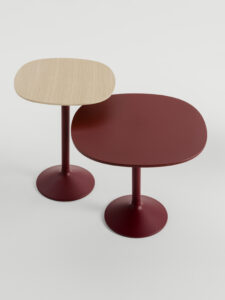
Expanding its offerings in the dining and occasional table categories, Lapalma collaborated with designer Mario Ferrarini to create the Kili table collection. Named and conceptualized after the striking, conical profile of Mount Kilimanjaro, the Kili family bridges the gap between pure sculpture and pragmatic utility.
The collection comprises various sizes, heights, and tabletop geometries, ranging from intimate occasional tables to expansive dining formats. Ferrarini’s design philosophy focuses on clean lines, structural integrity, and tactile refinement. Each table utilizes a tapered pedestal base that mimics the monumental geometry of its geological namesake, creating a stable yet visually light footprint. Manufactured using high-grade materials treated for enhanced durability, the Kili tables are engineered to meet the rigorous demands of high-traffic commercial environments while maintaining the sophisticated elegance required for high-end residential interiors.
Evolution of Outdoor Living: Kipu Club and Plus Modular Systems
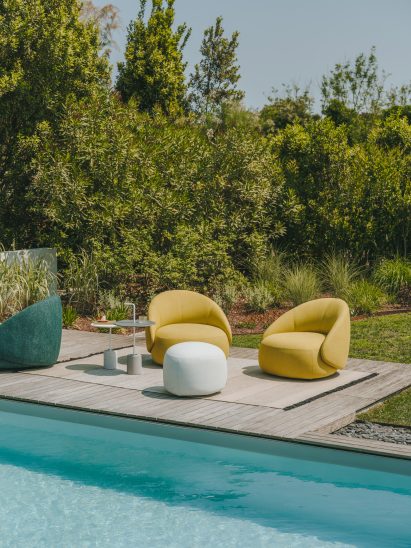
As the boundary between indoor and outdoor spaces continues to dissolve, Lapalma has significantly strengthened its open-air furniture offerings. The brand has introduced the Kipu Club outdoor chair, a specialized iteration of Anderssen & Voll’s critically acclaimed original design, alongside an expansion of Francesco Rota’s Plus modular seating system.
The Kipu Club outdoor chair reinterprets the playful, organic silhouette of its indoor predecessor. Featuring a curvilinear backrest that partially wraps around a pebble-shaped seat, the chair offers an inviting and ergonomically optimized posture for al fresco lounging. Built from weather-resistant materials treated against UV degradation and moisture ingress, the Kipu Club is designed to withstand harsh outdoor climates without compromising tactile comfort or aesthetic appeal.
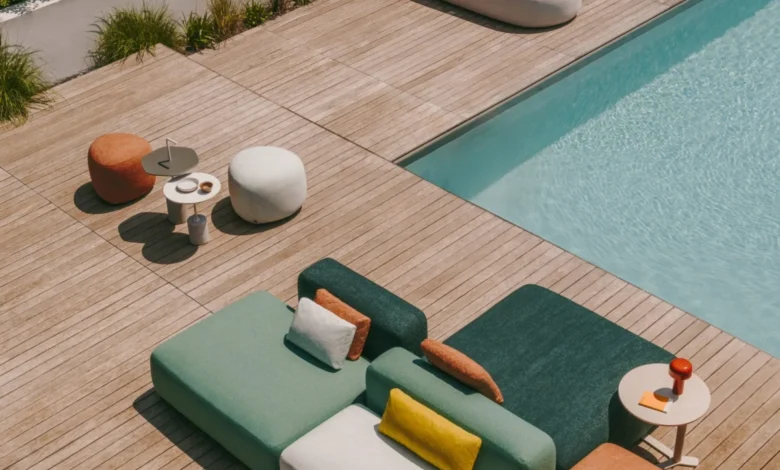
Simultaneously, Francesco Rota has extended the Plus modular outdoor seating system to include new sun loungers and advanced configurational options. Characterized by rounded corners and lozenge-shaped modules, the Plus system allows landscape architects and interior designers to construct dynamic, flowing seating arrangements in gardens, pool decks, and rooftop terraces. Available in a wide spectrum of bright and neutral-toned outdoor technical upholstery, Plus facilitates flexible layouts that encourage open-air social interaction and relaxation.
Architectural Landscapes: The HUB Modular Seating System
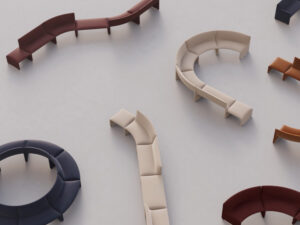
Addressing the evolving needs of contemporary workspaces and dynamic public interiors, Lapalma also showcased the HUB modular system, designed by Francesco Rota. Conceived as a response to the shift toward flexible, hybrid office models and collaborative public domains, HUB enables the creation of snaking, continuous lengths of seating that function as architectural islands.
Rota designed HUB to serve multiple functions within a single footprint—accommodating spontaneous meetings, focused work, quiet contemplation, or casual pauses. The system is entirely reconfigurable, allowing facility managers and interior designers to disassemble and reorder the modules as spatial requirements shift over time. By integrating seamlessly with Lapalma’s new chromatic palette, HUB transforms open-plan environments into evolving, human-centric landscapes that prioritize user comfort and spatial adaptability.
Background, Chronology, and Brand Legacy
Headquartered in northern Italy, Lapalma has spent more than forty years establishing itself as a powerhouse in contemporary furniture manufacturing. Founded on principles of precision engineering, ecological responsibility, and timeless design, the company has consistently invested in research and development to anticipate trends in architecture and interior design.
The rollout of these collections follows a strategic timeline of targeted product launches executed across recent design seasons. While foundational pieces like the original Plus system and early iterations of Kipu established the brand’s reputation for soft minimalism and functional modularity, the 2026 product cycle marks a definitive maturation. By pairing in-house manufacturing expertise with external creative visions—such as those of Mangiarotti, Ferrarini, Anderssen & Voll, and Rota—Lapalma has streamlined its catalog into a synchronized ecosystem of products.
Industry Implications and Market Analysis
The introduction of Lapalma’s unified chromatic alphabet and expanded modular systems reflects broader shifts within the global contract and residential furniture markets. Industry analysts note a growing demand for cross-functional furniture that can transition fluidly between indoor and outdoor applications, driven by the rise of biophilic design and hybrid living models.
Furthermore, the emphasis on a cohesive color system across diverse material substrates addresses a major logistical and aesthetic challenge for specifiers. By ensuring that wood, metal, and plastic components can be ordered in synchronized hues, Lapalma reduces the friction often associated with custom-matching contract interiors.
As corporate offices, educational institutions, and hospitality venues increasingly prioritize employee wellness, flexibility, and aesthetic warmth, Lapalma’s latest offerings position the brand advantageously. By combining rigorous Italian craftsmanship with human-centric ergonomics and adaptable modularity, the company demonstrates its ongoing capacity to shape the future of contemporary interior landscapes.
Related posts: