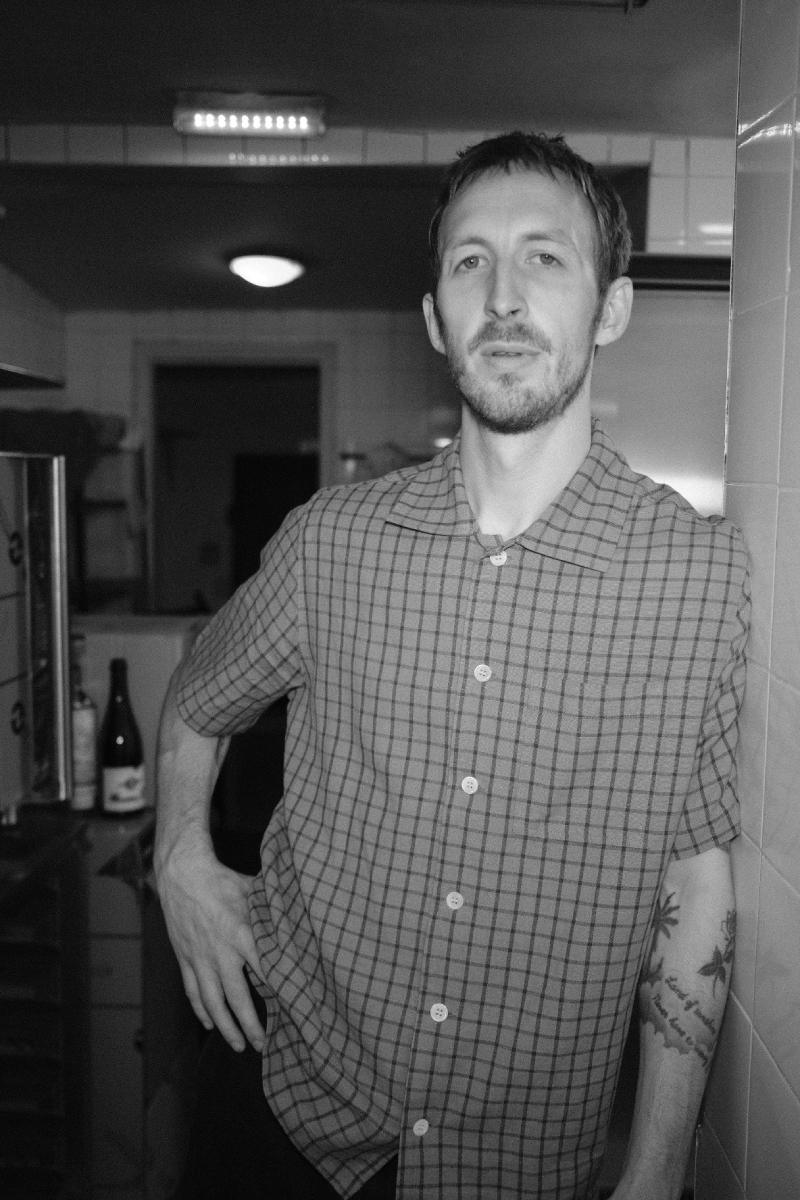
The landscape of London’s hospitality industry is witnessing a significant shift as renowned chef Elliott Kaye, the visionary behind the cult-status Norman’s café in Archway, unveils his latest solo venture: Marrion’s. Situated on the Hackney-Homerton border, this establishment represents a departure from the high-concept, fine-dining environments that dominated the capital’s scene in the mid-2010s. Instead, Marrion’s embraces the “neighbourhood local” ethos—a hybrid space operating as a cocktail bar, wine bar, and bistro. This launch marks a strategic pivot for Kaye, who previously refined his craft in some of London’s most prestigious kitchens, including Lyle’s, The French House, and Leroy, before achieving widespread acclaim for elevating the traditional British “greasy spoon” at Norman’s.
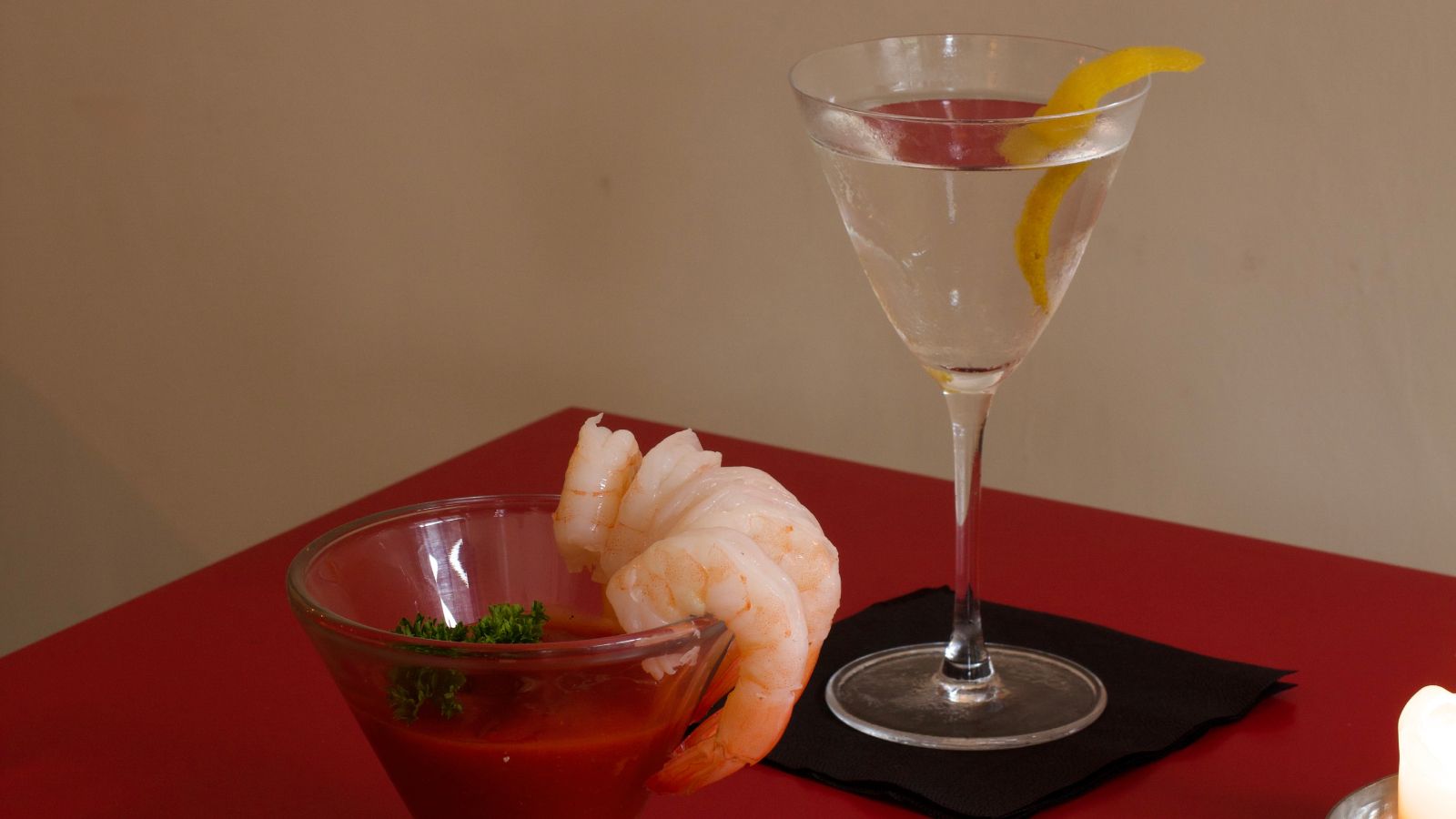
The genesis of Marrion’s is rooted in a desire to replicate the intimacy of New York City’s long-standing urban bars. By prioritizing a seamless transition between drinking and dining, Kaye aims to anchor his new venture within the fabric of the local community rather than positioning it as a transient, trend-driven destination. The interior, designed by Kaye himself with custom furniture fabrication by Oscar Oliver Studio, utilizes a minimalist palette of cream walls, pale tiling, and dark timber to achieve an aesthetic that feels both timeless and intentionally lived-in.
A Chronology of Culinary Evolution
Elliott Kaye’s trajectory in the London food scene provides essential context for the emergence of Marrion’s. His tenure at establishments such as Lyle’s—known for its rigorous adherence to seasonal British produce—instilled a discipline that informed his subsequent, more casual work. The success of Norman’s was a watershed moment in the London food landscape; it transformed a modest Archway storefront into an unlikely destination for the fashion elite, famously drawing a takeover by luxury house Burberry during London Fashion Week.
When Norman’s ceased operations, it left a void in the local market for accessible, high-quality, unpretentious dining. The development of Marrion’s began shortly thereafter, with a focus on securing a site that could foster a similar community spirit in East London. The transition from the high-traffic corridor of Archway to the residential-adjacent Morning Lane in Homerton reflects a broader trend among London restaurateurs: moving away from central high-rent districts in favor of neighborhoods where long-term customer loyalty can be cultivated.
Design Philosophy and Aesthetic Influence
The aesthetic language of Marrion’s is an exercise in restrained curation. Rather than relying on ornate decor, the space utilizes subtle historical nods to establish its identity. The logo, for instance, draws inspiration from the 1960s and 70s branding of Watney’s, a historic London brewery once ubiquitous in the British pub scene. This choice serves as a visual bridge between the city’s industrial past and its contemporary culinary present.
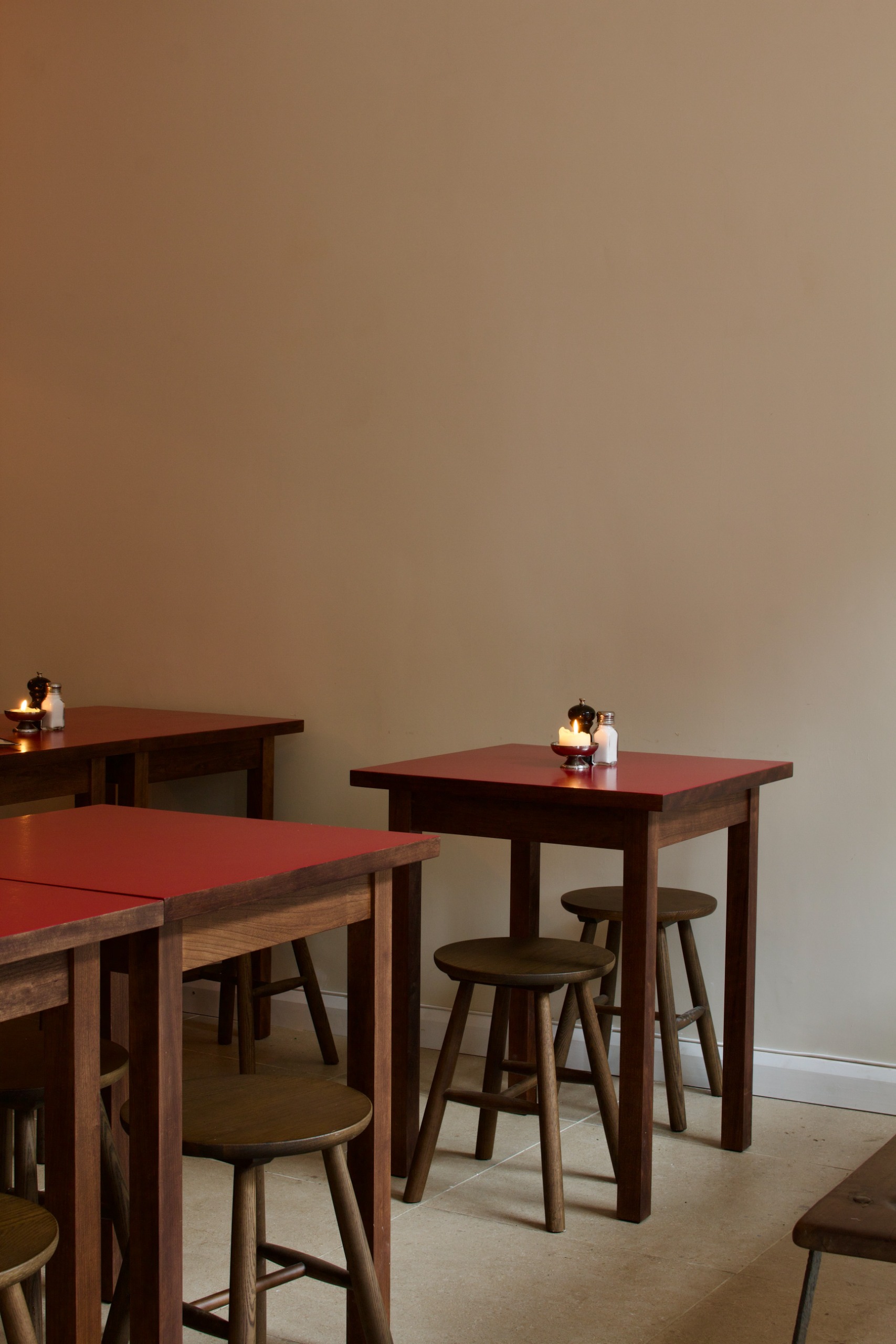
The staff uniforms, sourced from the Danish brand Another Aspect, further emphasize the establishment’s commitment to an understated, functional aesthetic. Inside the dining room, the only piece of wall art is a reproduction of 16th-century painter Vincenzo Campi’s "The Ricotta Eaters." The selection is deliberate, serving as a philosophical statement from the management: that the value of a dining experience lies primarily in the communal act of sharing food and conversation, rather than in the performative nature of the cooking itself.
The Culinary Approach: Simplicity as a Virtue
The menu at Marrion’s is characterized by its brevity and lack of artifice. In an era where many restaurants boast extensive, complex menus, Kaye’s approach is to master a small selection of classic dishes. The kitchen, which is notably compact, focuses on high-quality ingredients executed with technical precision.
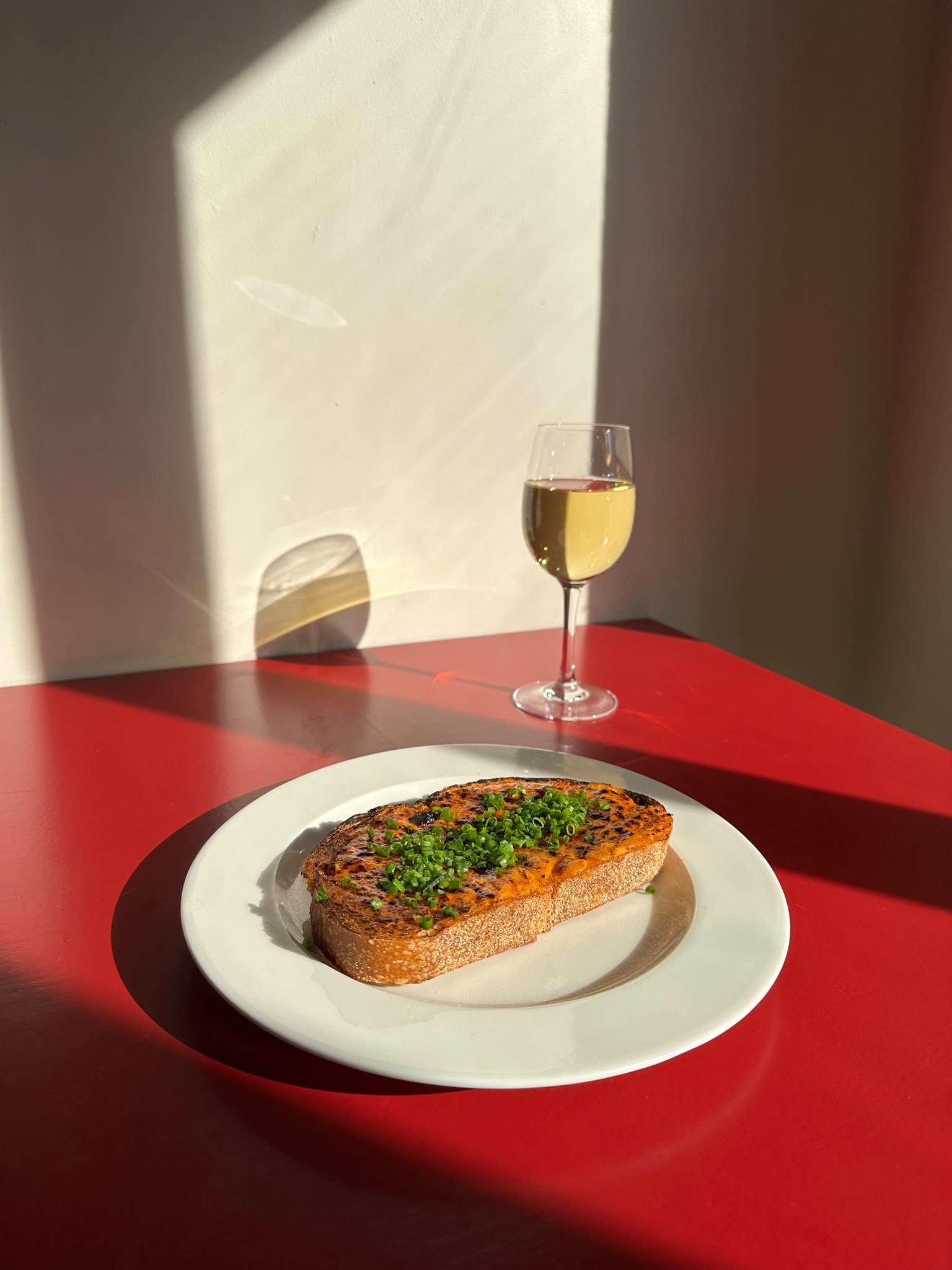
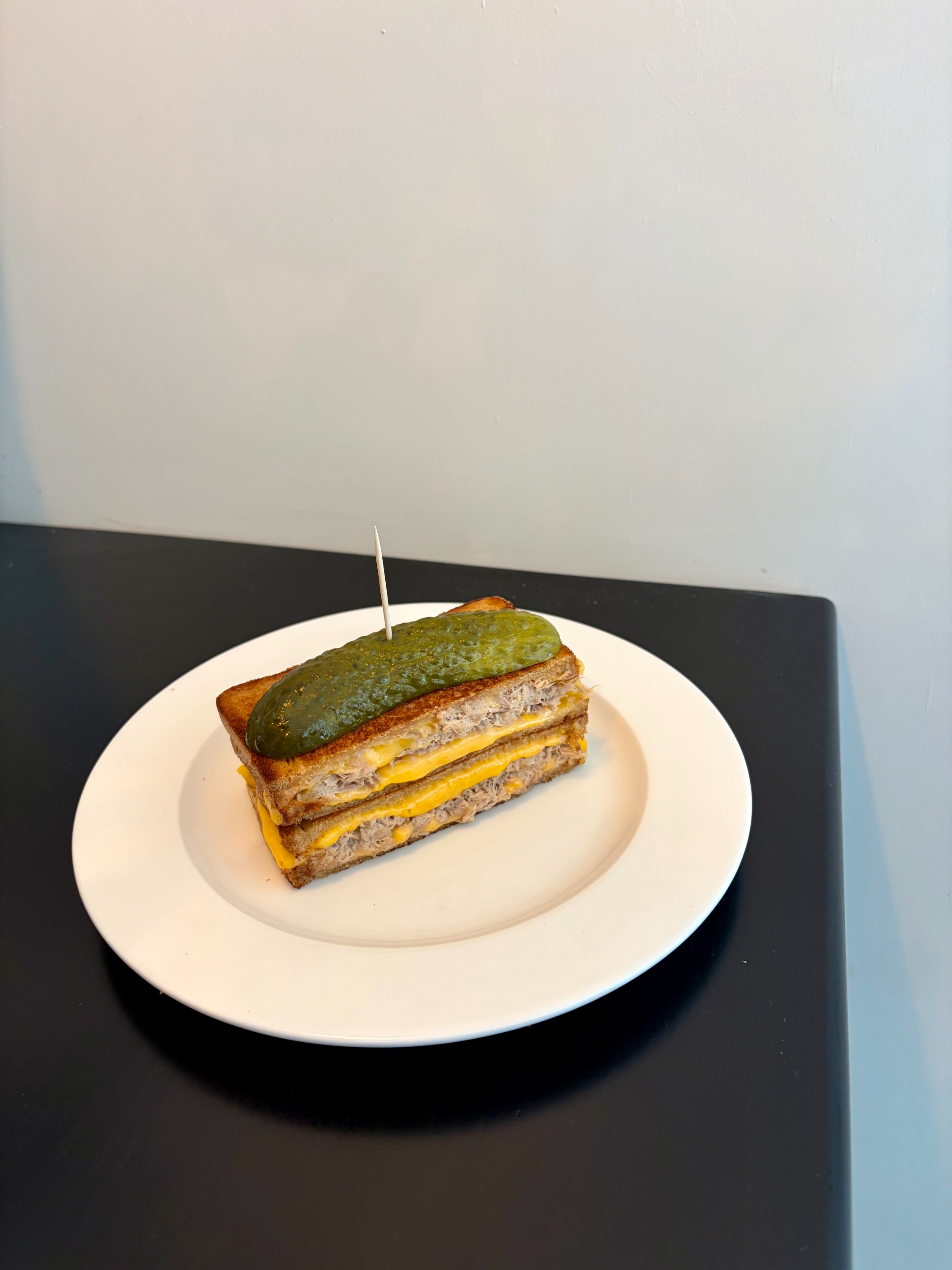
The menu includes staples such as the New York-style prawn cocktail, served with a sharp, horseradish-forward sauce, and a devilled crab rarebit on toasted sourdough. These offerings are designed for ease of sharing, reinforcing the bar-bistro atmosphere. A standout feature is the pork schnitzel Holstein—a classic preparation topped with a fried egg, capers, and anchovies. This emphasis on traditional, unfussy recipes is a rejection of the hyper-modernist techniques that have defined much of the recent fine-dining discourse. The planned introduction of a Sunday brunch service, featuring elevated versions of boiled eggs and soldiers, suggests that the establishment intends to capture the weekend footfall of local residents.
Economic and Social Implications
From a market perspective, the launch of Marrion’s occurs at a time when the hospitality industry is facing significant headwinds, including rising food costs and labor shortages. By maintaining a limited menu and a multi-purpose space, Kaye is employing a model that is inherently more resilient to market volatility. The “bar-bistro” model allows for flexible revenue streams; the venue can function as a casual drinking spot during off-peak hours and a dining destination during the evening, maximizing the utility of its square footage.
Furthermore, the choice of location in Homerton—an area currently undergoing steady gentrification—suggests a calculated risk. By providing a “local” that bridges the gap between a pub and a restaurant, Marrion’s occupies a middle ground that is currently underserved in the area. Initial reception suggests that the strategy is resonating with the demographic, as the space has already begun to serve as a hub for local social interaction.
Broader Impact on the London Food Scene
The trajectory of Elliott Kaye’s career, moving from the serious, highly structured kitchens of Shoreditch and Soho to the more relaxed, community-focused environments of Archway and now Homerton, mirrors a wider movement in the capital’s culinary culture. The industry is currently experiencing a "return to basics." Consumers are increasingly seeking out venues that prioritize comfort, authenticity, and affordability over the "Instagrammability" that drove much of the restaurant growth between 2015 and 2022.
Industry analysts observe that this shift is part of a "post-hype" cycle. As Londoners become more discerning regarding the value proposition of their dining experiences, establishments that offer consistent quality without the pretension of white-tablecloth service are likely to see the most sustained success. Marrion’s is positioned to be a beneficiary of this trend. By fostering an environment where dogs are welcome and the atmosphere is deliberately low-key, Kaye is successfully lowering the barrier to entry for the casual diner while maintaining the culinary standards expected of a chef with his pedigree.
Operational Data and Future Outlook
While specific financial performance figures remain private, the operational model at Marrion’s—low overheads, short, high-turnover menus, and a focus on natural wines—is a proven methodology for sustaining independent neighborhood establishments in London. The reliance on a single, primary chef in a small kitchen ensures a high degree of quality control and minimizes waste, a critical factor in current economic conditions.
The establishment’s commitment to community engagement is further evidenced by its integration into the neighborhood’s social calendar. By eschewing the traditional “grand opening” spectacle in favor of a soft-launch approach that focuses on building a rapport with local residents, Marrion’s has effectively signaled its intent to be a permanent fixture rather than a fleeting trend.
As London’s hospitality sector continues to navigate the complexities of the current fiscal landscape, the success of Marrion’s will likely be measured not just by its menu or design, but by its ability to serve as a social anchor for the Homerton community. Whether it can replicate the cultural impact of Norman’s remains to be seen, but the initial indicators suggest that Kaye’s focus on intimacy, simplicity, and accessibility is precisely what the current market demands. The venue currently operates at 177 Morning Lane, London, and serves as a testament to the enduring appeal of the classic neighbourhood bistro in a modern, fast-paced city.